How to catch Blunt-snouted charr
Salvelinus obtusus Regan, 1908
About Blunt-snouted charr fishing
Salvelinus obtusus is a rare freshwater fish belonging to the salmon family, distinguished by an obtuse snout, a rounded dorsal profile, and a short lower jaw. Reaching a maximum length of 18 centimetres and a minimal weight, this benthopelagic charr exhibits a fusiform body shape with a body depth measuring twenty to twenty-five percent of its standard length. Endemic to specific lacustrine habitats in southwestern Ireland, particularly deep glacial lakes, it feeds primarily on benthic organisms and zooplankton. Due to its restricted range and acute sensitivity to environmental pressures like eutrophication, populations have declined significantly across historical sites, making conservation status critical. Anglers recognize this unique salmonid as a delicate component of Ireland's native biodiversity.
-
Difficulty
Medium
-
Market value
Very high
-
Habitat
Freshwater
-
Season
Spring, Summer, Autumn
-
Also known as
Blunt-nosed Irish charr

Adipose fin
Small fleshy fin between dorsal and tail identifies this as a charr.
Forked caudal shape
Forked caudal fin shape distinguishes this species.
Obtuse snout
Blunt snout and short lower jaw distinguish this Irish charr.
Blunt-snouted charr fishing facts
Characteristics
-
Typical size
18 cm SL -
Typical weight
0.2 kg (max 0.1 kg ) -
Body shape
Fusiform / Normal -
Commercial?
-
Vulnerability score
31.1
Best hours
-
Active
Dawn
First light
-
Peak
Morning
After sunrise
-
Low
Midday
High sun
-
Active
Afternoon
Late day
-
Peak
Dusk
Last light
-
Low
Night
After dark
When to fish for Blunt-snouted charr
How to catch Blunt-snouted charr
Tips for catching Blunt-snouted charr
Targeting this delicate lacustrine charr requires a lightweight approach focused on traditional fly fishing techniques from a drifting boat across deep glacial lake basins. Because the species feeds selectively on small aquatic insects, zooplankton, and benthic invertebrates, presentation should employ fine leaders and small wet flies or imitation terrestrial insects drifted naturally near the drop-offs and stony shelves. Morning and late afternoon hours during the calmer spring and summer months offer the most favorable conditions when fish rise closer to intermediate depths. Anglers must exercise extreme care and practice strict catch and release if encountered, given the critically endangered status and strict protection requirements governing its remaining native waters.
Other names for Blunt-snouted charr
Local and alternate names anglers use for Blunt-snouted charr.
-
Blunt-snouted charr
-
Blunt-nosed Irish charr
Best equipment to catch Blunt-snouted charr
Compare fishing methods for Blunt-snouted charr — sized kit for each technique.
Note: Typical fish is 0.2 kg Our algorithm will suggest the best equipment for you based on this weight.
Fly Fishing
Presenting artificial flies with a fly rod and weighted line.
50% Effectiveness
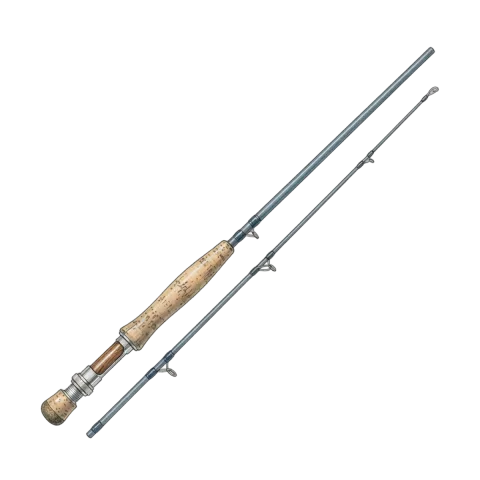
Rod
Fly rod
A fly rod is a fishing rod sized by line weight, with a fly reel seat. The fly line, not a heavy lure, loads the blank.
Sized for a typical fish
2.44 m · 3wt
- Reel seat
- Fly
- Form factor
- Multi-piece
- Action
- Moderate-fast
- Grip
- Cork
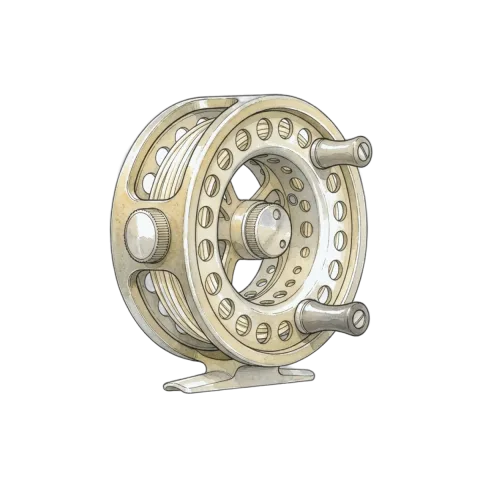
Reel
Fly reel
A fly reel is a large-arbor drum that stores backing and fly line. Drag is a disc; the reel does not cast the fly.
Sized for a typical fish
2 kg drag · 3wt
- Spool
- Drum
- Mount
- Under
- Drag
- Disc
- Retrieve
- Manual
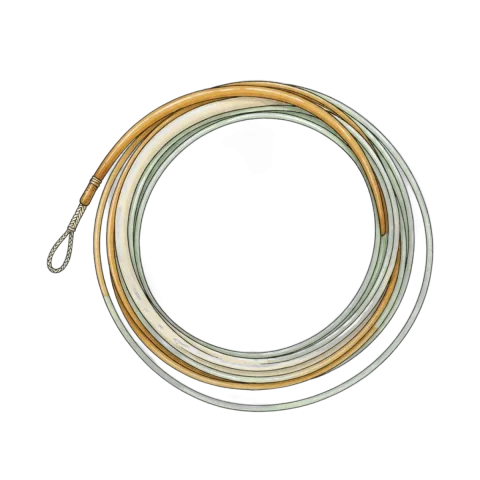
Line
Fly line
Fly line is the weighted shooting line that carries a near-weightless fly. Match it by weight class to the fly rod, not by kilo rating.
Sized for a typical fish
3wt
- Visibility
- Medium
- Abrasion
- Medium
- Stretch
- Low
- Sink rate
- Slow
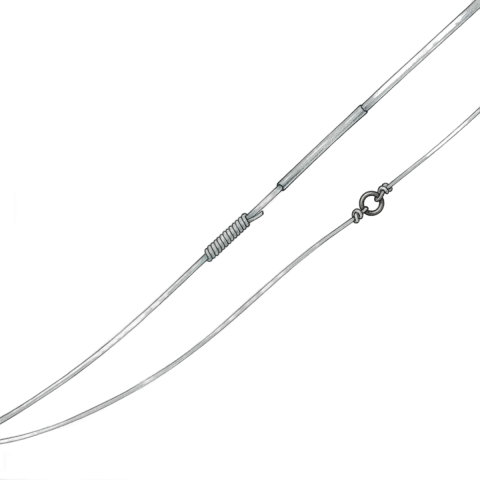
Leader
Tippet
Tippet is the fine, replaceable end of a fly leader, sized in X so you can match the fly and the fish.
Sized for a typical fish
1.6 kg · 0.13 mm · 75 cm · 6X
- Visibility
- Medium
- Abrasion
- Medium
- Stretch
- Medium
- Sink rate
- Slow
Best lures and baits for Blunt-snouted charr
Ranked lures and natural baits from every method, best first.
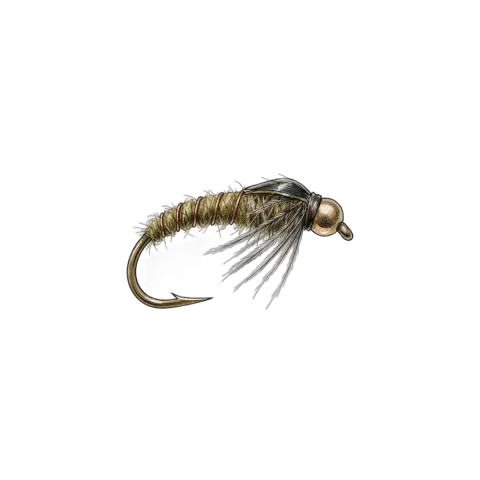
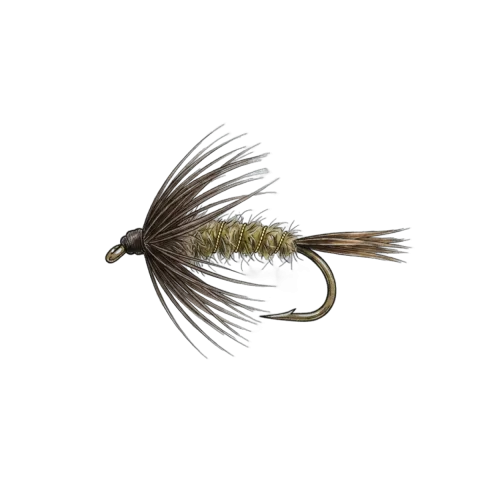
02
Wet fly
- Fly Fishing
A soft-hackle fly swung or drifted just under the film.
Where Blunt-snouted charr spends the year — Non-migratory
Stays in the same waters year-round. Look for it on the same grounds rather than timing a run.
1 Eggs
Same water all year
Laid on the home grounds.
2 Juveniles
Same water all year
Grow up close by.
3 Adults
Same water all year
Keep to a small home range.
4 Spawners
Same water all year
Spawn on the same grounds, with only short moves.
Hover or tap a number to read each stage.
Diet and behavior of Blunt-snouted charr
-
Diet
Carnivore -
Hunts
Morning · Dusk
Where Blunt-snouted charr lives
Lives near the bottom but swims in the water just above it. Cover the lower column, not only the mud.

Where this species lives