How to catch Common dentex
Dentex dentex (Linnaeus, 1758)
About Common dentex fishing
The common dentex is a marine ray-finned fish belonging to the seabream family Sparidae, featuring an oval, compressed body with a smoothly rounded head profile in adults and distinctive canine teeth at the front of the jaws. Growing up to 100 cm in total length and 14.25 kg, juveniles exhibit a greyish hue with dark spots while mature specimens turn pinkish and the oldest fish adopt a bluish-grey shade. This benthopelagic predator inhabits hard bottoms such as rocks and rubble from shallow inshore waters down to 200 metres, being most common between 15 and 50 metres. Adults are typically solitary except during their spring spawning season when they aggregate in warmer surface waters. Feeding actively on fish, molluscs and cephalopods, it is valued highly by both commercial fisheries and recreational anglers across the Mediterranean and northeastern Atlantic.
-
Difficulty
Medium
-
Average size
50 cm TL
-
Market value
Very high
-
Habitat
Saltwater
-
Season
Spring, Summer, Autumn
-
Also known as
Dentex, Porgy

Caudal shape
Deeply forked tail fin helps distinguish this species from round-tailed sparids.
Canine teeth
Developed canine teeth in jaws characterize this predatory sparid species.
Body spots
Scattered dark reddish spots along the upper flanks identify the common dentex.
Common dentex fishing facts
Characteristics
-
Typical size
50 cm TL (max 100 cm TL ) -
Typical weight
2.5 kg (max 14.2 kg ) -
Preferred temperature
13.3–21.1 °C -
Depth
0–200 m -
Longevity
36 years -
Body shape
Fusiform / Normal -
Commercial?
-
Vulnerability score
66.3
Best hours
-
Peak
Dawn
First light
-
Active
Morning
After sunrise
-
Low
Midday
High sun
-
Active
Afternoon
Late day
-
Peak
Dusk
Last light
-
Low
Night
After dark
When to fish for Common dentex
How to catch Common dentex
Tips for catching Common dentex
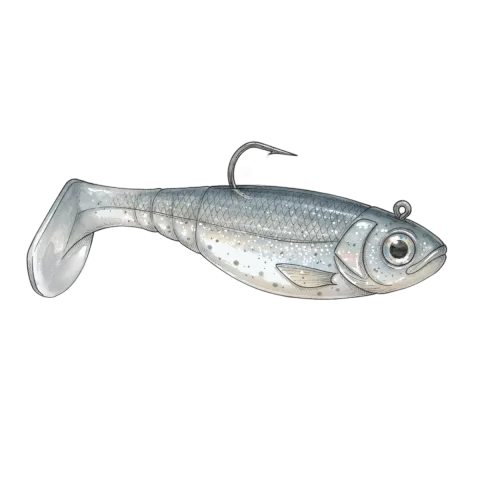
Targeting this powerful predator requires precision and an understanding of its rocky domain. Anglers achieve success by fishing over rough ground, drop-offs and rocky reefs where adults hunt solitarily. Using live baits such as squid or small fish presented near the bottom yields excellent results, especially when fished from an anchored or drifting boat. For lure enthusiasts, heavy casting jigs or realistic soft plastics worked methodically near the seabed imitate their natural prey of fish and cephalopods. The best sport occurs during the warmer daylight hours, particularly around dawn and dusk in spring and autumn when fish move shallower to feed and aggregate.
Other names for Common dentex
Local and alternate names anglers use for Common dentex.
-
Common dentex
-
Porgy
-
Dentex
Best equipment to catch Common dentex
Compare fishing methods for Common dentex — sized kit for each technique.
Note: Typical fish is 2.5 kg Our algorithm will suggest the best equipment for you based on this weight.
Spinning
Casting and retrieving lures with a spinning rod and reel.
80% Effectiveness

Rod
Spinning rod
A spinning rod is a fishing rod built to carry a spinning reel under the blank. You cast lures and light baits with it from shore or a boat.
Sized for a typical fish
medium · 2.13 m
- Reel seat
- Spinning
- Form factor
- Multi-piece
- Action
- Fast
- Grip
- EVA

Reel
Spinning reel
A spinning reel hangs under the fishing rod and is the default reel for casting lures and light baits. Line peels off an open spool with a bail.
Sized for a typical fish
1000 · 3 kg drag · 185 g
- Spool
- Fixed
- Mount
- Under
- Drag
- Front
- Retrieve
- Manual
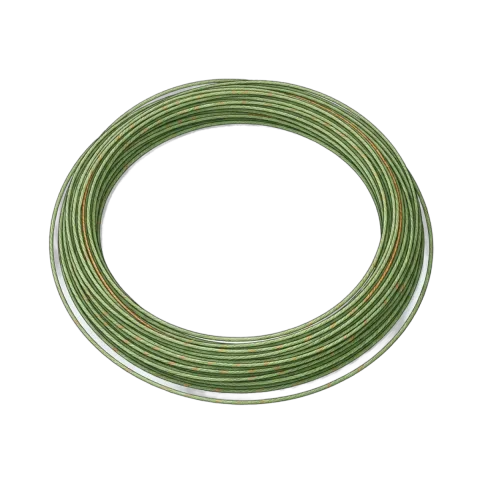
Line
Braided line
Braided fishing line is the thin, no-stretch main for long casts, jigging, and feeling every tick on the retrieve.
Sized for a typical fish
6 kg · 0.1 mm
- Visibility
- High
- Abrasion
- Low
- Stretch
- None
- Sink rate
- Floats

Leader
Fluorocarbon leader
A fluorocarbon leader is the clear, fast-sinking join between a visible main line and the lure or hook.
Sized for a typical fish
7 kg · 0.3 mm · 90 cm
- Visibility
- Very low
- Abrasion
- High
- Stretch
- Low
- Sink rate
- Fast
Jigging
Working vertical lures with an active up-and-down motion.
70% Effectiveness
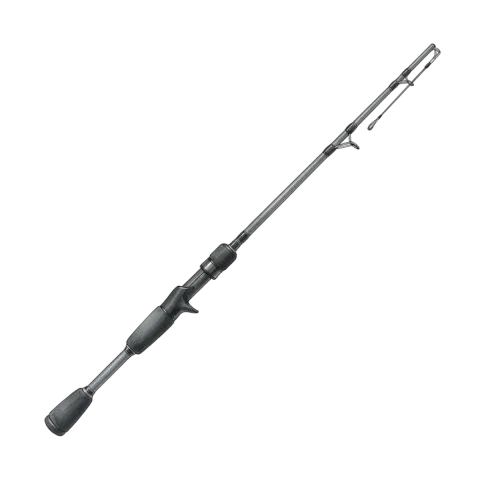
Rod
Jigging rod
A jigging rod is the short, powerful fishing rod for working a metal jig up through the column, including freshwater jigging.
Sized for a typical fish
heavy · 1.52 m
- Reel seat
- Casting
- Form factor
- One-piece
- Action
- Fast
- Grip
- EVA
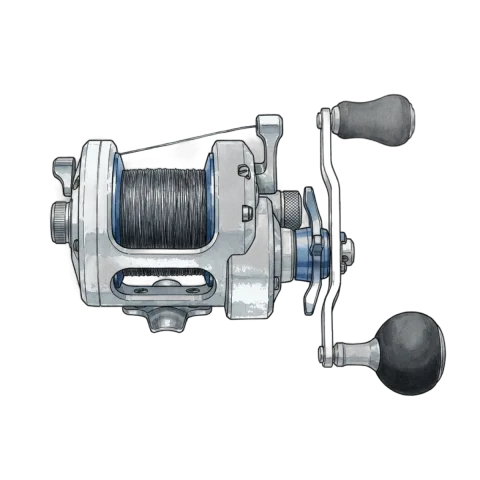
Reel
Jigging reel
A jigging reel is a compact, high-speed conventional for working metal jigs. A short retrieve picks up slack fast.
Sized for a typical fish
10 · 10 kg drag
- Spool
- Revolving
- Mount
- Over
- Drag
- Star
- Retrieve
- Manual
Line
Braided line
Braided fishing line is the thin, no-stretch main for long casts, jigging, and feeling every tick on the retrieve.
Sized for a typical fish
6 kg · 0.1 mm
- Visibility
- High
- Abrasion
- Low
- Stretch
- None
- Sink rate
- Floats
Leader
Fluorocarbon leader
A fluorocarbon leader is the clear, fast-sinking join between a visible main line and the lure or hook.
Sized for a typical fish
7 kg · 0.3 mm · 90 cm
- Visibility
- Very low
- Abrasion
- High
- Stretch
- Low
- Sink rate
- Fast
Best lures and baits for Common dentex
Ranked lures and natural baits from every method, best first.
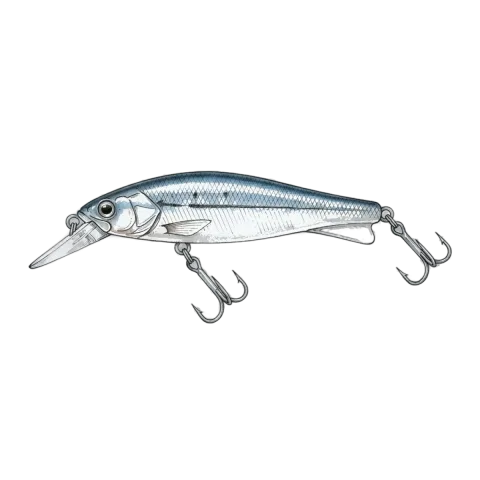
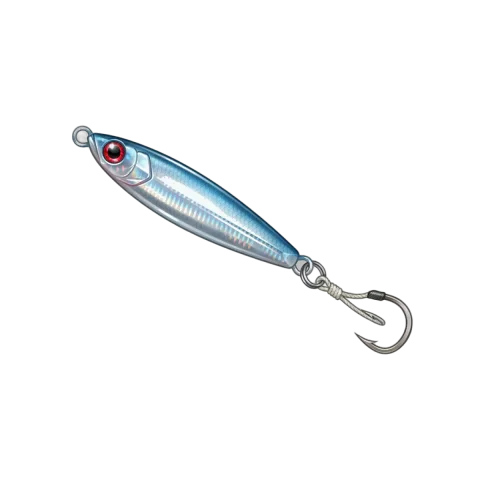
02
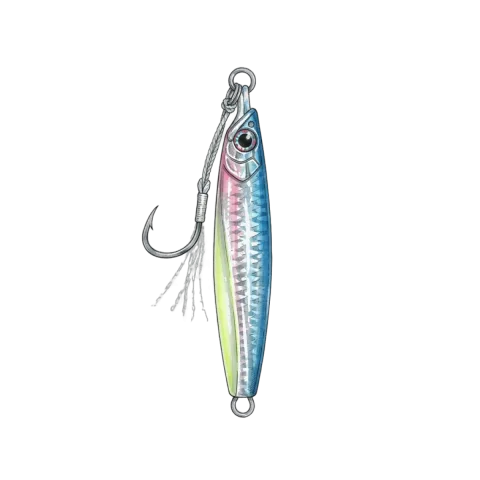
Metal jig
- Spinning
A long metal lure for speed-jigging the deep column.
How Common dentex migrates — Bathymetric
Shifts between shallow and deeper water with the seasons rather than moving along the coast. Change depth before you change venue.
1 Warm months
Shallow water
Feed in shallow water through the warm months.
2 Cold months
Deep water
Drop into deeper water as it cools.
Larger adults often stay deeper all year.
Hover or tap a number to read each stage.
Diet and behavior of Common dentex
-
Diet
Top predator -
Feeds by
Hunts animals -
Hunts
Dawn · Dusk -
Feeds over
Soft bottom · Hard bottom · Seagrass
Prey and predators of Common dentex
Prey is what Common dentex eats. Predators are the animals that eat it.
That is how it feeds, and how it is hunted.
Predators
What hunts it
Fish
Where Common dentex lives
Lives near the bottom but swims in the water just above it. Cover the lower column, not only the mud.
0–200 m · usually 15–50 m

Where this species lives
Common dentex photos for identification
Compare these photos with the catalog plate to identify the species.
Where to fish for Common dentex
Mapped fishing spots where Common dentex is recorded — open a pin for access and methods.


