Line
Braided line
How to fish a braided line for Spinning, Jigging, Trolling, Bottom Fishing, Surfcasting, Eging, Popping, Slow-Pitch Jigging.
Characteristics
-
Visibility
High
-
Abrasion
Low
-
Stretch
None
-
Sink rate
Floats
-
Memory
None
-
Habitats
Freshwater, Saltwater, Brackish
-
Methods
Spinning, Jigging, Trolling, Bottom Fishing, Surfcasting, Eging, Popping, Slow-Pitch Jigging
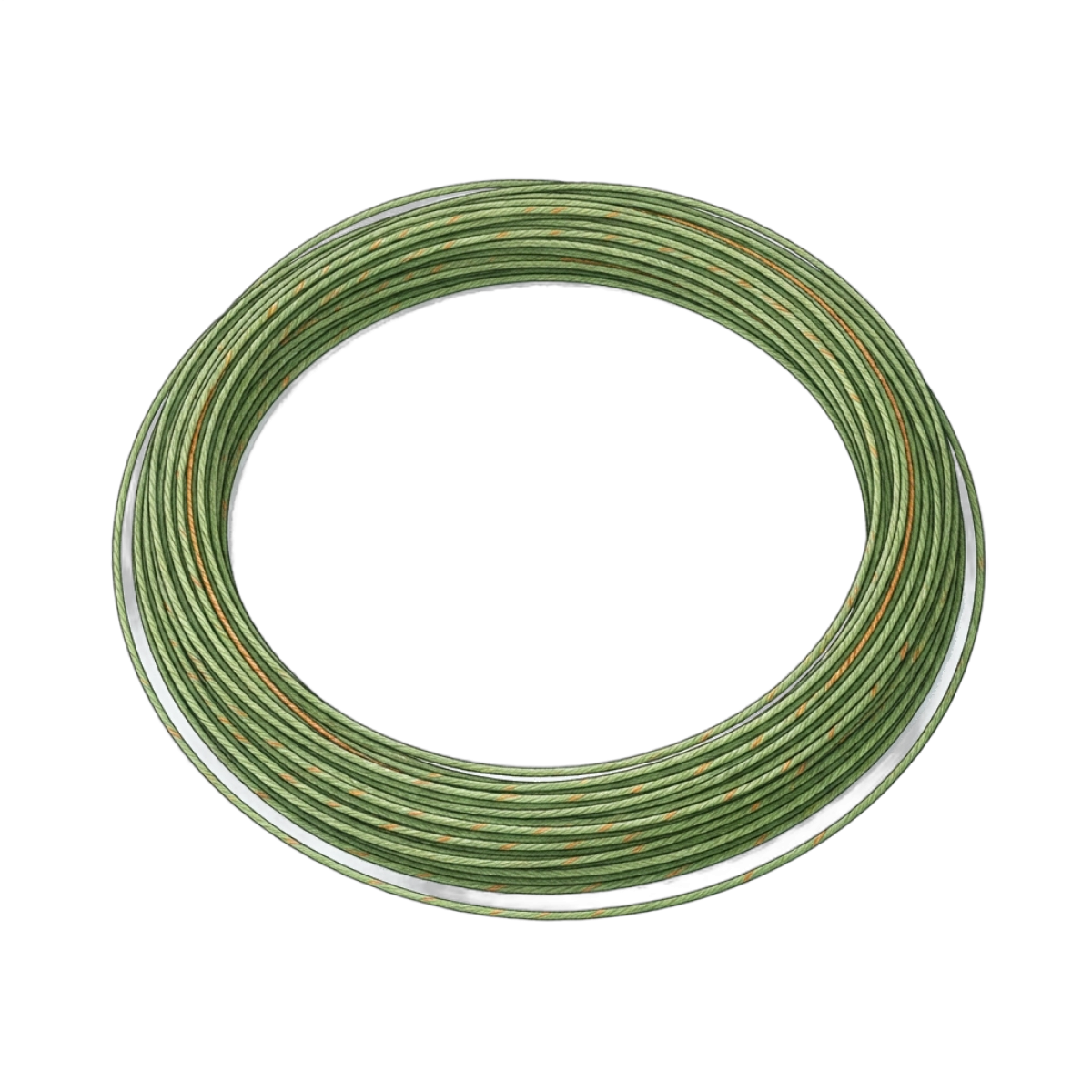
Woven strands
Interlocked polyethylene fibers provide zero stretch and exceptional breaking strength.
Thin diameter
Low profile reduces water resistance and increases reel capacity.
Color tracer
High-visibility markers woven into the line help anglers track movement.
What fish can you catch with a braided line?


What is a braided line used for?
Braided fishing line is the thin, no-stretch main for long casts, jigging, and feeling every tick on the retrieve.
How is a braided line different from similar gear?
It floats, has almost no stretch or memory, and packs high break strength into a small diameter. It shows in the water, so it usually wants a fluorocarbon or mono leader.
When should you use a braided line?
Use it for spinning, jigging, slow pitch jigging, popping, eging, and surfcasting when you need to punch wind or stay in contact with a lure. Do not use it as a bite-off leader.
What problems does a braided line solve?
It turns a small reel into a long cast and tells you the second a lure ticks weed or a fish breathes on the bait.
Braided line size chart
Common sizes and ratings for this part of the kit.
- 0.1 mm 6 kg
- 0.14 mm 9 kg
- 0.18 mm 12 kg
- 0.2 mm 14 kg
- 0.25 mm 20 kg
- 0.3 mm 27 kg
- 0.43 mm 36.3 kg
- 0.46 mm 45.4 kg
- 0.76 mm 90 kg
Braided line guides and comparisons
- Braid to Mono Knots: Double Uni and FG Knot How to join braided main line to a monofilament or fluorocarbon leader. The double uni is the easy, reliable join; the FG knot is the slim, strongest one.
- Braid vs Mono vs Fluorocarbon: Which Fishing Line to Use Braid casts far and feels every touch, mono stretches and forgives, fluorocarbon disappears and resists abrasion. Here is when to use each.
- How to Put Braid on a Spinning Reel (Without Slipping) Braid slips on a bare spool. Use a mono backing or tape, spool it under tension, and fill to just below the lip. Step by step.