How to catch Northern pike
Esox lucius Linnaeus, 1758
About Northern pike fishing
The northern pike is a solitary apex freshwater predator belonging to the family Esocidae, easily recognised by its elongated, torpedo-shaped body, broad duck-bill snout, and sharply toothed jaws. Olive green flanks shading to white on the belly are marked with light bar-like spots, providing effective camouflage in its preferred environment of clear, heavily vegetated lakes, sluggish streams, and quiet river backwaters. Growing up to a maximum length of 137 centimetres and a maximum weight of 28.35 kilograms, this ambush hunter spends long periods motionless among underwater weeds before launching explosive acceleration strikes at passing fish and other aquatic fauna. Spawning occurs in shallow, weed-choked margins during early spring, after which adults disperse into deeper structural zones while maintaining strong territorial habits throughout their lifespan.
-
Difficulty
Medium
-
Average size
40 cm TL
-
Habitat
Freshwater, Brackish
-
Season
Spring, Summer, Autumn
-
Also known as
American pike, Common pike, Great Lakes pike, Great northern pickerel, Great northern pike, Jack

Forked caudal
Forked caudal fin shape typical of pike.
Duckbill snout
Long, flat, duck-bill shaped snout characteristic of the species.
Rear dorsal fin
Dorsal fin located far to the rear near the tail.
Northern pike fishing facts
Characteristics
-
Typical size
40 cm TL (max 137 cm FL ) -
Typical weight
3.5 kg (max 28.4 kg ) -
Depth
1–30 m -
Longevity
30 years -
Body shape
Elongated -
Vulnerability score
73.8
Best hours
-
Peak
Dawn
First light
-
Active
Morning
After sunrise
-
Low
Midday
High sun
-
Active
Afternoon
Late day
-
Peak
Dusk
Last light
-
Low
Night
After dark
When to fish for Northern pike
How to catch Northern pike
Tips for catching Northern pike
Targeting this ambush predator requires presenting baits or lures near submerged weed beds, reed margins, and submerged timber where fish lie in wait for prey. Spinning with large spoons, soft swimbaits, and jerkbaits worked with erratic pauses mimics distressed prey and triggers aggressive reactionary strikes. When water temperatures drop during autumn, trolling deep-diving crankbaits along drop-offs and outer weed lines proves highly effective for locating larger solitary specimens. Anglers using live bait should suspend dead or live fish beneath a sliding float near the bottom structure, ensuring wire traces are employed to withstand the razor-sharp teeth of the species.
Other names for Northern pike
Local and alternate names anglers use for Northern pike.
-
Snake
-
Common pike
-
Pike
-
Pickerel
-
Jack
-
Northern pike
-
Great northern pike
-
Great northern pickerel
-
Great Lakes pike
-
Jackfish
-
Wolf
-
American pike
Best equipment to catch Northern pike
Compare fishing methods for Northern pike — sized kit for each technique.
Note: Typical fish is 3.5 kg Our algorithm will suggest the best equipment for you based on this weight.
Spinning
Casting and retrieving lures with a spinning rod and reel.
95% Effectiveness

Rod
Spinning rod
A spinning rod is a fishing rod built to carry a spinning reel under the blank. You cast lures and light baits with it from shore or a boat.
Sized for a typical fish
medium · 2.13 m
- Reel seat
- Spinning
- Form factor
- Multi-piece
- Action
- Fast
- Grip
- EVA

Reel
Spinning reel
A spinning reel hangs under the fishing rod and is the default reel for casting lures and light baits. Line peels off an open spool with a bail.
Sized for a typical fish
1000 · 3 kg drag · 185 g
- Spool
- Fixed
- Mount
- Under
- Drag
- Front
- Retrieve
- Manual

Line
Braided line
Braided fishing line is the thin, no-stretch main for long casts, jigging, and feeling every tick on the retrieve.
Sized for a typical fish
9 kg · 0.14 mm
- Visibility
- High
- Abrasion
- Low
- Stretch
- None
- Sink rate
- Floats

Leader
Fluorocarbon leader
A fluorocarbon leader is the clear, fast-sinking join between a visible main line and the lure or hook.
Sized for a typical fish
9 kg · 0.35 mm · 100 cm
- Visibility
- Very low
- Abrasion
- High
- Stretch
- Low
- Sink rate
- Fast
Trolling
Drawing lures or baits behind a moving boat.
80% Effectiveness
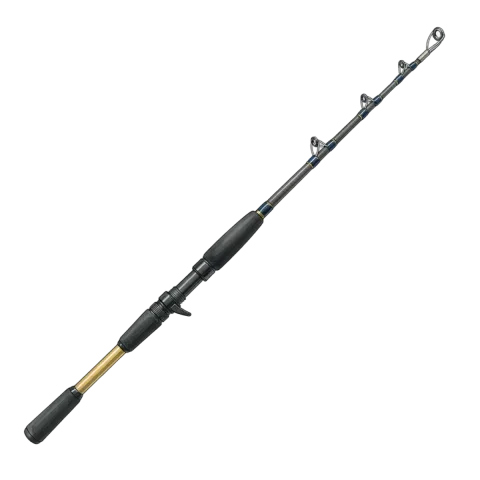
Rod
Trolling rod
A trolling rod is built to sit in a holder and pull a lure or bait at speed. Moderate action so the rod, not the reel, plays the fish.
Sized for a typical fish
medium · 1.83 m
- Reel seat
- Casting
- Form factor
- One-piece
- Action
- Moderate
- Grip
- EVA
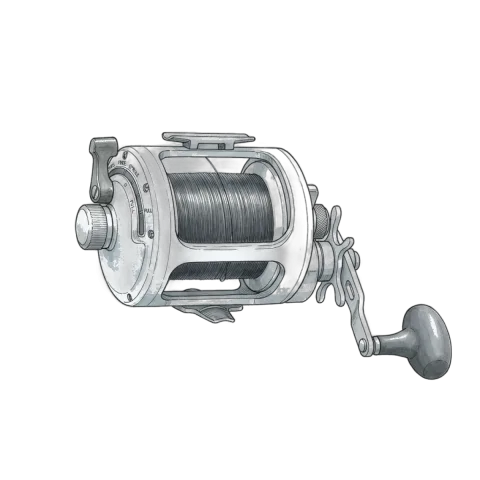
Reel
Trolling reel
A trolling reel is the dedicated lever-drag fishing reel for pulling lures behind a boat, often in a holder all day.
Sized for a typical fish
20 · 15 kg drag
- Spool
- Revolving
- Mount
- Over
- Drag
- Lever
- Retrieve
- Manual
Line
Braided line
Braided fishing line is the thin, no-stretch main for long casts, jigging, and feeling every tick on the retrieve.
Sized for a typical fish
9 kg · 0.14 mm
- Visibility
- High
- Abrasion
- Low
- Stretch
- None
- Sink rate
- Floats
Leader
Fluorocarbon leader
A fluorocarbon leader is the clear, fast-sinking join between a visible main line and the lure or hook.
Sized for a typical fish
9 kg · 0.35 mm · 100 cm
- Visibility
- Very low
- Abrasion
- High
- Stretch
- Low
- Sink rate
- Fast
Fly Fishing
Presenting artificial flies with a fly rod and weighted line.
70% Effectiveness
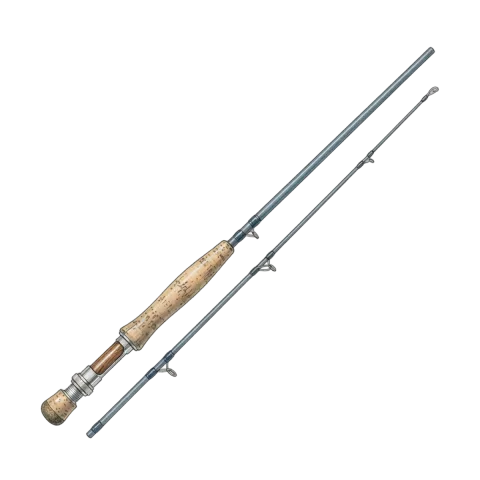
Rod
Fly rod
A fly rod is a fishing rod sized by line weight, with a fly reel seat. The fly line, not a heavy lure, loads the blank.
Sized for a typical fish
2.74 m · 8wt
- Reel seat
- Fly
- Form factor
- Multi-piece
- Action
- Moderate-fast
- Grip
- Cork
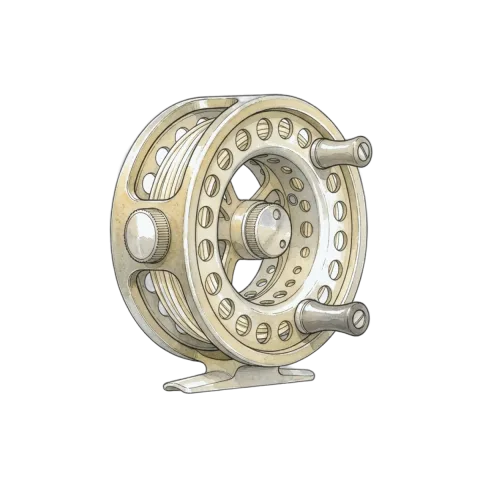
Reel
Fly reel
A fly reel is a large-arbor drum that stores backing and fly line. Drag is a disc; the reel does not cast the fly.
Sized for a typical fish
8 kg drag · 8wt
- Spool
- Drum
- Mount
- Under
- Drag
- Disc
- Retrieve
- Manual
Line
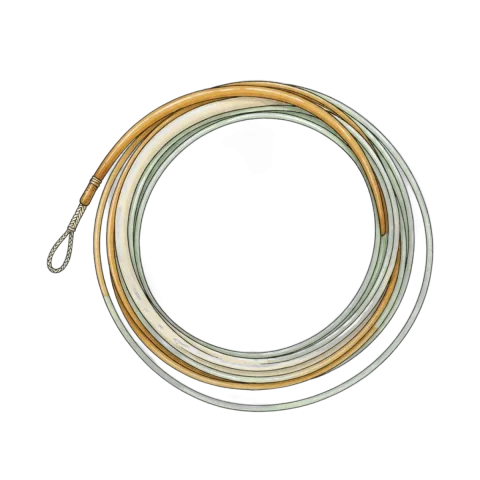
Fly line
Fly line is the weighted shooting line that carries a near-weightless fly. Match it by weight class to the fly rod, not by kilo rating.
Sized for a typical fish
8wt
- Visibility
- Medium
- Abrasion
- Medium
- Stretch
- Low
- Sink rate
- Slow
Leader
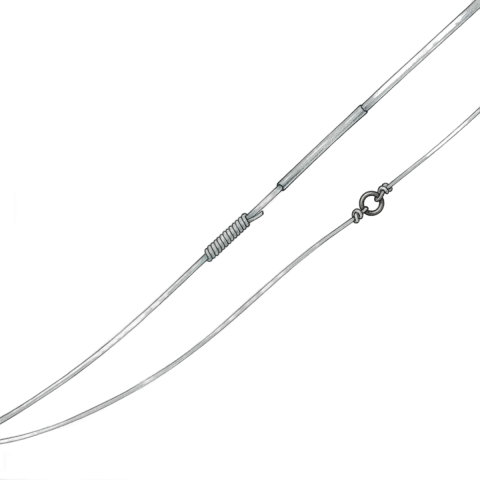
Tippet
Tippet is the fine, replaceable end of a fly leader, sized in X so you can match the fly and the fish.
Sized for a typical fish
6.8 kg · 0.26 mm · 90 cm · 1X
- Visibility
- Medium
- Abrasion
- Medium
- Stretch
- Medium
- Sink rate
- Slow
Best lures and baits for Northern pike
Ranked lures and natural baits from every method, best first.
01
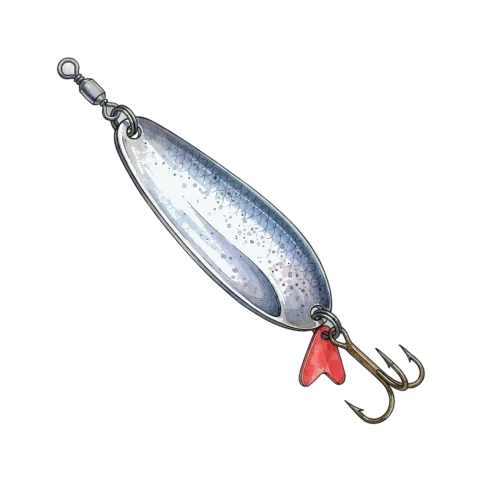
Spoon
- Spinning
- Trolling
A metal flutter bait for spinning, trolling, and ice.
02
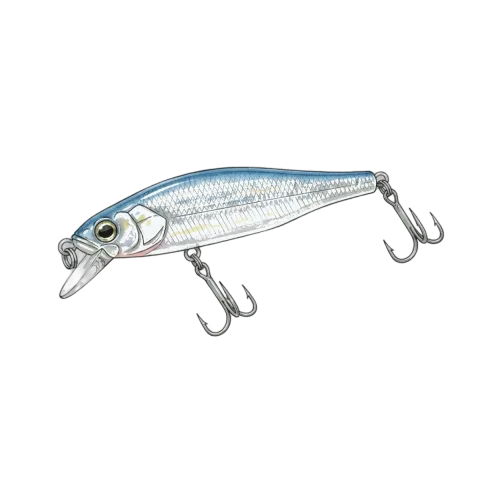
Jerkbait
- Spinning
A long hard bait you twitch and kill in the mid column.
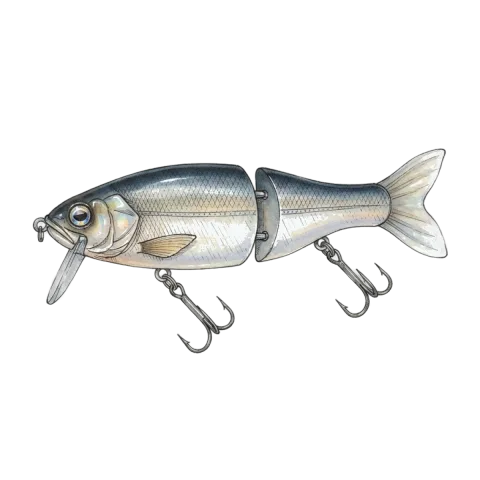
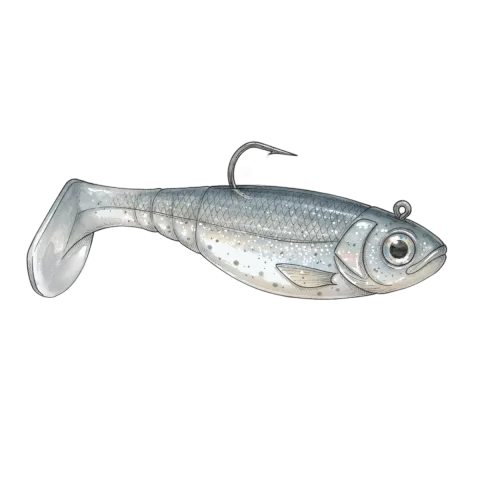
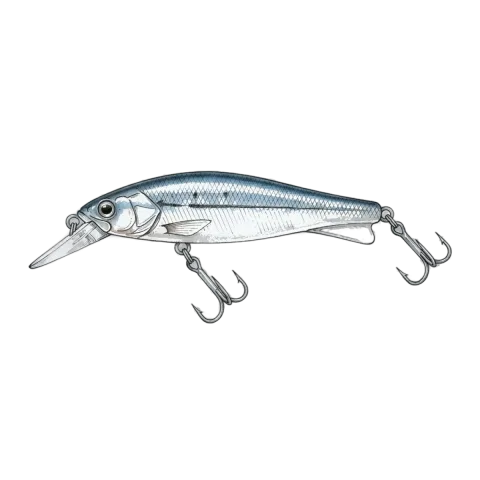
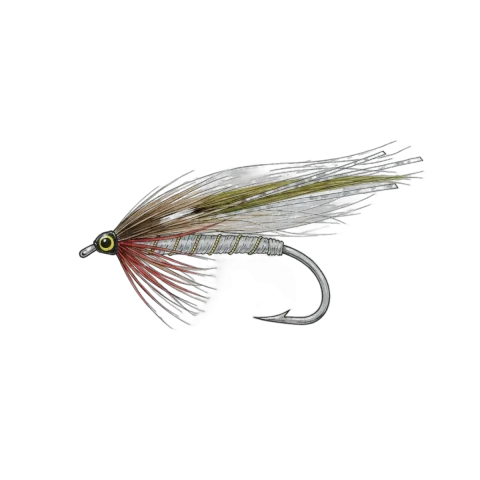
How Northern pike migrates — Potamodromous
Migrates within rivers and lakes only. Fish upstream runs and seasonal lake movements, not saltwater.
1 Eggs
Upstream
Laid on gravel or weed upstream or in flooded shallows.
2 Larvae
→ Main river or lake
Fry drift or swim down to slower water.
3 Adults
Main river or lake
Feed in the main river or lake.
4 Spawners
→ Upstream
Move upstream or into the shallows to spawn.
The whole cycle stays in fresh water.
Hover or tap a number to read each stage.
Diet and behavior of Northern pike
-
Diet
Top predator -
Feeds by
Hunts animals -
Hunts
Dawn · Dusk -
Main prey
Baitfish · Plankton
Prey and predators of Northern pike
Prey is what Northern pike eats. Predators are the animals that eat it.
That is how it feeds, and how it is hunted.
Prey
What it eats
Predators
What hunts it
Where Northern pike lives
Open-water fish in the main water column, away from the bottom.
1–30 m

Where this species lives
Northern pike photos for identification
Compare these photos with the catalog plate to identify the species.
Where to fish for Northern pike
Mapped fishing spots where Northern pike is recorded — open a pin for access and methods.


