How to catch European seabass
Dicentrarchus labrax (Linnaeus, 1758)
About European seabass fishing
The European seabass is a robust marine predator belonging to the family Moronidae, easily recognised by its streamlined fusiform body, silver-grey flanks, and distinctive dark spot on the upper operculum. Growing up to 103 cm in total length and a maximum weight of 12 kg, this species features a terminal mouth, a forked caudal fin, and sharp denticles along its lower preopercular margin. Adults typically inhabit coastal waters down to 100 metres depth, frequently entering brackish estuaries, shallow lagoons, and river mouths during warmer summer months before migrating offshore or into deeper waters during winter. Juveniles form tight schools in shallow littoral zones and feed primarily on invertebrates, whereas adults adopt a more solitary, piscivorous lifestyle hunting small fish, crustaceans, and cephalopods. Highly regarded by recreational anglers across its range, the species is heavily targeted along rocky shores, surf beaches, and tidal currents.
-
Difficulty
Medium
-
Average size
50 cm TL
-
Market value
Very high
-
Habitat
Freshwater, Brackish, Saltwater
-
Season
Spring, Summer, Autumn
-
Also known as
Bass, Capemouth, Common bass, European bass, King of the mullets, Sea perch

Caudal shape
Moderately forked caudal fin helps distinguish seabass from round-tailed species.
Mouth position
Terminal mouth position indicates a predatory pelagic feeding habit.
Opercular spot
A diffuse black spot at the upper angle of the opercle.
European seabass fishing facts
Characteristics
-
Typical size
50 cm TL (max 103 cm TL ) -
Typical weight
2.5 kg (max 12 kg ) -
Preferred temperature
7.3–19.5 °C -
Depth
19–100 m -
Longevity
30 years -
Body shape
Fusiform / Normal -
Commercial?
-
Vulnerability score
66.1
Best hours
-
Active
Dawn
First light
-
Low
Morning
After sunrise
-
Low
Midday
High sun
-
Low
Afternoon
Late day
-
Peak
Dusk
Last light
-
Peak
Night
After dark
When to fish for European seabass
How to catch European seabass
Tips for catching European seabass
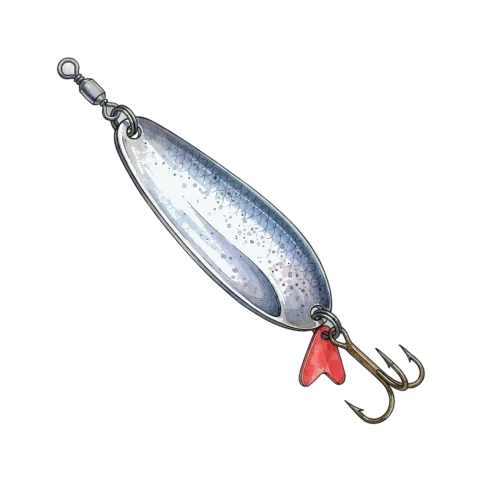
Targeting European seabass successfully requires understanding their reliance on littoral structure and tidal movement. Anglers achieve the best results by focusing on surf beaches, rocky headlands, and estuary mouths during dawn and dusk hours, or through the night for larger specimens exceeding four kilograms. Using spinning gear with slender minnow plugs, surface topwater lures, or metal spoons effectively mimics their natural prey of small schooling fish and sand eels. When bait fishing in rough surf or strong tidal rips, presenting live sand-eel, live prawns, or fresh squid on a running ledger rig close to the sea floor yields consistent catches. Plan your sessions around the rising tide when predatory fish move close into shallow margins to hunt unsuspecting prawns and small fish trapped by the incoming water.
Other names for European seabass
Local and alternate names anglers use for European seabass.
-
Sea bass
-
King of the mullets
-
Sea perch
-
Bass
-
European seabass
-
European bass
-
White salmon
-
Common bass
-
Capemouth
-
Sea dace
-
White mullet
Best equipment to catch European seabass
Compare fishing methods for European seabass — sized kit for each technique.
Note: Typical fish is 2.5 kg Our algorithm will suggest the best equipment for you based on this weight.
Spinning
Casting and retrieving lures with a spinning rod and reel.
95% Effectiveness

Rod
Spinning rod
A spinning rod is a fishing rod built to carry a spinning reel under the blank. You cast lures and light baits with it from shore or a boat.
Sized for a typical fish
medium · 2.13 m
- Reel seat
- Spinning
- Form factor
- Multi-piece
- Action
- Fast
- Grip
- EVA

Reel
Spinning reel
A spinning reel hangs under the fishing rod and is the default reel for casting lures and light baits. Line peels off an open spool with a bail.
Sized for a typical fish
1000 · 3 kg drag · 185 g
- Spool
- Fixed
- Mount
- Under
- Drag
- Front
- Retrieve
- Manual
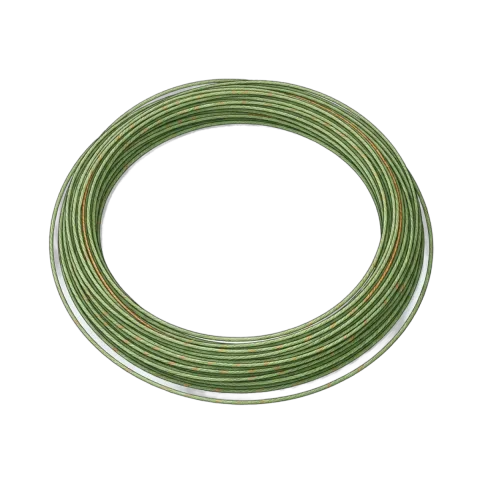
Line
Braided line
Braided fishing line is the thin, no-stretch main for long casts, jigging, and feeling every tick on the retrieve.
Sized for a typical fish
6 kg · 0.1 mm
- Visibility
- High
- Abrasion
- Low
- Stretch
- None
- Sink rate
- Floats

Leader
Fluorocarbon leader
A fluorocarbon leader is the clear, fast-sinking join between a visible main line and the lure or hook.
Sized for a typical fish
7 kg · 0.3 mm · 90 cm
- Visibility
- Very low
- Abrasion
- High
- Stretch
- Low
- Sink rate
- Fast
Best lures and baits for European seabass
Ranked lures and natural baits from every method, best first.
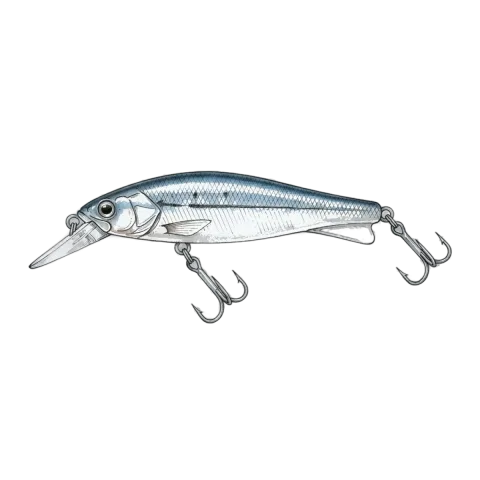
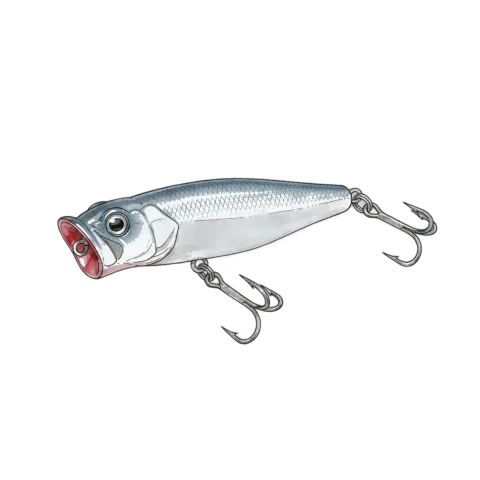
02
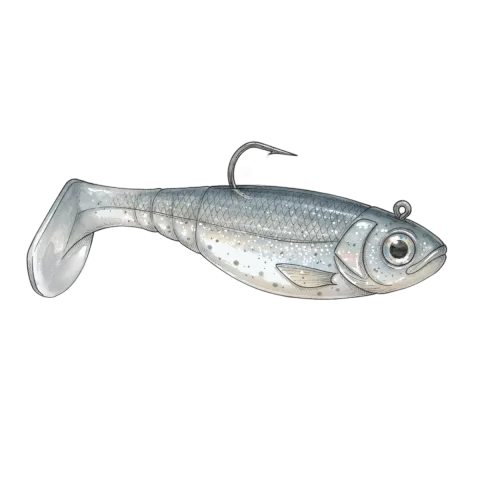
Topwater plug
- Spinning
A floating plug that pops and gurgles on the surface.
How European seabass migrates — Catadromous
Grows in fresh or brackish water and migrates to the sea to spawn. Estuaries and lower rivers fire when adults drop downstream.
1 Eggs
Sea
Spawned out at sea.
2 Larvae
→ Estuary
Drift with the currents towards the coast.
3 Juveniles
→ Fresh water
Enter estuaries, and many move on into fresh water.
4 Adults
Fresh water
Feed and grow in rivers, lakes and estuaries, often for years.
5 Spawners
→ Sea
Head downstream and out to sea to spawn.
Many only reach estuaries and the lower river; eels travel far inland.
Hover or tap a number to read each stage.
Diet and behavior of European seabass
-
Diet
Carnivore -
Feeds by
Hunts animals -
Hunts
Dusk · Night -
Feeds over
Soft bottom · Hard bottom · Intertidal -
Main prey
Baitfish · Plankton · Bottom prey
Prey and predators of European seabass
Prey is what European seabass eats. Predators are the animals that eat it.
That is how it feeds, and how it is hunted.
Prey
What it eats
Predators
What hunts it
Where European seabass lives
Lives on or just above the bottom. Work jigs, bait, and lures along the seabed.
19–100 m

River mouth
Where this species lives
European seabass photos for identification
Compare these photos with the catalog plate to identify the species.
Where to fish for European seabass
Mapped fishing spots where European seabass is recorded — open a pin for access and methods.


