How to catch European barracuda
Sphyraena sphyraena (Linnaeus, 1758)
About European barracuda fishing
The European barracuda is an elongated predatory ray-finned fish belonging to the family Sphyraenidae, easily distinguished by its long compressed body, large terminal mouth with a pronounced underbite, and sharp fang-like teeth. It features a dark grey-brown back, silvery flanks, and faint vertical bands along the upper sides. Growing up to 165 centimetres in total length, this pelagic neritic hunter inhabits coastal and offshore marine waters from the surface down to 100 metres depth. It is a highly social species that forms small to large schools, feeding primarily on smaller finfish, cephalopods, and crustaceans. Spawning takes place during the warmer summer months in coastal areas, making it a prominent and exciting target for light tackle marine game anglers across the Mediterranean basin and warmer Atlantic waters.
-
Difficulty
Medium
-
Average size
60 cm SL
-
Market value
Medium
-
Habitat
Saltwater
-
Season
Spring, Summer, Autumn
-
Also known as
Barracuda, Mediterranean barracuda, Striped barracuda

Elongate Jaws
Long pointed lower jaw with prominent teeth marks it as a predatory barracuda.
Two Dorsal Fins
Two separate dorsal fins spaced apart distinguish this from single-finned species.
Lateral Stripe
Faint yellowish horizontal stripe running along the silvery flank helps identify the species.
European barracuda fishing facts
Characteristics
-
Typical size
60 cm SL (max 165 cm TL ) -
Typical weight
0.5 kg (max 3.6 kg ) -
Preferred temperature
14.3–21.9 °C -
Depth
0–100 m -
Longevity
8 years -
Body shape
Elongated -
Commercial?
-
Vulnerability score
48.6
Best hours
-
Peak
Dawn
First light
-
Active
Morning
After sunrise
-
Low
Midday
High sun
-
Low
Afternoon
Late day
-
Peak
Dusk
Last light
-
Active
Night
After dark
When to fish for European barracuda
How to catch European barracuda
Tips for catching European barracuda
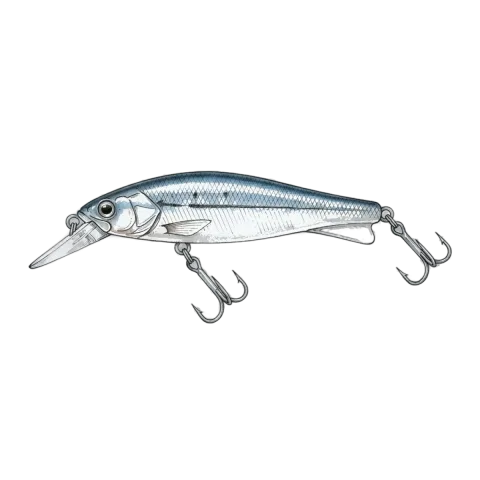
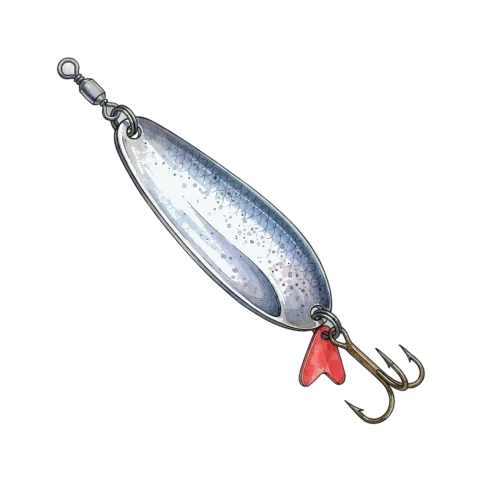
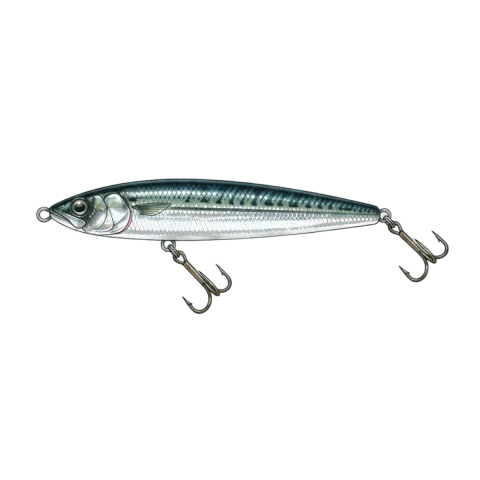
Targeting this sharp-toothed pelagic predator requires presenting sleek minnow plugs, metal spoons, or live baitfish high in the water column around rocky points, harbours, and offshore structures. Spinning with fast retrieves using slender artificial lures or working surface stickbaits during early morning and late evening low-light periods yields explosive strikes. Because these fish possess razor-sharp teeth, attaching a sturdy wire trace or heavy fluorocarbon leader to your mainline is essential to prevent bite-offs during aggressive runs. Boat anglers find success by trolling small diving plugs or live baits at moderate speeds across coastal drop-offs and current lines where hunting schools patrol.
Other names for European barracuda
Local and alternate names anglers use for European barracuda.
-
European barracuda
-
Striped barracuda
-
Mediterranean barracuda
-
Barracuda
Best equipment to catch European barracuda
Compare fishing methods for European barracuda — sized kit for each technique.
Note: Typical fish is 0.5 kg Our algorithm will suggest the best equipment for you based on this weight.
Spinning
Casting and retrieving lures with a spinning rod and reel.
85% Effectiveness

Rod
Spinning rod
A spinning rod is a fishing rod built to carry a spinning reel under the blank. You cast lures and light baits with it from shore or a boat.
Sized for a typical fish
light · 2.1 m
- Reel seat
- Spinning
- Form factor
- Multi-piece
- Action
- Fast
- Grip
- EVA

Reel
Spinning reel
A spinning reel hangs under the fishing rod and is the default reel for casting lures and light baits. Line peels off an open spool with a bail.
Sized for a typical fish
1000 · 3 kg drag · 185 g
- Spool
- Fixed
- Mount
- Under
- Drag
- Front
- Retrieve
- Manual

Line
Braided line
Braided fishing line is the thin, no-stretch main for long casts, jigging, and feeling every tick on the retrieve.
Sized for a typical fish
6 kg · 0.1 mm
- Visibility
- High
- Abrasion
- Low
- Stretch
- None
- Sink rate
- Floats

Leader
Fluorocarbon leader
A fluorocarbon leader is the clear, fast-sinking join between a visible main line and the lure or hook.
Sized for a typical fish
7 kg · 0.3 mm · 90 cm
- Visibility
- Very low
- Abrasion
- High
- Stretch
- Low
- Sink rate
- Fast
Best lures and baits for European barracuda
Ranked lures and natural baits from every method, best first.
How European barracuda migrates — Inshore–offshore
Shifts between shallow inshore water and deeper offshore grounds with the season.
1 Warm months
Inshore
Stay close inshore through the warm months.
2 Cold months
Offshore
Move offshore into deeper water as it cools.
Hover or tap a number to read each stage.
Diet and behavior of European barracuda
-
Diet
Top predator -
Feeds by
Hunts animals -
Hunts
Dawn · Dusk -
Feeds over
Intertidal
Prey and predators of European barracuda
Prey is what European barracuda eats. Predators are the animals that eat it.
That is how it feeds, and how it is hunted.
Prey
What it eats
Other prey
Predators
What hunts it
Fish
Where European barracuda lives
Pelagic over the continental shelf — coastal open water, not the deep ocean.
0–100 m

Where this species lives
European barracuda photos for identification
Compare these photos with the catalog plate to identify the species.
Where to fish for European barracuda
Mapped fishing spots where European barracuda is recorded — open a pin for access and methods.


