How to catch Ohrid trout
Salmo letnica (Karaman, 1924)
About Ohrid trout fishing
The Ohrid trout is a distinctive salmonid fish endemic to the deep, cold pelagic waters of Lake Ohrid and its surrounding basin. It features a streamlined fusiform body with a silvery finish, marked by numerous black spots across the upper flanks and distinct spots on the tail fin. Growing to substantial sizes, this benthopelagic predator feeds primarily on zooplankton during early life before transitioning to small fish in the open water column. It spawns during the winter months in specific littoral zones and remains a high-value species prized for its unique evolutionary history and limited natural distribution.
-
Difficulty
Medium
-
Average size
50 cm
-
Market value
Very high
-
Habitat
Freshwater
-
Season
Spring, Summer, Autumn
-
Also known as
Pestani trout, Salmon

Adipose fin
Small fleshy fin between dorsal and tail marks it as a salmonid.
Black spots
Numerous black spots densely cover the upper body and head.
Truncate caudal fin
Broadly truncate caudal fin typical of this trout species.
Ohrid trout fishing facts
Characteristics
-
Typical size
50 cm (max 76 cm TL ) -
Typical weight
1 kg (max 6.5 kg ) -
Body shape
Fusiform / Normal -
Commercial?
-
Vulnerability score
63.9
Best hours
-
Peak
Dawn
First light
-
Active
Morning
After sunrise
-
Low
Midday
High sun
-
Low
Afternoon
Late day
-
Peak
Dusk
Last light
-
Active
Night
After dark
When to fish for Ohrid trout
How to catch Ohrid trout
Tips for catching Ohrid trout
Anglers targeting this deep-water lacustrine trout achieve the best results by trolling slow presentations or casting metallic lures along rocky drop-offs and pelagic boundaries. Morning and late afternoon hours offer prime conditions when fish move higher in the water column to hunt small schooling prey. Because stocks are tightly managed and sensitive to fishing pressure, using light gear with fine fluorocarbon leaders helps secure hookups in clear, oligotrophic waters. Respecting seasonal closures is essential to protect spawning populations during their winter runs.
Other names for Ohrid trout
Local and alternate names anglers use for Ohrid trout.
-
Salmon
-
Ohrid trout
-
Pestani trout
Best equipment to catch Ohrid trout
Compare fishing methods for Ohrid trout — sized kit for each technique.
Note: Typical fish is 1 kg Our algorithm will suggest the best equipment for you based on this weight.
Trolling
Drawing lures or baits behind a moving boat.
80% Effectiveness
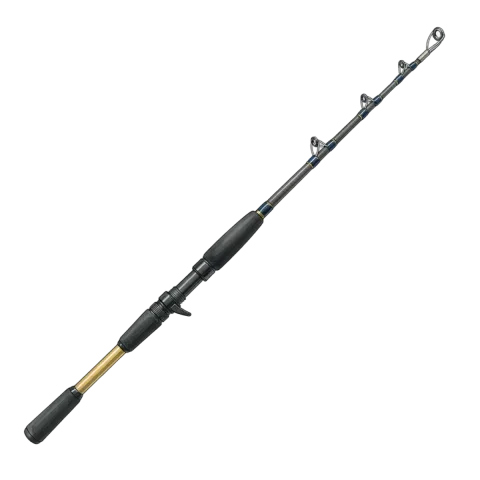
Rod
Trolling rod
A trolling rod is built to sit in a holder and pull a lure or bait at speed. Moderate action so the rod, not the reel, plays the fish.
Sized for a typical fish
medium · 1.83 m
- Reel seat
- Casting
- Form factor
- One-piece
- Action
- Moderate
- Grip
- EVA
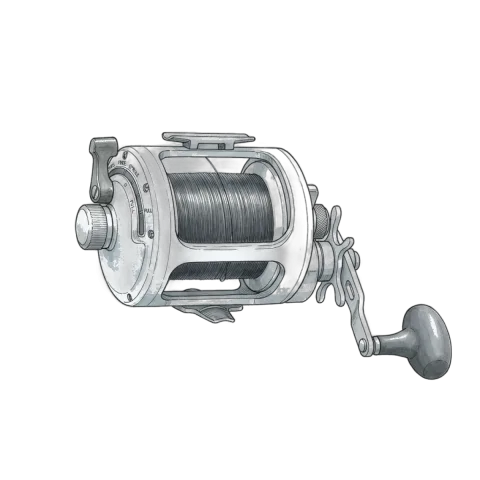
Reel
Trolling reel
A trolling reel is the dedicated lever-drag fishing reel for pulling lures behind a boat, often in a holder all day.
Sized for a typical fish
20 · 15 kg drag
- Spool
- Revolving
- Mount
- Over
- Drag
- Lever
- Retrieve
- Manual

Line
Braided line
Braided fishing line is the thin, no-stretch main for long casts, jigging, and feeling every tick on the retrieve.
Sized for a typical fish
6 kg · 0.1 mm
- Visibility
- High
- Abrasion
- Low
- Stretch
- None
- Sink rate
- Floats

Leader
Fluorocarbon leader
A fluorocarbon leader is the clear, fast-sinking join between a visible main line and the lure or hook.
Sized for a typical fish
7 kg · 0.3 mm · 90 cm
- Visibility
- Very low
- Abrasion
- High
- Stretch
- Low
- Sink rate
- Fast
Spinning
Casting and retrieving lures with a spinning rod and reel.
60% Effectiveness

Rod
Spinning rod
A spinning rod is a fishing rod built to carry a spinning reel under the blank. You cast lures and light baits with it from shore or a boat.
Sized for a typical fish
light · 2.1 m
- Reel seat
- Spinning
- Form factor
- Multi-piece
- Action
- Fast
- Grip
- EVA

Reel
Spinning reel
A spinning reel hangs under the fishing rod and is the default reel for casting lures and light baits. Line peels off an open spool with a bail.
Sized for a typical fish
1000 · 3 kg drag · 185 g
- Spool
- Fixed
- Mount
- Under
- Drag
- Front
- Retrieve
- Manual
Line
Braided line
Braided fishing line is the thin, no-stretch main for long casts, jigging, and feeling every tick on the retrieve.
Sized for a typical fish
6 kg · 0.1 mm
- Visibility
- High
- Abrasion
- Low
- Stretch
- None
- Sink rate
- Floats
Leader
Fluorocarbon leader
A fluorocarbon leader is the clear, fast-sinking join between a visible main line and the lure or hook.
Sized for a typical fish
7 kg · 0.3 mm · 90 cm
- Visibility
- Very low
- Abrasion
- High
- Stretch
- Low
- Sink rate
- Fast
Best lures and baits for Ohrid trout
Ranked lures and natural baits from every method, best first.
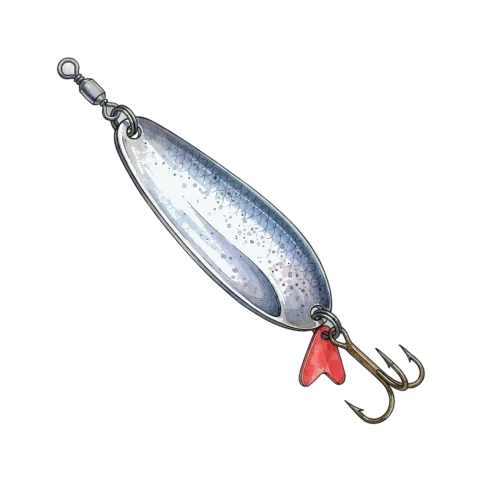
01
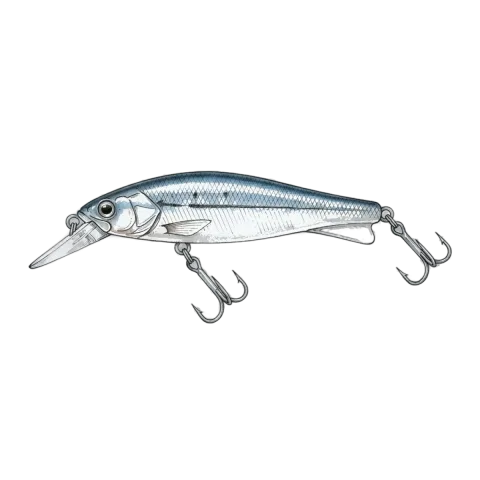
Spoon
- Trolling
- Spinning
A metal flutter bait for spinning, trolling, and ice.
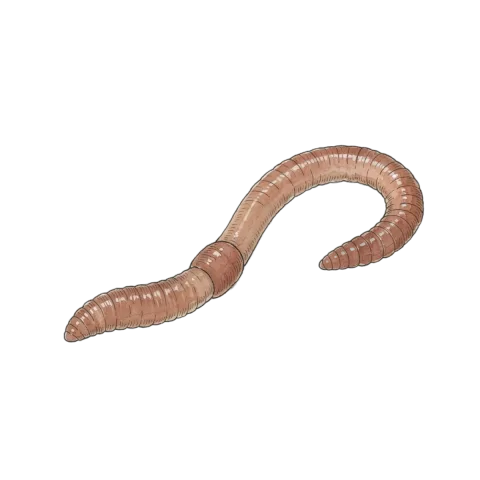
02
Live baitfish
- Trolling
Elongated segmented worm body provides natural movement to attract fish.
Where Ohrid trout spends the year — Non-migratory
Stays in the same waters year-round. Look for it on the same grounds rather than timing a run.
1 Eggs
Same water all year
Laid on the home grounds.
2 Juveniles
Same water all year
Grow up close by.
3 Adults
Same water all year
Keep to a small home range.
4 Spawners
Same water all year
Spawn on the same grounds, with only short moves.
Hover or tap a number to read each stage.
Diet and behavior of Ohrid trout
-
Diet
Top predator -
Feeds by
Hunts animals -
Hunts
Dawn · Dusk -
Main prey
Baitfish
Prey and predators of Ohrid trout
Prey is what Ohrid trout eats. Predators are the animals that eat it.
That is how it feeds, and how it is hunted.
Prey
What it eats
Baitfish
Where Ohrid trout lives
Lives near the bottom but swims in the water just above it. Cover the lower column, not only the mud.

Where this species lives
Ohrid trout photos for identification
Compare these photos with the catalog plate to identify the species.