How to catch Pati
Luciopimelodus pati (Valenciennes, 1835)
About Pati fishing
The pati is a large elongated freshwater catfish belonging to the Pimelodidae family, originating from major South American river basins including the Río de la Plata. It features a streamlined body with long whiskers and typically inhabits deep, turbid waters characterized by moderate currents. As a carnivorous species, it feeds primarily on small fish and aquatic organisms. It is a powerful migratory swimmer known for reaching substantial proportions, making it a notable target for specialized anglers seeking strong river fighters.
-
Difficulty
Medium
-
Average size
60 cm
-
Habitat
Freshwater
-
Season
Spring, Summer, Autumn, Winter
-
Also known as
Catfish

Long Barbels
Long maxillary barbels extending below the head are typical of large pimelodid catfishes.
Spotted Body
Numerous small dark spots scattered across the upper body and fins help identify this catfish.
Adipose Fin
Long fleshy adipose fin located on the back before the tail.
Pati fishing facts
Characteristics
-
Typical size
60 cm (max 103 cm TL ) -
Typical weight
2.5 kg (max 10.2 kg ) -
Longevity
25 years -
Body shape
Elongated -
Vulnerability score
55.5
Best hours
-
Active
Dawn
First light
-
Low
Morning
After sunrise
-
Low
Midday
High sun
-
Low
Afternoon
Late day
-
Active
Dusk
Last light
-
Peak
Night
After dark
When to fish for Pati
How to catch Pati
Tips for catching Pati
To target large specimens successfully, anglers should focus on deep river channels, main basin drops, and turbulent stretches where moderate currents push food items near the bottom. Heavy bottom-fishing setups equipped with robust lines and sliding sinkers are essential to hold position against strong flows. Presentation relies heavily on offering natural baits such as small live fish or large chunks of fish flesh presented directly on the substrate. Fishing during low-light periods, particularly through dusk and into the night, significantly increases the chances of encountering active hunting individuals.
Other names for Pati
Local and alternate names anglers use for Pati.
-
Pati
-
Catfish
Best equipment to catch Pati
Compare fishing methods for Pati — sized kit for each technique.
Note: Typical fish is 2.5 kg Our algorithm will suggest the best equipment for you based on this weight.
Bottom Fishing
Presenting bait or rigs on or near the lake or sea floor.
95% Effectiveness

Rod
Spinning rod
A spinning rod is a fishing rod built to carry a spinning reel under the blank. You cast lures and light baits with it from shore or a boat.
Sized for a typical fish
medium · 2.13 m
- Reel seat
- Spinning
- Form factor
- Multi-piece
- Action
- Fast
- Grip
- EVA

Reel
Spinning reel
A spinning reel hangs under the fishing rod and is the default reel for casting lures and light baits. Line peels off an open spool with a bail.
Sized for a typical fish
1000 · 3 kg drag · 185 g
- Spool
- Fixed
- Mount
- Under
- Drag
- Front
- Retrieve
- Manual

Line
Monofilament line
Monofilament fishing line is the everyday main line: easy to knot, cheap to replace, and stretchy enough to forgive a hard strike.
Sized for a typical fish
7.5 kg · 0.3 mm
- Visibility
- Medium
- Abrasion
- Medium
- Stretch
- High
- Sink rate
- Slow

Leader
Fluorocarbon leader
A fluorocarbon leader is the clear, fast-sinking join between a visible main line and the lure or hook.
Sized for a typical fish
9 kg · 0.35 mm · 100 cm
- Visibility
- Very low
- Abrasion
- High
- Stretch
- Low
- Sink rate
- Fast

Hook
Circle hook
A circle hook turns in the mouth and usually finds the corner of the jaw. You do not strike hard — you come tight. It includes freshwater.
Sized for a typical fish
2
- Points
- 1
- Offset
- No
- Barbed
- Yes
- Gap
- Standard
Best lures and baits for Pati
Ranked lures and natural baits from every method, best first.
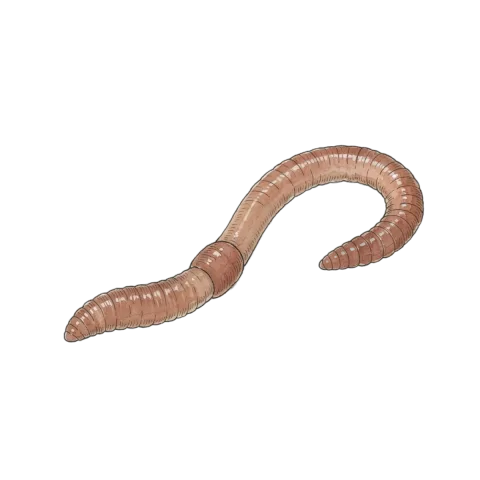
01
Live baitfish
- Bottom Fishing
Elongated segmented worm body provides natural movement to attract fish.
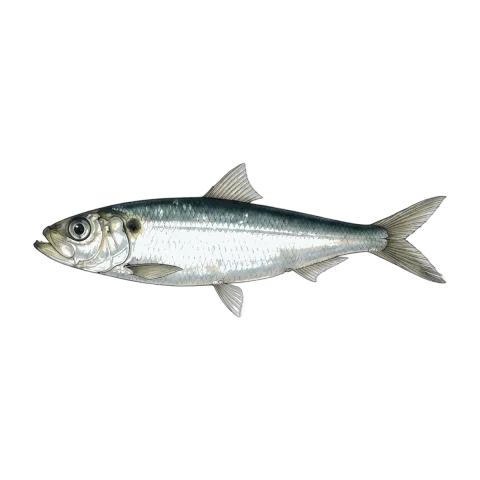
02
Sardine
- Bottom Fishing
Elongated silvery baitfish body releases strong scent trails.
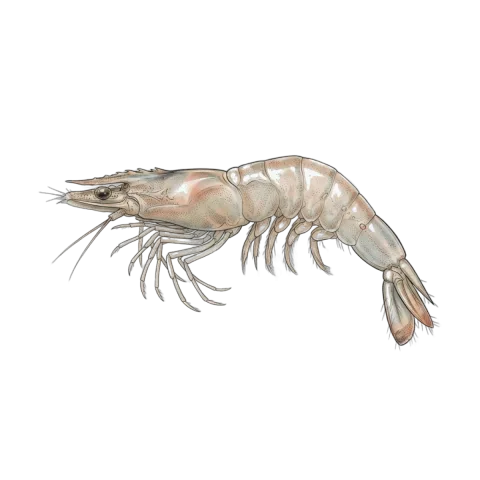
03
Shrimp
- Bottom Fishing
Translucent segmented carapace protects the body.
How Pati migrates — Potamodromous
Migrates within rivers and lakes only. Fish upstream runs and seasonal lake movements, not saltwater.
1 Eggs
Upstream
Laid on gravel or weed upstream or in flooded shallows.
2 Larvae
→ Main river or lake
Fry drift or swim down to slower water.
3 Adults
Main river or lake
Feed in the main river or lake.
4 Spawners
→ Upstream
Move upstream or into the shallows to spawn.
The whole cycle stays in fresh water.
Hover or tap a number to read each stage.
Diet and behavior of Pati
-
Diet
Carnivore -
Hunts
Night -
Main prey
Baitfish
Prey and predators of Pati
Prey is what Pati eats. Predators are the animals that eat it.
That is how it feeds, and how it is hunted.
Prey
What it eats
Where Pati lives
Lives on or just above the bottom. Work jigs, bait, and lures along the seabed.

Where this species lives
Pati photos for identification
Compare these photos with the catalog plate to identify the species.