How to catch Rock hind
Epinephelus adscensionis (Osbeck, 1765)
About Rock hind fishing
The rock hind is a robust member of the sea bass and grouper family characterized by a stout, torpedo-shaped body covered in distinctive reddish spots and markings. Growing up to sixty-five centimetres in total length and weighing several kilograms, this demersal predator inhabits rocky reefs and coral zones across tropical and subtropical waters, ranging from shallow coastal rockpools down to depths of one hundred and twenty metres. As a solitary hunter, it feeds primarily on crabs and small fish, utilizing structural cover to ambush passing prey. Its exceptional culinary quality and hard-fighting nature make it a sought-after target for recreational anglers exploring rough bottom terrain.
-
Difficulty
Medium
-
Average size
35 cm TL
-
Market value
Very high
-
Habitat
Saltwater
-
Season
Spring, Summer, Autumn
-
Also known as
Butterfish, Deady, Graysby, Grouper, Hind, Jack

Red spots
Numerous reddish-brown spots cover the entire body and fins.
Truncate caudal fin
The tail fin is nearly truncate with slightly rounded corners.
White blotches
Distinct pale white blotches along the upper back help identify it.
Rock hind fishing facts
Characteristics
-
Typical size
35 cm TL (max 65 cm TL ) -
Typical weight
0.8 kg (max 4.5 kg ) -
Preferred temperature
24.2–28.1 °C -
Depth
1–120 m -
Longevity
25 years -
Body shape
Fusiform / Normal -
Commercial?
-
Vulnerability score
62.8
Best hours
-
Peak
Dawn
First light
-
Active
Morning
After sunrise
-
Low
Midday
High sun
-
Low
Afternoon
Late day
-
Peak
Dusk
Last light
-
Low
Night
After dark
When to fish for Rock hind
How to catch Rock hind
Tips for catching Rock hind
Targeting rock hind requires presenting baits or lures directly over complex bottom structures such as rocky reefs, ledges, and irregular drop-offs where these solitary predators lurk. Because their diet consists heavily of crabs and bottom-dwelling fish, presentation must be kept tight to the seabed to draw a reaction. Bottom fishing with natural baits or working vertical jigs near the substrate yields the best results. Approach rocky areas with caution, as these fish can be easily spooked in shallow zones, and be prepared for strong initial runs towards shelter once hooked.
Other names for Rock hind
Local and alternate names anglers use for Rock hind.
-
Deady
-
Rock hind
-
Hind
-
Grouper
-
Graysby
-
Jack
-
Rock cod
-
Rock grouper
-
Rockhind
-
Butterfish
Best equipment to catch Rock hind
Compare fishing methods for Rock hind — sized kit for each technique.
Note: Typical fish is 0.8 kg Our algorithm will suggest the best equipment for you based on this weight.
Jigging
Working vertical lures with an active up-and-down motion.
80% Effectiveness
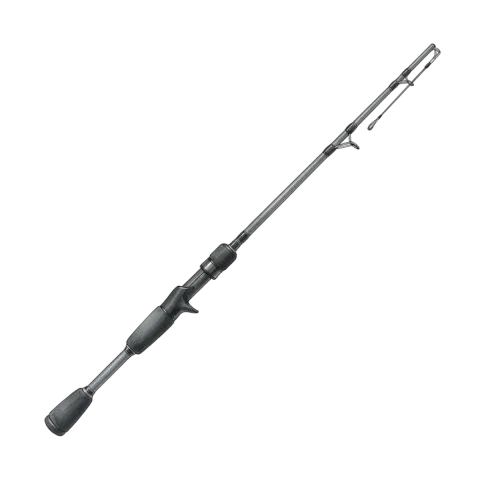
Rod
Jigging rod
A jigging rod is the short, powerful fishing rod for working a metal jig up through the column, including freshwater jigging.
Sized for a typical fish
heavy · 1.52 m
- Reel seat
- Casting
- Form factor
- One-piece
- Action
- Fast
- Grip
- EVA
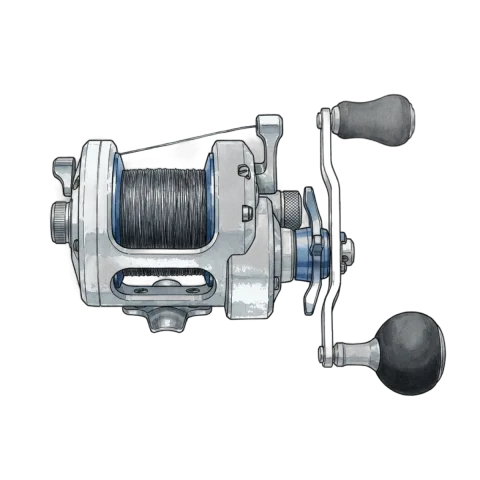
Reel
Jigging reel
A jigging reel is a compact, high-speed conventional for working metal jigs. A short retrieve picks up slack fast.
Sized for a typical fish
10 · 10 kg drag
- Spool
- Revolving
- Mount
- Over
- Drag
- Star
- Retrieve
- Manual

Line
Braided line
Braided fishing line is the thin, no-stretch main for long casts, jigging, and feeling every tick on the retrieve.
Sized for a typical fish
6 kg · 0.1 mm
- Visibility
- High
- Abrasion
- Low
- Stretch
- None
- Sink rate
- Floats

Leader
Fluorocarbon leader
A fluorocarbon leader is the clear, fast-sinking join between a visible main line and the lure or hook.
Sized for a typical fish
7 kg · 0.3 mm · 90 cm
- Visibility
- Very low
- Abrasion
- High
- Stretch
- Low
- Sink rate
- Fast
Best lures and baits for Rock hind
Ranked lures and natural baits from every method, best first.
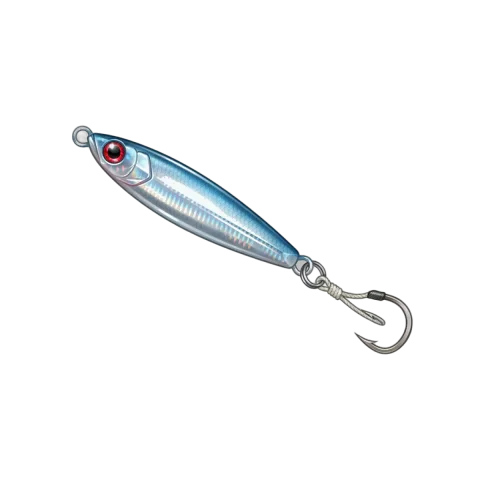
01
Metal jig
- Jigging
A long metal lure for speed-jigging the deep column.
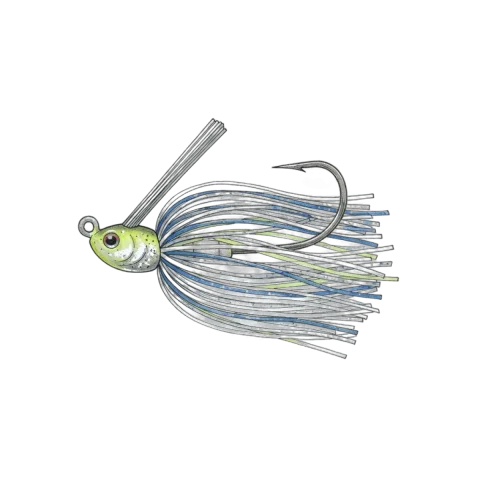
02
Casting jig
- Jigging
A casting jig you hop, drag, and swim on the bottom.
Where Rock hind spends the year — Non-migratory
Stays in the same waters year-round. Look for it on the same grounds rather than timing a run.
1 Eggs
Same water all year
Laid on the home grounds.
2 Juveniles
Same water all year
Grow up close by.
3 Adults
Same water all year
Keep to a small home range.
4 Spawners
Same water all year
Spawn on the same grounds, with only short moves.
Hover or tap a number to read each stage.
Diet and behavior of Rock hind
-
Diet
Carnivore -
Feeds by
Hunts animals -
Hunts
Dawn · Dusk -
Feeds over
Coral reefs -
Social
Solitary -
Main prey
Baitfish
Prey and predators of Rock hind
Prey is what Rock hind eats. Predators are the animals that eat it.
That is how it feeds, and how it is hunted.
Prey
What it eats
Baitfish
Where Rock hind lives
Lives on or just above the bottom. Work jigs, bait, and lures along the seabed.
1–120 m

Where this species lives
Rock hind photos for identification
Compare these photos with the catalog plate to identify the species.
Where to fish for Rock hind
Mapped fishing spots where Rock hind is recorded — open a pin for access and methods.


