How to catch Salmo ohridanus
Salmo ohridanus Steindachner, 1892
About Salmo ohridanus fishing
Salmo ohridanus is a small freshwater salmonid fish belonging to the family Salmonidae, characterised by a fusiform body shape, a blunt snout, and a plain yellowish silvery appearance sometimes marked with small pinkish dots. Endemic to deep lakes, this species typically inhabits pelagic and benthic zones down to considerable depths, moving towards coastal regions during the colder months. It forms schools and feeds primarily on zooplankton, benthic invertebrates, and small fish larvae. Subject to heavy commercial exploitation and threatened by hybridisation, it remains an important game fish within its native range.
-
Difficulty
Medium
-
Average size
25 cm
-
Market value
Very high
-
Habitat
Freshwater
-
Season
Spring, Summer, Autumn, Winter

Adipose fin
Small fleshy fin located between dorsal and caudal fins confirms salmonid identity.
X-shaped pinkish dots
Distinctive small x-shaped markings scatter across the upper flanks.
Salmo ohridanus fishing facts
Characteristics
-
Typical size
25 cm (max 33.6 cm SL ) -
Typical weight
0.2 kg (max 0.7 kg ) -
Depth
50–60 m -
Longevity
12 years -
Body shape
Fusiform / Normal -
Commercial?
-
Vulnerability score
45.7
Best hours
-
Peak
Dawn
First light
-
Peak
Morning
After sunrise
-
Low
Midday
High sun
-
Low
Afternoon
Late day
-
Active
Dusk
Last light
-
Active
Night
After dark
When to fish for Salmo ohridanus
How to catch Salmo ohridanus
Tips for catching Salmo ohridanus
Anglers targeting this endemic salmonid generally achieve success during the winter months when the fish migrate towards shallower coastal shelves or concentrate at moderate depths. Bottom presentation rigs and light spinning setups using small metal spoons or soft plastics work well to imitate its natural zooplankton and invertebrate prey. Early morning hours and overcast days offer the most productive windows for presentation. Locating schools near drop-offs and maintaining precise depth control are key factors for consistent catches.
Best equipment to catch Salmo ohridanus
Compare fishing methods for Salmo ohridanus — sized kit for each technique.
Note: Typical fish is 0.2 kg Our algorithm will suggest the best equipment for you based on this weight.
Spinning
Casting and retrieving lures with a spinning rod and reel.
85% Effectiveness

Rod
Spinning rod
A spinning rod is a fishing rod built to carry a spinning reel under the blank. You cast lures and light baits with it from shore or a boat.
Sized for a typical fish
ultralight · 1.8 m
- Reel seat
- Spinning
- Form factor
- Multi-piece
- Action
- Fast
- Grip
- EVA

Reel
Spinning reel
A spinning reel hangs under the fishing rod and is the default reel for casting lures and light baits. Line peels off an open spool with a bail.
Sized for a typical fish
1000 · 3 kg drag · 185 g
- Spool
- Fixed
- Mount
- Under
- Drag
- Front
- Retrieve
- Manual

Line
Braided line
Braided fishing line is the thin, no-stretch main for long casts, jigging, and feeling every tick on the retrieve.
Sized for a typical fish
6 kg · 0.1 mm
- Visibility
- High
- Abrasion
- Low
- Stretch
- None
- Sink rate
- Floats

Leader
Fluorocarbon leader
A fluorocarbon leader is the clear, fast-sinking join between a visible main line and the lure or hook.
Sized for a typical fish
7 kg · 0.3 mm · 90 cm
- Visibility
- Very low
- Abrasion
- High
- Stretch
- Low
- Sink rate
- Fast
Fly Fishing
Presenting artificial flies with a fly rod and weighted line.
80% Effectiveness
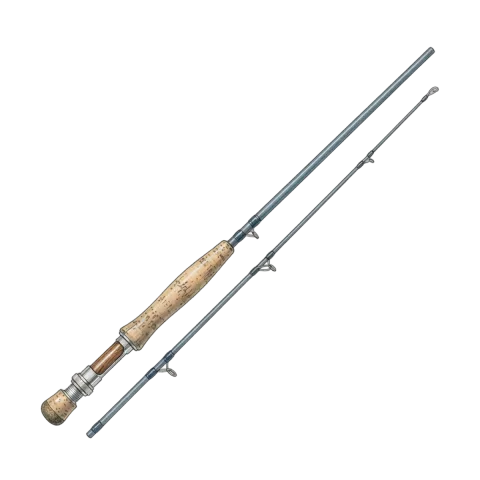
Rod
Fly rod
A fly rod is a fishing rod sized by line weight, with a fly reel seat. The fly line, not a heavy lure, loads the blank.
Sized for a typical fish
2.44 m · 3wt
- Reel seat
- Fly
- Form factor
- Multi-piece
- Action
- Moderate-fast
- Grip
- Cork
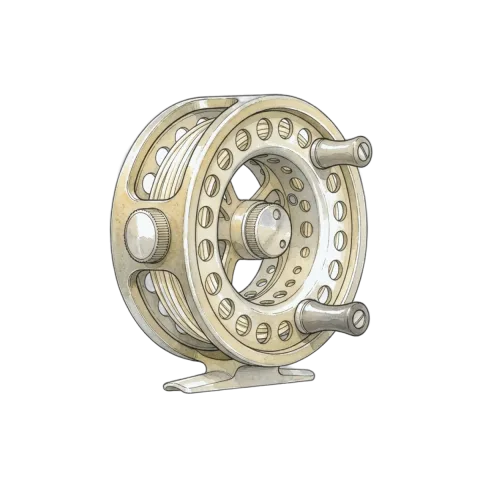
Reel
Fly reel
A fly reel is a large-arbor drum that stores backing and fly line. Drag is a disc; the reel does not cast the fly.
Sized for a typical fish
2 kg drag · 3wt
- Spool
- Drum
- Mount
- Under
- Drag
- Disc
- Retrieve
- Manual
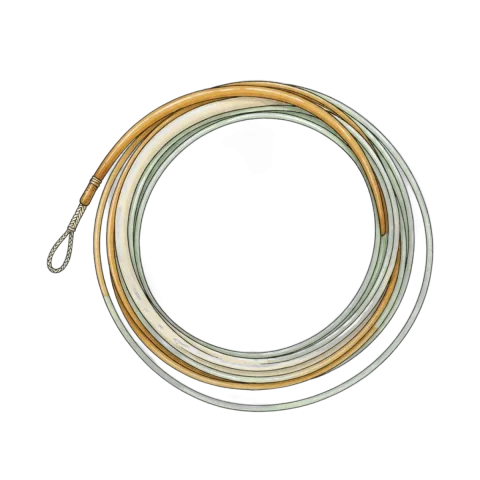
Line
Fly line
Fly line is the weighted shooting line that carries a near-weightless fly. Match it by weight class to the fly rod, not by kilo rating.
Sized for a typical fish
3wt
- Visibility
- Medium
- Abrasion
- Medium
- Stretch
- Low
- Sink rate
- Slow
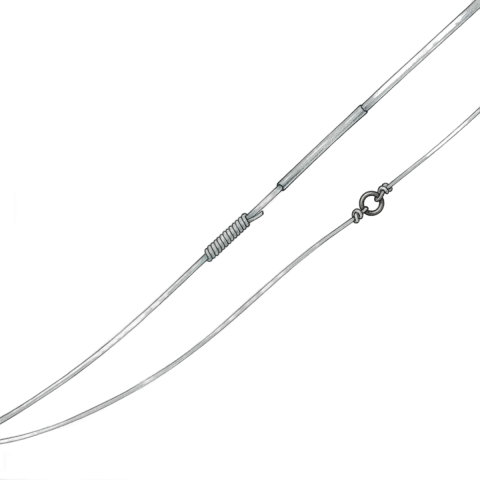
Leader
Tippet
Tippet is the fine, replaceable end of a fly leader, sized in X so you can match the fly and the fish.
Sized for a typical fish
1.6 kg · 0.13 mm · 75 cm · 6X
- Visibility
- Medium
- Abrasion
- Medium
- Stretch
- Medium
- Sink rate
- Slow
Trolling
Drawing lures or baits behind a moving boat.
75% Effectiveness
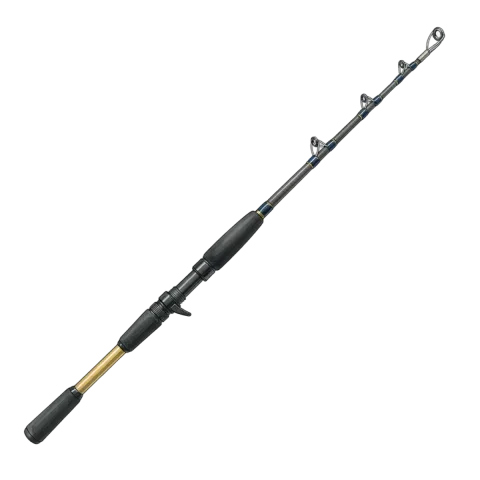
Rod
Trolling rod
A trolling rod is built to sit in a holder and pull a lure or bait at speed. Moderate action so the rod, not the reel, plays the fish.
Sized for a typical fish
medium · 1.83 m
- Reel seat
- Casting
- Form factor
- One-piece
- Action
- Moderate
- Grip
- EVA
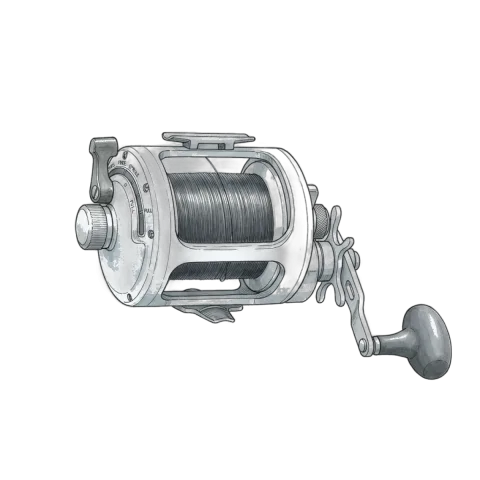
Reel
Trolling reel
A trolling reel is the dedicated lever-drag fishing reel for pulling lures behind a boat, often in a holder all day.
Sized for a typical fish
20 · 15 kg drag
- Spool
- Revolving
- Mount
- Over
- Drag
- Lever
- Retrieve
- Manual
Line
Braided line
Braided fishing line is the thin, no-stretch main for long casts, jigging, and feeling every tick on the retrieve.
Sized for a typical fish
6 kg · 0.1 mm
- Visibility
- High
- Abrasion
- Low
- Stretch
- None
- Sink rate
- Floats
Leader
Fluorocarbon leader
A fluorocarbon leader is the clear, fast-sinking join between a visible main line and the lure or hook.
Sized for a typical fish
7 kg · 0.3 mm · 90 cm
- Visibility
- Very low
- Abrasion
- High
- Stretch
- Low
- Sink rate
- Fast
Best lures and baits for Salmo ohridanus
Ranked lures and natural baits from every method, best first.
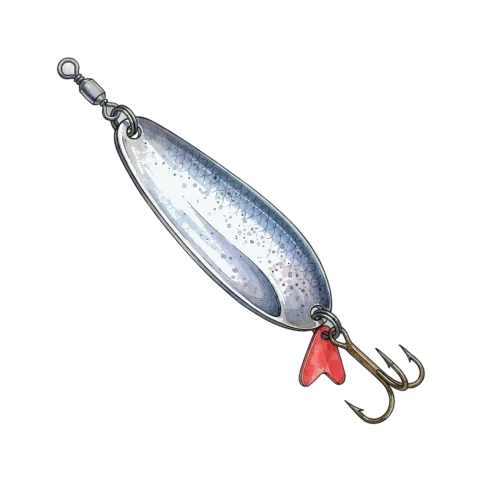
01
Spoon
- Spinning
- Trolling
A metal flutter bait for spinning, trolling, and ice.
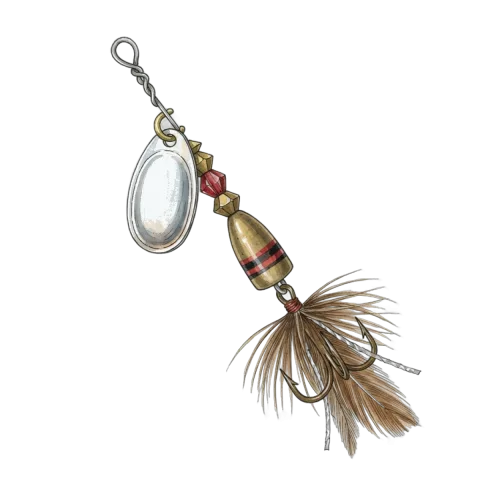
02
Inline spinner
- Spinning
An inline spinner with a blade that flashes on a straight retrieve.
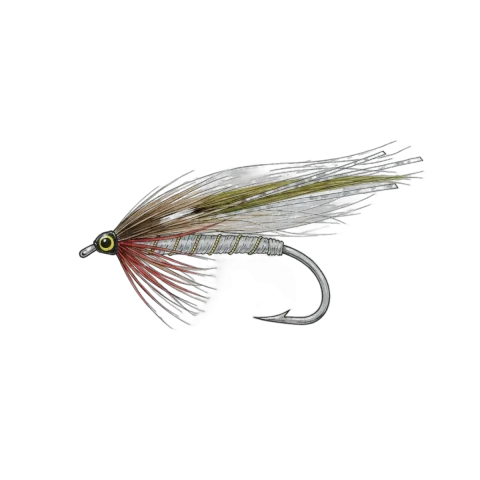
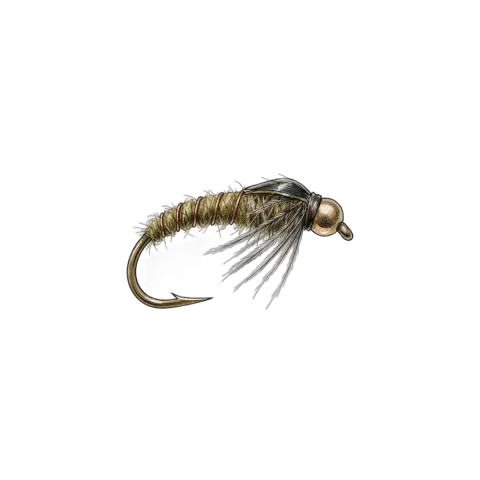
Where Salmo ohridanus spends the year — Non-migratory
Stays in the same waters year-round. Look for it on the same grounds rather than timing a run.
1 Eggs
Same water all year
Laid on the home grounds.
2 Juveniles
Same water all year
Grow up close by.
3 Adults
Same water all year
Keep to a small home range.
4 Spawners
Same water all year
Spawn on the same grounds, with only short moves.
Hover or tap a number to read each stage.
Diet and behavior of Salmo ohridanus
-
Diet
Carnivore -
Feeds by
Hunts animals -
Hunts
Dawn · Morning
Where Salmo ohridanus lives
Lives on or just above the bottom. Work jigs, bait, and lures along the seabed.
50–60 m

Where this species lives