How to catch Salmon
Salmo macedonicus (Karaman, 1924)
About Salmon fishing
The Macedonian trout is a freshwater fish belonging to the salmon family, featuring a streamlined fusiform body marked by distinctive ocellated wine red spots on the flanks and opercles. Native to swift upper river basins in the Balkan region, it thrives in high energy environments with rapids and cold, oxygenated water flows. This benthopelagic predator feeds primarily on aquatic macroinvertebrates and drift organisms found in fast flowing streams. While reaching modest proportions, it is valued by local anglers for its spirited fight and striking appearance in clear mountain headwaters.
-
Difficulty
Medium
-
Average size
25 cm
-
Market value
Very high
-
Habitat
Freshwater
-
Season
Spring, Summer, Autumn
-
Also known as
Macedonian trout

Ocellated flank spots
Large wine-red spots with pale halos along the flanks identify the species.
Truncate caudal fin
The squarish, truncate tail fin shape distinguishes it from forked-tail salmonids.
Dorsal spots
Weak wine-red spots and dark markings are visible on the dorsal fin.
Salmon fishing facts
Characteristics
-
Typical size
25 cm (max 40 cm SL ) -
Typical weight
0.2 kg (max 0.8 kg ) -
Body shape
Fusiform / Normal -
Commercial?
-
Vulnerability score
50
Best hours
-
Peak
Dawn
First light
-
Active
Morning
After sunrise
-
Low
Midday
High sun
-
Active
Afternoon
Late day
-
Peak
Dusk
Last light
-
Low
Night
After dark
When to fish for Salmon
How to catch Salmon
Tips for catching Salmon
Target this resident river salmonid by working fast pocket water, plunge pools, and turbulent runs where swift currents deliver food items directly to holding fish. Presentation requires a stealthy approach using lightweight upstream casts with weighted nymphs or small dry flies that mimic local aquatic insect hatches. When spinning, small silver or copper spoons and micro spinners flicked across current seams trigger aggressive strikes from fish holding behind boulders. Early morning and late afternoon hours provide the most reliable sport during the milder spring and autumn months.
Other names for Salmon
Local and alternate names anglers use for Salmon.
-
Salmon
-
Macedonian trout
Best equipment to catch Salmon
Compare fishing methods for Salmon — sized kit for each technique.
Note: Typical fish is 0.2 kg Our algorithm will suggest the best equipment for you based on this weight.
Fly Fishing
Presenting artificial flies with a fly rod and weighted line.
90% Effectiveness
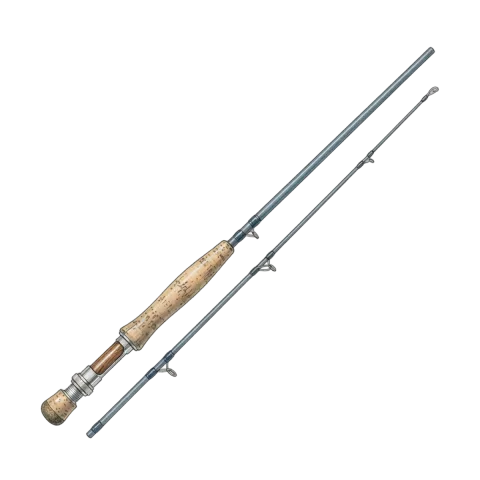
Rod
Fly rod
A fly rod is a fishing rod sized by line weight, with a fly reel seat. The fly line, not a heavy lure, loads the blank.
Sized for a typical fish
2.44 m · 3wt
- Reel seat
- Fly
- Form factor
- Multi-piece
- Action
- Moderate-fast
- Grip
- Cork
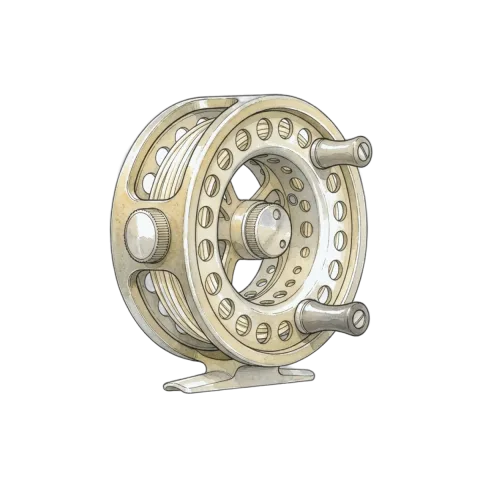
Reel
Fly reel
A fly reel is a large-arbor drum that stores backing and fly line. Drag is a disc; the reel does not cast the fly.
Sized for a typical fish
2 kg drag · 3wt
- Spool
- Drum
- Mount
- Under
- Drag
- Disc
- Retrieve
- Manual
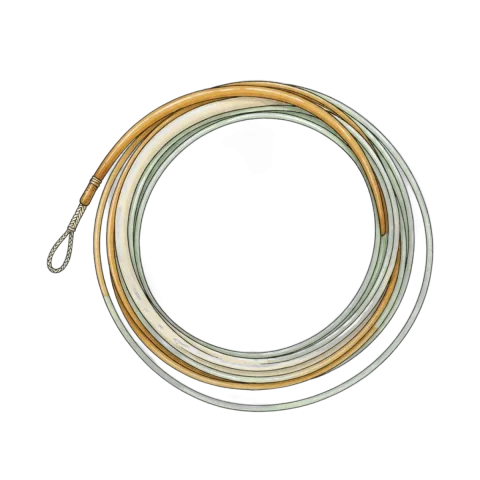
Line
Fly line
Fly line is the weighted shooting line that carries a near-weightless fly. Match it by weight class to the fly rod, not by kilo rating.
Sized for a typical fish
3wt
- Visibility
- Medium
- Abrasion
- Medium
- Stretch
- Low
- Sink rate
- Slow
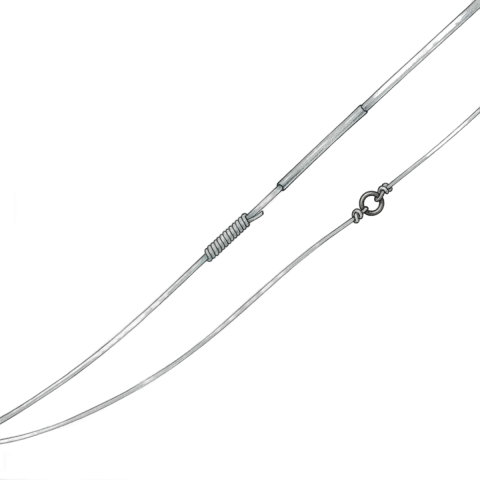
Leader
Tippet
Tippet is the fine, replaceable end of a fly leader, sized in X so you can match the fly and the fish.
Sized for a typical fish
1.6 kg · 0.13 mm · 75 cm · 6X
- Visibility
- Medium
- Abrasion
- Medium
- Stretch
- Medium
- Sink rate
- Slow
Spinning
Casting and retrieving lures with a spinning rod and reel.
75% Effectiveness

Rod
Spinning rod
A spinning rod is a fishing rod built to carry a spinning reel under the blank. You cast lures and light baits with it from shore or a boat.
Sized for a typical fish
ultralight · 1.8 m
- Reel seat
- Spinning
- Form factor
- Multi-piece
- Action
- Fast
- Grip
- EVA

Reel
Spinning reel
A spinning reel hangs under the fishing rod and is the default reel for casting lures and light baits. Line peels off an open spool with a bail.
Sized for a typical fish
1000 · 3 kg drag · 185 g
- Spool
- Fixed
- Mount
- Under
- Drag
- Front
- Retrieve
- Manual

Line
Braided line
Braided fishing line is the thin, no-stretch main for long casts, jigging, and feeling every tick on the retrieve.
Sized for a typical fish
6 kg · 0.1 mm
- Visibility
- High
- Abrasion
- Low
- Stretch
- None
- Sink rate
- Floats

Leader
Fluorocarbon leader
A fluorocarbon leader is the clear, fast-sinking join between a visible main line and the lure or hook.
Sized for a typical fish
7 kg · 0.3 mm · 90 cm
- Visibility
- Very low
- Abrasion
- High
- Stretch
- Low
- Sink rate
- Fast
Best lures and baits for Salmon
Ranked lures and natural baits from every method, best first.
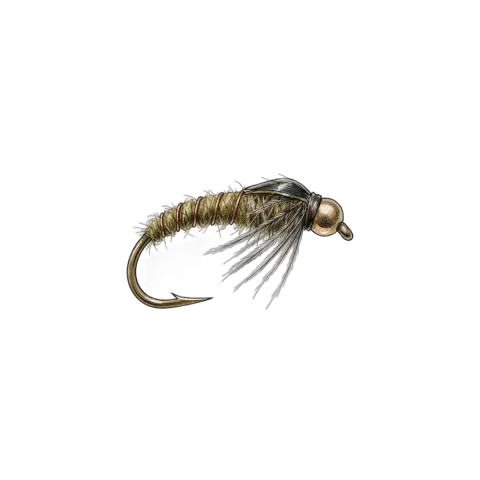
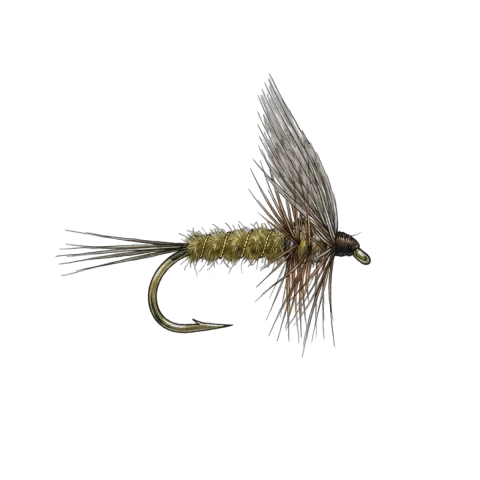
02
Dry fly
- Fly Fishing
A floating fly fished on the surface during a hatch.
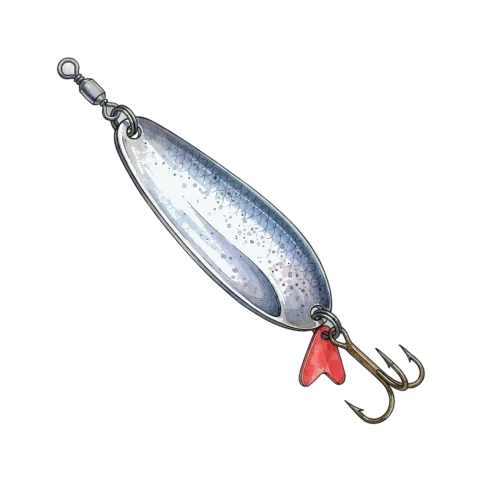
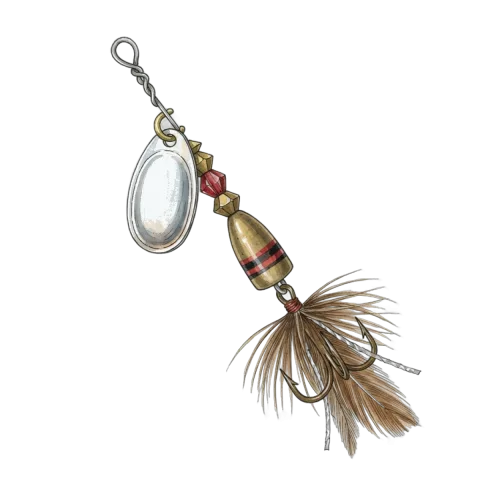
04
Inline spinner
- Spinning
An inline spinner with a blade that flashes on a straight retrieve.
Where Salmon spends the year — Non-migratory
Stays in the same waters year-round. Look for it on the same grounds rather than timing a run.
1 Eggs
Same water all year
Laid on the home grounds.
2 Juveniles
Same water all year
Grow up close by.
3 Adults
Same water all year
Keep to a small home range.
4 Spawners
Same water all year
Spawn on the same grounds, with only short moves.
Hover or tap a number to read each stage.
Diet and behavior of Salmon
-
Diet
Carnivore -
Hunts
Dawn · Dusk
Where Salmon lives
Lives near the bottom but swims in the water just above it. Cover the lower column, not only the mud.

Where this species lives
Salmon photos for identification
Compare these photos with the catalog plate to identify the species.