How to catch Southern sennet
Sphyraena picudilla Poey, 1860
About Southern sennet fishing
The southern sennet is a slender, ocean-going predator belonging to the barracuda family Sphyraenidae. It features an elongated, pike-like body shape with a protruding lower jaw filled with sharp, fang-like teeth, and grows up to sixty-one centimetres in length. This tropical marine species inhabits coastal waters down to sixty-five metres deep, showing a strong preference for muddy bottoms, coral reefs, and shallow seagrass beds where juveniles typically shelter. Often forming large schools near the surface, it hunts actively for small fish and macrofauna. Sport anglers prize it as a feisty game fish encountered in shallow inshore areas.
-
Difficulty
Medium
-
Average size
36 cm TL
-
Market value
Medium
-
Habitat
Saltwater
-
Season
Spring, Summer, Autumn
-
Also known as
Barracuda, Little barracuda, Sennet, Small barracuda, Snook

Forked caudal shape
Deeply forked tail fin helps identify this barracuda species.
Pointed snout
Elongated, pointed lower jaw with prominent teeth.
Southern sennet fishing facts
Characteristics
-
Typical size
36 cm TL (max 61 cm FL ) -
Typical weight
0.2 kg (max 1.1 kg ) -
Preferred temperature
22.7–28 °C -
Depth
1–65 m -
Body shape
Elongated -
Commercial?
-
Vulnerability score
48
Best hours
-
Peak
Dawn
First light
-
Active
Morning
After sunrise
-
Low
Midday
High sun
-
Low
Afternoon
Late day
-
Peak
Dusk
Last light
-
Low
Night
After dark
When to fish for Southern sennet
How to catch Southern sennet
Tips for catching Southern sennet
To target this aggressive schooling predator, anglers achieve the best results using light spinning gear and boat trolling along shallow coastal shelves and muddy drop-offs. Presentations should mimic small silvery baitfish using slender jerkbaits, fast-retrieved metal lures, or small live sardines fished near the surface. Early morning and late afternoon hours offer the highest success rates when schools move closer to structure and reef edges to feed actively. Fast and erratic retrieves trigger sharp strike responses from predatory packs holding in the upper water column.
Other names for Southern sennet
Local and alternate names anglers use for Southern sennet.
-
Snook
-
Barracuda
-
Southern sennet
-
Sennet
-
Little barracuda
-
Small barracuda
Best equipment to catch Southern sennet
Compare fishing methods for Southern sennet — sized kit for each technique.
Note: Typical fish is 0.2 kg Our algorithm will suggest the best equipment for you based on this weight.
Spinning
Casting and retrieving lures with a spinning rod and reel.
85% Effectiveness

Rod
Spinning rod
A spinning rod is a fishing rod built to carry a spinning reel under the blank. You cast lures and light baits with it from shore or a boat.
Sized for a typical fish
ultralight · 1.8 m
- Reel seat
- Spinning
- Form factor
- Multi-piece
- Action
- Fast
- Grip
- EVA

Reel
Spinning reel
A spinning reel hangs under the fishing rod and is the default reel for casting lures and light baits. Line peels off an open spool with a bail.
Sized for a typical fish
1000 · 3 kg drag · 185 g
- Spool
- Fixed
- Mount
- Under
- Drag
- Front
- Retrieve
- Manual
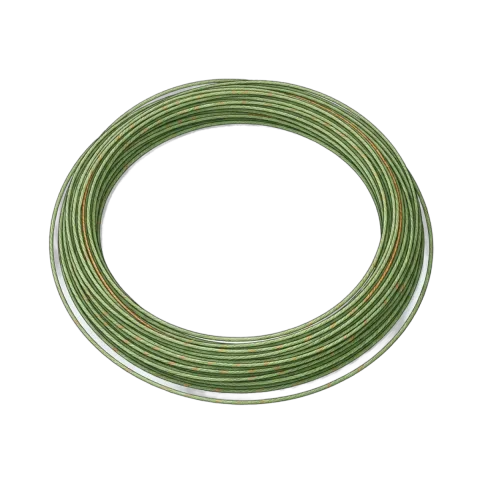
Line
Braided line
Braided fishing line is the thin, no-stretch main for long casts, jigging, and feeling every tick on the retrieve.
Sized for a typical fish
6 kg · 0.1 mm
- Visibility
- High
- Abrasion
- Low
- Stretch
- None
- Sink rate
- Floats

Leader
Fluorocarbon leader
A fluorocarbon leader is the clear, fast-sinking join between a visible main line and the lure or hook.
Sized for a typical fish
7 kg · 0.3 mm · 90 cm
- Visibility
- Very low
- Abrasion
- High
- Stretch
- Low
- Sink rate
- Fast
Trolling
Drawing lures or baits behind a moving boat.
75% Effectiveness
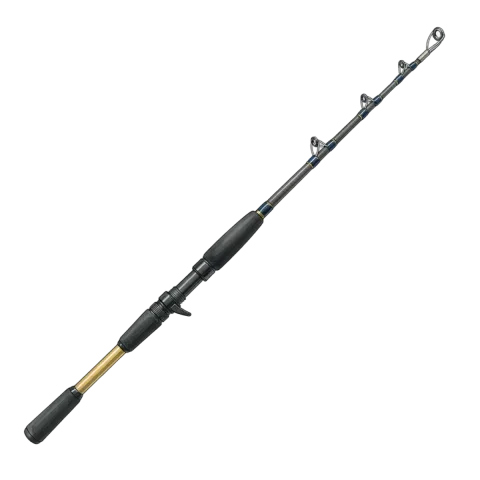
Rod
Trolling rod
A trolling rod is built to sit in a holder and pull a lure or bait at speed. Moderate action so the rod, not the reel, plays the fish.
Sized for a typical fish
medium · 1.83 m
- Reel seat
- Casting
- Form factor
- One-piece
- Action
- Moderate
- Grip
- EVA
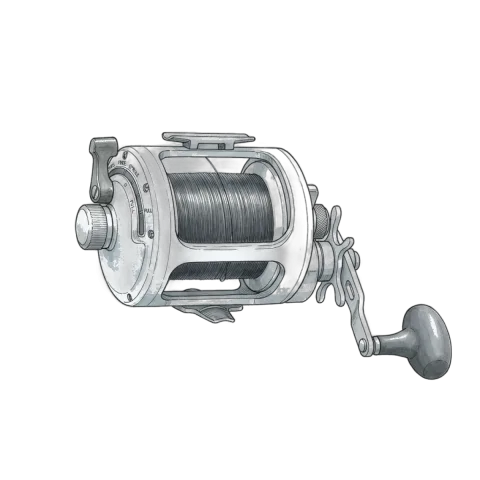
Reel
Trolling reel
A trolling reel is the dedicated lever-drag fishing reel for pulling lures behind a boat, often in a holder all day.
Sized for a typical fish
20 · 15 kg drag
- Spool
- Revolving
- Mount
- Over
- Drag
- Lever
- Retrieve
- Manual
Line
Braided line
Braided fishing line is the thin, no-stretch main for long casts, jigging, and feeling every tick on the retrieve.
Sized for a typical fish
6 kg · 0.1 mm
- Visibility
- High
- Abrasion
- Low
- Stretch
- None
- Sink rate
- Floats
Leader
Fluorocarbon leader
A fluorocarbon leader is the clear, fast-sinking join between a visible main line and the lure or hook.
Sized for a typical fish
7 kg · 0.3 mm · 90 cm
- Visibility
- Very low
- Abrasion
- High
- Stretch
- Low
- Sink rate
- Fast
Best lures and baits for Southern sennet
Ranked lures and natural baits from every method, best first.
02
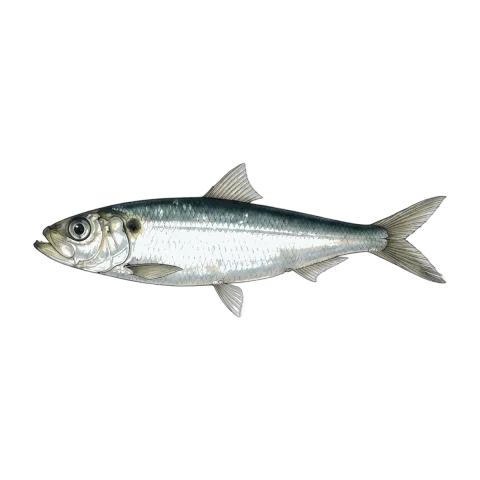
Sardine
- Spinning
- Trolling
Elongated silvery baitfish body releases strong scent trails.
03
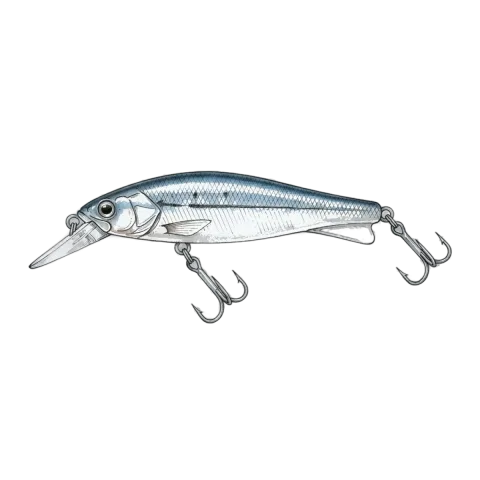
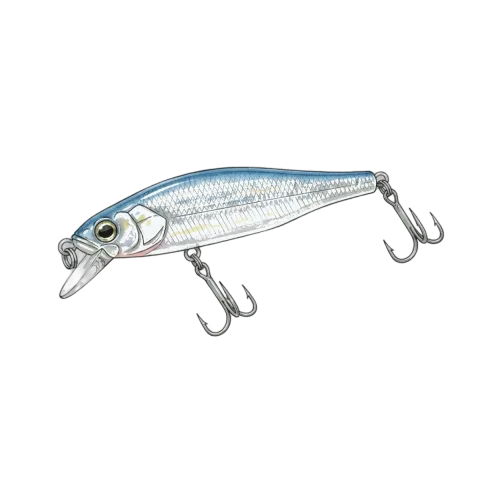
Jerkbait
- Spinning
A long hard bait you twitch and kill in the mid column.
How Southern sennet migrates — Inshore–offshore
Shifts between shallow inshore water and deeper offshore grounds with the season.
1 Warm months
Inshore
Stay close inshore through the warm months.
2 Cold months
Offshore
Move offshore into deeper water as it cools.
Hover or tap a number to read each stage.
Diet and behavior of Southern sennet
-
Diet
Top predator -
Feeds by
Hunts animals -
Hunts
Dawn · Dusk -
Feeds over
Hard bottom · Seagrass · Coral reefs
Prey and predators of Southern sennet
Prey is what Southern sennet eats. Predators are the animals that eat it.
That is how it feeds, and how it is hunted.
Predators
What hunts it
Fish
Where Southern sennet lives
Tied to reefs and rocky structure in shallow coastal water.
1–65 m

Where this species lives