How to catch Stargazer
Uranoscopus scaber Linnaeus, 1758
About Stargazer fishing
The Atlantic stargazer is a distinctive marine bottom-dwelling fish belonging to the family Uranoscopidae, featuring a robust, dorsoventrally flattened body with an upturned head and large mouth oriented towards the surface. Its brownish skin is adorned with small pale spots and a lighter belly, housing unique venomous shoulder spines and bioelectric capabilities. Typically measuring around twenty to thirty centimetres in length, it inhabits sandy and muddy sediments along continental shelf slopes from shallow coastal waters down to substantial depths. Operating as a specialized ambush predator, it buries itself entirely in the substrate with only its eyes exposed while waving a small jaw appendage to lure unwary prey before launching a rapid strike. While generally caught as incidental bycatch rather than targeted commercial stocks, it attracts curiosity from specialty anglers exploring coastal marine ecosystems.
-
Difficulty
Medium
-
Average size
22 cm TL
-
Habitat
Saltwater
-
Season
Spring, Summer, Autumn
-
Also known as
Atlantic stargazer

Vertical Mouth
Extremely upward-pointing vertical mouth is diagnostic of the stargazer family.
Black Dorsal Fin
Distinctive large jet-black blotch on the first dorsal fin identifies the species.
Large Pectoral Fin
Broad fan-like pectoral fin with dark margins aids in benthic camouflage.
Rough Bony Head
Rugged, heavily ossified and ridged head plates distinguish it from smooth-headed fish.
Stargazer fishing facts
Characteristics
-
Typical size
22 cm TL (max 56.4 cm TL ) -
Typical weight
0.2 kg (max 0.9 kg ) -
Preferred temperature
11.2–17 °C -
Depth
15–400 m -
Longevity
5.5 years -
Body shape
Fusiform / Normal -
Vulnerability score
56
Best hours
-
Active
Dawn
First light
-
Low
Morning
After sunrise
-
Low
Midday
High sun
-
Low
Afternoon
Late day
-
Active
Dusk
Last light
-
Peak
Night
After dark
When to fish for Stargazer
How to catch Stargazer
Tips for catching Stargazer
Targeting this ambush predator requires presenting natural baits directly on sandy or muddy sea beds where the species remains deeply buried during daylight hours. Bottom fishing with a sliding ledger rig baited with strips of fresh fish, squid or marine worms works effectively when drifted slowly across productive upper slope grounds. Since these fish display heightened nocturnal activity and rely heavily on stealthy ambush tactics, evening sessions or overcast conditions often yield better results. Anglers must exercise extreme caution when handling captured specimens to avoid painful stings from the toxic spines located behind the gill covers.
Other names for Stargazer
Local and alternate names anglers use for Stargazer.
-
Stargazer
-
Atlantic stargazer
Best equipment to catch Stargazer
Compare fishing methods for Stargazer — sized kit for each technique.
Note: Typical fish is 0.2 kg Our algorithm will suggest the best equipment for you based on this weight.
Bottom Fishing
Presenting bait or rigs on or near the lake or sea floor.
75% Effectiveness

Rod
Spinning rod
A spinning rod is a fishing rod built to carry a spinning reel under the blank. You cast lures and light baits with it from shore or a boat.
Sized for a typical fish
ultralight · 1.8 m
- Reel seat
- Spinning
- Form factor
- Multi-piece
- Action
- Fast
- Grip
- EVA

Reel
Spinning reel
A spinning reel hangs under the fishing rod and is the default reel for casting lures and light baits. Line peels off an open spool with a bail.
Sized for a typical fish
1000 · 3 kg drag · 185 g
- Spool
- Fixed
- Mount
- Under
- Drag
- Front
- Retrieve
- Manual

Line
Monofilament line
Monofilament fishing line is the everyday main line: easy to knot, cheap to replace, and stretchy enough to forgive a hard strike.
Sized for a typical fish
1.3 kg · 0.125 mm
- Visibility
- Medium
- Abrasion
- Medium
- Stretch
- High
- Sink rate
- Slow

Leader
Fluorocarbon leader
A fluorocarbon leader is the clear, fast-sinking join between a visible main line and the lure or hook.
Sized for a typical fish
4 kg · 0.2 mm · 80 cm
- Visibility
- Very low
- Abrasion
- High
- Stretch
- Low
- Sink rate
- Fast

Hook
Circle hook
A circle hook turns in the mouth and usually finds the corner of the jaw. You do not strike hard — you come tight. It includes freshwater.
Sized for a typical fish
4
- Points
- 1
- Offset
- No
- Barbed
- Yes
- Gap
- Standard
Best lures and baits for Stargazer
Ranked lures and natural baits from every method, best first.
01
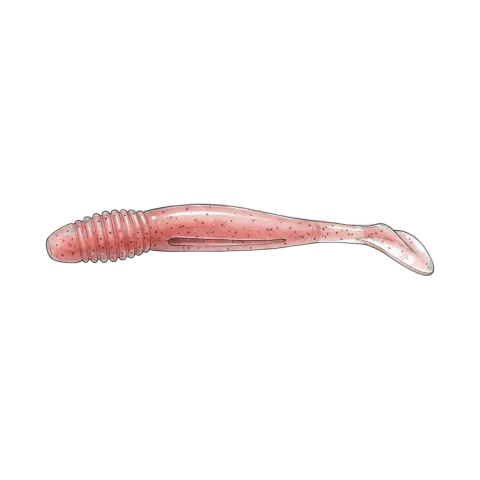
Soft worm
- Bottom Fishing
A long soft worm for Texas, wacky, and ned-style spinning.
02
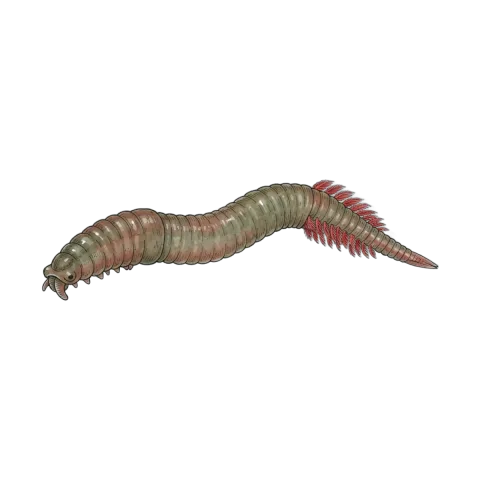
Lugworm
- Bottom Fishing
Fleshy, segmented body provides substantial scent and natural appeal for bottom fish.
03
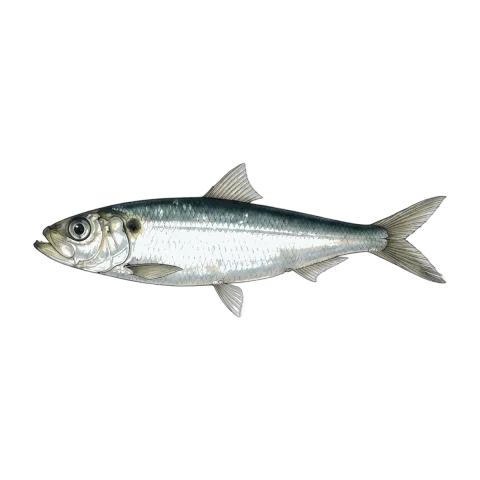
Sardine
- Bottom Fishing
Elongated silvery baitfish body releases strong scent trails.
04
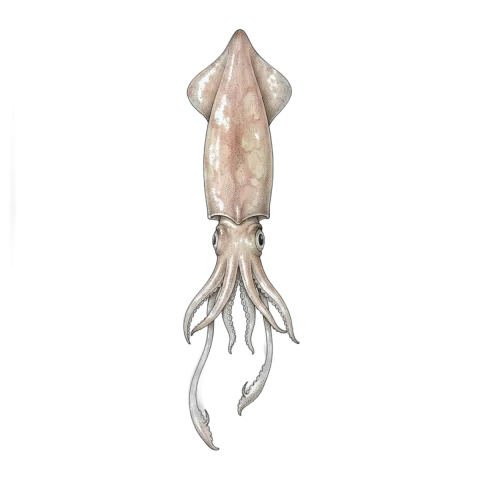
Squid
- Bottom Fishing
Elongated muscular body holds internal organs and secretes scent in the water.
How Stargazer migrates — Bathymetric
Shifts between shallow and deeper water with the seasons rather than moving along the coast. Change depth before you change venue.
1 Warm months
Shallow water
Feed in shallow water through the warm months.
2 Cold months
Deep water
Drop into deeper water as it cools.
Larger adults often stay deeper all year.
Hover or tap a number to read each stage.
Diet and behavior of Stargazer
-
Diet
Top predator -
Feeds by
Hunts animals -
Hunts
Night -
Main prey
Baitfish
Prey and predators of Stargazer
Prey is what Stargazer eats. Predators are the animals that eat it.
That is how it feeds, and how it is hunted.
Prey
What it eats
Baitfish
Predators
What hunts it
Fish
Where Stargazer lives
Lives on or just above the bottom. Work jigs, bait, and lures along the seabed.
15–400 m

Where this species lives
Stargazer photos for identification
Compare these photos with the catalog plate to identify the species.
Where to fish for Stargazer
Mapped fishing spots where Stargazer is recorded — open a pin for access and methods.

