How to catch Thresher
Alopias vulpinus (Bonnaterre, 1788)
About Thresher fishing
The common thresher is a large pelagic shark belonging to the family Alopiidae, immediately recognised by its enormous, scythe-like upper caudal lobe that matches the entire body in length. It possesses a streamlined fusiform body, a short pointed snout, and small dark eyes, with a metallic purplish brown or grey back that contrasts sharply against a brilliant white belly extending across the pectoral fin bases. Growing to massive proportions, this oceanic wanderer inhabits surface waters down to considerable depths over continental shelves and open seas. It is a highly active, migratory predator that feeds primarily on schooling forage fishes and squids, using its signature elongated tail in a whip-like motion to stun prey before consumption. Despite its formidable size and reputation for offering an exceptional fight on rod and line, it remains timid and largely harmless to humans.
-
Difficulty
Medium
-
Average size
450 cm TL
-
Market value
High
-
Habitat
Saltwater
-
Season
Summer, Autumn
-
Also known as
Atlantic thresher, Big-eye thresher, Common thresher, Common thresher shark, Fox shark, Grayfish

Caudal shape
Extremely long, strap-like upper tail lobe uniquely identifies this pelagic thresher shark.
Mouth position
Sub-terminal mouth position on the underside characterizes this predatory shark species.
White patch
Conspicuous white abdominal patch extending over the pectoral fin base distinguishes it.
Thresher fishing facts
Characteristics
-
Typical size
450 cm TL (max 573.3 cm TL ) -
Typical weight
35 kg (max 348 kg ) -
Preferred temperature
11.6–28.2 °C -
Depth
0–650 m -
Longevity
25 years -
Body shape
Fusiform / Normal -
Commercial?
-
Vulnerability score
76.7
Best hours
-
Peak
Dawn
First light
-
Active
Morning
After sunrise
-
Low
Midday
High sun
-
Low
Afternoon
Late day
-
Peak
Dusk
Last light
-
Active
Night
After dark
When to fish for Thresher
How to catch Thresher
Tips for catching Thresher
Targeting this powerful pelagic shark requires heavy boat-based gear and considerable patience, typically focusing on coastal and offshore waters during the warmer summer and autumn months when the species migrates into shallower regions. Anglers generally rely on drifting with large dead baits or live fish suspended beneath balloons or buoys at varying depths to match the natural pelagic feeding zone of the shark. Rigging strong wire traces and heavy-duty saltwater tackle is essential, as the fish is renowned for its blistering runs, aerial leaps, and stubborn resistance when hooked. Dawn and dusk often provide favourable windows for encounters, particularly around deep drop-offs, banks, and areas holding dense concentrations of schooling baitfish where the predators hunt.
Other names for Thresher
Local and alternate names anglers use for Thresher.
-
Thresher
-
Thresher shark
-
Thintail thresher
-
Thrasher
-
Whip-tailed shark
-
Fox shark
-
Common thresher shark
-
Common thresher
-
Big-eye thresher
-
Grayfish
-
Green thresher
-
Sea fox
-
Slasher
-
Swingletail
-
Swiveltail
-
Tresher shark
-
Swivetail
-
Zorro thresher shark
Best equipment to catch Thresher
Compare fishing methods for Thresher — sized kit for each technique.
Note: Typical fish is 35 kg Our algorithm will suggest the best equipment for you based on this weight.
Trolling
Drawing lures or baits behind a moving boat.
80% Effectiveness
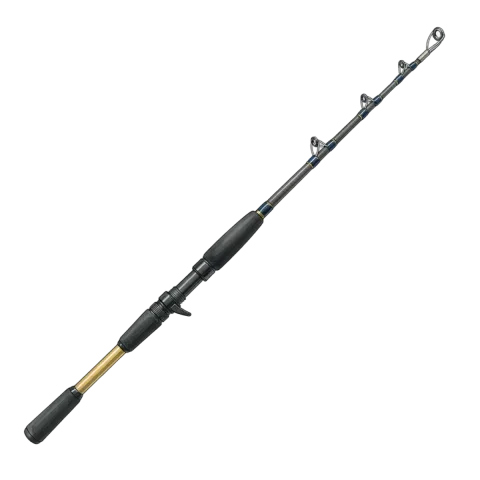
Rod
Trolling rod
A trolling rod is built to sit in a holder and pull a lure or bait at speed. Moderate action so the rod, not the reel, plays the fish.
Sized for a typical fish
extra-heavy · 2.29 m
- Reel seat
- Casting
- Form factor
- One-piece
- Action
- Moderate
- Grip
- EVA
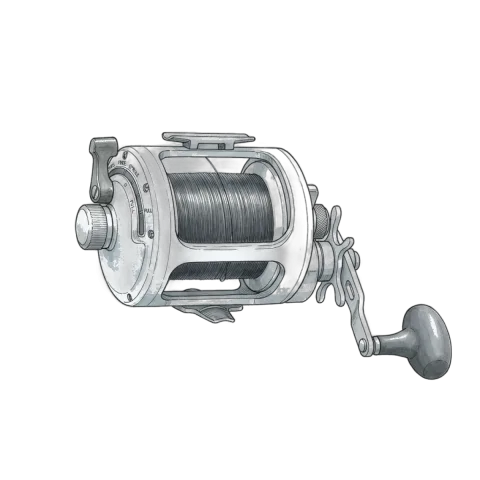
Reel
Trolling reel
A trolling reel is the dedicated lever-drag fishing reel for pulling lures behind a boat, often in a holder all day.
Sized for a typical fish
50 · 30 kg drag
- Spool
- Revolving
- Mount
- Over
- Drag
- Lever
- Retrieve
- Manual

Line
Braided line
Braided fishing line is the thin, no-stretch main for long casts, jigging, and feeling every tick on the retrieve.
Sized for a typical fish
90 kg · 0.76 mm
- Visibility
- High
- Abrasion
- Low
- Stretch
- None
- Sink rate
- Floats

Leader
Fluorocarbon leader
A fluorocarbon leader is the clear, fast-sinking join between a visible main line and the lure or hook.
Sized for a typical fish
136.1 kg · 1.885 mm · 180 cm
- Visibility
- Very low
- Abrasion
- High
- Stretch
- Low
- Sink rate
- Fast
Drift Fishing
Presenting bait or lures from a boat moving with wind or current, not under trolling speed.
75% Effectiveness
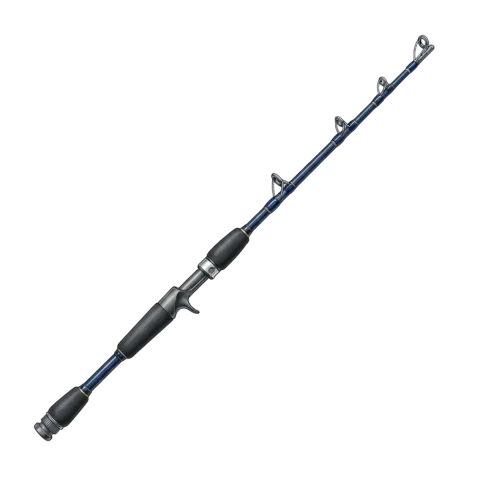
Rod
Boat rod
A boat rod is the short, stout fishing rod for work under the hull: bottom fishing, trolling, drift, and live bait in fresh or salt.
Sized for a typical fish
heavy · 2.29 m
- Reel seat
- Casting
- Form factor
- One-piece
- Action
- Moderate-fast
- Grip
- EVA
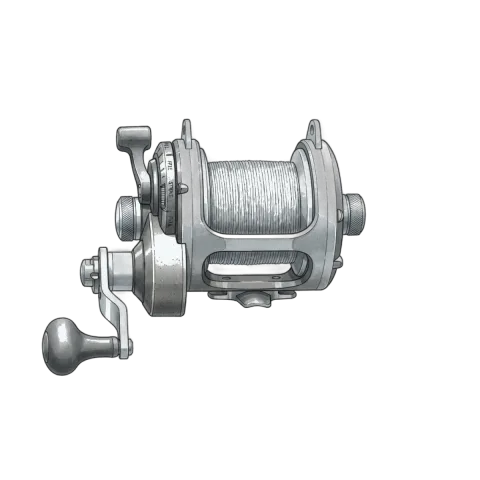
Reel
Conventional reel
A conventional reel is the lever-drag boat fishing reel for trolling and bottom fishing.
Sized for a typical fish
50 · 25 kg drag
- Spool
- Revolving
- Mount
- Over
- Drag
- Lever
- Retrieve
- Manual
Line
Braided line
Braided fishing line is the thin, no-stretch main for long casts, jigging, and feeling every tick on the retrieve.
Sized for a typical fish
90 kg · 0.76 mm
- Visibility
- High
- Abrasion
- Low
- Stretch
- None
- Sink rate
- Floats

Hook
Circle hook
A circle hook turns in the mouth and usually finds the corner of the jaw. You do not strike hard — you come tight. It includes freshwater.
Sized for a typical fish
6/0
- Points
- 1
- Offset
- No
- Barbed
- Yes
- Gap
- Standard
Best lures and baits for Thresher
Ranked lures and natural baits from every method, best first.
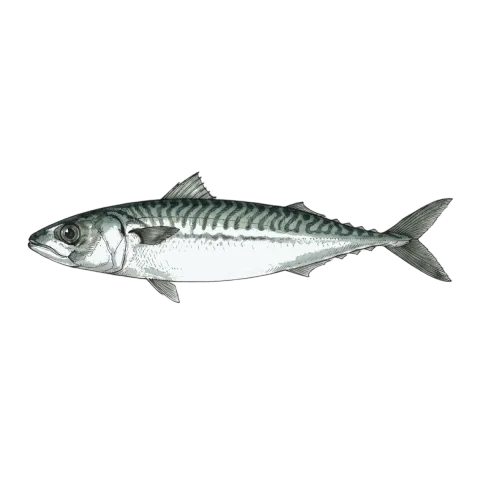
01
Mackerel
- Trolling
- Drift Fishing
Distinctive wavy dorsal stripes provide high contrast and flash underwater.
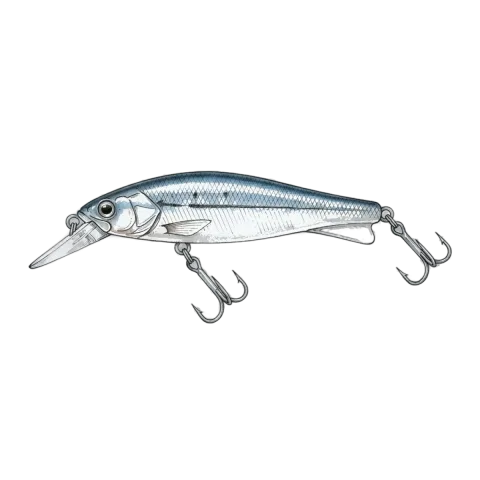
03
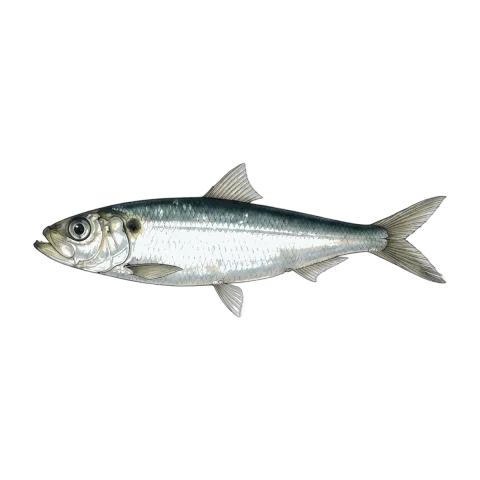
Sardine
- Trolling
Elongated silvery baitfish body releases strong scent trails.
How Thresher migrates — Oceanodromous
Migrates within the sea between spawning, nursery and feeding grounds, and never enters fresh water. Follow its seasonal shifts along the coast and offshore.
1 Young
Breeding grounds
Born live, not hatched from eggs.
2 Juveniles
Nursery grounds
Grow up in sheltered nursery waters.
3 Adults
Feeding grounds
Range widely over the feeding grounds.
4 Mature adults
→ Breeding grounds
Return to the breeding grounds to give birth.
It stays in the sea and never runs up into fresh water.
Hover or tap a number to read each stage.
Diet and behavior of Thresher
-
Diet
Top predator -
Feeds by
Hunts animals -
Hunts
Dawn · Dusk
Where Thresher lives
Pelagic in the open ocean beyond the shelf break.
0–650 m · usually 0–200 m

Where this species lives
Thresher photos for identification
Compare these photos with the catalog plate to identify the species.
Where to fish for Thresher
Mapped fishing spots where Thresher is recorded — open a pin for access and methods.
