How to catch Volga pikeperch
Sander volgensis (Gmelin, 1789)
About Volga pikeperch fishing
The Volga pikeperch is a distinct freshwater and brackish predator belonging to the perch family, recognised by its slender fusiform body, silver-grey flanks marked with distinct dark vertical stripes, and the complete absence of large canine teeth in its jaws. Typically reaching a common length of around thirty centimetres and a maximum standard length of forty centimetres, this demersal species inhabits large turbid rivers, deep lakes, and coastal estuaries across parts of Central and Eastern Europe. It feeds primarily on small fish and aquatic invertebrates, operating mainly as a crepuscular hunter that thrives in low-light conditions. Adults undertake brief migrations into shallow, gravelly areas during spring to spawn in April and May, where males prepare nests and guard the adhesive eggs. Anglers prize this agile sport fish for its cautious nature and spirited resistance when targeted over hard river bottoms.
-
Difficulty
Medium
-
Average size
30 cm
-
Habitat
Freshwater, Brackish
-
Season
Spring, Summer, Autumn
-
Also known as
Volga perch, Volga sander, Volga zander, Volga Zander, Zander

Caudal shape
Forked tail fin aids fast swimming typical of percids.
Pelvic position
Thoracic pelvic fins placed well forward under the pectoral base.
Vertical bars
Distinct vertical dark bars along the flanks differentiate this species.
Volga pikeperch fishing facts
Characteristics
-
Typical size
30 cm (max 40 cm SL ) -
Typical weight
0.2 kg (max 0.7 kg ) -
Longevity
12 years -
Body shape
Fusiform / Normal -
Vulnerability score
51.6
Best hours
-
Peak
Dawn
First light
-
Low
Morning
After sunrise
-
Low
Midday
High sun
-
Low
Afternoon
Late day
-
Peak
Dusk
Last light
-
Active
Night
After dark
When to fish for Volga pikeperch
How to catch Volga pikeperch
Tips for catching Volga pikeperch
Successful angling for Volga pikeperch relies on presenting offerings near hard, snag-free river substrates and drop-offs where these bottom-oriented predators congregate. Because they lack prominent canine teeth and possess smaller mouths than common zander, presentations must be scaled down using slender soft plastic shads or small minnow patterns. Vertical jigging from a boat or linear spinning with light gear allows anglers to maintain close contact with the bottom, imparting subtle hops and pauses that trigger aggressive strikes during low-light periods. Concentrating efforts around dawn and dusk, or throughout the warmer summer months when metabolic activity peaks, significantly improves catch rates. Anglers should utilize sensitive braided lines and responsive rods to detect the subtle, hesitant taps characteristic of this species feeding behavior.
Other names for Volga pikeperch
Local and alternate names anglers use for Volga pikeperch.
-
Volga pikeperch
-
Zander
-
Volga zander
-
Volga sander
-
Volga perch
Best equipment to catch Volga pikeperch
Compare fishing methods for Volga pikeperch — sized kit for each technique.
Note: Typical fish is 0.2 kg Our algorithm will suggest the best equipment for you based on this weight.
Jigging
Working vertical lures with an active up-and-down motion.
90% Effectiveness
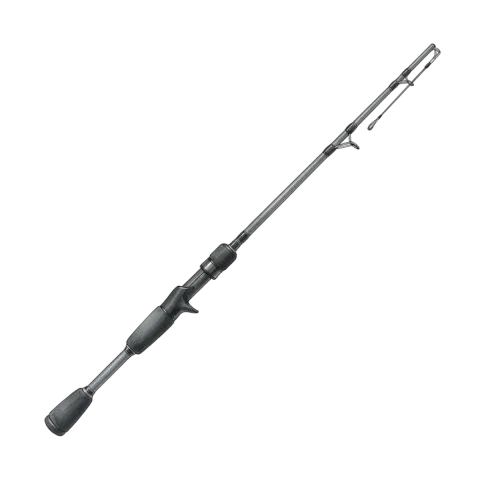
Rod
Jigging rod
A jigging rod is the short, powerful fishing rod for working a metal jig up through the column, including freshwater jigging.
Sized for a typical fish
heavy · 1.52 m
- Reel seat
- Casting
- Form factor
- One-piece
- Action
- Fast
- Grip
- EVA
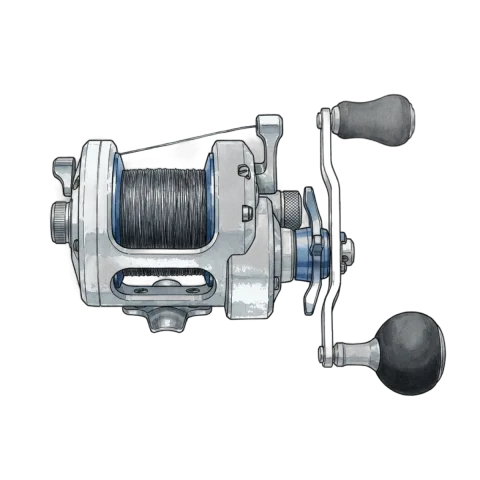
Reel
Jigging reel
A jigging reel is a compact, high-speed conventional for working metal jigs. A short retrieve picks up slack fast.
Sized for a typical fish
10 · 10 kg drag
- Spool
- Revolving
- Mount
- Over
- Drag
- Star
- Retrieve
- Manual

Line
Braided line
Braided fishing line is the thin, no-stretch main for long casts, jigging, and feeling every tick on the retrieve.
Sized for a typical fish
6 kg · 0.1 mm
- Visibility
- High
- Abrasion
- Low
- Stretch
- None
- Sink rate
- Floats

Leader
Fluorocarbon leader
A fluorocarbon leader is the clear, fast-sinking join between a visible main line and the lure or hook.
Sized for a typical fish
7 kg · 0.3 mm · 90 cm
- Visibility
- Very low
- Abrasion
- High
- Stretch
- Low
- Sink rate
- Fast
Spinning
Casting and retrieving lures with a spinning rod and reel.
85% Effectiveness

Rod
Spinning rod
A spinning rod is a fishing rod built to carry a spinning reel under the blank. You cast lures and light baits with it from shore or a boat.
Sized for a typical fish
ultralight · 1.8 m
- Reel seat
- Spinning
- Form factor
- Multi-piece
- Action
- Fast
- Grip
- EVA

Reel
Spinning reel
A spinning reel hangs under the fishing rod and is the default reel for casting lures and light baits. Line peels off an open spool with a bail.
Sized for a typical fish
1000 · 3 kg drag · 185 g
- Spool
- Fixed
- Mount
- Under
- Drag
- Front
- Retrieve
- Manual
Line
Braided line
Braided fishing line is the thin, no-stretch main for long casts, jigging, and feeling every tick on the retrieve.
Sized for a typical fish
6 kg · 0.1 mm
- Visibility
- High
- Abrasion
- Low
- Stretch
- None
- Sink rate
- Floats
Leader
Fluorocarbon leader
A fluorocarbon leader is the clear, fast-sinking join between a visible main line and the lure or hook.
Sized for a typical fish
7 kg · 0.3 mm · 90 cm
- Visibility
- Very low
- Abrasion
- High
- Stretch
- Low
- Sink rate
- Fast
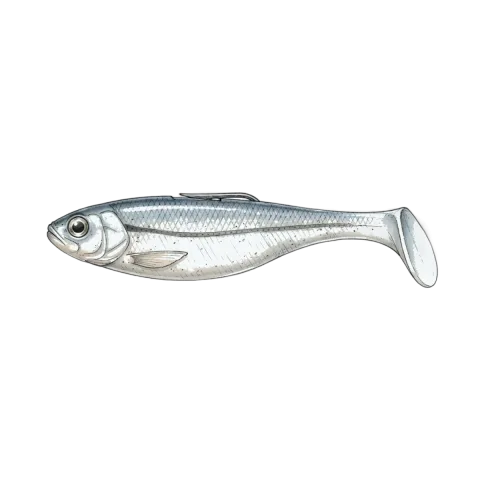
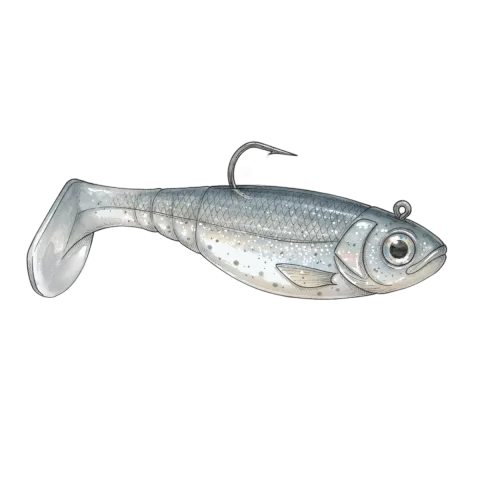
Best lures and baits for Volga pikeperch
Ranked lures and natural baits from every method, best first.
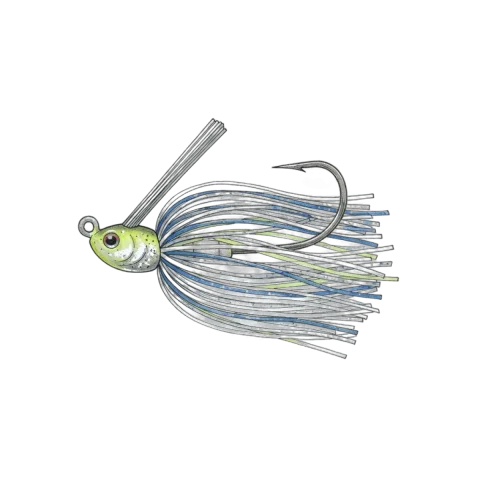
01
Casting jig
- Jigging
A casting jig you hop, drag, and swim on the bottom.
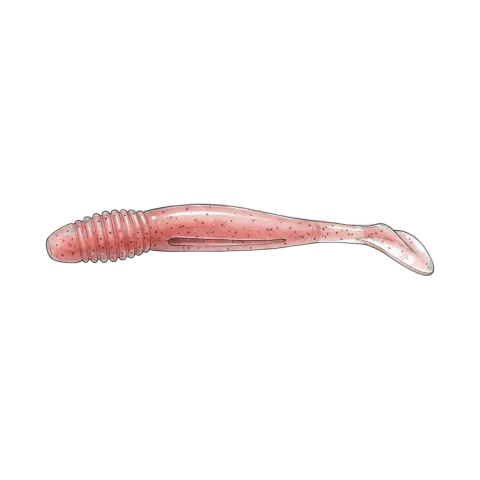
02
Soft worm
- Jigging
A long soft worm for Texas, wacky, and ned-style spinning.
How Volga pikeperch migrates — Potamodromous
Migrates within rivers and lakes only. Fish upstream runs and seasonal lake movements, not saltwater.
1 Eggs
Upstream
Laid on gravel or weed upstream or in flooded shallows.
2 Larvae
→ Main river or lake
Fry drift or swim down to slower water.
3 Adults
Main river or lake
Feed in the main river or lake.
4 Spawners
→ Upstream
Move upstream or into the shallows to spawn.
The whole cycle stays in fresh water.
Hover or tap a number to read each stage.
Diet and behavior of Volga pikeperch
-
Diet
Top predator -
Feeds by
Hunts animals -
Hunts
Dawn · Dusk -
Main prey
Baitfish
Prey and predators of Volga pikeperch
Prey is what Volga pikeperch eats. Predators are the animals that eat it.
That is how it feeds, and how it is hunted.
Prey
What it eats
Predators
What hunts it
Fish
Where Volga pikeperch lives
Lives on or just above the bottom. Work jigs, bait, and lures along the seabed.

Where this species lives
Volga pikeperch photos for identification
Compare these photos with the catalog plate to identify the species.