How to catch Achondrostoma arcasii
Achondrostoma arcasii (Steindachner, 1866)
About Achondrostoma arcasii fishing
Achondrostoma arcasii is a small freshwater ray-finned fish belonging to the family Leuciscidae, endemic to the northern and northeastern river basins of the Iberian Peninsula. It typically reaches a common length of around fifteen centimetres while achieving a maximum total length of twenty-five centimetres. The species is characterised by a fusiform, streamlined body, an obtuse rounded snout, and a distinct scale count along its lateral line. It inhabits clear mountain streams, middle river reaches, upland lakes, and reservoirs, where juveniles frequent shallow, slow-flowing margins before migrating to deeper, swifter waters in midsummer. As an opportunistic feeder, it primarily targets benthic aquatic invertebrates, detritus, and plant matter. Spawning occurs during the late spring months of May and June. Due to habitat degradation, pollution, and the introduction of invasive species, populations face increasing environmental pressures across its restricted native range.
-
Difficulty
Medium
-
Average size
15 cm TL
-
Habitat
Freshwater
-
Season
Spring, Summer, Autumn

Caudal shape
Forked caudal fin shape typical of the species.
Lateral stripe
A dark midlateral stripe runs along the flank.
Achondrostoma arcasii fishing facts
Characteristics
-
Typical size
15 cm TL (max 25 cm TL ) -
Typical weight
0.2 kg (max 0.2 kg ) -
Longevity
11.1 years -
Body shape
Fusiform / Normal -
Vulnerability score
34.7
Best hours
-
Low
Dawn
First light
-
Peak
Morning
After sunrise
-
Active
Midday
High sun
-
Peak
Afternoon
Late day
-
Low
Dusk
Last light
-
Low
Night
After dark
When to fish for Achondrostoma arcasii
How to catch Achondrostoma arcasii
Tips for catching Achondrostoma arcasii
Anglers targeting this small Iberian endemic typically employ light freshwater tactics focused around shallow margins, slow-flowing river stretches, and upland reservoirs during the warmer daylight hours. Float fishing and precision pole presentations using fine tackle and small natural baits such as river invertebrates or bread punches prove effective for tempting opportunistic feeders. Fly anglers can also experience success by presenting tiny wet flies or nymphs imitating aquatic macroinvertebrates in clear riffles and runs. The most productive fishing occurs during late spring and summer when the fish are active across accessible reaches, though care should be taken to respect local conservation regulations due to their vulnerable status.
Best equipment to catch Achondrostoma arcasii
Compare fishing methods for Achondrostoma arcasii — sized kit for each technique.
Note: Typical fish is 0.2 kg Our algorithm will suggest the best equipment for you based on this weight.
Float Fishing
Suspending bait beneath a float at a controlled depth.
85% Effectiveness
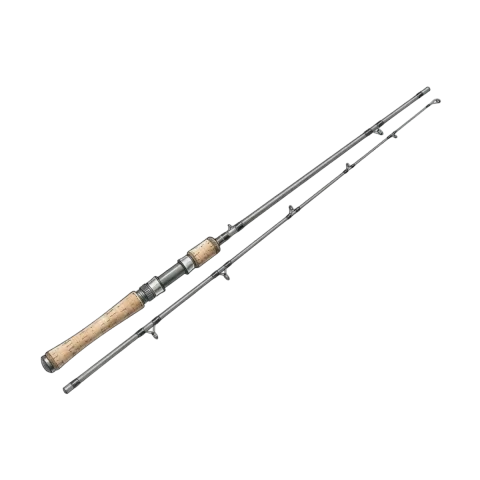
Rod
Float rod
A float rod is the all-round fishing rod for a float in rivers and still water, a step down in length from match.
Sized for a typical fish
light · 3.6 m
- Reel seat
- Spinning
- Form factor
- Multi-piece
- Action
- Moderate
- Grip
- Cork

Reel
Spinning reel
A spinning reel hangs under the fishing rod and is the default reel for casting lures and light baits. Line peels off an open spool with a bail.
Sized for a typical fish
1000 · 3 kg drag · 185 g
- Spool
- Fixed
- Mount
- Under
- Drag
- Front
- Retrieve
- Manual

Line
Monofilament line
Monofilament fishing line is the everyday main line: easy to knot, cheap to replace, and stretchy enough to forgive a hard strike.
Sized for a typical fish
1.3 kg · 0.125 mm
- Visibility
- Medium
- Abrasion
- Medium
- Stretch
- High
- Sink rate
- Slow
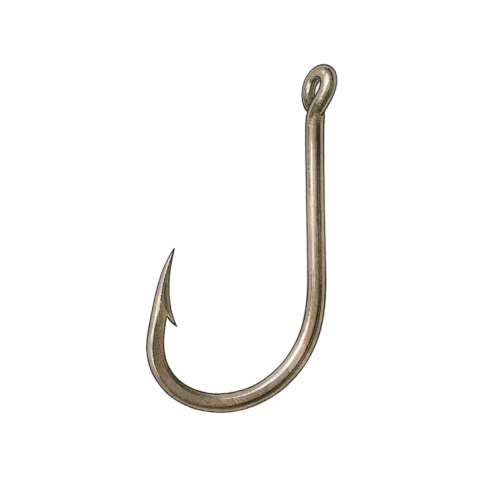
Hook
J-hook
A J-hook is the classic J-bend fishing hook for bait. You set it with a strike. Sizes are tokens such as 12 or 1/0.
Sized for a typical fish
12
- Points
- 1
- Offset
- No
- Barbed
- Yes
- Gap
- Standard
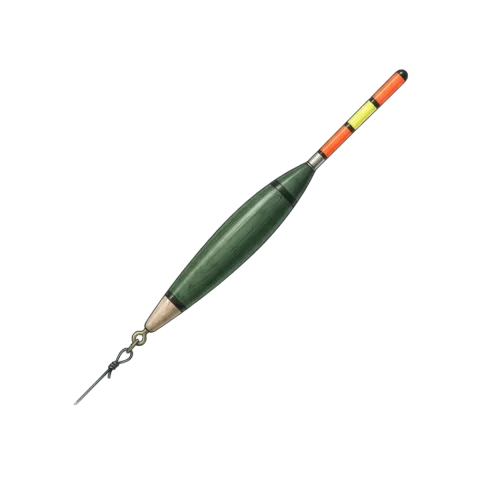
Float
Waggler
A waggler is a bottom-only attachment float for stillwaters and slow rivers. You shot it down and watch the antenna.
Sized for a typical fish
4 g
- Attachment
- Fixed
- Habitats
- Freshwater
- Methods
- Float Fishing
Pole Fishing
Presenting bait on a long pole with no reel.
75% Effectiveness
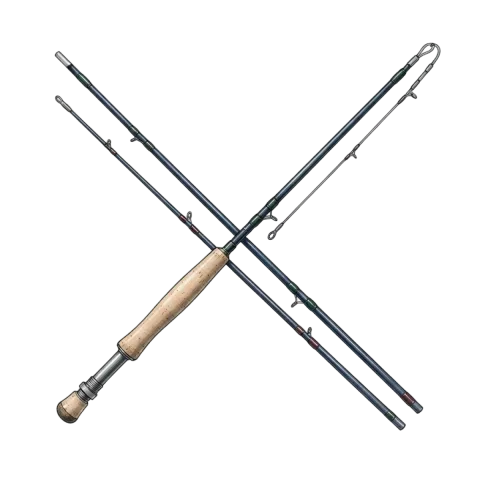
Rod
Pole rod
A fishing pole is a telescopic, reel-less rod for presenting a light float or rig under the tip. You ship it; you do not cast it.
Sized for a typical fish
5 m
- Reel seat
- None
- Form factor
- Multi-piece
- Action
- Moderate
- Grip
- Cork
Line
Monofilament line
Monofilament fishing line is the everyday main line: easy to knot, cheap to replace, and stretchy enough to forgive a hard strike.
Sized for a typical fish
1.3 kg · 0.125 mm
- Visibility
- Medium
- Abrasion
- Medium
- Stretch
- High
- Sink rate
- Slow
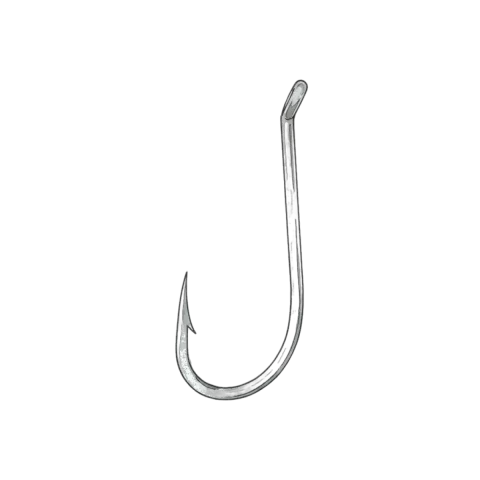
Hook
Aberdeen hook
An Aberdeen hook is a light-wire, long-shank hook for live minnows and delicate baits. It straightens on a snag before the line breaks.
Sized for a typical fish
12
- Points
- 1
- Offset
- No
- Barbed
- Yes
- Gap
- Narrow
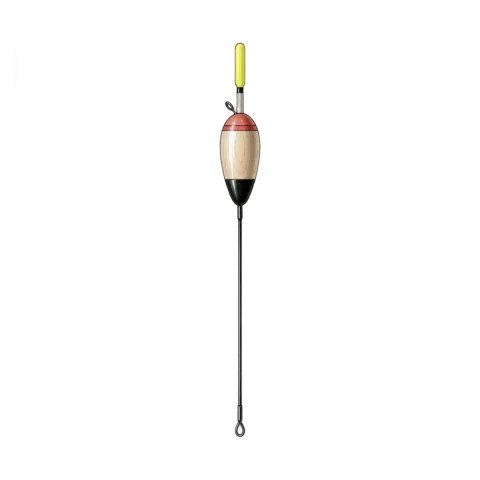
Float
Pole float
A pole float is a tiny, sensitive float fished under a pole, not cast. It is not a pole rod.
Sized for a typical fish
0.8 g
- Attachment
- Fixed
- Habitats
- Freshwater
- Methods
- Pole Fishing
Feeder Fishing
Ledgering with a swimfeeder or method feeder and a quiver-tip rod.
70% Effectiveness
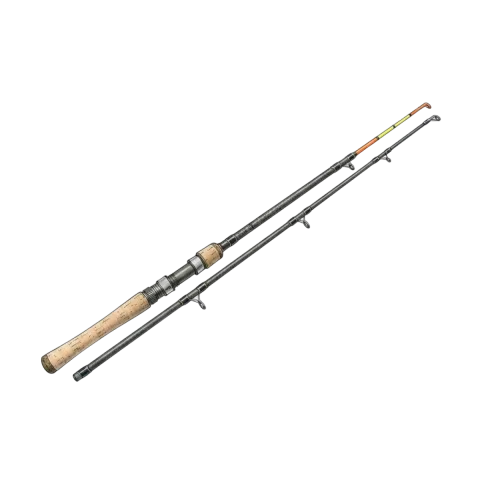
Rod
Feeder rod
A feeder rod is a long, quiver-tipped fishing rod for casting a feeder and watching the tip for bites.
Sized for a typical fish
medium · 3.3 m
- Reel seat
- Spinning
- Form factor
- Multi-piece
- Action
- Moderate
- Grip
- Cork
Reel
Spinning reel
A spinning reel hangs under the fishing rod and is the default reel for casting lures and light baits. Line peels off an open spool with a bail.
Sized for a typical fish
1000 · 3 kg drag · 185 g
- Spool
- Fixed
- Mount
- Under
- Drag
- Front
- Retrieve
- Manual
Line
Monofilament line
Monofilament fishing line is the everyday main line: easy to knot, cheap to replace, and stretchy enough to forgive a hard strike.
Sized for a typical fish
1.3 kg · 0.125 mm
- Visibility
- Medium
- Abrasion
- Medium
- Stretch
- High
- Sink rate
- Slow
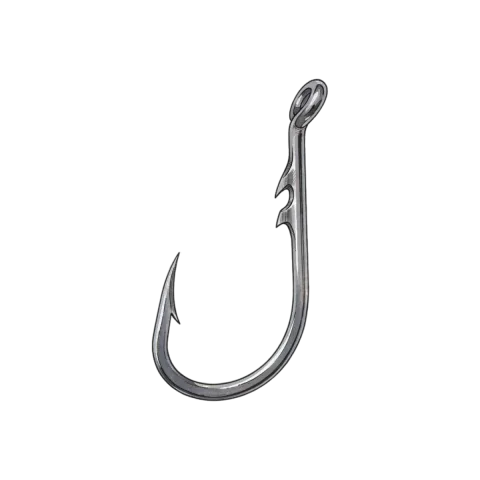
Hook
Baitholder hook
A baitholder hook has barbs on the shank to stop a worm or piece of bait sliding down. Classic float and feeder hook.
Sized for a typical fish
12
- Points
- 1
- Offset
- No
- Barbed
- Yes
- Gap
- Standard
Best lures and baits for Achondrostoma arcasii
Ranked lures and natural baits from every method, best first.
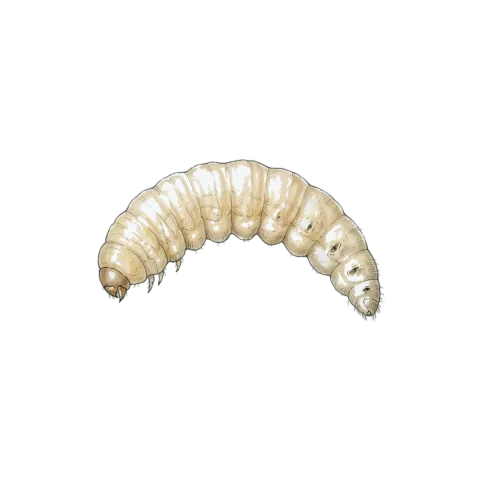
01
Maggot
- Float Fishing
- Pole Fishing
- Feeder Fishing
Segmented white body provides enticing natural movement and scent.
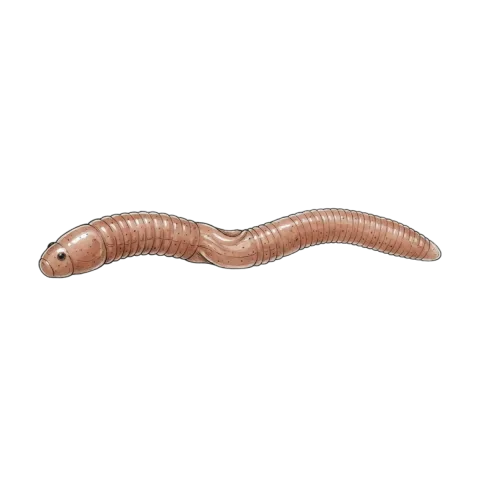
02
Worm
- Float Fishing
Rounded anterior end containing the mouth used for anchoring the bait on the hook.
How Achondrostoma arcasii migrates — Potamodromous
Migrates within rivers and lakes only. Fish upstream runs and seasonal lake movements, not saltwater.
1 Eggs
Upstream
Laid on gravel or weed upstream or in flooded shallows.
2 Larvae
→ Main river or lake
Fry drift or swim down to slower water.
3 Adults
Main river or lake
Feed in the main river or lake.
4 Spawners
→ Upstream
Move upstream or into the shallows to spawn.
The whole cycle stays in fresh water.
Hover or tap a number to read each stage.
Diet and behavior of Achondrostoma arcasii
-
Diet
Carnivore -
Feeds by
Hunts animals -
Hunts
Morning · Afternoon
Where Achondrostoma arcasii lives
Lives near the bottom but swims in the water just above it. Cover the lower column, not only the mud.

Where this species lives
Achondrostoma arcasii photos for identification
Compare these photos with the catalog plate to identify the species.