How to catch Spanish minnowcarp
Anaecypris hispanica (Steindachner, 1866)
About Spanish minnowcarp fishing
The spanish minnowcarp is a tiny freshwater ray finned fish belonging to the family leuciscidae, native to river basins in the iberian peninsula. It features an elongated body shape with an upturned mouth and an incomplete lateral line, typically reaching a maximum fork length of around seven centimetres. This pelagic filter feeder inhabits shallow streams and rocky pools, feeding primarily on filamentous algae and small aquatic invertebrates. During the summer dry periods, populations concentrate in shrinking permanent refuge pools before undertaking upstream spawning migrations when flows return.
-
Difficulty
Medium
-
Average size
5 cm
-
Habitat
Freshwater
-
Season
Spring, Summer, Autumn

Caudal shape
Deeply forked tail fin aids swift swimming.
Upturned mouth
Superior mouth position helps feed near the surface.
Spanish minnowcarp fishing facts
Characteristics
-
Typical size
5 cm (max 7.5 cm FL ) -
Typical weight
0.2 kg (max 0 kg ) -
Longevity
3 years -
Body shape
Elongated -
Vulnerability score
13.6
Best hours
-
Low
Dawn
First light
-
Peak
Morning
After sunrise
-
Low
Midday
High sun
-
Active
Afternoon
Late day
-
Low
Dusk
Last light
-
Low
Night
After dark
When to fish for Spanish minnowcarp
How to catch Spanish minnowcarp
Tips for catching Spanish minnowcarp
Angling for this protected micro cyprinid is generally restricted or discouraged due to its endangered conservation status across its native range. When studied or observed scientifically, individuals are found sharing shallow flowing riffles and isolated summer pools where water persists through dry spells. Light tackle with microscopic presentation is essential if targeting small minnows in clear streams, using tiny natural baits or imitation insects. Respect local environmental regulations and closed seasons that protect spawning groups during their spring upstream movements.
Other names for Spanish minnowcarp
Local and alternate names anglers use for Spanish minnowcarp.
-
Spanish minnowcarp
Best equipment to catch Spanish minnowcarp
Compare fishing methods for Spanish minnowcarp — sized kit for each technique.
Note: Typical fish is 0.2 kg Our algorithm will suggest the best equipment for you based on this weight.
Float Fishing
Suspending bait beneath a float at a controlled depth.
40% Effectiveness
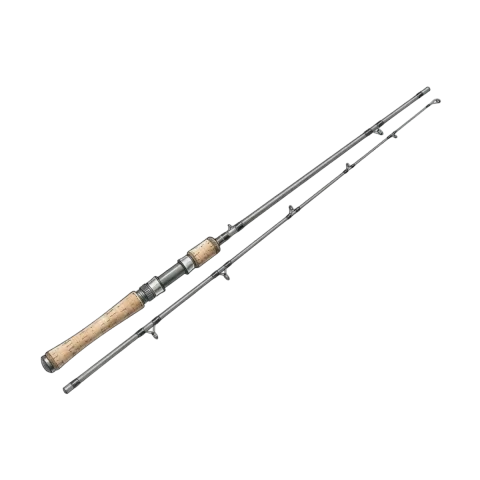
Rod
Float rod
A float rod is the all-round fishing rod for a float in rivers and still water, a step down in length from match.
Sized for a typical fish
light · 3.6 m
- Reel seat
- Spinning
- Form factor
- Multi-piece
- Action
- Moderate
- Grip
- Cork

Reel
Spinning reel
A spinning reel hangs under the fishing rod and is the default reel for casting lures and light baits. Line peels off an open spool with a bail.
Sized for a typical fish
1000 · 3 kg drag · 185 g
- Spool
- Fixed
- Mount
- Under
- Drag
- Front
- Retrieve
- Manual

Line
Monofilament line
Monofilament fishing line is the everyday main line: easy to knot, cheap to replace, and stretchy enough to forgive a hard strike.
Sized for a typical fish
1.3 kg · 0.125 mm
- Visibility
- Medium
- Abrasion
- Medium
- Stretch
- High
- Sink rate
- Slow
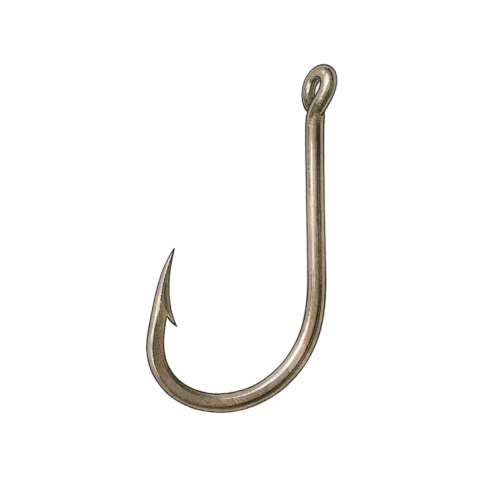
Hook
J-hook
A J-hook is the classic J-bend fishing hook for bait. You set it with a strike. Sizes are tokens such as 12 or 1/0.
Sized for a typical fish
12
- Points
- 1
- Offset
- No
- Barbed
- Yes
- Gap
- Standard
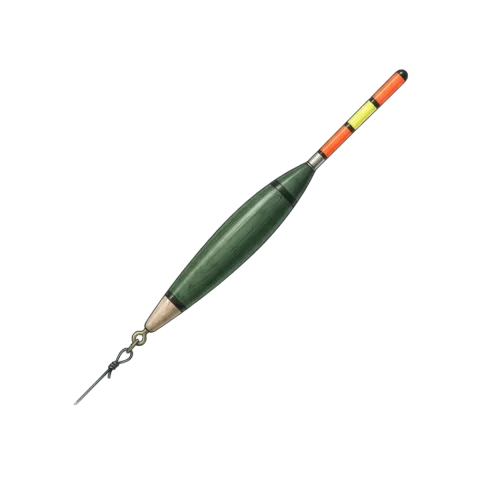
Float
Waggler
A waggler is a bottom-only attachment float for stillwaters and slow rivers. You shot it down and watch the antenna.
Sized for a typical fish
4 g
- Attachment
- Fixed
- Habitats
- Freshwater
- Methods
- Float Fishing
Fly Fishing
Presenting artificial flies with a fly rod and weighted line.
30% Effectiveness
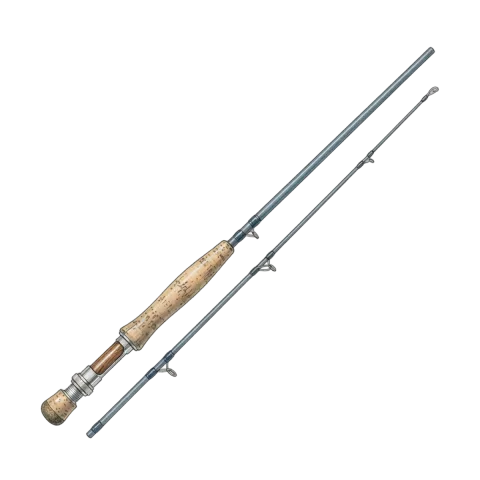
Rod
Fly rod
A fly rod is a fishing rod sized by line weight, with a fly reel seat. The fly line, not a heavy lure, loads the blank.
Sized for a typical fish
2.44 m · 3wt
- Reel seat
- Fly
- Form factor
- Multi-piece
- Action
- Moderate-fast
- Grip
- Cork
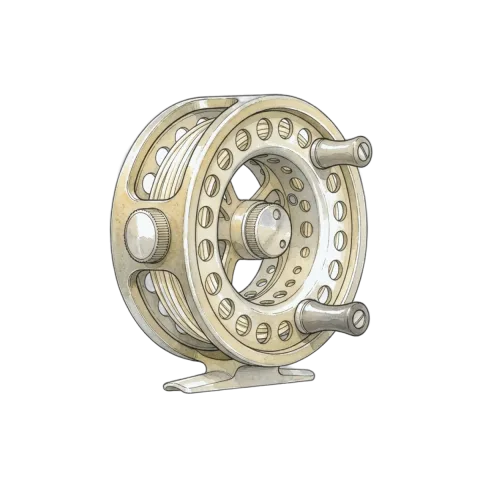
Reel
Fly reel
A fly reel is a large-arbor drum that stores backing and fly line. Drag is a disc; the reel does not cast the fly.
Sized for a typical fish
2 kg drag · 3wt
- Spool
- Drum
- Mount
- Under
- Drag
- Disc
- Retrieve
- Manual
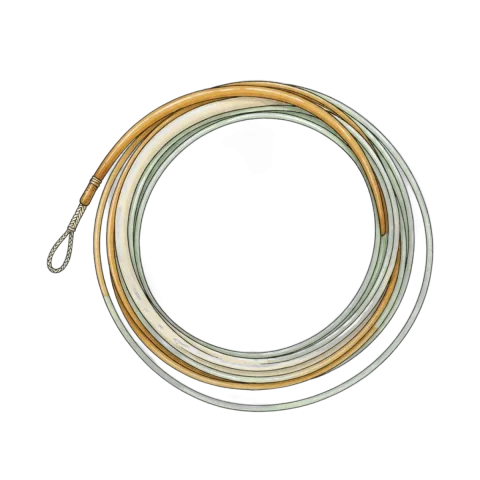
Line
Fly line
Fly line is the weighted shooting line that carries a near-weightless fly. Match it by weight class to the fly rod, not by kilo rating.
Sized for a typical fish
3wt
- Visibility
- Medium
- Abrasion
- Medium
- Stretch
- Low
- Sink rate
- Slow
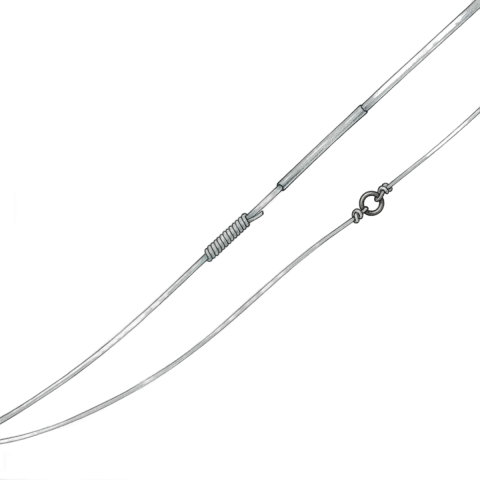
Leader
Tippet
Tippet is the fine, replaceable end of a fly leader, sized in X so you can match the fly and the fish.
Sized for a typical fish
1.6 kg · 0.13 mm · 75 cm · 6X
- Visibility
- Medium
- Abrasion
- Medium
- Stretch
- Medium
- Sink rate
- Slow
Best lures and baits for Spanish minnowcarp
Ranked lures and natural baits from every method, best first.
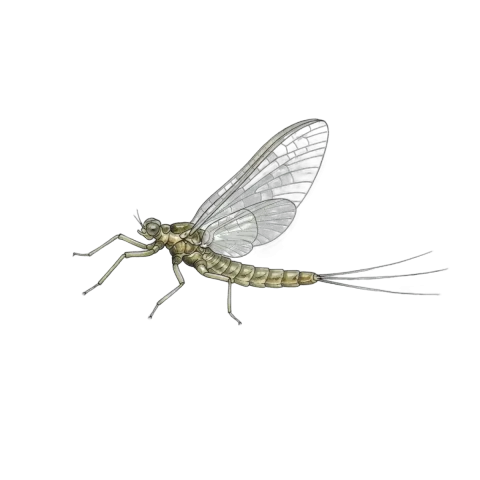
01
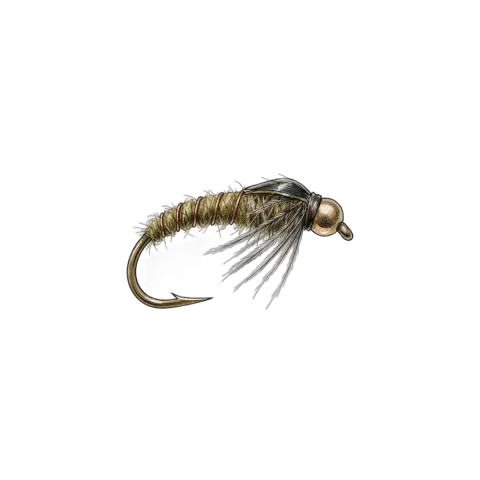
Insects
- Float Fishing
- Fly Fishing
Translucent upright wings create surface disturbance that attracts rising freshwater fish.
02
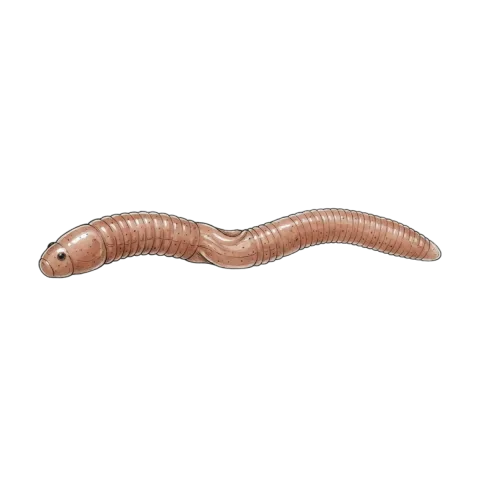
Worm
- Float Fishing
Rounded anterior end containing the mouth used for anchoring the bait on the hook.
04
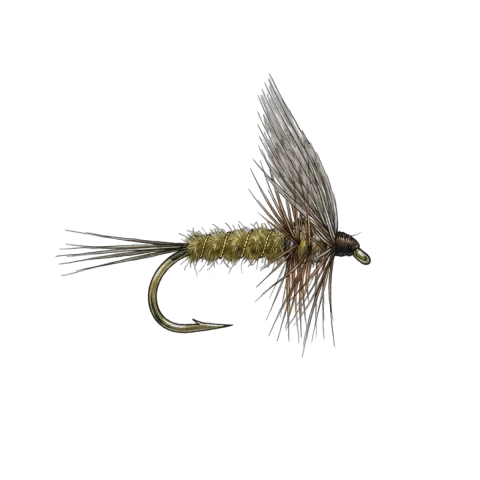
Dry fly
- Fly Fishing
A floating fly fished on the surface during a hatch.
How Spanish minnowcarp migrates — Potamodromous
Migrates within rivers and lakes only. Fish upstream runs and seasonal lake movements, not saltwater.
1 Eggs
Upstream
Laid on gravel or weed upstream or in flooded shallows.
2 Larvae
→ Main river or lake
Fry drift or swim down to slower water.
3 Adults
Main river or lake
Feed in the main river or lake.
4 Spawners
→ Upstream
Move upstream or into the shallows to spawn.
The whole cycle stays in fresh water.
Hover or tap a number to read each stage.
Diet and behavior of Spanish minnowcarp
-
Diet
Omnivore -
Feeds by
Mixed feeder -
Hunts
Morning
Where Spanish minnowcarp lives
Open-water fish in the main water column, away from the bottom.

Where this species lives
Spanish minnowcarp photos for identification
Compare these photos with the catalog plate to identify the species.