How to catch Atipa
Hoplosternum littorale (Hancock, 1828)
About Atipa fishing
The atipa is a small armored catfish belonging to the family Callichthyidae, featuring a robust, dorso-ventrally compressed body encased in bony plates and specialized intestinal respiration that allows it to survive in oxygen-depleted waters. Growing typically to around eighteen centimetres, this demersal freshwater species natively inhabits tropical standing waters, swamps, and whitewater floodplains across South America east of the Andes. It feeds primarily on benthic invertebrates, chironomid larvae, micro-crustaceans, and organic detritus, switching its diet seasonally between wet and dry periods. During the breeding season, males construct distinctive floating bubble nests and develop elongated, reddish pectoral spines to guard their eggs. Although primarily of commercial importance rather than a traditional sport fish, it is frequently encountered by local anglers throughout its native range.
-
Difficulty
Medium
-
Average size
18 cm
-
Habitat
Freshwater
-
Season
Spring, Summer, Autumn, Winter
-
Also known as
Brown hoplo, Catfish, Hassar

Armored Plates
Overlapping lateral scutes encase the body like heavy armor.
Chin Barbels
Prominent downward barbels near the subterminal mouth help detect bottom prey.
Adipose Fin
Small fleshy adipose fin sits just before the caudal peduncle.
Atipa fishing facts
Characteristics
-
Typical size
18 cm (max 26.3 cm TL ) -
Typical weight
0.2 kg (max 0.4 kg ) -
Depth
1 m -
Longevity
4 years -
Body shape
Fusiform / Normal -
Vulnerability score
16.3
Best hours
-
Active
Dawn
First light
-
Low
Morning
After sunrise
-
Low
Midday
High sun
-
Low
Afternoon
Late day
-
Peak
Dusk
Last light
-
Peak
Night
After dark
When to fish for Atipa
How to catch Atipa
Tips for catching Atipa
Targeting this armored catfish requires presenting small natural baits right on the muddy substrate where these fish forage for detritus and aquatic invertebrates. Bottom ledgering or light float fishing using small sections of worms or terrestrial insects works best when fished slowly around shallow swamps, slow-moving creeks, and dense aquatic vegetation. Because their natural feeding activity and general movement are predominantly nocturnal, sessions scheduled during dusk and night hours yield the most consistent results. Anglers should look for calm, shallow marginal zones with soft bottoms and low oxygen levels where these fish congregate. Quiet presentation is essential, as any heavy disturbance near the water edge will quickly drive them deeper into protective cover.
Other names for Atipa
Local and alternate names anglers use for Atipa.
-
Atipa
-
Hassar
-
Catfish
-
Brown hoplo
Best equipment to catch Atipa
Compare fishing methods for Atipa — sized kit for each technique.
Note: Typical fish is 0.2 kg Our algorithm will suggest the best equipment for you based on this weight.
Bottom Fishing
Presenting bait or rigs on or near the lake or sea floor.
70% Effectiveness

Rod
Spinning rod
A spinning rod is a fishing rod built to carry a spinning reel under the blank. You cast lures and light baits with it from shore or a boat.
Sized for a typical fish
ultralight · 1.8 m
- Reel seat
- Spinning
- Form factor
- Multi-piece
- Action
- Fast
- Grip
- EVA

Reel
Spinning reel
A spinning reel hangs under the fishing rod and is the default reel for casting lures and light baits. Line peels off an open spool with a bail.
Sized for a typical fish
1000 · 3 kg drag · 185 g
- Spool
- Fixed
- Mount
- Under
- Drag
- Front
- Retrieve
- Manual

Line
Monofilament line
Monofilament fishing line is the everyday main line: easy to knot, cheap to replace, and stretchy enough to forgive a hard strike.
Sized for a typical fish
1.3 kg · 0.125 mm
- Visibility
- Medium
- Abrasion
- Medium
- Stretch
- High
- Sink rate
- Slow

Leader
Fluorocarbon leader
A fluorocarbon leader is the clear, fast-sinking join between a visible main line and the lure or hook.
Sized for a typical fish
4 kg · 0.2 mm · 80 cm
- Visibility
- Very low
- Abrasion
- High
- Stretch
- Low
- Sink rate
- Fast

Hook
Circle hook
A circle hook turns in the mouth and usually finds the corner of the jaw. You do not strike hard — you come tight. It includes freshwater.
Sized for a typical fish
4
- Points
- 1
- Offset
- No
- Barbed
- Yes
- Gap
- Standard
Float Fishing
Suspending bait beneath a float at a controlled depth.
60% Effectiveness
Rod
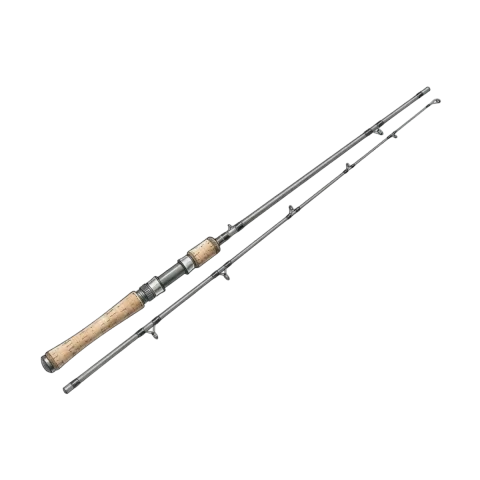
Float rod
A float rod is the all-round fishing rod for a float in rivers and still water, a step down in length from match.
Sized for a typical fish
light · 3.6 m
- Reel seat
- Spinning
- Form factor
- Multi-piece
- Action
- Moderate
- Grip
- Cork
Reel
Spinning reel
A spinning reel hangs under the fishing rod and is the default reel for casting lures and light baits. Line peels off an open spool with a bail.
Sized for a typical fish
1000 · 3 kg drag · 185 g
- Spool
- Fixed
- Mount
- Under
- Drag
- Front
- Retrieve
- Manual
Line
Monofilament line
Monofilament fishing line is the everyday main line: easy to knot, cheap to replace, and stretchy enough to forgive a hard strike.
Sized for a typical fish
1.3 kg · 0.125 mm
- Visibility
- Medium
- Abrasion
- Medium
- Stretch
- High
- Sink rate
- Slow
Hook
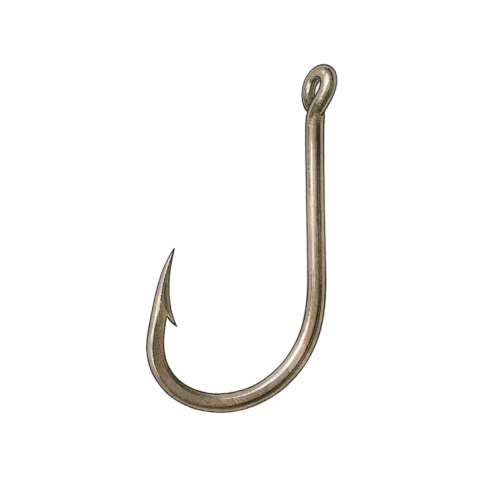
J-hook
A J-hook is the classic J-bend fishing hook for bait. You set it with a strike. Sizes are tokens such as 12 or 1/0.
Sized for a typical fish
12
- Points
- 1
- Offset
- No
- Barbed
- Yes
- Gap
- Standard
Float
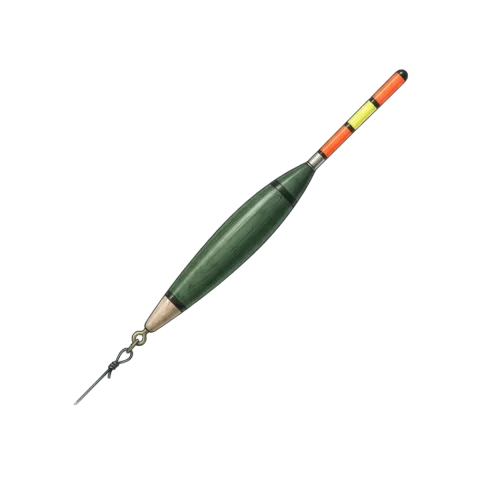
Waggler
A waggler is a bottom-only attachment float for stillwaters and slow rivers. You shot it down and watch the antenna.
Sized for a typical fish
4 g
- Attachment
- Fixed
- Habitats
- Freshwater
- Methods
- Float Fishing
Best lures and baits for Atipa
Ranked lures and natural baits from every method, best first.
01
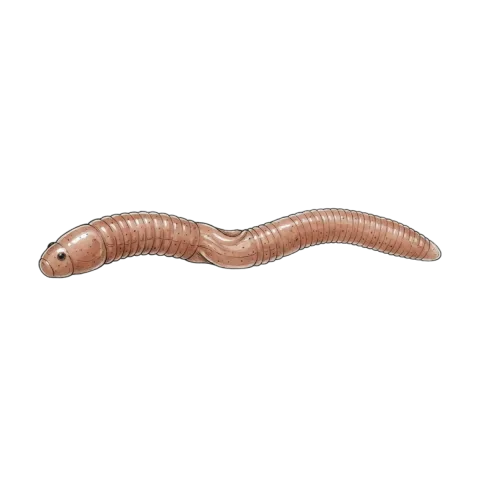
Worm
- Bottom Fishing
- Float Fishing
Rounded anterior end containing the mouth used for anchoring the bait on the hook.
02
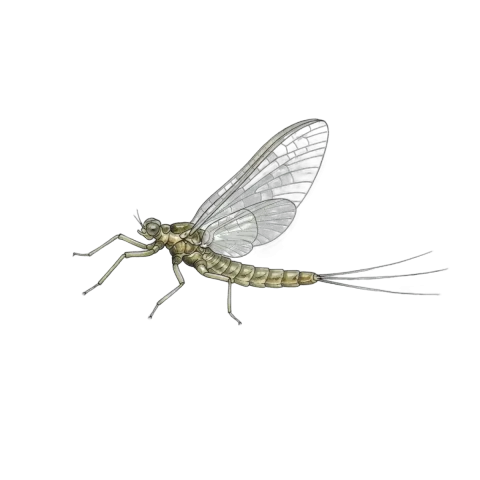
Insects
- Bottom Fishing
Translucent upright wings create surface disturbance that attracts rising freshwater fish.
Where Atipa spends the year — Non-migratory
Stays in the same waters year-round. Look for it on the same grounds rather than timing a run.
1 Eggs
Same water all year
Laid on the home grounds.
2 Juveniles
Same water all year
Grow up close by.
3 Adults
Same water all year
Keep to a small home range.
4 Spawners
Same water all year
Spawn on the same grounds, with only short moves.
Hover or tap a number to read each stage.
Diet and behavior of Atipa
-
Diet
Carnivore -
Feeds by
Hunts animals -
Hunts
Dusk · Night
Prey and predators of Atipa
Prey is what Atipa eats. Predators are the animals that eat it.
That is how it feeds, and how it is hunted.
Prey
What it eats
Other prey
Where Atipa lives
Lives on or just above the bottom. Work jigs, bait, and lures along the seabed.

Where this species lives
Atipa photos for identification
Compare these photos with the catalog plate to identify the species.