How to catch Bighead carp
Hypophthalmichthys nobilis (Richardson, 1845)
About Bighead carp fishing
The bighead carp is a large freshwater cyprinid belonging to the family Xenocyprididae, easily recognised by its massive scaleless head, very low-set eyes, and mottled silver-grey body bearing numerous dark blotches. Growing up to 146 cm in maximum length, this benthopelagic fish naturally inhabits large rivers and associated floodplain lakes across eastern Asia. As an unselective filter-feeder, it consumes large quantities of zooplankton and phytoplankton using specialised gill rakers. The species undertakes long-distance upstream migrations triggered by rising water levels and floods to spawn in turbulent river channels. Stocked widely outside its native range for aquaculture and water quality control, it forms large schools in warm, slow-flowing waters and shallow backwaters.
-
Difficulty
Medium
-
Average size
60 cm TL
-
Habitat
Freshwater, Brackish
-
Season
Spring, Summer, Autumn
-
Also known as
Big head, Big head carp, Bighead

Caudal shape
Deeply forked caudal fin helps distinguish this carp from rounded tail species.
Black blotches
Numerous scattered dark blotches across the flank uniquely identify the bighead carp.
Bighead carp fishing facts
Characteristics
-
Typical size
60 cm TL (max 146 cm SL ) -
Typical weight
5.5 kg (max 40 kg ) -
Depth
0 m -
Longevity
20 years -
Body shape
Fusiform / Normal -
Vulnerability score
63.8
Best hours
-
Low
Dawn
First light
-
Active
Morning
After sunrise
-
Peak
Midday
High sun
-
Peak
Afternoon
Late day
-
Active
Dusk
Last light
-
Low
Night
After dark
When to fish for Bighead carp
How to catch Bighead carp
Tips for catching Bighead carp
Targeting bighead carp with a rod and reel requires specialist tactics due to their filter-feeding habits. Because they feed primarily on suspended plankton rather than scavenging on the bottom, standard hook baits are rarely effective unless presented within a cloud of fine groundbait or specialised cloud-bait feeders. Float fishing with high-buoyancy rigs or suspension method feeders packed with powdery, milky groundbait helps present the hook directly amidst the feeding cloud where these fish filter the water. Concentrate your efforts in warm, slow-moving bays, large reservoirs, and lowland river stretches during calm summer afternoons when surface and mid-water activity peaks. Look for rolling fish or areas with gentle current where plankton concentrates, and use heavy gear capable of handling powerful, sustained runs from large specimens.
Other names for Bighead carp
Local and alternate names anglers use for Bighead carp.
-
Bighead carp
-
Bighead
-
Big head carp
-
Big head
Best equipment to catch Bighead carp
Compare fishing methods for Bighead carp — sized kit for each technique.
Note: Typical fish is 5.5 kg Our algorithm will suggest the best equipment for you based on this weight.
Float Fishing
Suspending bait beneath a float at a controlled depth.
80% Effectiveness
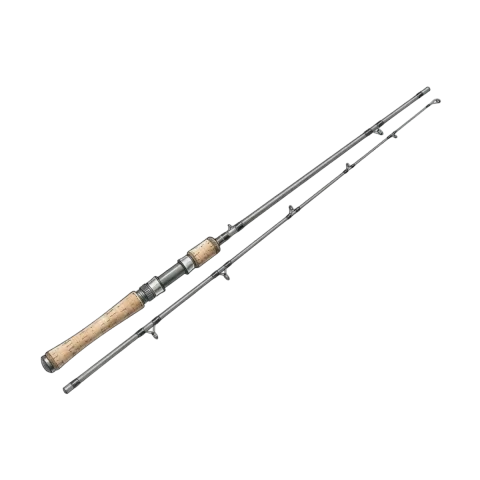
Rod
Float rod
A float rod is the all-round fishing rod for a float in rivers and still water, a step down in length from match.
Sized for a typical fish
medium · 4.2 m
- Reel seat
- Spinning
- Form factor
- Multi-piece
- Action
- Moderate
- Grip
- Cork

Reel
Spinning reel
A spinning reel hangs under the fishing rod and is the default reel for casting lures and light baits. Line peels off an open spool with a bail.
Sized for a typical fish
4000 · 8 kg drag · 275 g
- Spool
- Fixed
- Mount
- Under
- Drag
- Front
- Retrieve
- Manual

Line
Monofilament line
Monofilament fishing line is the everyday main line: easy to knot, cheap to replace, and stretchy enough to forgive a hard strike.
Sized for a typical fish
19 kg · 0.505 mm
- Visibility
- Medium
- Abrasion
- Medium
- Stretch
- High
- Sink rate
- Slow
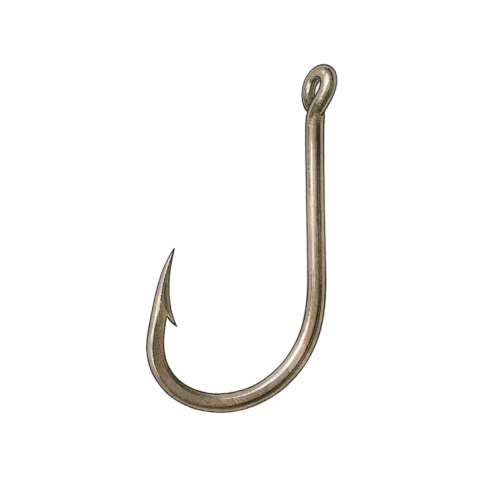
Hook
J-hook
A J-hook is the classic J-bend fishing hook for bait. You set it with a strike. Sizes are tokens such as 12 or 1/0.
Sized for a typical fish
1/0
- Points
- 1
- Offset
- No
- Barbed
- Yes
- Gap
- Standard
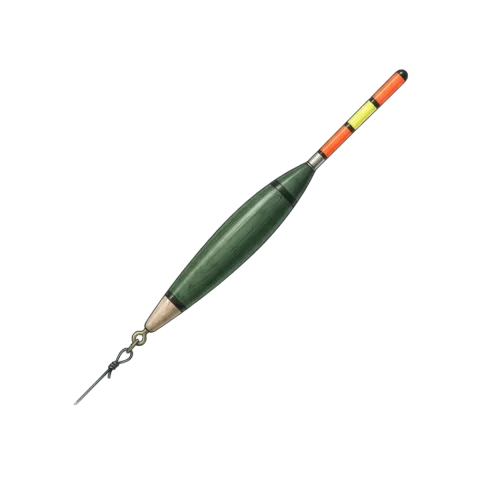
Float
Waggler
A waggler is a bottom-only attachment float for stillwaters and slow rivers. You shot it down and watch the antenna.
Sized for a typical fish
4 g
- Attachment
- Fixed
- Habitats
- Freshwater
- Methods
- Float Fishing
Feeder Fishing
Ledgering with a swimfeeder or method feeder and a quiver-tip rod.
70% Effectiveness
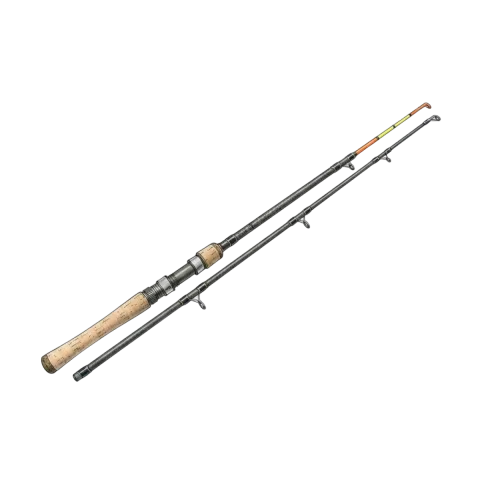
Rod
Feeder rod
A feeder rod is a long, quiver-tipped fishing rod for casting a feeder and watching the tip for bites.
Sized for a typical fish
medium-heavy · 3.9 m
- Reel seat
- Spinning
- Form factor
- Multi-piece
- Action
- Moderate
- Grip
- Cork
Reel
Spinning reel
A spinning reel hangs under the fishing rod and is the default reel for casting lures and light baits. Line peels off an open spool with a bail.
Sized for a typical fish
4000 · 8 kg drag · 275 g
- Spool
- Fixed
- Mount
- Under
- Drag
- Front
- Retrieve
- Manual
Line
Monofilament line
Monofilament fishing line is the everyday main line: easy to knot, cheap to replace, and stretchy enough to forgive a hard strike.
Sized for a typical fish
19 kg · 0.505 mm
- Visibility
- Medium
- Abrasion
- Medium
- Stretch
- High
- Sink rate
- Slow
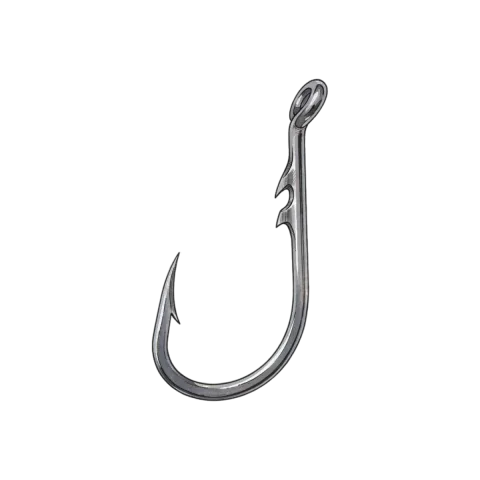
Hook
Baitholder hook
A baitholder hook has barbs on the shank to stop a worm or piece of bait sliding down. Classic float and feeder hook.
Sized for a typical fish
2
- Points
- 1
- Offset
- No
- Barbed
- Yes
- Gap
- Standard
Best lures and baits for Bighead carp
Ranked lures and natural baits from every method, best first.
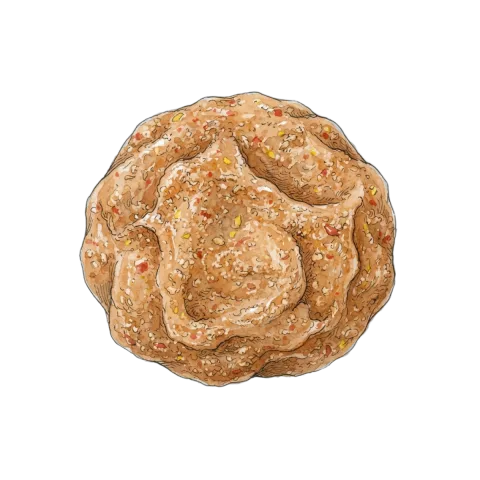
01
Dough bait
- Float Fishing
Molded round ball of prepared dough designed to stay on the hook.
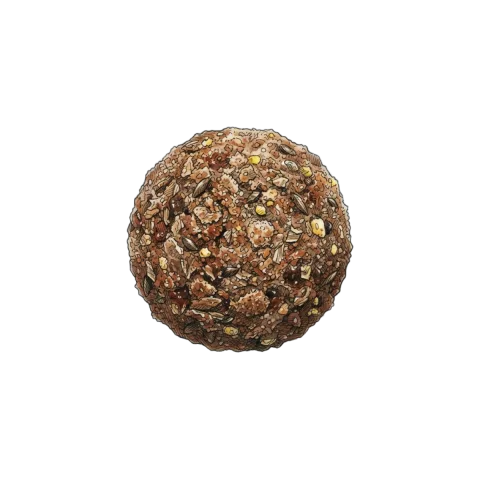
02
Groundbait
- Feeder Fishing
Compressed sphere of mixed feed designed to break down slowly on the bottom.
How Bighead carp migrates — Potamodromous
Migrates within rivers and lakes only. Fish upstream runs and seasonal lake movements, not saltwater.
1 Eggs
Upstream
Laid on gravel or weed upstream or in flooded shallows.
2 Larvae
→ Main river or lake
Fry drift or swim down to slower water.
3 Adults
Main river or lake
Feed in the main river or lake.
4 Spawners
→ Upstream
Move upstream or into the shallows to spawn.
The whole cycle stays in fresh water.
Hover or tap a number to read each stage.
Diet and behavior of Bighead carp
-
Diet
Carnivore -
Feeds by
Mixed feeder -
Hunts
Midday · Afternoon
Prey and predators of Bighead carp
Prey is what Bighead carp eats. Predators are the animals that eat it.
That is how it feeds, and how it is hunted.
Prey
What it eats
Other prey
Where Bighead carp lives
Lives near the bottom but swims in the water just above it. Cover the lower column, not only the mud.

Where this species lives
Bighead carp photos for identification
Compare these photos with the catalog plate to identify the species.