How to catch Blacktail comber
Serranus atricauda Günther, 1874
About Blacktail comber fishing
The blacktail comber is a robust demersal marine fish belonging to the family Serranidae, exhibiting a fusiform body shape characterized by distinct vertical stripes and golden markings along its fins. Growing to a maximum length of over forty centimetres, this carnivorous predator inhabits rocky bottoms and structured reefs across the eastern Atlantic and parts of the Mediterranean Sea, operating primarily within depths ranging from shallow coastal waters down to one hundred and fifty metres. As a solitary and territorial hunter, it feeds on small fish, crustaceans, and marine worms, and it reproduces as an oviparous simultaneous hermaphrodite spawning in open water. Although not targeted as a major game fish, it holds local commercial value and offers an engaging challenge for marine anglers exploring rocky coastal structures.
-
Difficulty
Medium
-
Average size
25 cm TL
-
Market value
Medium
-
Habitat
Saltwater
-
Season
Spring, Summer, Autumn

Caudal peduncle spot
Distinctive dark blotch on the caudal peduncle helps identify this comber species.
Vertical body bars
Numerous dark vertical bars along the flanks distinguish it from plain relatives.
Blacktail comber fishing facts
Characteristics
-
Typical size
25 cm TL (max 43.2 cm TL ) -
Typical weight
0.2 kg (max 0.9 kg ) -
Preferred temperature
16.3–19.4 °C -
Depth
3–150 m -
Longevity
16 years -
Body shape
Fusiform / Normal -
Commercial?
-
Vulnerability score
45.1
Best hours
-
Low
Dawn
First light
-
Peak
Morning
After sunrise
-
Active
Midday
High sun
-
Peak
Afternoon
Late day
-
Low
Dusk
Last light
-
Low
Night
After dark
When to fish for Blacktail comber
How to catch Blacktail comber
Tips for catching Blacktail comber
To target the blacktail comber successfully, focus your efforts around deep rocky outcrops, rough ground, and structured seabeds where these territorial predators lie in wait. Bottom fishing with small running ledger rigs or paternoster setups baited with fresh strips of squid, sardine, or small crustaceans yields consistent results when presented right on or near the sea floor. Alternatively, light spinning and slow vertical presentation techniques using small soft plastic lures or micro jigs worked tightly among underwater obstacles will provoke aggressive strikes from fish defending their territory. Plan your sessions during daylight hours, particularly from late spring through early autumn when water temperatures align with their preferred comfort range and coastal activity peaks.
Other names for Blacktail comber
Local and alternate names anglers use for Blacktail comber.
-
Blacktail comber
Best equipment to catch Blacktail comber
Compare fishing methods for Blacktail comber — sized kit for each technique.
Note: Typical fish is 0.2 kg Our algorithm will suggest the best equipment for you based on this weight.
Bottom Fishing
Presenting bait or rigs on or near the lake or sea floor.
90% Effectiveness

Rod
Spinning rod
A spinning rod is a fishing rod built to carry a spinning reel under the blank. You cast lures and light baits with it from shore or a boat.
Sized for a typical fish
ultralight · 1.8 m
- Reel seat
- Spinning
- Form factor
- Multi-piece
- Action
- Fast
- Grip
- EVA

Reel
Spinning reel
A spinning reel hangs under the fishing rod and is the default reel for casting lures and light baits. Line peels off an open spool with a bail.
Sized for a typical fish
1000 · 3 kg drag · 185 g
- Spool
- Fixed
- Mount
- Under
- Drag
- Front
- Retrieve
- Manual

Line
Monofilament line
Monofilament fishing line is the everyday main line: easy to knot, cheap to replace, and stretchy enough to forgive a hard strike.
Sized for a typical fish
1.3 kg · 0.125 mm
- Visibility
- Medium
- Abrasion
- Medium
- Stretch
- High
- Sink rate
- Slow

Leader
Fluorocarbon leader
A fluorocarbon leader is the clear, fast-sinking join between a visible main line and the lure or hook.
Sized for a typical fish
4 kg · 0.2 mm · 80 cm
- Visibility
- Very low
- Abrasion
- High
- Stretch
- Low
- Sink rate
- Fast

Hook
Circle hook
A circle hook turns in the mouth and usually finds the corner of the jaw. You do not strike hard — you come tight. It includes freshwater.
Sized for a typical fish
4
- Points
- 1
- Offset
- No
- Barbed
- Yes
- Gap
- Standard
Spinning
Casting and retrieving lures with a spinning rod and reel.
60% Effectiveness
Rod
Spinning rod
A spinning rod is a fishing rod built to carry a spinning reel under the blank. You cast lures and light baits with it from shore or a boat.
Sized for a typical fish
ultralight · 1.8 m
- Reel seat
- Spinning
- Form factor
- Multi-piece
- Action
- Fast
- Grip
- EVA
Reel
Spinning reel
A spinning reel hangs under the fishing rod and is the default reel for casting lures and light baits. Line peels off an open spool with a bail.
Sized for a typical fish
1000 · 3 kg drag · 185 g
- Spool
- Fixed
- Mount
- Under
- Drag
- Front
- Retrieve
- Manual

Line
Braided line
Braided fishing line is the thin, no-stretch main for long casts, jigging, and feeling every tick on the retrieve.
Sized for a typical fish
6 kg · 0.1 mm
- Visibility
- High
- Abrasion
- Low
- Stretch
- None
- Sink rate
- Floats
Leader
Fluorocarbon leader
A fluorocarbon leader is the clear, fast-sinking join between a visible main line and the lure or hook.
Sized for a typical fish
7 kg · 0.3 mm · 90 cm
- Visibility
- Very low
- Abrasion
- High
- Stretch
- Low
- Sink rate
- Fast
Jigging
Working vertical lures with an active up-and-down motion.
50% Effectiveness
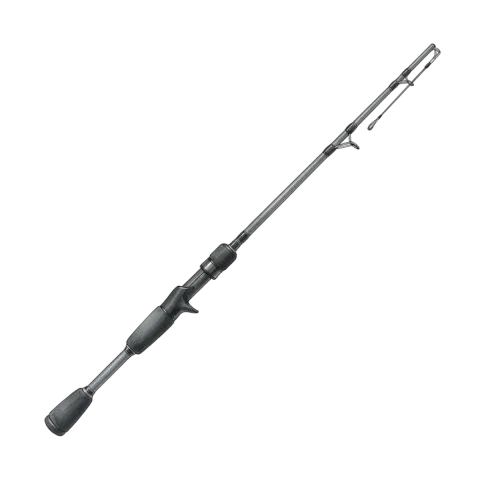
Rod
Jigging rod
A jigging rod is the short, powerful fishing rod for working a metal jig up through the column, including freshwater jigging.
Sized for a typical fish
heavy · 1.52 m
- Reel seat
- Casting
- Form factor
- One-piece
- Action
- Fast
- Grip
- EVA
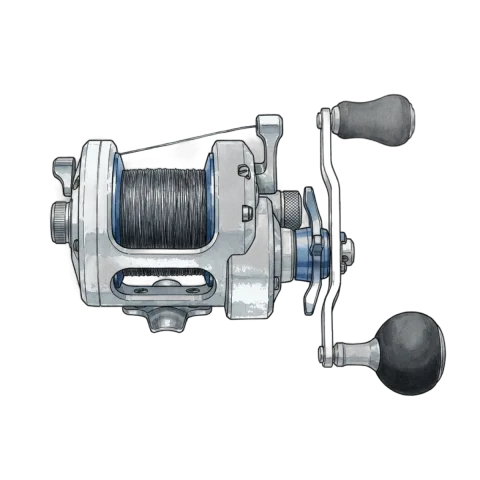
Reel
Jigging reel
A jigging reel is a compact, high-speed conventional for working metal jigs. A short retrieve picks up slack fast.
Sized for a typical fish
10 · 10 kg drag
- Spool
- Revolving
- Mount
- Over
- Drag
- Star
- Retrieve
- Manual
Line
Braided line
Braided fishing line is the thin, no-stretch main for long casts, jigging, and feeling every tick on the retrieve.
Sized for a typical fish
6 kg · 0.1 mm
- Visibility
- High
- Abrasion
- Low
- Stretch
- None
- Sink rate
- Floats
Leader
Fluorocarbon leader
A fluorocarbon leader is the clear, fast-sinking join between a visible main line and the lure or hook.
Sized for a typical fish
7 kg · 0.3 mm · 90 cm
- Visibility
- Very low
- Abrasion
- High
- Stretch
- Low
- Sink rate
- Fast
Best lures and baits for Blacktail comber
Ranked lures and natural baits from every method, best first.
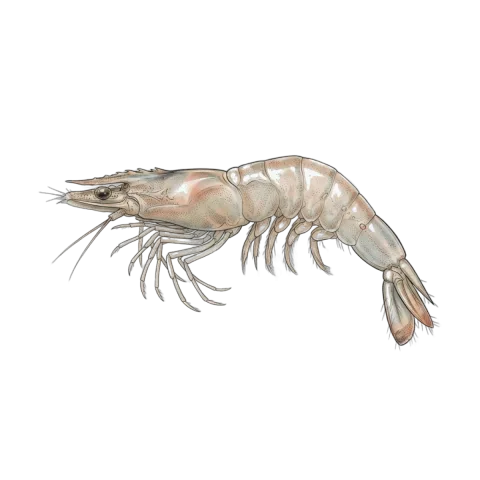
01
Shrimp
- Bottom Fishing
Translucent segmented carapace protects the body.
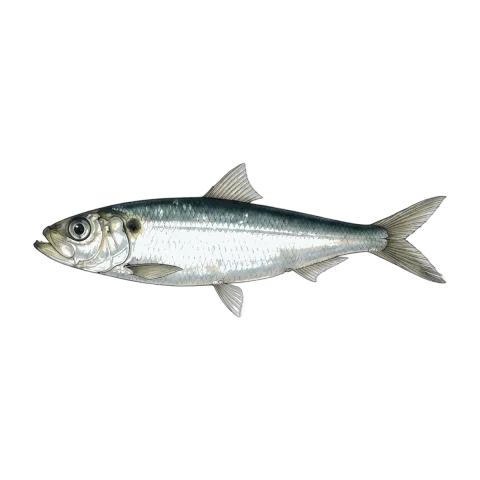
02
Sardine
- Bottom Fishing
Elongated silvery baitfish body releases strong scent trails.
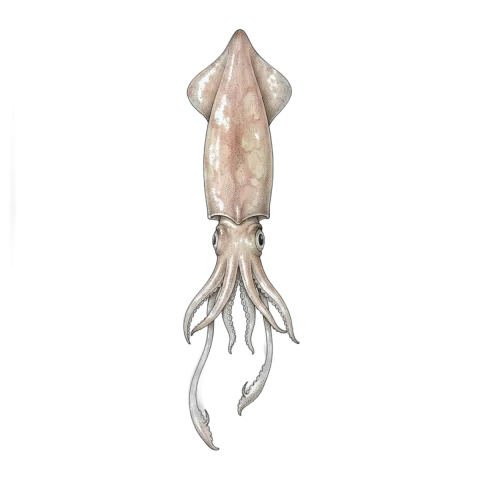
03
Squid
- Bottom Fishing
Elongated muscular body holds internal organs and secretes scent in the water.
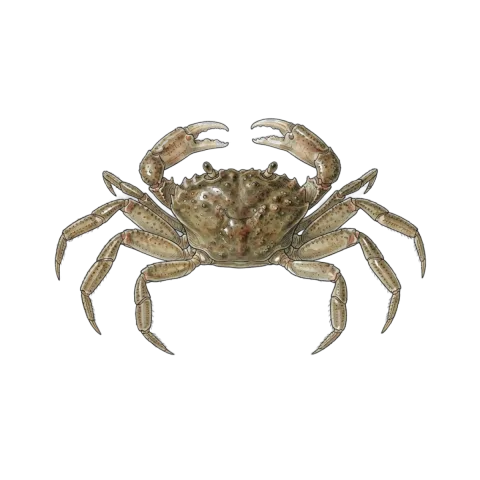
04
Crab
- Bottom Fishing
Hard upper shell protects the crab and anchors its vital organs.
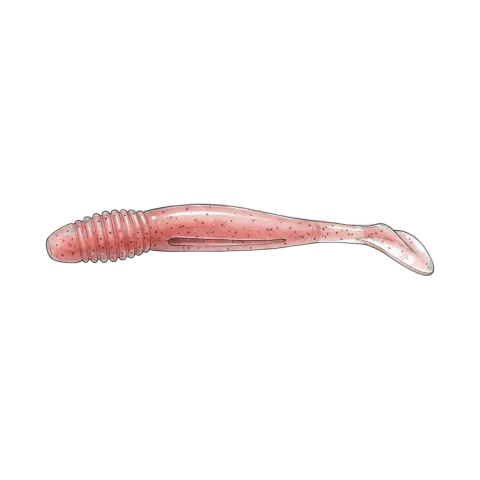
05
Soft worm
- Spinning
A long soft worm for Texas, wacky, and ned-style spinning.
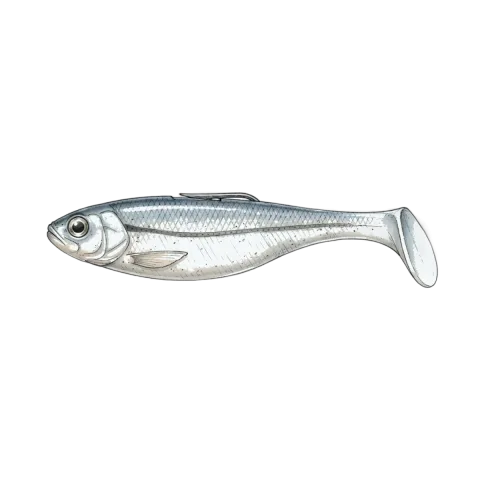
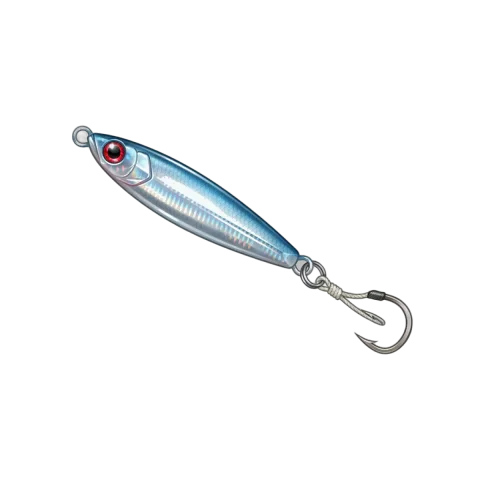
07
Metal jig
- Jigging
A long metal lure for speed-jigging the deep column.
Where Blacktail comber spends the year — Non-migratory
Stays in the same waters year-round. Look for it on the same grounds rather than timing a run.
1 Eggs
Same water all year
Laid on the home grounds.
2 Juveniles
Same water all year
Grow up close by.
3 Adults
Same water all year
Keep to a small home range.
4 Spawners
Same water all year
Spawn on the same grounds, with only short moves.
Hover or tap a number to read each stage.
Diet and behavior of Blacktail comber
-
Diet
Top predator -
Feeds by
Hunts animals -
Hunts
Morning · Afternoon -
Main prey
Baitfish
Prey and predators of Blacktail comber
Prey is what Blacktail comber eats. Predators are the animals that eat it.
That is how it feeds, and how it is hunted.
Prey
What it eats
Where Blacktail comber lives
Lives on or just above the bottom. Work jigs, bait, and lures along the seabed.
3–150 m

Where this species lives
Blacktail comber photos for identification
Compare these photos with the catalog plate to identify the species.
Where to fish for Blacktail comber
Mapped fishing spots where Blacktail comber is recorded — open a pin for access and methods.


