How to catch Channel catfish
Ictalurus punctatus (Rafinesque, 1818)
About Channel catfish fishing
The channel catfish belongs to the North American freshwater family Ictaluridae and possesses a streamlined fusiform body with a deeply forked tail, smooth scaleless skin, and long sensory barbels surrounding the mouth. Adults typically feature a bluish-olive or grey back fading to white below, often marked with dark spots along the flanks. Growing to a maximum length of 132 cm and a top weight of 26.3 kg, this adaptable demersal fish inhabits clean rivers, deep pools, natural lakes, and reservoirs across a depth range of 0 to 15 metres. It is an omnivorous bottom feeder consuming fish, crustaceans, molluscs, and aquatic insects, relying on keen taste receptors to locate food in low visibility. Spawning occurs during the warmer summer months in sheltered cavities or crevices, and the species has been widely introduced outside its native North American range for aquaculture and recreational angling.
-
Difficulty
Medium
-
Average size
57 cm SL
-
Habitat
Freshwater
-
Season
Spring, Summer, Autumn
-
Also known as
Catfish, Graceful catfish

Adipose fin
Small fleshy fin located between dorsal and caudal fins.
Long barbels
Sensory barbels surround the mouth to help locate food.
Scattered spots
Dark spots are scattered along the sides of the body.
Deeply forked tail
The deeply forked caudal fin helps distinguish this species.
Channel catfish fishing facts
Characteristics
-
Typical size
57 cm SL (max 132 cm TL ) -
Typical weight
3.5 kg (max 26.3 kg ) -
Depth
0–15 m -
Longevity
24 years -
Body shape
Fusiform / Normal -
Vulnerability score
72.5
Best hours
-
Active
Dawn
First light
-
Low
Morning
After sunrise
-
Low
Midday
High sun
-
Low
Afternoon
Late day
-
Peak
Dusk
Last light
-
Peak
Night
After dark
When to fish for Channel catfish
How to catch Channel catfish
Tips for catching Channel catfish
Anglers targeting channel catfish should focus on deep pools, slow-flowing river stretches, and reservoir bottoms where these scent-driven fish forage near structure. Because they possess acute taste perception and feed actively during low-light conditions, presentation of strong-smelling bottom baits yields the best results. Standard ledgering rigs equipped with weighted leads or simple running line setups keep natural offerings stationary near the substrate. Productive baits include heavy bunches of worms, pieces of oily fish, or scented liver items that release strong amino acid trails into the water column. The prime period for consistent sport spans the warmer months from late spring through early autumn, with peak feeding activity concentrated heavily from dusk through the entire night.
Other names for Channel catfish
Local and alternate names anglers use for Channel catfish.
-
Graceful catfish
-
Channel catfish
-
Catfish
Best equipment to catch Channel catfish
Compare fishing methods for Channel catfish — sized kit for each technique.
Note: Typical fish is 3.5 kg Our algorithm will suggest the best equipment for you based on this weight.
Bottom Fishing
Presenting bait or rigs on or near the lake or sea floor.
90% Effectiveness

Rod
Spinning rod
A spinning rod is a fishing rod built to carry a spinning reel under the blank. You cast lures and light baits with it from shore or a boat.
Sized for a typical fish
medium · 2.13 m
- Reel seat
- Spinning
- Form factor
- Multi-piece
- Action
- Fast
- Grip
- EVA

Reel
Spinning reel
A spinning reel hangs under the fishing rod and is the default reel for casting lures and light baits. Line peels off an open spool with a bail.
Sized for a typical fish
2500 · 5 kg drag · 220 g
- Spool
- Fixed
- Mount
- Under
- Drag
- Front
- Retrieve
- Manual

Line
Monofilament line
Monofilament fishing line is the everyday main line: easy to knot, cheap to replace, and stretchy enough to forgive a hard strike.
Sized for a typical fish
13 kg · 0.4 mm
- Visibility
- Medium
- Abrasion
- Medium
- Stretch
- High
- Sink rate
- Slow

Leader
Fluorocarbon leader
A fluorocarbon leader is the clear, fast-sinking join between a visible main line and the lure or hook.
Sized for a typical fish
18.1 kg · 0.602 mm · 120 cm
- Visibility
- Very low
- Abrasion
- High
- Stretch
- Low
- Sink rate
- Fast

Hook
Circle hook
A circle hook turns in the mouth and usually finds the corner of the jaw. You do not strike hard — you come tight. It includes freshwater.
Sized for a typical fish
3/0
- Points
- 1
- Offset
- No
- Barbed
- Yes
- Gap
- Standard
Float Fishing
Suspending bait beneath a float at a controlled depth.
70% Effectiveness
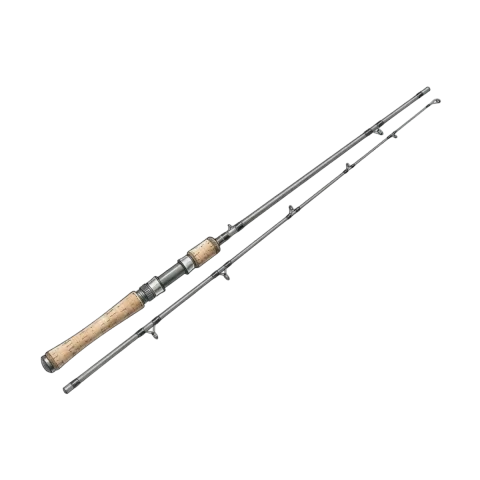
Rod
Float rod
A float rod is the all-round fishing rod for a float in rivers and still water, a step down in length from match.
Sized for a typical fish
medium · 4.2 m
- Reel seat
- Spinning
- Form factor
- Multi-piece
- Action
- Moderate
- Grip
- Cork
Reel
Spinning reel
A spinning reel hangs under the fishing rod and is the default reel for casting lures and light baits. Line peels off an open spool with a bail.
Sized for a typical fish
2500 · 5 kg drag · 220 g
- Spool
- Fixed
- Mount
- Under
- Drag
- Front
- Retrieve
- Manual
Line
Monofilament line
Monofilament fishing line is the everyday main line: easy to knot, cheap to replace, and stretchy enough to forgive a hard strike.
Sized for a typical fish
13 kg · 0.4 mm
- Visibility
- Medium
- Abrasion
- Medium
- Stretch
- High
- Sink rate
- Slow
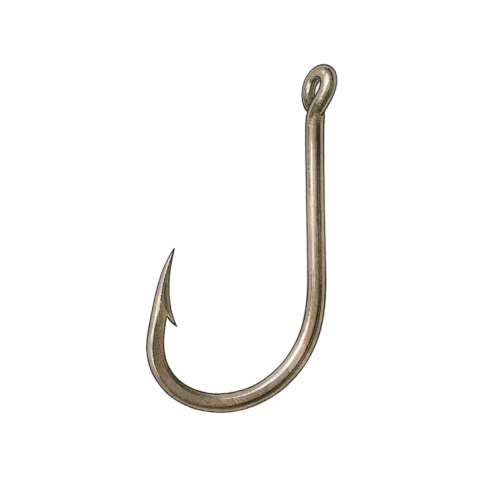
Hook
J-hook
A J-hook is the classic J-bend fishing hook for bait. You set it with a strike. Sizes are tokens such as 12 or 1/0.
Sized for a typical fish
1/0
- Points
- 1
- Offset
- No
- Barbed
- Yes
- Gap
- Standard
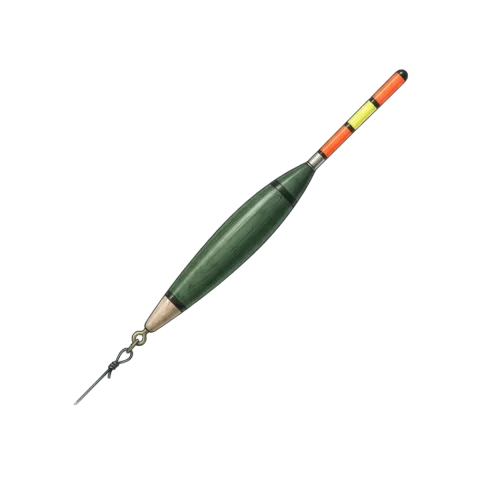
Float
Waggler
A waggler is a bottom-only attachment float for stillwaters and slow rivers. You shot it down and watch the antenna.
Sized for a typical fish
4 g
- Attachment
- Fixed
- Habitats
- Freshwater
- Methods
- Float Fishing
Best lures and baits for Channel catfish
Ranked lures and natural baits from every method, best first.
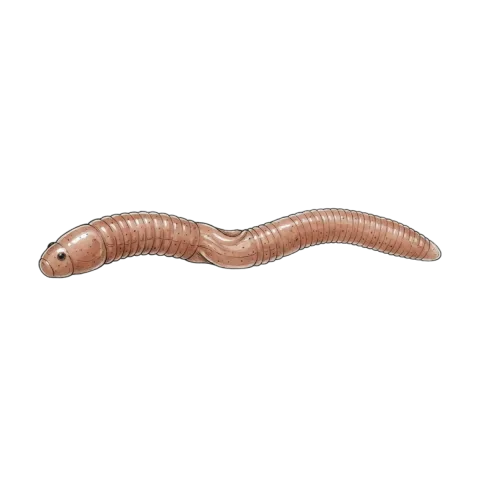
01
Worm
- Bottom Fishing
- Float Fishing
Rounded anterior end containing the mouth used for anchoring the bait on the hook.
02
Fish chunks
- Bottom Fishing
Freshly sliced fish chunk providing rich scent attraction for bottom fishing.
How Channel catfish migrates — Potamodromous
Migrates within rivers and lakes only. Fish upstream runs and seasonal lake movements, not saltwater.
1 Eggs
Upstream
Laid on gravel or weed upstream or in flooded shallows.
2 Larvae
→ Main river or lake
Fry drift or swim down to slower water.
3 Adults
Main river or lake
Feed in the main river or lake.
4 Spawners
→ Upstream
Move upstream or into the shallows to spawn.
The whole cycle stays in fresh water.
Hover or tap a number to read each stage.
Diet and behavior of Channel catfish
-
Diet
Top predator -
Feeds by
Mixed feeder -
Hunts
Dusk · Night -
Main prey
Baitfish
Prey and predators of Channel catfish
Prey is what Channel catfish eats. Predators are the animals that eat it.
That is how it feeds, and how it is hunted.
Prey
What it eats
Predators
What hunts it
Where Channel catfish lives
Lives on or just above the bottom. Work jigs, bait, and lures along the seabed.
0–15 m

Where this species lives
Channel catfish photos for identification
Compare these photos with the catalog plate to identify the species.
Where to fish for Channel catfish
Mapped fishing spots where Channel catfish is recorded — open a pin for access and methods.


