How to catch Chondrostoma vardarense
Chondrostoma vardarense Karaman, 1928
About Chondrostoma vardarense fishing
The Vardar nase is a ray finned freshwater fish belonging to the family Leuciscidae, featuring an elongated body shape and a distinct straight mouth equipped with a cornified lower lip sheath. This benthopelagic species naturally inhabits fast flowing lowland rivers and brooks characterized by stone to rock substrates, predominantly found across drainages in the Balkan region and Turkey. It feeds primarily by grazing on benthic algae and detritus from hard riverbeds, frequently undertaking spawning migrations into tributary rapids and riffles during spring. Due to its specialized feeding habits and sporting qualities, it is recognized as a game fish, though populations face increasing environmental pressures from habitat loss and water abstraction.
-
Difficulty
Medium
-
Habitat
Freshwater
-
Season
Spring, Summer, Autumn

Caudal shape
Deeply forked caudal fin helps distinguish this species from round-tailed cyprinids.
Pelvic-fin position
Abdominal pelvic fins positioned far back along the belly.
Straight mouth
Straight inferior mouth with cornified lower lip sheath characteristic of Chondrostoma.
Chondrostoma vardarense fishing facts
Characteristics
-
Typical size
35 cm SL -
Typical weight
0.2 kg (max 0.5 kg ) -
Body shape
Elongated -
Vulnerability score
56.4
Best hours
-
Low
Dawn
First light
-
Peak
Morning
After sunrise
-
Active
Midday
High sun
-
Peak
Afternoon
Late day
-
Low
Dusk
Last light
-
Low
Night
After dark
When to fish for Chondrostoma vardarense
How to catch Chondrostoma vardarense
Tips for catching Chondrostoma vardarense
Targeting this riverine grazer requires presenting baits precisely near stony or rocky river bottoms where swift currents prevail. Float fishing with fine tackle or ledgering with a light feeder setup works exceptionally well when scaled down for bottom-dwelling browsers. Because these fish feed primarily by scraping algae and organic matter from stones, small natural offerings like maggots, worms, or pieces of bread presented right on the river bed yield the best results. Concentrating your efforts during daylight hours in the warmer months when river flows are stable offers the highest chance of success, particularly in runs and glides just upstream of deeper pools.
Best equipment to catch Chondrostoma vardarense
Compare fishing methods for Chondrostoma vardarense — sized kit for each technique.
Note: Typical fish is 0.2 kg Our algorithm will suggest the best equipment for you based on this weight.
Float Fishing
Suspending bait beneath a float at a controlled depth.
85% Effectiveness

Rod
Float rod
A float rod is the all-round fishing rod for a float in rivers and still water, a step down in length from match.
Sized for a typical fish
light · 3.6 m
- Reel seat
- Spinning
- Form factor
- Multi-piece
- Action
- Moderate
- Grip
- Cork

Reel
Spinning reel
A spinning reel hangs under the fishing rod and is the default reel for casting lures and light baits. Line peels off an open spool with a bail.
Sized for a typical fish
1000 · 3 kg drag · 185 g
- Spool
- Fixed
- Mount
- Under
- Drag
- Front
- Retrieve
- Manual

Line
Monofilament line
Monofilament fishing line is the everyday main line: easy to knot, cheap to replace, and stretchy enough to forgive a hard strike.
Sized for a typical fish
1.3 kg · 0.125 mm
- Visibility
- Medium
- Abrasion
- Medium
- Stretch
- High
- Sink rate
- Slow

Hook
J-hook
A J-hook is the classic J-bend fishing hook for bait. You set it with a strike. Sizes are tokens such as 12 or 1/0.
Sized for a typical fish
12
- Points
- 1
- Offset
- No
- Barbed
- Yes
- Gap
- Standard

Float
Waggler
A waggler is a bottom-only attachment float for stillwaters and slow rivers. You shot it down and watch the antenna.
Sized for a typical fish
4 g
- Attachment
- Fixed
- Habitats
- Freshwater
- Methods
- Float Fishing
Feeder Fishing
Ledgering with a swimfeeder or method feeder and a quiver-tip rod.
75% Effectiveness
Rod
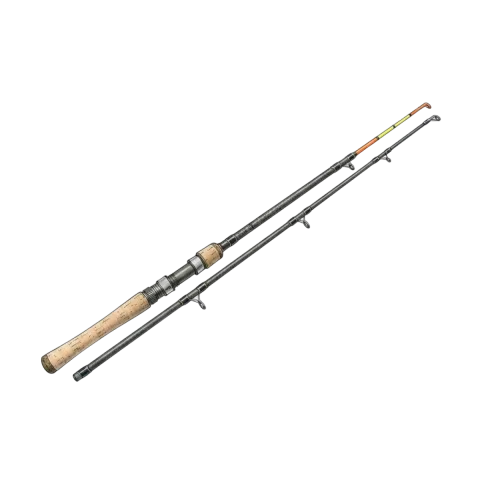
Feeder rod
A feeder rod is a long, quiver-tipped fishing rod for casting a feeder and watching the tip for bites.
Sized for a typical fish
medium · 3.3 m
- Reel seat
- Spinning
- Form factor
- Multi-piece
- Action
- Moderate
- Grip
- Cork
Reel
Spinning reel
A spinning reel hangs under the fishing rod and is the default reel for casting lures and light baits. Line peels off an open spool with a bail.
Sized for a typical fish
1000 · 3 kg drag · 185 g
- Spool
- Fixed
- Mount
- Under
- Drag
- Front
- Retrieve
- Manual
Line
Monofilament line
Monofilament fishing line is the everyday main line: easy to knot, cheap to replace, and stretchy enough to forgive a hard strike.
Sized for a typical fish
1.3 kg · 0.125 mm
- Visibility
- Medium
- Abrasion
- Medium
- Stretch
- High
- Sink rate
- Slow
Hook
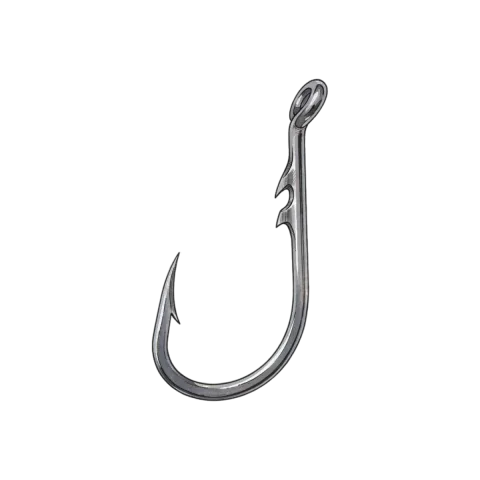
Baitholder hook
A baitholder hook has barbs on the shank to stop a worm or piece of bait sliding down. Classic float and feeder hook.
Sized for a typical fish
12
- Points
- 1
- Offset
- No
- Barbed
- Yes
- Gap
- Standard
Bottom Fishing
Presenting bait or rigs on or near the lake or sea floor.
70% Effectiveness

Rod
Spinning rod
A spinning rod is a fishing rod built to carry a spinning reel under the blank. You cast lures and light baits with it from shore or a boat.
Sized for a typical fish
ultralight · 1.8 m
- Reel seat
- Spinning
- Form factor
- Multi-piece
- Action
- Fast
- Grip
- EVA
Reel
Spinning reel
A spinning reel hangs under the fishing rod and is the default reel for casting lures and light baits. Line peels off an open spool with a bail.
Sized for a typical fish
1000 · 3 kg drag · 185 g
- Spool
- Fixed
- Mount
- Under
- Drag
- Front
- Retrieve
- Manual
Line
Monofilament line
Monofilament fishing line is the everyday main line: easy to knot, cheap to replace, and stretchy enough to forgive a hard strike.
Sized for a typical fish
1.3 kg · 0.125 mm
- Visibility
- Medium
- Abrasion
- Medium
- Stretch
- High
- Sink rate
- Slow

Leader
Fluorocarbon leader
A fluorocarbon leader is the clear, fast-sinking join between a visible main line and the lure or hook.
Sized for a typical fish
4 kg · 0.2 mm · 80 cm
- Visibility
- Very low
- Abrasion
- High
- Stretch
- Low
- Sink rate
- Fast

Hook
Circle hook
A circle hook turns in the mouth and usually finds the corner of the jaw. You do not strike hard — you come tight. It includes freshwater.
Sized for a typical fish
4
- Points
- 1
- Offset
- No
- Barbed
- Yes
- Gap
- Standard
Best lures and baits for Chondrostoma vardarense
Ranked lures and natural baits from every method, best first.
01
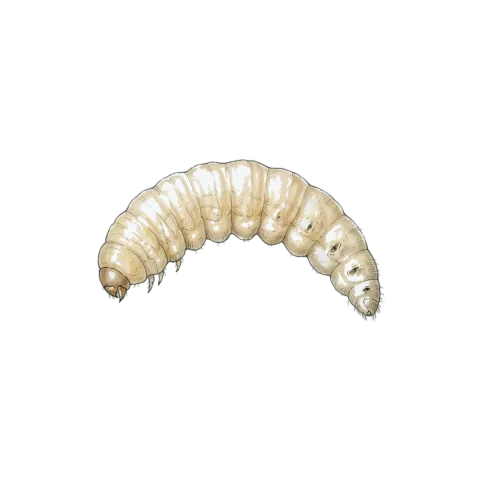
Maggot
- Float Fishing
- Feeder Fishing
Segmented white body provides enticing natural movement and scent.
02
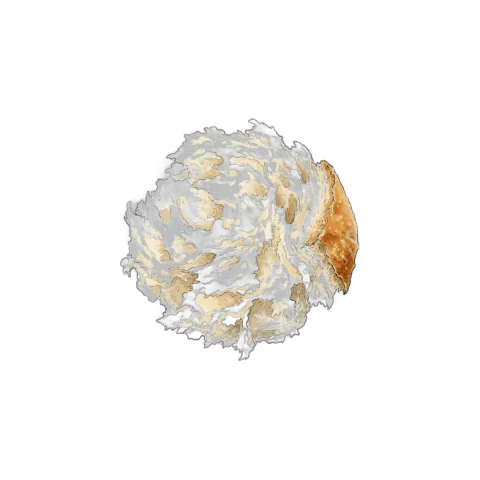
Bread
- Float Fishing
Soft inner bread compressed onto the hook for surface feeding.
03
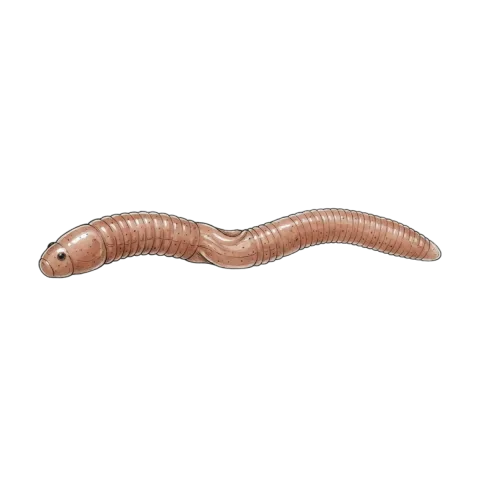
Worm
- Bottom Fishing
Rounded anterior end containing the mouth used for anchoring the bait on the hook.
How Chondrostoma vardarense migrates — Potamodromous
Migrates within rivers and lakes only. Fish upstream runs and seasonal lake movements, not saltwater.
1 Eggs
Upstream
Laid on gravel or weed upstream or in flooded shallows.
2 Larvae
→ Main river or lake
Fry drift or swim down to slower water.
3 Adults
Main river or lake
Feed in the main river or lake.
4 Spawners
→ Upstream
Move upstream or into the shallows to spawn.
The whole cycle stays in fresh water.
Hover or tap a number to read each stage.
Diet and behavior of Chondrostoma vardarense
-
Diet
Omnivore -
Hunts
Morning · Afternoon
Where Chondrostoma vardarense lives
Lives near the bottom but swims in the water just above it. Cover the lower column, not only the mud.

Where this species lives
Chondrostoma vardarense photos for identification
Compare these photos with the catalog plate to identify the species.