How to catch Common dolphinfish
Coryphaena hippurus Linnaeus, 1758
About Common dolphinfish fishing
The common dolphinfish is a large pelagic teleost belonging to the family Coryphaenidae, known for an elongated body shape, a deeply forked tail, and a single long dorsal fin running from the head to the caudal peduncle. Adult males develop a prominent vertical forehead crest, while females maintain a rounded head profile, both sexes displaying brilliant metallic blue and green hues over golden flanks that fade rapidly upon capture. This oceanodromous species inhabits surface waters down to eighty-five metres in tropical and temperate seas, frequently gathering around floating debris and weed lines in oceanic and neritic zones. As an active shoaling predator, it feeds primarily on small fish, crustaceans, and squid, growing rapidly during a short life span of up to four years. Highly sought by anglers for its exceptional speed and fighting spirit, it represents a prized target in offshore recreational fisheries.
-
Difficulty
Medium
-
Average size
100 cm TL
-
Market value
High
-
Habitat
Brackish, Saltwater
-
Season
Spring, Summer, Autumn
-
Also known as
Common dolphifish, Common dolphin, Common dolphin fish, Dolphin, Dolphin fish, Dolphinfish

Forked caudal shape
Deeply forked caudal fin helps identify the swift-swimming pelagic species.
Convex forehead
Prominent vertical bony crest on the head characterizes mature male dolphinfish.
Long dorsal fin
Single high dorsal fin extending along almost the entire back length.
Body spots
Scattered dark and iridescent blue spots across the upper flanks.
Common dolphinfish fishing facts
Characteristics
-
Typical size
100 cm TL (max 210 cm TL ) -
Typical weight
7 kg (max 40 kg ) -
Preferred temperature
18.1–29.1 °C -
Depth
0–85 m -
Longevity
4 years -
Body shape
Elongated -
Commercial?
-
Vulnerability score
40.7
Best hours
-
Active
Dawn
First light
-
Peak
Morning
After sunrise
-
Peak
Midday
High sun
-
Active
Afternoon
Late day
-
Active
Dusk
Last light
-
Low
Night
After dark
When to fish for Common dolphinfish
How to catch Common dolphinfish
Tips for catching Common dolphinfish
Successful angling for this swift pelagic predator centres on locating offshore floating cover such as weed lines, palm fronds, drifting timber, or man-made aggregating devices where schools congregate to hunt. Trolling high-speed skirts or natural strips along current edges and temperature breaks effectively covers water to find active fish. When a school is brought near the vessel by working a hooked specimen, casting surface poppers, metal jigs, or live baits into the commotion triggers immediate aggressive strikes. Early morning and bright midday hours under strong sunlight provide the most reliable windows for surface activity. Use robust tackle with high-speed reels and strong braided lines to manage blistering runs and aerial acrobatics.
Other names for Common dolphinfish
Local and alternate names anglers use for Common dolphinfish.
-
Common dolphinfish
-
Common dolphin fish
-
Common dolphin
-
Mahimahi
-
Mahi-mahi
-
Mahi mahi
-
Dolphin fish
-
Green dolphin
-
Dolphinfish
-
Dorado
-
Dolphin
-
Common dolphifish
Best equipment to catch Common dolphinfish
Compare fishing methods for Common dolphinfish — sized kit for each technique.
Note: Typical fish is 7 kg Our algorithm will suggest the best equipment for you based on this weight.
Trolling
Drawing lures or baits behind a moving boat.
90% Effectiveness
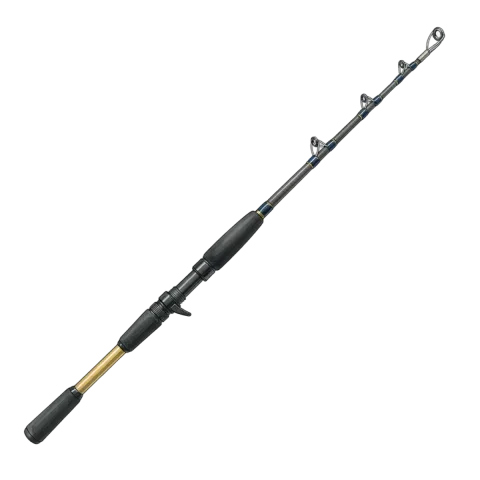
Rod
Trolling rod
A trolling rod is built to sit in a holder and pull a lure or bait at speed. Moderate action so the rod, not the reel, plays the fish.
Sized for a typical fish
medium-heavy · 2.13 m
- Reel seat
- Casting
- Form factor
- One-piece
- Action
- Moderate
- Grip
- EVA
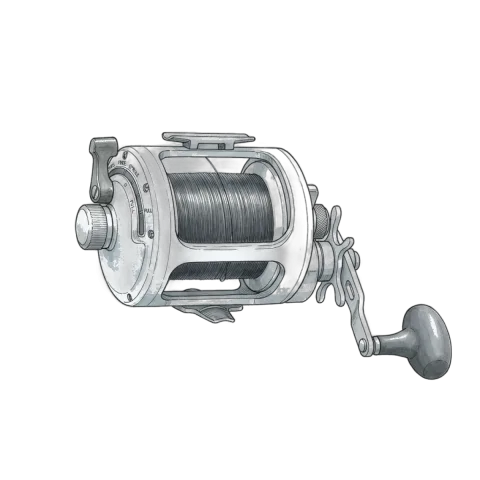
Reel
Trolling reel
A trolling reel is the dedicated lever-drag fishing reel for pulling lures behind a boat, often in a holder all day.
Sized for a typical fish
20 · 15 kg drag
- Spool
- Revolving
- Mount
- Over
- Drag
- Lever
- Retrieve
- Manual

Line
Braided line
Braided fishing line is the thin, no-stretch main for long casts, jigging, and feeling every tick on the retrieve.
Sized for a typical fish
14 kg · 0.2 mm
- Visibility
- High
- Abrasion
- Low
- Stretch
- None
- Sink rate
- Floats

Leader
Fluorocarbon leader
A fluorocarbon leader is the clear, fast-sinking join between a visible main line and the lure or hook.
Sized for a typical fish
18.1 kg · 0.602 mm · 120 cm
- Visibility
- Very low
- Abrasion
- High
- Stretch
- Low
- Sink rate
- Fast
Spinning
Casting and retrieving lures with a spinning rod and reel.
85% Effectiveness

Rod
Spinning rod
A spinning rod is a fishing rod built to carry a spinning reel under the blank. You cast lures and light baits with it from shore or a boat.
Sized for a typical fish
heavy · 2.13 m
- Reel seat
- Spinning
- Form factor
- Multi-piece
- Action
- Fast
- Grip
- EVA

Reel
Spinning reel
A spinning reel hangs under the fishing rod and is the default reel for casting lures and light baits. Line peels off an open spool with a bail.
Sized for a typical fish
2500 · 5 kg drag · 220 g
- Spool
- Fixed
- Mount
- Under
- Drag
- Front
- Retrieve
- Manual
Line
Braided line
Braided fishing line is the thin, no-stretch main for long casts, jigging, and feeling every tick on the retrieve.
Sized for a typical fish
14 kg · 0.2 mm
- Visibility
- High
- Abrasion
- Low
- Stretch
- None
- Sink rate
- Floats
Leader
Fluorocarbon leader
A fluorocarbon leader is the clear, fast-sinking join between a visible main line and the lure or hook.
Sized for a typical fish
18.1 kg · 0.602 mm · 120 cm
- Visibility
- Very low
- Abrasion
- High
- Stretch
- Low
- Sink rate
- Fast
Live Baiting
Fishing a live baitfish or live invertebrate as the primary presentation.
75% Effectiveness
Rod
Spinning rod
A spinning rod is a fishing rod built to carry a spinning reel under the blank. You cast lures and light baits with it from shore or a boat.
Sized for a typical fish
extra-heavy · 2.18 m
- Reel seat
- Spinning
- Form factor
- Multi-piece
- Action
- Fast
- Grip
- EVA
Reel
Spinning reel
A spinning reel hangs under the fishing rod and is the default reel for casting lures and light baits. Line peels off an open spool with a bail.
Sized for a typical fish
8000 · 15 kg drag
- Spool
- Fixed
- Mount
- Under
- Drag
- Front
- Retrieve
- Manual

Line
Monofilament line
Monofilament fishing line is the everyday main line: easy to knot, cheap to replace, and stretchy enough to forgive a hard strike.
Sized for a typical fish
37 kg · 0.8 mm
- Visibility
- Medium
- Abrasion
- Medium
- Stretch
- High
- Sink rate
- Slow
Leader
Fluorocarbon leader
A fluorocarbon leader is the clear, fast-sinking join between a visible main line and the lure or hook.
Sized for a typical fish
59 kg · 1.087 mm · 150 cm
- Visibility
- Very low
- Abrasion
- High
- Stretch
- Low
- Sink rate
- Fast

Hook
Circle hook
A circle hook turns in the mouth and usually finds the corner of the jaw. You do not strike hard — you come tight. It includes freshwater.
Sized for a typical fish
3/0
- Points
- 1
- Offset
- No
- Barbed
- Yes
- Gap
- Standard
Best lures and baits for Common dolphinfish
Ranked lures and natural baits from every method, best first.
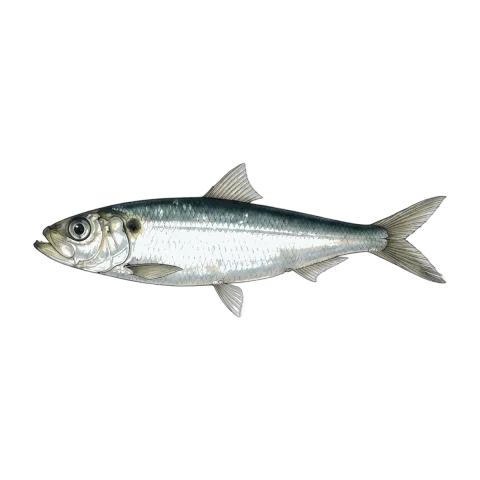
01
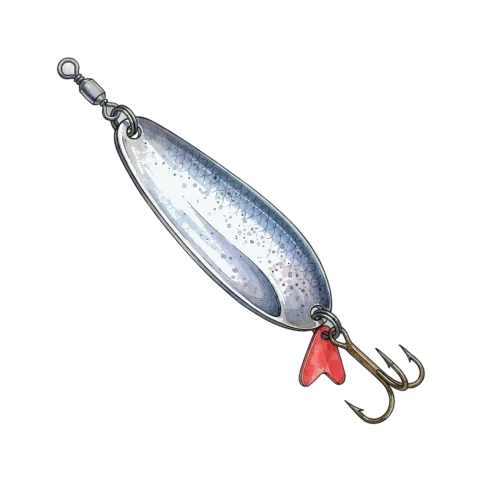
Sardine
- Trolling
- Spinning
Elongated silvery baitfish body releases strong scent trails.
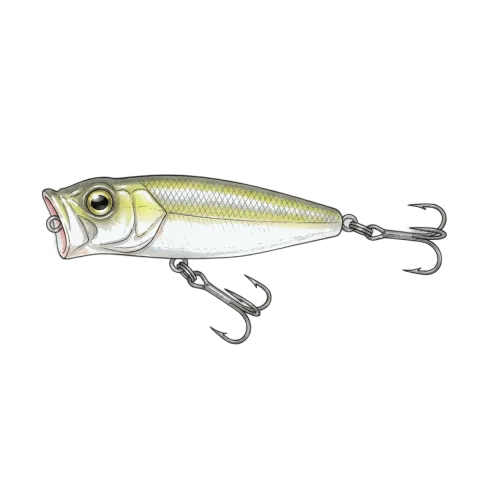
04
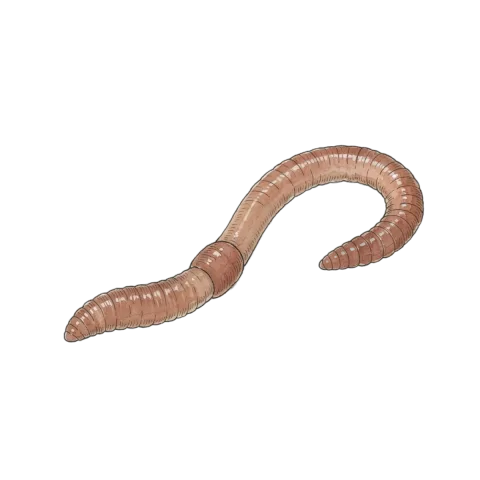
Live baitfish
- Live Baiting
Elongated segmented worm body provides natural movement to attract fish.
How Common dolphinfish migrates — Oceanodromous
Migrates within the sea between spawning, nursery and feeding grounds, and never enters fresh water. Follow its seasonal shifts along the coast and offshore.
1 Eggs
Spawning grounds
Laid on the spawning grounds.
2 Larvae
→ Nursery grounds
Drift with the currents to the nursery grounds.
3 Juveniles
Nursery grounds
Grow up in sheltered nursery waters.
4 Adults
Feeding grounds
Range widely over the feeding grounds.
5 Spawners
→ Spawning grounds
Return to the spawning grounds each season.
It stays in the sea and never runs up into fresh water.
Hover or tap a number to read each stage.
Diet and behavior of Common dolphinfish
-
Diet
Top predator -
Feeds by
Hunts animals -
Hunts
Morning · Midday -
Feeds over
Coral reefs -
Social
Shoaling -
Main prey
Baitfish · Bottom prey
Prey and predators of Common dolphinfish
Prey is what Common dolphinfish eats. Predators are the animals that eat it.
That is how it feeds, and how it is hunted.
Prey
What it eats
Predators
What hunts it
Where Common dolphinfish lives
Pelagic over the continental shelf — coastal open water, not the deep ocean.
0–85 m · usually 5–10 m

Estuary
Where this species lives
Common dolphinfish photos for identification
Compare these photos with the catalog plate to identify the species.
Where to fish for Common dolphinfish
Mapped fishing spots where Common dolphinfish is recorded — open a pin for access and methods.


