How to catch Cucumberfish
Retropinna retropinna (Richardson, 1848)
About Cucumberfish fishing
The cucumberfish is a small elongated pelagic species belonging to the family Retropinnidae, growing to a maximum length of around ten centimetres with a very slender silver-green body and a distinctive adipose fin. This anadromous fish typically inhabits coastal marine areas, estuaries, and lowland freshwater streams, often forming large schools in shallow waters over clean sand. Its diet consists primarily of small aquatic invertebrates, including chironomid larvae and various zooplankton, filtered or picked from the water column. During the spring months, adult populations undertake spawning migrations upstream into rivers and lakes, depositing eggs in slow-flowing marginal areas before expiring.
-
Difficulty
Medium
-
Average size
10.5 cm
-
Habitat
Freshwater, Brackish, Saltwater
-
Also known as
Common smelt, Estuarine smelt, Smelt

Adipose fin
Small fleshy fin located far back before the tail characteristic of smelts.
Silver lateral stripe
Bright reflective lateral stripe running along the flank identifies this pelagic species.
Cucumberfish fishing facts
Characteristics
-
Typical size
10.5 cm (max 10.6 cm SL ) -
Typical weight
0.2 kg (max 0 kg ) -
Longevity
1 years -
Body shape
Elongated -
Vulnerability score
22.4
When to fish for Cucumberfish
How to catch Cucumberfish
Tips for catching Cucumberfish
Targeting this delicate shoaling species requires ultralight tackle and fine presentation in shallow slow moving water or marginal estuary areas. Use a sensitive float rig paired with a micro hook baited with tiny pieces of garden worm or single maggots suspended just off the bottom where these fish congregate. Approach the water with extreme caution because heavy footsteps or sudden shadows easily spook schools holding in clear shallow runs. Focus your efforts during daylight hours in spring when adults gather near river mouths and lower reaches before their upstream spawning migration.
Other names for Cucumberfish
Local and alternate names anglers use for Cucumberfish.
-
Cucumberfish
-
Smelt
-
Estuarine smelt
-
Common smelt
Best equipment to catch Cucumberfish
Compare fishing methods for Cucumberfish — sized kit for each technique.
Note: Typical fish is 0.2 kg Our algorithm will suggest the best equipment for you based on this weight.
Float Fishing
Suspending bait beneath a float at a controlled depth.
75% Effectiveness
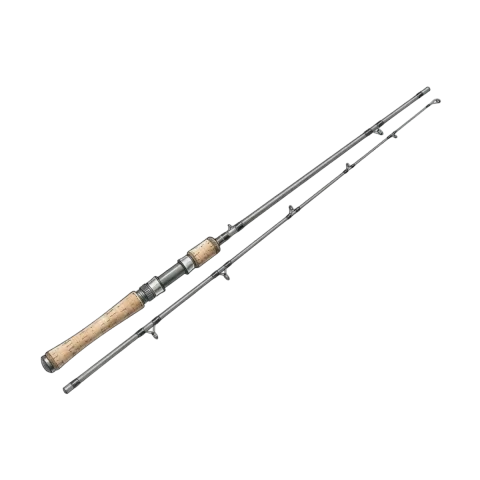
Rod
Float rod
A float rod is the all-round fishing rod for a float in rivers and still water, a step down in length from match.
Sized for a typical fish
light · 3.6 m
- Reel seat
- Spinning
- Form factor
- Multi-piece
- Action
- Moderate
- Grip
- Cork

Reel
Spinning reel
A spinning reel hangs under the fishing rod and is the default reel for casting lures and light baits. Line peels off an open spool with a bail.
Sized for a typical fish
1000 · 3 kg drag · 185 g
- Spool
- Fixed
- Mount
- Under
- Drag
- Front
- Retrieve
- Manual

Line
Monofilament line
Monofilament fishing line is the everyday main line: easy to knot, cheap to replace, and stretchy enough to forgive a hard strike.
Sized for a typical fish
1.3 kg · 0.125 mm
- Visibility
- Medium
- Abrasion
- Medium
- Stretch
- High
- Sink rate
- Slow
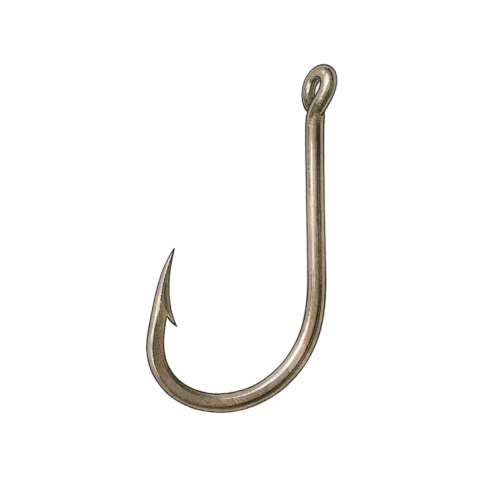
Hook
J-hook
A J-hook is the classic J-bend fishing hook for bait. You set it with a strike. Sizes are tokens such as 12 or 1/0.
Sized for a typical fish
12
- Points
- 1
- Offset
- No
- Barbed
- Yes
- Gap
- Standard
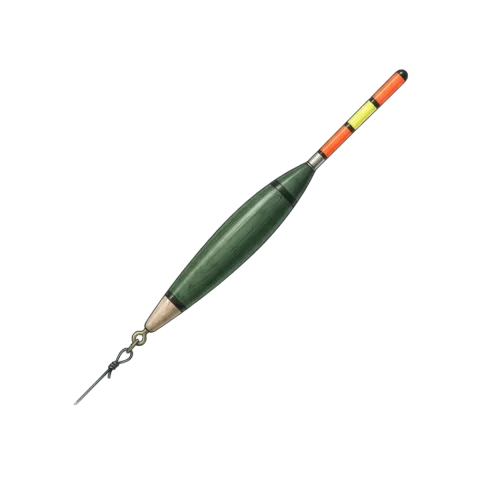
Float
Waggler
A waggler is a bottom-only attachment float for stillwaters and slow rivers. You shot it down and watch the antenna.
Sized for a typical fish
4 g
- Attachment
- Fixed
- Habitats
- Freshwater
- Methods
- Float Fishing
Best lures and baits for Cucumberfish
Ranked lures and natural baits from every method, best first.
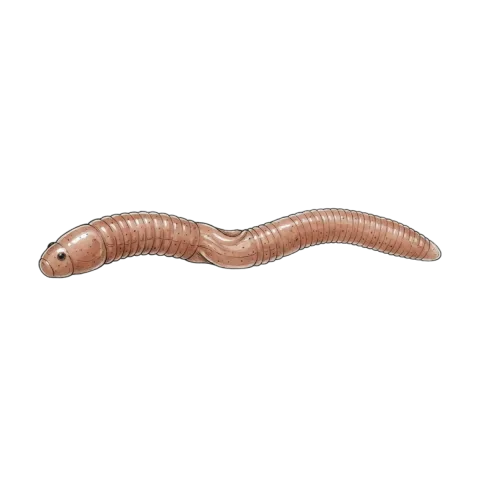
01
Worm
- Float Fishing
Rounded anterior end containing the mouth used for anchoring the bait on the hook.
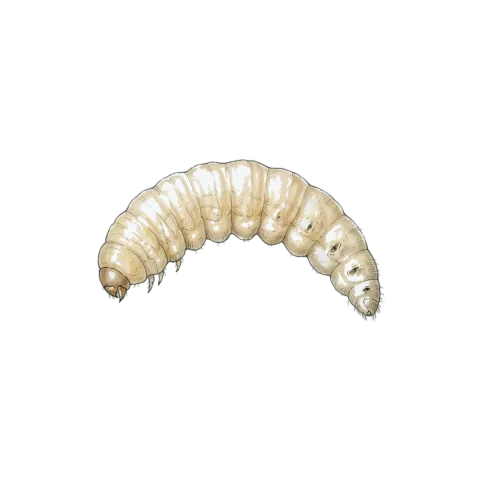
02
Maggot
- Float Fishing
Segmented white body provides enticing natural movement and scent.
How Cucumberfish migrates — Anadromous
Grows at sea and swims into rivers to spawn. Target the run as fish leave the ocean and push upstream.
1 Eggs
Fresh water
Laid in fresh water, usually well up the river.
2 Juveniles
→ Sea
Grow in the river, then head downstream to the sea.
3 Adults
Sea
Feed and grow at sea.
4 Spawners
→ Fresh water
Run back up the river to spawn.
Some populations never go to sea and complete the cycle in rivers and lakes.
Hover or tap a number to read each stage.
Diet and behavior of Cucumberfish
-
Diet
Carnivore -
Used as bait
Yes
Prey and predators of Cucumberfish
Prey is what Cucumberfish eats. Predators are the animals that eat it.
That is how it feeds, and how it is hunted.
Predators
What hunts it
Fish
Where Cucumberfish lives
Lives on or just above the bottom. Work jigs, bait, and lures along the seabed.

River mouth
Where this species lives
Cucumberfish photos for identification
Compare these photos with the catalog plate to identify the species.