How to catch Eastern mosquitofish
Gambusia holbrooki Girard, 1859
About Eastern mosquitofish fishing
The eastern mosquitofish is a tiny freshwater fish belonging to the family Poeciliidae. It possesses a fusiform body with semitransparent fins, an upturned mouth, and can easily be distinguished by a dark gravid spot on pregnant females. Typically reaching small proportions, this surface-dwelling benthopelagic species inhabits shallow standing or slow-flowing vegetated waters, including ponds, lakes, and quiet stream margins. It feeds primarily on small aquatic invertebrates, surface insects, and detritus. Widely introduced across various regions, it is a resilient livebearer capable of thriving in diverse thermal and chemical environments.
-
Difficulty
Medium
-
Average size
3.5 cm
-
Habitat
Freshwater, Brackish
-
Season
Spring, Summer, Autumn
-
Also known as
Bore-drain fish, Eastern gambusia, Eastern mosquito fish, Gambies, Gambusia, Holbrook's mosquitofish

Truncate caudal shape
More or less truncate caudal fin shape helps identify the mosquitofish.
Abdominal pelvic fins
Abdominal pelvic-fin position is characteristic for this topminnow species.
Pelvic insertion
Pelvic-fin insertion positioned before the origin of the dorsal fin.
Eastern mosquitofish fishing facts
Characteristics
-
Typical size
3.5 cm (max 4.7 cm TL ) -
Typical weight
0.2 kg (max 0 kg ) -
Longevity
1 years -
Body shape
Fusiform / Normal -
Vulnerability score
10
Best hours
-
Low
Dawn
First light
-
Peak
Morning
After sunrise
-
Active
Midday
High sun
-
Peak
Afternoon
Late day
-
Low
Dusk
Last light
-
Low
Night
After dark
When to fish for Eastern mosquitofish
How to catch Eastern mosquitofish
Tips for catching Eastern mosquitofish
Targeting this minute species requires specialized microfishing gear, ultra-fine lines, and tiny hooks baited with microscopic morsels such as fragments of bread or small pieces of worms. Anglers should look for them shoaling in shallow, weed-lined margins of urban canals, ponds, and slow streams where water temperatures are warm. Presentations must be delicate and precise to tempt these surface-oriented fish during daylight hours in the warmer months when they are most active.
Other names for Eastern mosquitofish
Local and alternate names anglers use for Eastern mosquitofish.
-
Top minnow
-
Plague minnow
-
Starling's perch
-
Holbrook's mosquitofish
-
Mosquitofish
-
Gambies
-
Gambusia
-
Eastern mosquitofish
-
Eastern mosquito fish
-
Eastern gambusia
-
Bore-drain fish
Best equipment to catch Eastern mosquitofish
Compare fishing methods for Eastern mosquitofish — sized kit for each technique.
Note: Typical fish is 0.2 kg Our algorithm will suggest the best equipment for you based on this weight.
Float Fishing
Suspending bait beneath a float at a controlled depth.
50% Effectiveness
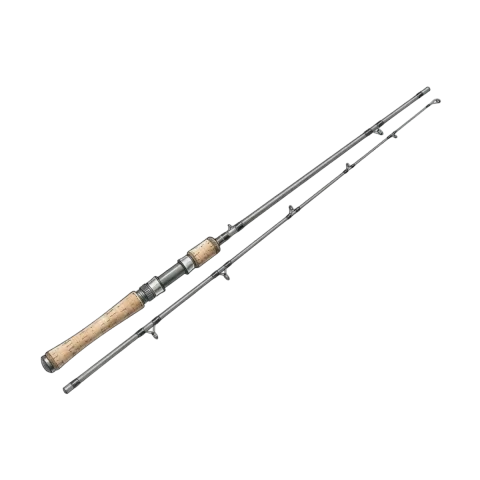
Rod
Float rod
A float rod is the all-round fishing rod for a float in rivers and still water, a step down in length from match.
Sized for a typical fish
light · 3.6 m
- Reel seat
- Spinning
- Form factor
- Multi-piece
- Action
- Moderate
- Grip
- Cork

Reel
Spinning reel
A spinning reel hangs under the fishing rod and is the default reel for casting lures and light baits. Line peels off an open spool with a bail.
Sized for a typical fish
1000 · 3 kg drag · 185 g
- Spool
- Fixed
- Mount
- Under
- Drag
- Front
- Retrieve
- Manual

Line
Monofilament line
Monofilament fishing line is the everyday main line: easy to knot, cheap to replace, and stretchy enough to forgive a hard strike.
Sized for a typical fish
1.3 kg · 0.125 mm
- Visibility
- Medium
- Abrasion
- Medium
- Stretch
- High
- Sink rate
- Slow
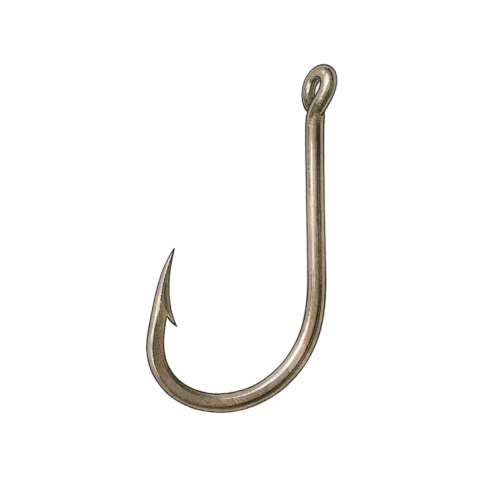
Hook
J-hook
A J-hook is the classic J-bend fishing hook for bait. You set it with a strike. Sizes are tokens such as 12 or 1/0.
Sized for a typical fish
12
- Points
- 1
- Offset
- No
- Barbed
- Yes
- Gap
- Standard
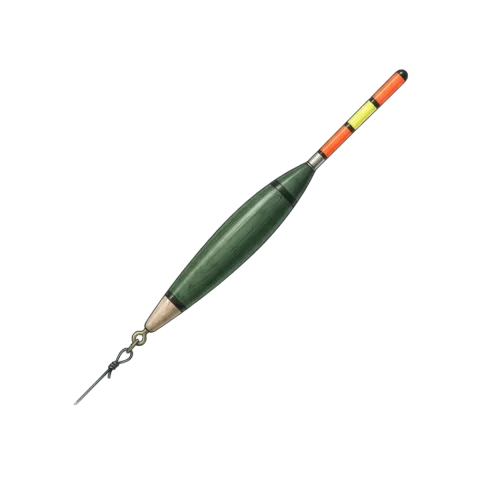
Float
Waggler
A waggler is a bottom-only attachment float for stillwaters and slow rivers. You shot it down and watch the antenna.
Sized for a typical fish
4 g
- Attachment
- Fixed
- Habitats
- Freshwater
- Methods
- Float Fishing
Pole Fishing
Presenting bait on a long pole with no reel.
40% Effectiveness
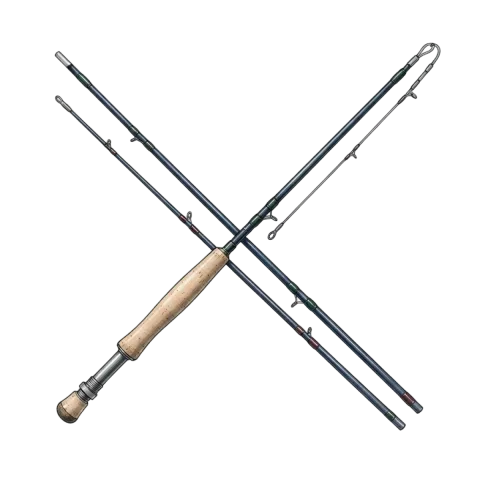
Rod
Pole rod
A fishing pole is a telescopic, reel-less rod for presenting a light float or rig under the tip. You ship it; you do not cast it.
Sized for a typical fish
5 m
- Reel seat
- None
- Form factor
- Multi-piece
- Action
- Moderate
- Grip
- Cork
Line
Monofilament line
Monofilament fishing line is the everyday main line: easy to knot, cheap to replace, and stretchy enough to forgive a hard strike.
Sized for a typical fish
1.3 kg · 0.125 mm
- Visibility
- Medium
- Abrasion
- Medium
- Stretch
- High
- Sink rate
- Slow
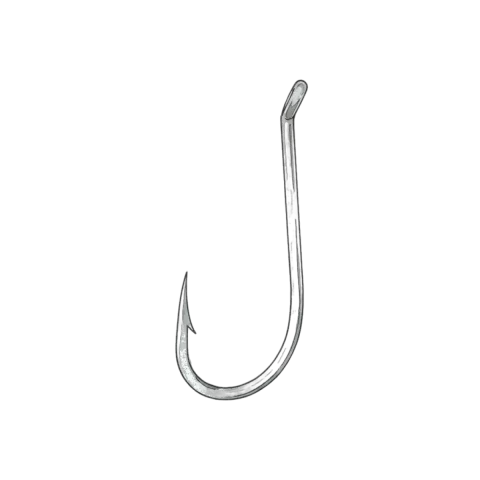
Hook
Aberdeen hook
An Aberdeen hook is a light-wire, long-shank hook for live minnows and delicate baits. It straightens on a snag before the line breaks.
Sized for a typical fish
12
- Points
- 1
- Offset
- No
- Barbed
- Yes
- Gap
- Narrow
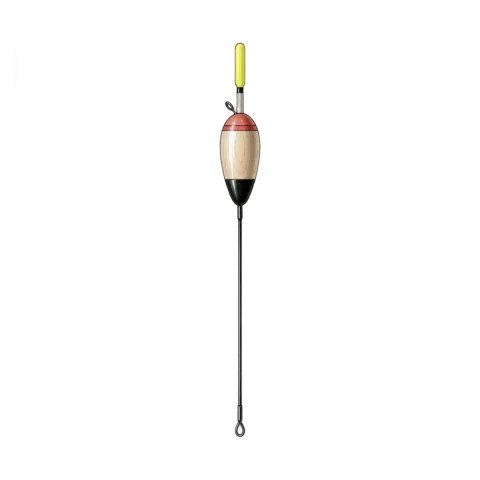
Float
Pole float
A pole float is a tiny, sensitive float fished under a pole, not cast. It is not a pole rod.
Sized for a typical fish
0.8 g
- Attachment
- Fixed
- Habitats
- Freshwater
- Methods
- Pole Fishing
Best lures and baits for Eastern mosquitofish
Ranked lures and natural baits from every method, best first.
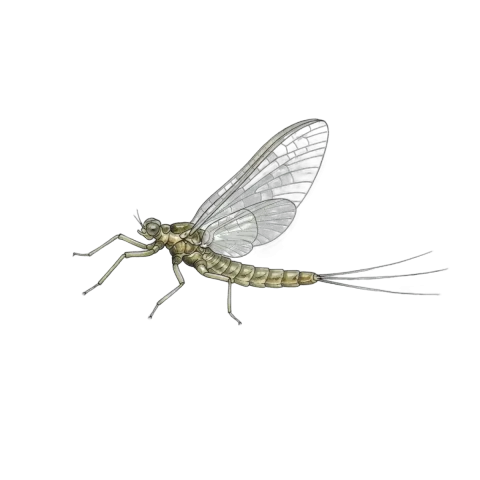
01
Insects
- Float Fishing
- Pole Fishing
Translucent upright wings create surface disturbance that attracts rising freshwater fish.
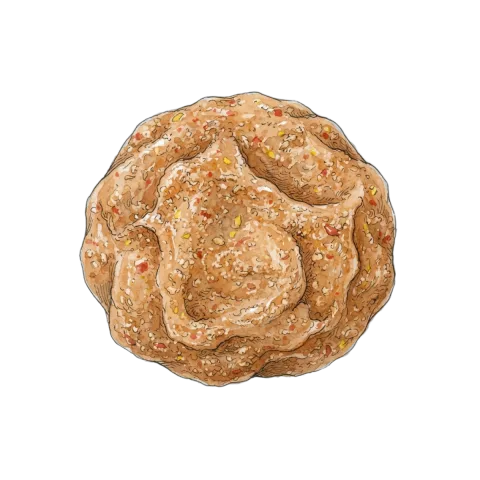
02
Dough bait
- Float Fishing
Molded round ball of prepared dough designed to stay on the hook.
How Eastern mosquitofish migrates — Potamodromous
Migrates within rivers and lakes only. Fish upstream runs and seasonal lake movements, not saltwater.
1 Young
Upstream
Born live, not hatched from eggs.
2 Adults
Main river or lake
Feed in the main river or lake.
3 Mature adults
→ Upstream
Give birth in warm, weedy shallows.
The whole cycle stays in fresh water.
Hover or tap a number to read each stage.
Diet and behavior of Eastern mosquitofish
-
Diet
Carnivore -
Hunts
Morning · Afternoon -
Main prey
Baitfish
Prey and predators of Eastern mosquitofish
Prey is what Eastern mosquitofish eats. Predators are the animals that eat it.
That is how it feeds, and how it is hunted.
Prey
What it eats
Baitfish
Predators
What hunts it
Insects
Where Eastern mosquitofish lives
Lives near the bottom but swims in the water just above it. Cover the lower column, not only the mud.

Where this species lives
Eastern mosquitofish photos for identification
Compare these photos with the catalog plate to identify the species.