How to catch Ebro barbel
Luciobarbus graellsii (Steindachner, 1866)
About Ebro barbel fishing
The Ebro barbel is a medium-sized freshwater ray-finned fish belonging to the family Cyprinidae. It features an elongated, cylindrical body with an olive-green back, a lighter belly, and a distinctive underslung mouth equipped with sensory barbels suited for foraging along the riverbed. Typically reaching moderate dimensions within its native Iberian river systems, this species thrives in benthopelagic freshwater habitats featuring moderate currents, gravel substrates, and aquatic vegetation. It feeds primarily on benthic invertebrates, plant matter, and algae, undertaking upstream spawning migrations during the warmer months. European anglers highly regard this robust cyprinid for its strength and endurance when hooked in fast-flowing waters.
-
Difficulty
Medium
-
Average size
40 cm
-
Habitat
Freshwater
-
Season
Spring, Summer, Autumn

Forked caudal shape
Deeply forked caudal fin helps distinguish this riverine barbel.
Long posterior barbels
Long barbels reaching past the posterior margin of the eye.
Abdominal pelvics
Abdominal pelvic fins inserted behind the dorsal origin.
Ebro barbel fishing facts
Characteristics
-
Typical size
40 cm (max 80 cm TL ) -
Typical weight
1.5 kg (max 6 kg ) -
Longevity
16 years -
Body shape
Elongated -
Vulnerability score
52.3
Best hours
-
Active
Dawn
First light
-
Peak
Morning
After sunrise
-
Low
Midday
High sun
-
Active
Afternoon
Late day
-
Peak
Dusk
Last light
-
Low
Night
After dark
When to fish for Ebro barbel
How to catch Ebro barbel
Tips for catching Ebro barbel
To successfully target the Ebro barbel, focus your efforts on medium to fast-flowing river stretches, gravel riffles, and transitions near submerged cover where these fish feed and rest. Bottom fishing and feeder techniques using natural baits like worms, sweetcorn, or protein pellets produce consistent results when presented securely on the riverbed. Fly fishers can experience exceptional sport by employing weighted nymphs or dry flies for sight-fishing in clear, shallow waters during periods of high visual activity. Mornings and late afternoons throughout the spring and summer months offer the most reliable sport, particularly when fish become active before and after their annual spawning runs.
Other names for Ebro barbel
Local and alternate names anglers use for Ebro barbel.
-
Ebro barbel
Best equipment to catch Ebro barbel
Compare fishing methods for Ebro barbel — sized kit for each technique.
Note: Typical fish is 1.5 kg Our algorithm will suggest the best equipment for you based on this weight.
Bottom Fishing
Presenting bait or rigs on or near the lake or sea floor.
85% Effectiveness

Rod
Spinning rod
A spinning rod is a fishing rod built to carry a spinning reel under the blank. You cast lures and light baits with it from shore or a boat.
Sized for a typical fish
medium · 2.13 m
- Reel seat
- Spinning
- Form factor
- Multi-piece
- Action
- Fast
- Grip
- EVA

Reel
Spinning reel
A spinning reel hangs under the fishing rod and is the default reel for casting lures and light baits. Line peels off an open spool with a bail.
Sized for a typical fish
1000 · 3 kg drag · 185 g
- Spool
- Fixed
- Mount
- Under
- Drag
- Front
- Retrieve
- Manual

Line
Monofilament line
Monofilament fishing line is the everyday main line: easy to knot, cheap to replace, and stretchy enough to forgive a hard strike.
Sized for a typical fish
5.5 kg · 0.25 mm
- Visibility
- Medium
- Abrasion
- Medium
- Stretch
- High
- Sink rate
- Slow

Leader
Fluorocarbon leader
A fluorocarbon leader is the clear, fast-sinking join between a visible main line and the lure or hook.
Sized for a typical fish
5.5 kg · 0.25 mm · 80 cm
- Visibility
- Very low
- Abrasion
- High
- Stretch
- Low
- Sink rate
- Fast

Hook
Circle hook
A circle hook turns in the mouth and usually finds the corner of the jaw. You do not strike hard — you come tight. It includes freshwater.
Sized for a typical fish
2
- Points
- 1
- Offset
- No
- Barbed
- Yes
- Gap
- Standard
Feeder Fishing
Ledgering with a swimfeeder or method feeder and a quiver-tip rod.
80% Effectiveness
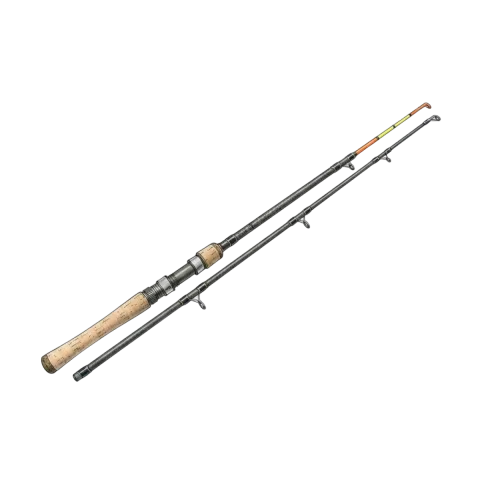
Rod
Feeder rod
A feeder rod is a long, quiver-tipped fishing rod for casting a feeder and watching the tip for bites.
Sized for a typical fish
medium · 3.3 m
- Reel seat
- Spinning
- Form factor
- Multi-piece
- Action
- Moderate
- Grip
- Cork
Reel
Spinning reel
A spinning reel hangs under the fishing rod and is the default reel for casting lures and light baits. Line peels off an open spool with a bail.
Sized for a typical fish
1000 · 3 kg drag · 185 g
- Spool
- Fixed
- Mount
- Under
- Drag
- Front
- Retrieve
- Manual
Line
Monofilament line
Monofilament fishing line is the everyday main line: easy to knot, cheap to replace, and stretchy enough to forgive a hard strike.
Sized for a typical fish
5.5 kg · 0.25 mm
- Visibility
- Medium
- Abrasion
- Medium
- Stretch
- High
- Sink rate
- Slow
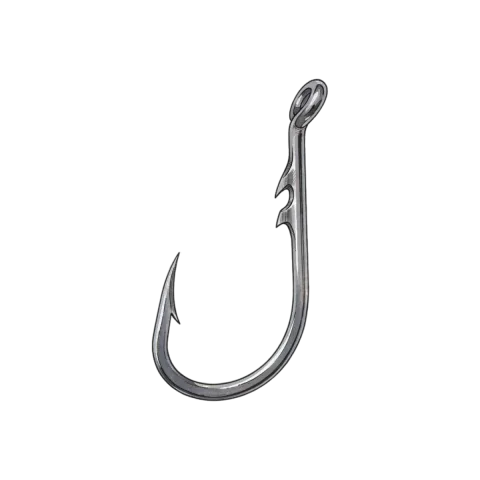
Hook
Baitholder hook
A baitholder hook has barbs on the shank to stop a worm or piece of bait sliding down. Classic float and feeder hook.
Sized for a typical fish
4
- Points
- 1
- Offset
- No
- Barbed
- Yes
- Gap
- Standard
Fly Fishing
Presenting artificial flies with a fly rod and weighted line.
75% Effectiveness
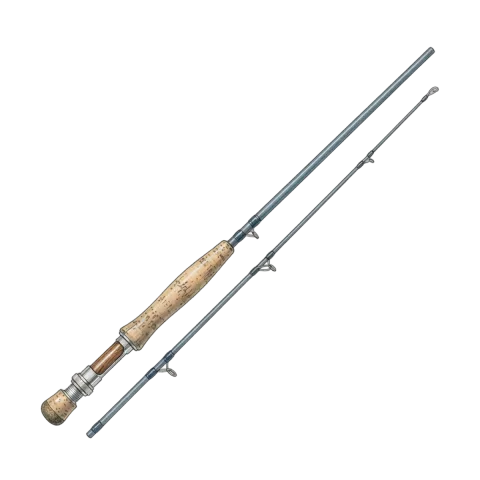
Rod
Fly rod
A fly rod is a fishing rod sized by line weight, with a fly reel seat. The fly line, not a heavy lure, loads the blank.
Sized for a typical fish
2.74 m · 5wt
- Reel seat
- Fly
- Form factor
- Multi-piece
- Action
- Moderate-fast
- Grip
- Cork
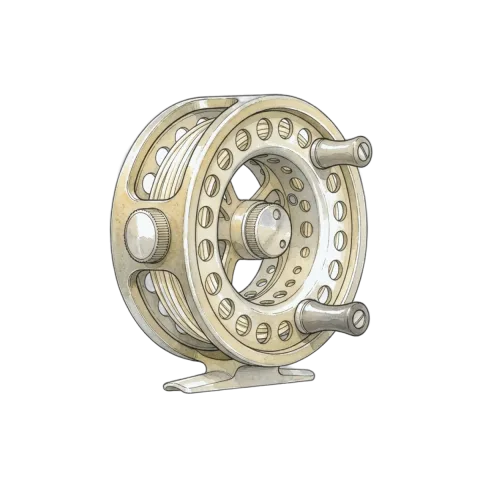
Reel
Fly reel
A fly reel is a large-arbor drum that stores backing and fly line. Drag is a disc; the reel does not cast the fly.
Sized for a typical fish
4 kg drag · 5wt
- Spool
- Drum
- Mount
- Under
- Drag
- Disc
- Retrieve
- Manual
Line
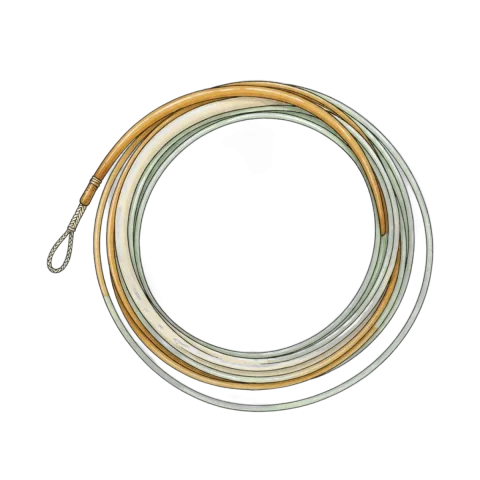
Fly line
Fly line is the weighted shooting line that carries a near-weightless fly. Match it by weight class to the fly rod, not by kilo rating.
Sized for a typical fish
5wt
- Visibility
- Medium
- Abrasion
- Medium
- Stretch
- Low
- Sink rate
- Slow
Leader
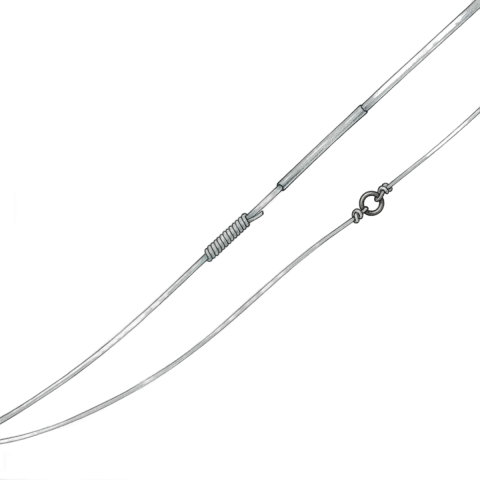
Tippet
Tippet is the fine, replaceable end of a fly leader, sized in X so you can match the fly and the fish.
Sized for a typical fish
2.8 kg · 0.18 mm · 80 cm · 4X
- Visibility
- Medium
- Abrasion
- Medium
- Stretch
- Medium
- Sink rate
- Slow
Float Fishing
Suspending bait beneath a float at a controlled depth.
70% Effectiveness
Rod
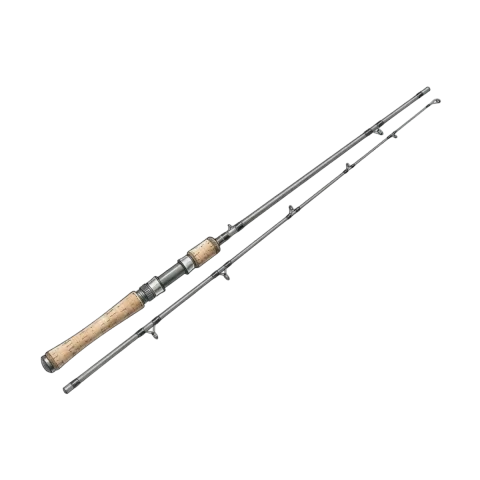
Float rod
A float rod is the all-round fishing rod for a float in rivers and still water, a step down in length from match.
Sized for a typical fish
medium · 4.2 m
- Reel seat
- Spinning
- Form factor
- Multi-piece
- Action
- Moderate
- Grip
- Cork
Reel
Spinning reel
A spinning reel hangs under the fishing rod and is the default reel for casting lures and light baits. Line peels off an open spool with a bail.
Sized for a typical fish
1000 · 3 kg drag · 185 g
- Spool
- Fixed
- Mount
- Under
- Drag
- Front
- Retrieve
- Manual
Line
Monofilament line
Monofilament fishing line is the everyday main line: easy to knot, cheap to replace, and stretchy enough to forgive a hard strike.
Sized for a typical fish
5.5 kg · 0.25 mm
- Visibility
- Medium
- Abrasion
- Medium
- Stretch
- High
- Sink rate
- Slow
Hook
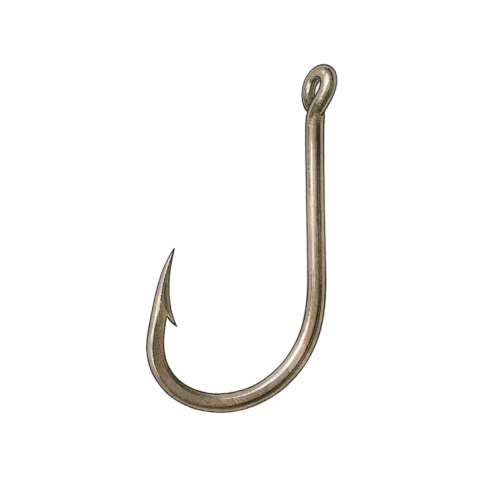
J-hook
A J-hook is the classic J-bend fishing hook for bait. You set it with a strike. Sizes are tokens such as 12 or 1/0.
Sized for a typical fish
4
- Points
- 1
- Offset
- No
- Barbed
- Yes
- Gap
- Standard
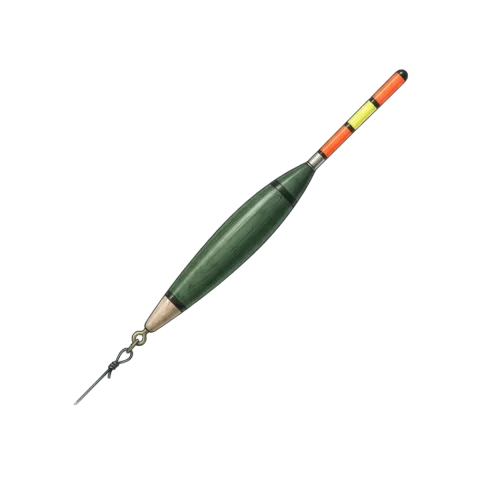
Float
Waggler
A waggler is a bottom-only attachment float for stillwaters and slow rivers. You shot it down and watch the antenna.
Sized for a typical fish
4 g
- Attachment
- Fixed
- Habitats
- Freshwater
- Methods
- Float Fishing
Best lures and baits for Ebro barbel
Ranked lures and natural baits from every method, best first.
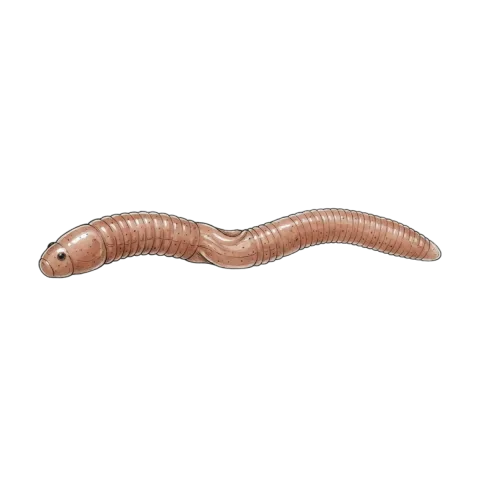
01
Worm
- Bottom Fishing
Rounded anterior end containing the mouth used for anchoring the bait on the hook.
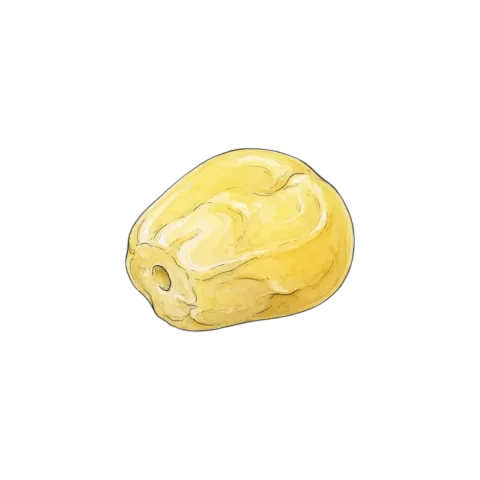
02
Corn
- Bottom Fishing
Plump yellow sweetcorn kernel used as effective freshwater fishing bait.
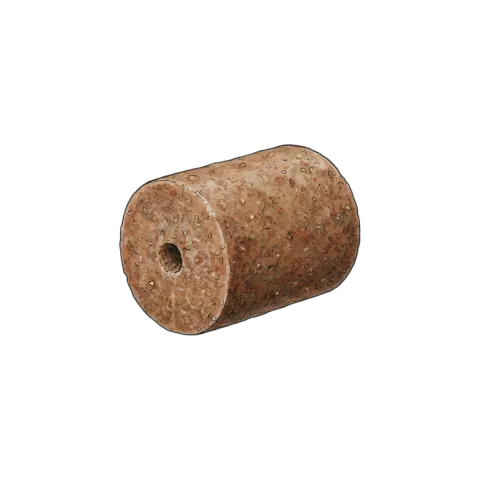
03
Pellet
- Feeder Fishing
Cylindrical compressed bait body designed to slowly break down and attract fish.
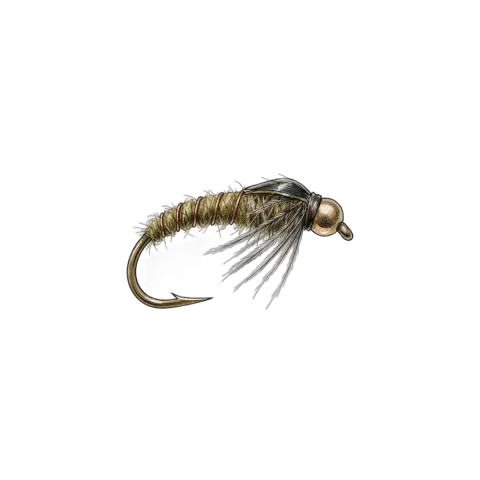
05
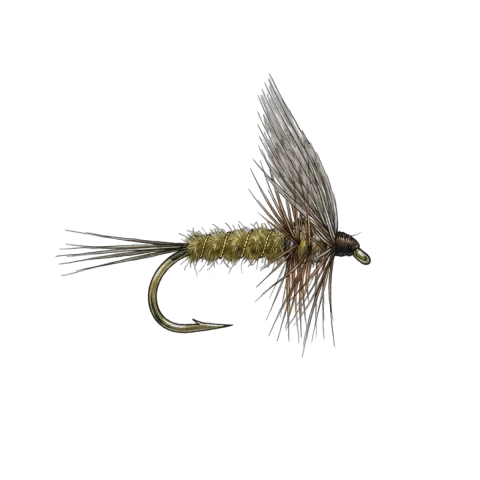
Dry fly
- Fly Fishing
A floating fly fished on the surface during a hatch.
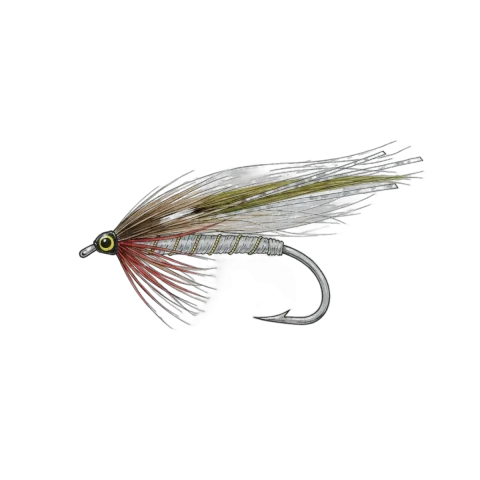
07
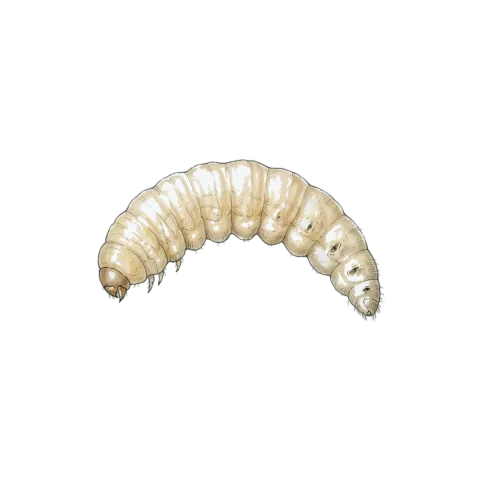
Maggot
- Float Fishing
Segmented white body provides enticing natural movement and scent.
How Ebro barbel migrates — Potamodromous
Migrates within rivers and lakes only. Fish upstream runs and seasonal lake movements, not saltwater.
1 Eggs
Upstream
Laid on gravel or weed upstream or in flooded shallows.
2 Larvae
→ Main river or lake
Fry drift or swim down to slower water.
3 Adults
Main river or lake
Feed in the main river or lake.
4 Spawners
→ Upstream
Move upstream or into the shallows to spawn.
The whole cycle stays in fresh water.
Hover or tap a number to read each stage.
Diet and behavior of Ebro barbel
-
Diet
Omnivore -
Feeds by
Grazes plants -
Hunts
Morning · Dusk
Where Ebro barbel lives
Lives near the bottom but swims in the water just above it. Cover the lower column, not only the mud.

Where this species lives
Ebro barbel photos for identification
Compare these photos with the catalog plate to identify the species.
Where to fish for Ebro barbel
Mapped fishing spots where Ebro barbel is recorded — open a pin for access and methods.

