How to catch Epiros minnow
Pelasgus thesproticus (Stephanidis, 1939)
About Epiros minnow fishing
The epiros minnow is a small freshwater ray-finned fish belonging to the family leuciscidae, native to the western balkans including albania and northeastern greece. Growing to a maximum standard length of just over six centimetres, this slender benthopelagic species typically inhabits shallow, quiet springs, slow-flowing streams, marshes, and ponds characterised by dense aquatic vegetation. It feeds primarily on microinvertebrates and organic matter found amongst weeds and soft substrates. Due to its miniature size and restricted range, it is not pursued as a game or commercial fish, and populations face ongoing pressures from local water abstraction and habitat degradation.
-
Difficulty
Medium
-
Average size
5 cm
-
Habitat
Freshwater
-
Season
Spring, Summer, Autumn

Lateral Stripe
Dark mid-lateral stripe running along the flank to the tail base.
Terminal Mouth
Slightly superior terminal mouth structure typical of surface-feeding minnows.
Epiros minnow fishing facts
Characteristics
-
Typical size
5 cm (max 6.2 cm SL ) -
Typical weight
0.2 kg (max 0 kg ) -
Body shape
Elongated -
Vulnerability score
20.8
Best hours
-
Low
Dawn
First light
-
Peak
Morning
After sunrise
-
Active
Midday
High sun
-
Peak
Afternoon
Late day
-
Low
Dusk
Last light
-
Low
Night
After dark
When to fish for Epiros minnow
How to catch Epiros minnow
Tips for catching Epiros minnow
Target this tiny cyprinid around shallow spring outflows, drainage ditches, and quiet margins featuring thick aquatic vegetation. Because of its miniature size, standard game angling does not apply, but local specimen hunters using ultra-light tackle can encounter them near marginal weeds. Present micro-baits on fine wire hooks beneath a sensitive quill float or light pole rig. Keep offerings small, using fragments of aquatic worms or tiny maggots to tempt gentle bites in slow-moving water.
Other names for Epiros minnow
Local and alternate names anglers use for Epiros minnow.
-
Epiros minnow
Best equipment to catch Epiros minnow
Compare fishing methods for Epiros minnow — sized kit for each technique.
Note: Typical fish is 0.2 kg Our algorithm will suggest the best equipment for you based on this weight.
Float Fishing
Suspending bait beneath a float at a controlled depth.
80% Effectiveness

Rod
Float rod
A float rod is the all-round fishing rod for a float in rivers and still water, a step down in length from match.
Sized for a typical fish
light · 3.6 m
- Reel seat
- Spinning
- Form factor
- Multi-piece
- Action
- Moderate
- Grip
- Cork

Reel
Spinning reel
A spinning reel hangs under the fishing rod and is the default reel for casting lures and light baits. Line peels off an open spool with a bail.
Sized for a typical fish
1000 · 3 kg drag · 185 g
- Spool
- Fixed
- Mount
- Under
- Drag
- Front
- Retrieve
- Manual

Line
Monofilament line
Monofilament fishing line is the everyday main line: easy to knot, cheap to replace, and stretchy enough to forgive a hard strike.
Sized for a typical fish
1.3 kg · 0.125 mm
- Visibility
- Medium
- Abrasion
- Medium
- Stretch
- High
- Sink rate
- Slow

Hook
J-hook
A J-hook is the classic J-bend fishing hook for bait. You set it with a strike. Sizes are tokens such as 12 or 1/0.
Sized for a typical fish
12
- Points
- 1
- Offset
- No
- Barbed
- Yes
- Gap
- Standard

Float
Waggler
A waggler is a bottom-only attachment float for stillwaters and slow rivers. You shot it down and watch the antenna.
Sized for a typical fish
4 g
- Attachment
- Fixed
- Habitats
- Freshwater
- Methods
- Float Fishing
Pole Fishing
Presenting bait on a long pole with no reel.
60% Effectiveness
Rod
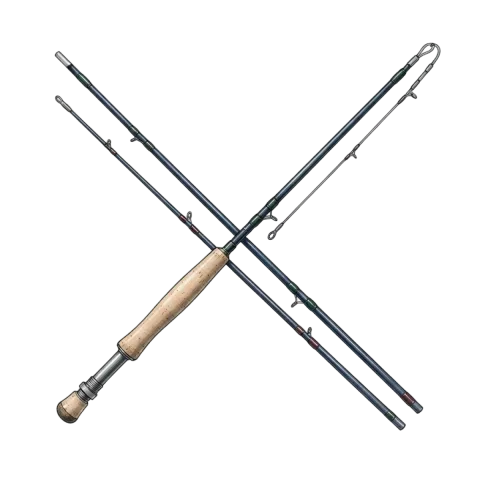
Pole rod
A fishing pole is a telescopic, reel-less rod for presenting a light float or rig under the tip. You ship it; you do not cast it.
Sized for a typical fish
5 m
- Reel seat
- None
- Form factor
- Multi-piece
- Action
- Moderate
- Grip
- Cork
Line
Monofilament line
Monofilament fishing line is the everyday main line: easy to knot, cheap to replace, and stretchy enough to forgive a hard strike.
Sized for a typical fish
1.3 kg · 0.125 mm
- Visibility
- Medium
- Abrasion
- Medium
- Stretch
- High
- Sink rate
- Slow
Hook
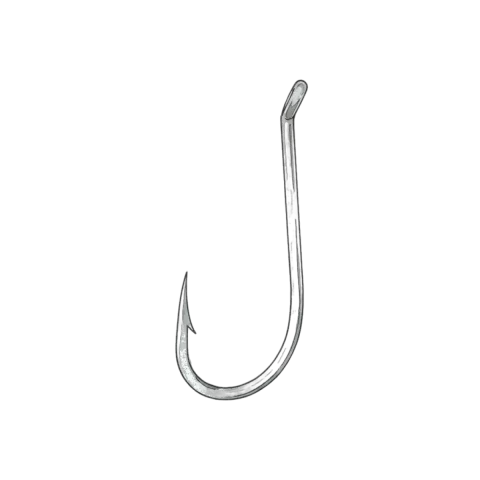
Aberdeen hook
An Aberdeen hook is a light-wire, long-shank hook for live minnows and delicate baits. It straightens on a snag before the line breaks.
Sized for a typical fish
12
- Points
- 1
- Offset
- No
- Barbed
- Yes
- Gap
- Narrow
Float
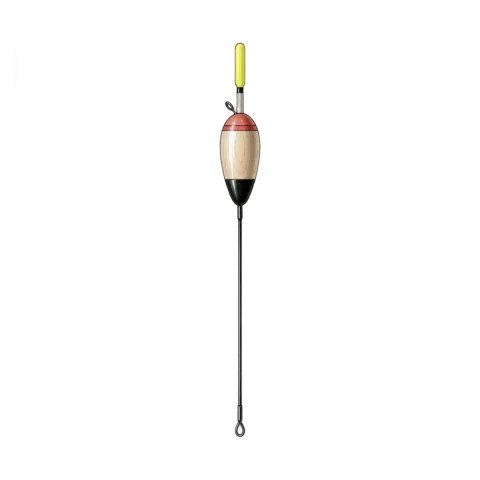
Pole float
A pole float is a tiny, sensitive float fished under a pole, not cast. It is not a pole rod.
Sized for a typical fish
0.8 g
- Attachment
- Fixed
- Habitats
- Freshwater
- Methods
- Pole Fishing
Best lures and baits for Epiros minnow
Ranked lures and natural baits from every method, best first.
01
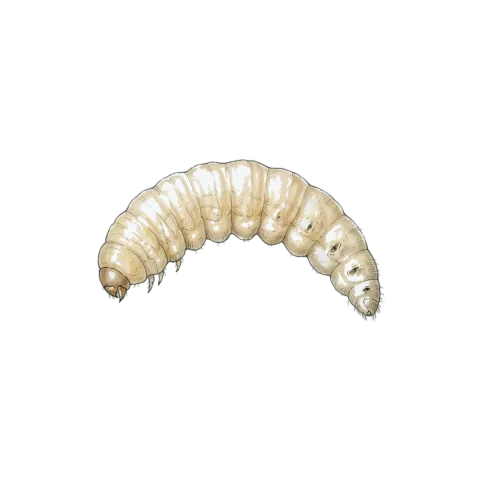
Maggot
- Float Fishing
- Pole Fishing
Segmented white body provides enticing natural movement and scent.
02
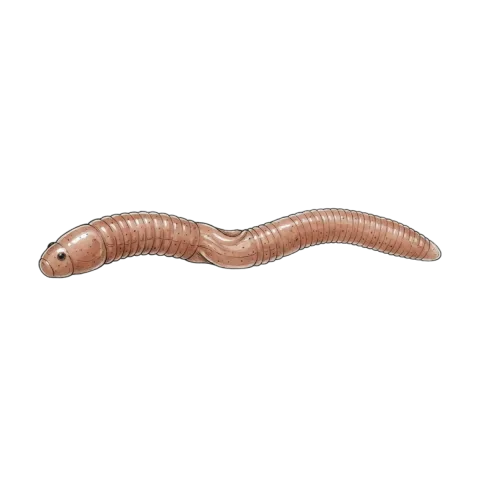
Worm
- Float Fishing
Rounded anterior end containing the mouth used for anchoring the bait on the hook.
Where Epiros minnow spends the year — Non-migratory
Stays in the same waters year-round. Look for it on the same grounds rather than timing a run.
1 Eggs
Same water all year
Laid on the home grounds.
2 Juveniles
Same water all year
Grow up close by.
3 Adults
Same water all year
Keep to a small home range.
4 Spawners
Same water all year
Spawn on the same grounds, with only short moves.
Hover or tap a number to read each stage.
Diet and behavior of Epiros minnow
-
Diet
Carnivore -
Hunts
Morning · Afternoon
Where Epiros minnow lives
Lives near the bottom but swims in the water just above it. Cover the lower column, not only the mud.

Where this species lives