How to catch Fat snook
Centropomus parallelus Poey, 1860
About Fat snook fishing
The fat snook is a compact coastal predator belonging to the family Centropomidae, featuring a fusiform body with a distinctive dark lateral line, a large head, and a protruding lower jaw. Reaching a maximum length of seventy-two centimetres, it typically exhibits a yellowish brown to greenish dorsum fading to a bright silvery belly. This euryhaline species inhabits shallow marine waters, brackish estuaries, lagoons, and freshwater rivers across tropical and subtropical regions. Operating as a generalist carnivore, it preys primarily on small fish and aquatic crustaceans in soft-bottom environments. Highly regarded for its fighting spirit and quality flesh, it supports important recreational fisheries and is increasingly valued in aquaculture.
-
Difficulty
Medium
-
Average size
25 cm TL
-
Market value
Very high
-
Habitat
Freshwater, Brackish, Saltwater
-
Season
Spring, Summer, Autumn, Winter
-
Also known as
Chucumite, Gabb's snook, Grabb's snook, Little snook, River snook, Riversnook

Lateral line
Distinct prominent black lateral line running straight along the flank.
Protractile mouth
Large superior mouth with protruding lower jaw typical of snooks.
Fat snook fishing facts
Characteristics
-
Typical size
25 cm TL (max 72 cm TL ) -
Typical weight
0.8 kg (max 5 kg ) -
Preferred temperature
24.9–28 °C -
Depth
0–40 m -
Body shape
Fusiform / Normal -
Commercial?
-
Vulnerability score
55.3
Best hours
-
Peak
Dawn
First light
-
Active
Morning
After sunrise
-
Low
Midday
High sun
-
Active
Afternoon
Late day
-
Peak
Dusk
Last light
-
Active
Night
After dark
When to fish for Fat snook
How to catch Fat snook
Tips for catching Fat snook
Anglers targeting this species achieve the best results by focusing on shallow estuarine structures, mangrove edges, and tidal creeks where current breaks concentrate forage. Because these fish respond strongly to shifting light levels, presentation is most effective during early morning and late afternoon hours or under overcast conditions. Lure anglers should employ slow, erratic retrieves with suspending jerkbaits or soft plastic shads close to the bottom. When live bait is preferred, offering a lively shrimp or small fish beneath a slip float near submerged timber or rocky outcrops yields steady action throughout the warmer months.
Other names for Fat snook
Local and alternate names anglers use for Fat snook.
-
Fat snook
-
River snook
-
Little snook
-
Smallscale fat snook
-
Salom
-
Grabb's snook
-
Gabb's snook
-
Riversnook
-
Robalo
-
Snook
-
Chucumite
Best equipment to catch Fat snook
Compare fishing methods for Fat snook — sized kit for each technique.
Note: Typical fish is 0.8 kg Our algorithm will suggest the best equipment for you based on this weight.
Spinning
Casting and retrieving lures with a spinning rod and reel.
85% Effectiveness

Rod
Spinning rod
A spinning rod is a fishing rod built to carry a spinning reel under the blank. You cast lures and light baits with it from shore or a boat.
Sized for a typical fish
light · 2.1 m
- Reel seat
- Spinning
- Form factor
- Multi-piece
- Action
- Fast
- Grip
- EVA

Reel
Spinning reel
A spinning reel hangs under the fishing rod and is the default reel for casting lures and light baits. Line peels off an open spool with a bail.
Sized for a typical fish
1000 · 3 kg drag · 185 g
- Spool
- Fixed
- Mount
- Under
- Drag
- Front
- Retrieve
- Manual

Line
Braided line
Braided fishing line is the thin, no-stretch main for long casts, jigging, and feeling every tick on the retrieve.
Sized for a typical fish
6 kg · 0.1 mm
- Visibility
- High
- Abrasion
- Low
- Stretch
- None
- Sink rate
- Floats

Leader
Fluorocarbon leader
A fluorocarbon leader is the clear, fast-sinking join between a visible main line and the lure or hook.
Sized for a typical fish
7 kg · 0.3 mm · 90 cm
- Visibility
- Very low
- Abrasion
- High
- Stretch
- Low
- Sink rate
- Fast
Live Baiting
Fishing a live baitfish or live invertebrate as the primary presentation.
80% Effectiveness
Rod
Spinning rod
A spinning rod is a fishing rod built to carry a spinning reel under the blank. You cast lures and light baits with it from shore or a boat.
Sized for a typical fish
light · 2.1 m
- Reel seat
- Spinning
- Form factor
- Multi-piece
- Action
- Fast
- Grip
- EVA
Reel
Spinning reel
A spinning reel hangs under the fishing rod and is the default reel for casting lures and light baits. Line peels off an open spool with a bail.
Sized for a typical fish
1000 · 3 kg drag · 185 g
- Spool
- Fixed
- Mount
- Under
- Drag
- Front
- Retrieve
- Manual

Line
Monofilament line
Monofilament fishing line is the everyday main line: easy to knot, cheap to replace, and stretchy enough to forgive a hard strike.
Sized for a typical fish
2.5 kg · 0.16 mm
- Visibility
- Medium
- Abrasion
- Medium
- Stretch
- High
- Sink rate
- Slow
Leader
Fluorocarbon leader
A fluorocarbon leader is the clear, fast-sinking join between a visible main line and the lure or hook.
Sized for a typical fish
4 kg · 0.2 mm · 80 cm
- Visibility
- Very low
- Abrasion
- High
- Stretch
- Low
- Sink rate
- Fast

Hook
Circle hook
A circle hook turns in the mouth and usually finds the corner of the jaw. You do not strike hard — you come tight. It includes freshwater.
Sized for a typical fish
4
- Points
- 1
- Offset
- No
- Barbed
- Yes
- Gap
- Standard
Bottom Fishing
Presenting bait or rigs on or near the lake or sea floor.
70% Effectiveness
Rod
Spinning rod
A spinning rod is a fishing rod built to carry a spinning reel under the blank. You cast lures and light baits with it from shore or a boat.
Sized for a typical fish
light · 2.1 m
- Reel seat
- Spinning
- Form factor
- Multi-piece
- Action
- Fast
- Grip
- EVA
Reel
Spinning reel
A spinning reel hangs under the fishing rod and is the default reel for casting lures and light baits. Line peels off an open spool with a bail.
Sized for a typical fish
1000 · 3 kg drag · 185 g
- Spool
- Fixed
- Mount
- Under
- Drag
- Front
- Retrieve
- Manual
Line
Monofilament line
Monofilament fishing line is the everyday main line: easy to knot, cheap to replace, and stretchy enough to forgive a hard strike.
Sized for a typical fish
2.5 kg · 0.16 mm
- Visibility
- Medium
- Abrasion
- Medium
- Stretch
- High
- Sink rate
- Slow
Leader
Fluorocarbon leader
A fluorocarbon leader is the clear, fast-sinking join between a visible main line and the lure or hook.
Sized for a typical fish
4 kg · 0.2 mm · 80 cm
- Visibility
- Very low
- Abrasion
- High
- Stretch
- Low
- Sink rate
- Fast
Hook
Circle hook
A circle hook turns in the mouth and usually finds the corner of the jaw. You do not strike hard — you come tight. It includes freshwater.
Sized for a typical fish
4
- Points
- 1
- Offset
- No
- Barbed
- Yes
- Gap
- Standard
Best lures and baits for Fat snook
Ranked lures and natural baits from every method, best first.
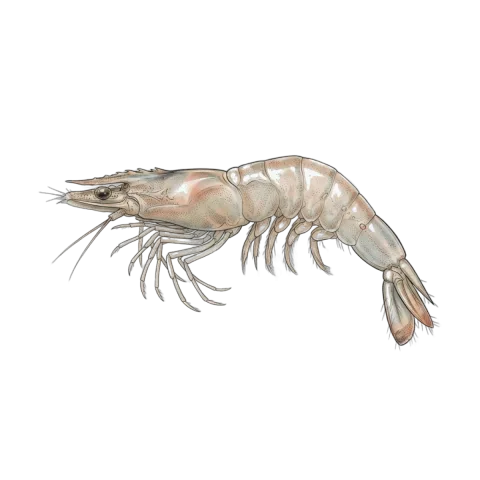
01
Shrimp
- Live Baiting
- Bottom Fishing
Translucent segmented carapace protects the body.
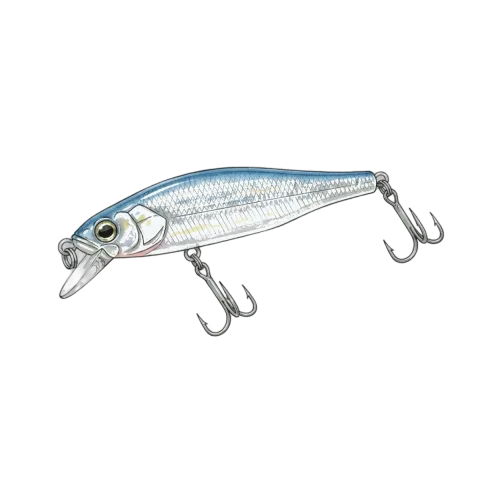
02
Jerkbait
- Spinning
A long hard bait you twitch and kill in the mid column.
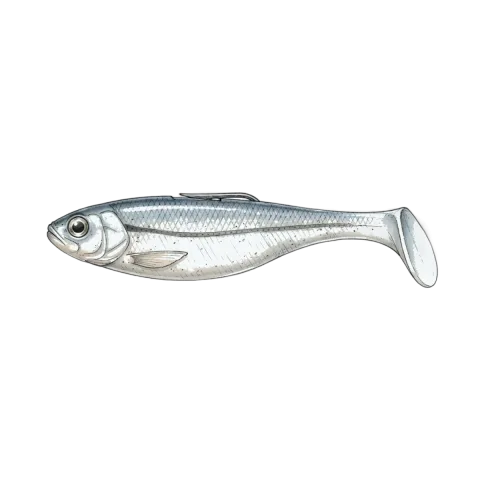
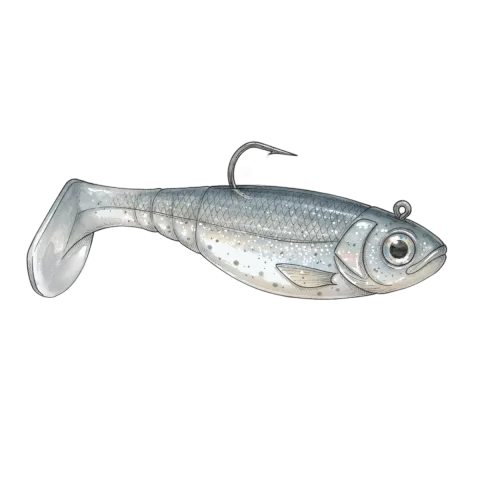
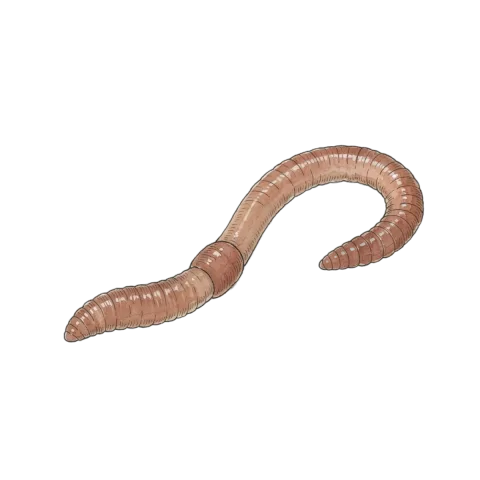
05
Live baitfish
- Live Baiting
Elongated segmented worm body provides natural movement to attract fish.
How Fat snook migrates — Amphidromous
Moves between fresh and salt water during its life, but not specifically to spawn. Fish the estuary and the lower river.
1 Eggs
Sea
Spawned at sea or along the coast.
2 Larvae
→ Estuary
Drift inshore with the currents.
3 Juveniles
Fresh water
Move into estuaries, lagoons and fresh water to feed and grow.
4 Adults
→ Sea
Return to the sea to mature and spawn.
The crossing is for feeding and growth, not to spawn.
Hover or tap a number to read each stage.
Diet and behavior of Fat snook
-
Diet
Top predator -
Feeds by
Hunts animals -
Hunts
Dawn · Dusk
Where Fat snook lives
Lives on or just above the bottom. Work jigs, bait, and lures along the seabed.
0–40 m

River mouth
Where this species lives
Fat snook photos for identification
Compare these photos with the catalog plate to identify the species.
Where to fish for Fat snook
Mapped fishing spots where Fat snook is recorded — open a pin for access and methods.


