How to catch Gobio bulgaricus
Gobio bulgaricus Drensky, 1926
About Gobio bulgaricus fishing
The Aegean gudgeon is a small freshwater fish belonging to the family Gobionidae, characterized by an elongated body shape and reaching up to nine centimetres in standard length. Native to clear streams and rivers with moderate flow across the southern Balkans including Greece, Bulgaria, North Macedonia, and European Turkey, it typically inhabits shallow stretches with sandy or gravelly bottoms. This benthopelagic species feeds primarily on benthic organisms and detritus, often scraping algae and small invertebrates from submerged stones. While not targeted commercially, it forms an integral part of the local riverine ecosystem and is occasionally encountered by coarse anglers exploring wadeable Balkan streams.
-
Difficulty
Medium
-
Average size
7 cm
-
Habitat
Freshwater
-
Season
Spring, Summer, Autumn

Forked caudal shape
Distinctly forked tail fin shape typical of active swimming gudgeons.
Lateral blotches
A series of dark spots along the mid-side distinguishes this species.
Maxillary barbels
Small barbels at the mouth corner identify it as a bottom-feeder.
Gobio bulgaricus fishing facts
Characteristics
-
Typical size
7 cm (max 9 cm SL ) -
Typical weight
0.2 kg (max 0 kg ) -
Body shape
Elongated -
Vulnerability score
27.5
Best hours
-
Low
Dawn
First light
-
Peak
Morning
After sunrise
-
Active
Midday
High sun
-
Peak
Afternoon
Late day
-
Low
Dusk
Last light
-
Low
Night
After dark
When to fish for Gobio bulgaricus
How to catch Gobio bulgaricus
Tips for catching Gobio bulgaricus
Anglers seeking small benthic river species can successfully target this gudgeon by using ultra-light tackle equipped with a sensitive float or a light ledger rig presented directly on the riverbed. Fine presentation is essential in clear Balkan streams, so employ small hooks baited with tiny pieces of worm, single maggots, or bloodworms. Focus your efforts on shallow riffles, glides, and sandy pockets where moderate currents sweep natural food items along the bottom. Fishing during daylight hours from late spring through early autumn yields the most consistent results as fish actively forage across sunlit gravel bars.
Best equipment to catch Gobio bulgaricus
Compare fishing methods for Gobio bulgaricus — sized kit for each technique.
Note: Typical fish is 0.2 kg Our algorithm will suggest the best equipment for you based on this weight.
Float Fishing
Suspending bait beneath a float at a controlled depth.
85% Effectiveness
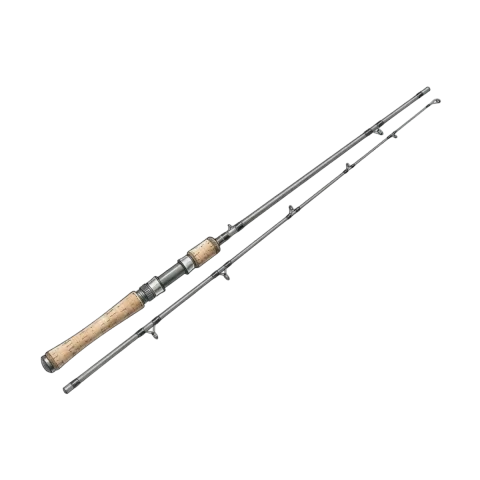
Rod
Float rod
A float rod is the all-round fishing rod for a float in rivers and still water, a step down in length from match.
Sized for a typical fish
light · 3.6 m
- Reel seat
- Spinning
- Form factor
- Multi-piece
- Action
- Moderate
- Grip
- Cork

Reel
Spinning reel
A spinning reel hangs under the fishing rod and is the default reel for casting lures and light baits. Line peels off an open spool with a bail.
Sized for a typical fish
1000 · 3 kg drag · 185 g
- Spool
- Fixed
- Mount
- Under
- Drag
- Front
- Retrieve
- Manual

Line
Monofilament line
Monofilament fishing line is the everyday main line: easy to knot, cheap to replace, and stretchy enough to forgive a hard strike.
Sized for a typical fish
1.3 kg · 0.125 mm
- Visibility
- Medium
- Abrasion
- Medium
- Stretch
- High
- Sink rate
- Slow
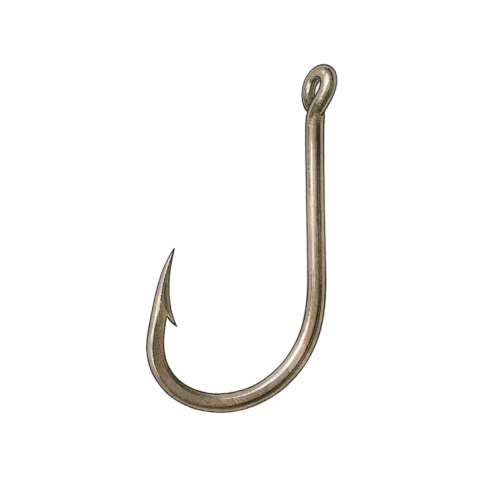
Hook
J-hook
A J-hook is the classic J-bend fishing hook for bait. You set it with a strike. Sizes are tokens such as 12 or 1/0.
Sized for a typical fish
12
- Points
- 1
- Offset
- No
- Barbed
- Yes
- Gap
- Standard
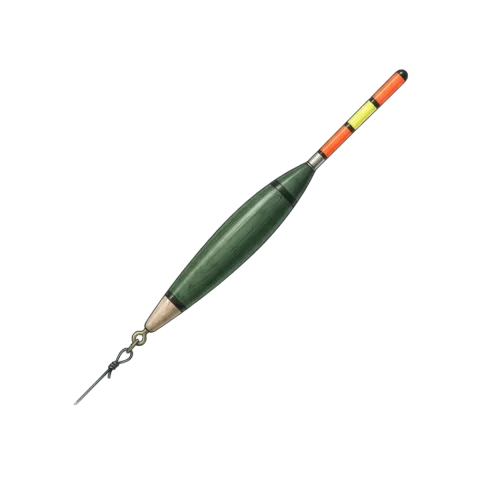
Float
Waggler
A waggler is a bottom-only attachment float for stillwaters and slow rivers. You shot it down and watch the antenna.
Sized for a typical fish
4 g
- Attachment
- Fixed
- Habitats
- Freshwater
- Methods
- Float Fishing
Bottom Fishing
Presenting bait or rigs on or near the lake or sea floor.
70% Effectiveness

Rod
Spinning rod
A spinning rod is a fishing rod built to carry a spinning reel under the blank. You cast lures and light baits with it from shore or a boat.
Sized for a typical fish
ultralight · 1.8 m
- Reel seat
- Spinning
- Form factor
- Multi-piece
- Action
- Fast
- Grip
- EVA
Reel
Spinning reel
A spinning reel hangs under the fishing rod and is the default reel for casting lures and light baits. Line peels off an open spool with a bail.
Sized for a typical fish
1000 · 3 kg drag · 185 g
- Spool
- Fixed
- Mount
- Under
- Drag
- Front
- Retrieve
- Manual
Line
Monofilament line
Monofilament fishing line is the everyday main line: easy to knot, cheap to replace, and stretchy enough to forgive a hard strike.
Sized for a typical fish
1.3 kg · 0.125 mm
- Visibility
- Medium
- Abrasion
- Medium
- Stretch
- High
- Sink rate
- Slow

Leader
Fluorocarbon leader
A fluorocarbon leader is the clear, fast-sinking join between a visible main line and the lure or hook.
Sized for a typical fish
4 kg · 0.2 mm · 80 cm
- Visibility
- Very low
- Abrasion
- High
- Stretch
- Low
- Sink rate
- Fast

Hook
Circle hook
A circle hook turns in the mouth and usually finds the corner of the jaw. You do not strike hard — you come tight. It includes freshwater.
Sized for a typical fish
4
- Points
- 1
- Offset
- No
- Barbed
- Yes
- Gap
- Standard
Best lures and baits for Gobio bulgaricus
Ranked lures and natural baits from every method, best first.
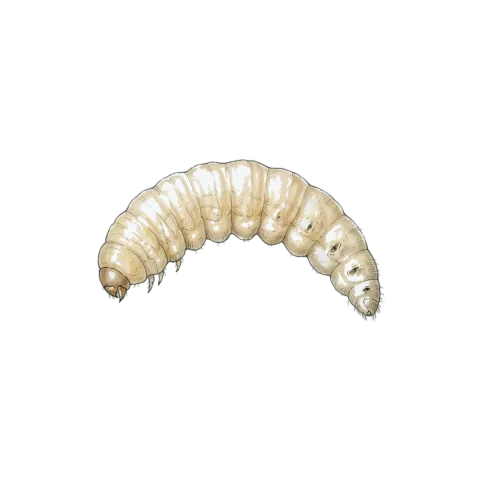
01
Maggot
- Float Fishing
Segmented white body provides enticing natural movement and scent.
02
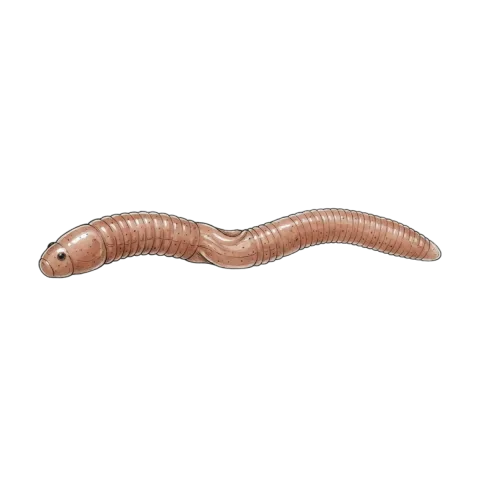
Worm
- Float Fishing
Rounded anterior end containing the mouth used for anchoring the bait on the hook.
03
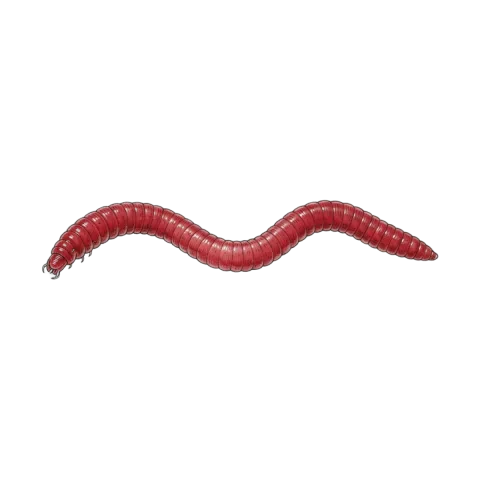
Bloodworm
- Bottom Fishing
Vibrant red coloration attracts panfish and coarse fish easily.
Where Gobio bulgaricus spends the year — Non-migratory
Stays in the same waters year-round. Look for it on the same grounds rather than timing a run.
1 Eggs
Same water all year
Laid on the home grounds.
2 Juveniles
Same water all year
Grow up close by.
3 Adults
Same water all year
Keep to a small home range.
4 Spawners
Same water all year
Spawn on the same grounds, with only short moves.
Hover or tap a number to read each stage.
Diet and behavior of Gobio bulgaricus
-
Diet
Carnivore -
Hunts
Morning · Afternoon
Where Gobio bulgaricus lives
Lives near the bottom but swims in the water just above it. Cover the lower column, not only the mud.

Where this species lives