How to catch Grey gurnard
Eutrigla gurnardus (Linnaeus, 1758)
About Grey gurnard fishing
The grey gurnard is a bottom-dwelling marine fish belonging to the family Triglidae, easily recognised by its elongated body, large bony head, and a distinctive concave forehead. It features a brownish-grey back speckled with small white spots, a pale underside, and a characteristic dark blotch on the first dorsal fin. Growing up to sixty centimetres in total length, this demersal species inhabits sandy, muddy, and occasional rocky seabeds from the shallow coastal zone down to substantial depths of three hundred and forty metres. As an active nocturnal and crepuscular predator, it feeds primarily on bottom-dwelling crustaceans like shrimps and crabs, alongside small fishes such as gobies and sand eels. While often taken as commercial bycatch, it is increasingly encountered by recreational sea anglers targeting clean ground.
-
Difficulty
Medium
-
Average size
30 cm TL
-
Market value
High
-
Habitat
Brackish, Saltwater
-
Season
Spring, Summer, Autumn

Terminal mouth
Terminal mouth position helps distinguish this species.
Concave forehead
The forehead is clearly concave, distinctive of this gurnard.
Trunk spots
Numerous dark spots are spread mainly along the trunk.
Grey gurnard fishing facts
Characteristics
-
Typical size
30 cm TL (max 60 cm TL ) -
Typical weight
0.2 kg (max 1 kg ) -
Preferred temperature
7.3–13.5 °C -
Depth
10–340 m -
Longevity
21 years -
Body shape
Elongated -
Commercial?
-
Vulnerability score
55.3
Best hours
-
Peak
Dawn
First light
-
Active
Morning
After sunrise
-
Low
Midday
High sun
-
Low
Afternoon
Late day
-
Peak
Dusk
Last light
-
Active
Night
After dark
When to fish for Grey gurnard
How to catch Grey gurnard
Tips for catching Grey gurnard
To target grey gurnard successfully, concentrate your efforts over clean sandy or mixed ground in depths ranging from ten down to forty metres using a sturdy boat rod or a responsive beachcaster. Because these fish hunt primarily by scent and sight along the seabed for small crustaceans and fish, bottom rigs baited with fresh strips of mackerel, lugworm, or squid prove highly effective. Keep your terminal tackle moving slightly by ledgering from a slowly drifting boat or working a light bouncing retrieve along the sand to attract their attention. They can be pursued throughout the warmer spring and autumn months, with peak feeding activity usually concentrated during the early morning and late evening hours when they move closer inshore.
Other names for Grey gurnard
Local and alternate names anglers use for Grey gurnard.
-
Grey gurnard
Best equipment to catch Grey gurnard
Compare fishing methods for Grey gurnard — sized kit for each technique.
Note: Typical fish is 0.2 kg Our algorithm will suggest the best equipment for you based on this weight.
Bottom Fishing
Presenting bait or rigs on or near the lake or sea floor.
85% Effectiveness

Rod
Spinning rod
A spinning rod is a fishing rod built to carry a spinning reel under the blank. You cast lures and light baits with it from shore or a boat.
Sized for a typical fish
ultralight · 1.8 m
- Reel seat
- Spinning
- Form factor
- Multi-piece
- Action
- Fast
- Grip
- EVA

Reel
Spinning reel
A spinning reel hangs under the fishing rod and is the default reel for casting lures and light baits. Line peels off an open spool with a bail.
Sized for a typical fish
1000 · 3 kg drag · 185 g
- Spool
- Fixed
- Mount
- Under
- Drag
- Front
- Retrieve
- Manual

Line
Monofilament line
Monofilament fishing line is the everyday main line: easy to knot, cheap to replace, and stretchy enough to forgive a hard strike.
Sized for a typical fish
1.3 kg · 0.125 mm
- Visibility
- Medium
- Abrasion
- Medium
- Stretch
- High
- Sink rate
- Slow

Leader
Fluorocarbon leader
A fluorocarbon leader is the clear, fast-sinking join between a visible main line and the lure or hook.
Sized for a typical fish
4 kg · 0.2 mm · 80 cm
- Visibility
- Very low
- Abrasion
- High
- Stretch
- Low
- Sink rate
- Fast

Hook
Circle hook
A circle hook turns in the mouth and usually finds the corner of the jaw. You do not strike hard — you come tight. It includes freshwater.
Sized for a typical fish
4
- Points
- 1
- Offset
- No
- Barbed
- Yes
- Gap
- Standard
Drift Fishing
Presenting bait or lures from a boat moving with wind or current, not under trolling speed.
75% Effectiveness
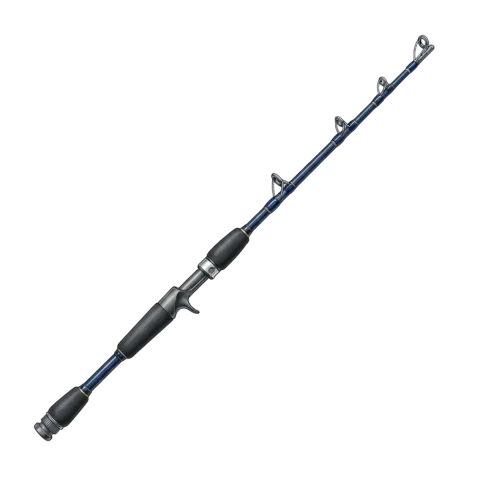
Rod
Boat rod
A boat rod is the short, stout fishing rod for work under the hull: bottom fishing, trolling, drift, and live bait in fresh or salt.
Sized for a typical fish
light · 1.68 m
- Reel seat
- Casting
- Form factor
- One-piece
- Action
- Moderate-fast
- Grip
- EVA
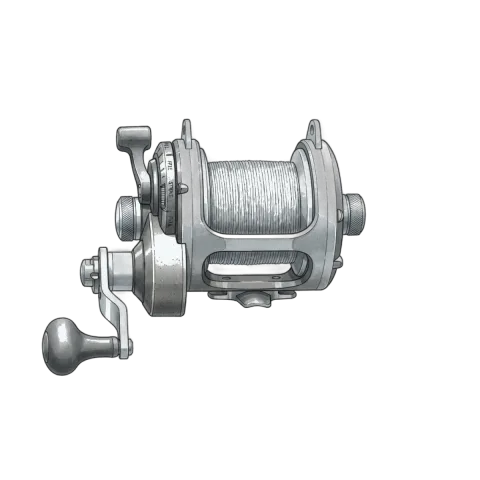
Reel
Conventional reel
A conventional reel is the lever-drag boat fishing reel for trolling and bottom fishing.
Sized for a typical fish
10 · 4 kg drag
- Spool
- Revolving
- Mount
- Over
- Drag
- Lever
- Retrieve
- Manual

Line
Braided line
Braided fishing line is the thin, no-stretch main for long casts, jigging, and feeling every tick on the retrieve.
Sized for a typical fish
6 kg · 0.1 mm
- Visibility
- High
- Abrasion
- Low
- Stretch
- None
- Sink rate
- Floats
Hook
Circle hook
A circle hook turns in the mouth and usually finds the corner of the jaw. You do not strike hard — you come tight. It includes freshwater.
Sized for a typical fish
4
- Points
- 1
- Offset
- No
- Barbed
- Yes
- Gap
- Standard
Best lures and baits for Grey gurnard
Ranked lures and natural baits from every method, best first.
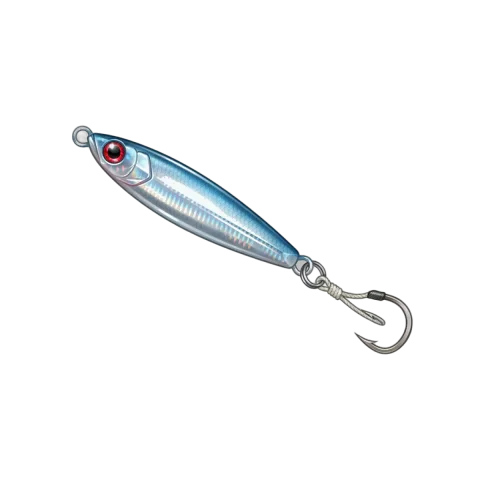
01
Metal jig
- Bottom Fishing
- Drift Fishing
A long metal lure for speed-jigging the deep column.
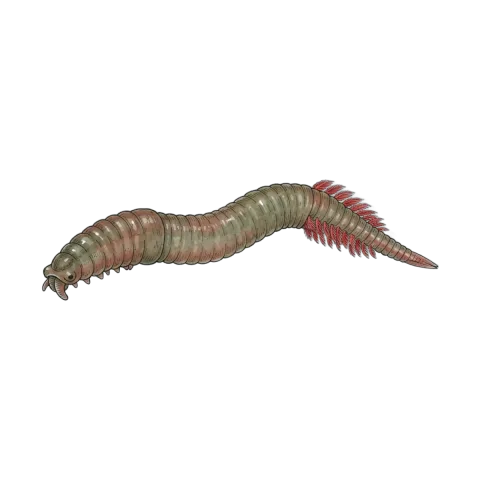
02
Lugworm
- Bottom Fishing
- Drift Fishing
Fleshy, segmented body provides substantial scent and natural appeal for bottom fish.
03
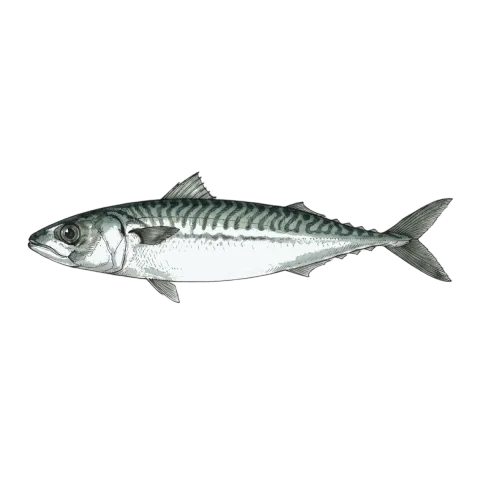
Mackerel
- Bottom Fishing
- Drift Fishing
Distinctive wavy dorsal stripes provide high contrast and flash underwater.
04
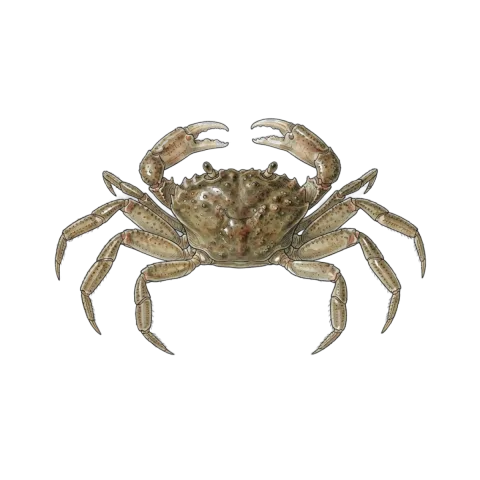
Crab
- Bottom Fishing
Hard upper shell protects the crab and anchors its vital organs.
How Grey gurnard migrates — Inshore–offshore
Shifts between shallow inshore water and deeper offshore grounds with the season.
1 Warm months
Inshore
Stay close inshore through the warm months.
2 Cold months
Offshore
Move offshore into deeper water as it cools.
Hover or tap a number to read each stage.
Diet and behavior of Grey gurnard
-
Diet
Carnivore -
Feeds by
Hunts animals -
Hunts
Dawn · Dusk -
Feeds over
Soft bottom -
Main prey
Baitfish · Bottom prey · Plankton
Prey and predators of Grey gurnard
Prey is what Grey gurnard eats. Predators are the animals that eat it.
That is how it feeds, and how it is hunted.
Prey
What it eats
Predators
What hunts it
Fish
Where Grey gurnard lives
Lives on or just above the bottom. Work jigs, bait, and lures along the seabed.
10–340 m · usually 10–150 m

Estuary
Where this species lives
Grey gurnard photos for identification
Compare these photos with the catalog plate to identify the species.
Where to fish for Grey gurnard
Mapped fishing spots where Grey gurnard is recorded — open a pin for access and methods.

