How to catch Lake charr
Salvelinus umbla (Linnaeus, 1758)
About Lake charr fishing
Salvelinus umbla is a cold water char belonging to the salmon family, featuring a streamlined fusiform body with a forked tail, greenish brown flanks marked with reddish spots, and bright orange lower fins edged in white. Growing up to 75 centimetres in standard length, this native inhabitant of deep alpine and subalpine glacial valley lakes thrives in extreme depths, feeding primarily on benthic organisms, crustaceans, and insects while larger adults occasionally shift to a piscivorous diet. It exhibits non-migratory resident behavior within deep lake basins and undertakes deep water spawning runs over steep stony slopes during late autumn. Anglers and local communities highly value this species as an indicator of pristine alpine water quality.
-
Difficulty
Medium
-
Average size
35 cm
-
Market value
Very high
-
Habitat
Freshwater
-
Season
Spring, Summer, Autumn

Caudal shape
Deeply forked tail fin characteristic of open-water swimming charrs.
Adipose fin
Small fleshy fin located before the tail identifies salmonid species.
Red spots on flank
Greenish brown flanks marked with distinct reddish spots characteristic of charr.
Lake charr fishing facts
Characteristics
-
Typical size
35 cm (max 75 cm SL ) -
Typical weight
0.8 kg (max 4.9 kg ) -
Longevity
15 years -
Body shape
Fusiform / Normal -
Commercial?
-
Vulnerability score
40.8
Best hours
-
Peak
Dawn
First light
-
Active
Morning
After sunrise
-
Low
Midday
High sun
-
Low
Afternoon
Late day
-
Peak
Dusk
Last light
-
Low
Night
After dark
When to fish for Lake charr
How to catch Lake charr
Tips for catching Lake charr
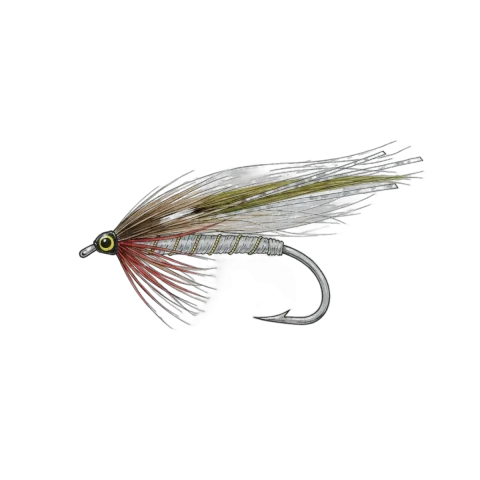
Success when targeting deep water char relies heavily on reaching the lower thermocline and navigating steep lake contours where these fish hold. Anglers should focus efforts during early morning and late afternoon hours using heavy spoons, slim metal jigs, or streamer patterns presented near the bottom structure. Trolling deep running setups along drop offs or vertical jigging with small artificial lures works exceptionally well during the warmer months when fish retreat to deeper layers. A sensitive outfit equipped with fine braided line ensures proper bite detection in profound depths while minimizing disturbance in crystal clear alpine waters.
Other names for Lake charr
Local and alternate names anglers use for Lake charr.
-
Lake charr
Best equipment to catch Lake charr
Compare fishing methods for Lake charr — sized kit for each technique.
Note: Typical fish is 0.8 kg Our algorithm will suggest the best equipment for you based on this weight.
Trolling
Drawing lures or baits behind a moving boat.
85% Effectiveness
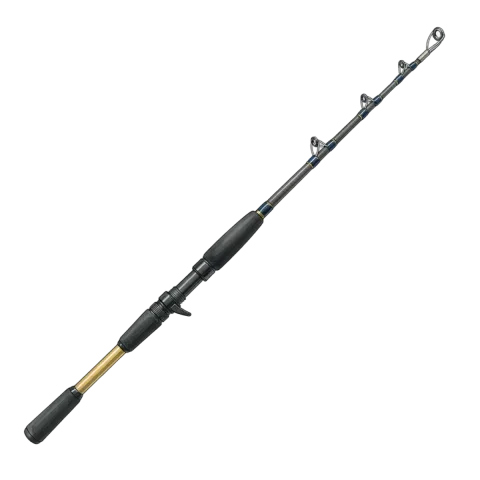
Rod
Trolling rod
A trolling rod is built to sit in a holder and pull a lure or bait at speed. Moderate action so the rod, not the reel, plays the fish.
Sized for a typical fish
medium · 1.83 m
- Reel seat
- Casting
- Form factor
- One-piece
- Action
- Moderate
- Grip
- EVA
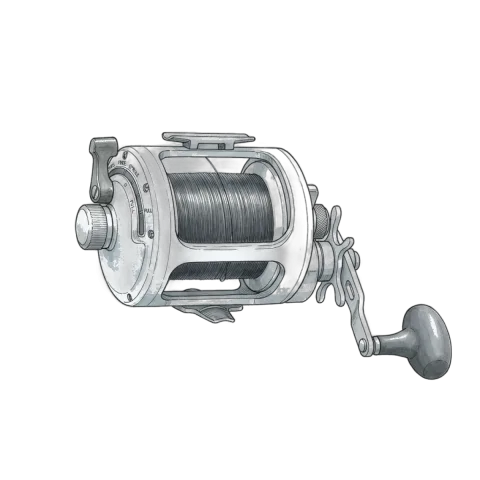
Reel
Trolling reel
A trolling reel is the dedicated lever-drag fishing reel for pulling lures behind a boat, often in a holder all day.
Sized for a typical fish
20 · 15 kg drag
- Spool
- Revolving
- Mount
- Over
- Drag
- Lever
- Retrieve
- Manual

Line
Braided line
Braided fishing line is the thin, no-stretch main for long casts, jigging, and feeling every tick on the retrieve.
Sized for a typical fish
6 kg · 0.1 mm
- Visibility
- High
- Abrasion
- Low
- Stretch
- None
- Sink rate
- Floats

Leader
Fluorocarbon leader
A fluorocarbon leader is the clear, fast-sinking join between a visible main line and the lure or hook.
Sized for a typical fish
7 kg · 0.3 mm · 90 cm
- Visibility
- Very low
- Abrasion
- High
- Stretch
- Low
- Sink rate
- Fast
Jigging
Working vertical lures with an active up-and-down motion.
75% Effectiveness
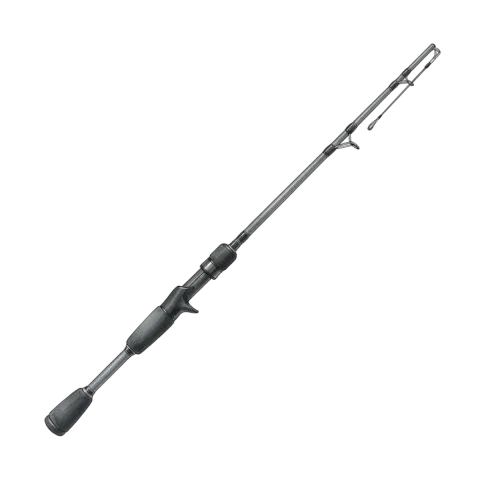
Rod
Jigging rod
A jigging rod is the short, powerful fishing rod for working a metal jig up through the column, including freshwater jigging.
Sized for a typical fish
heavy · 1.52 m
- Reel seat
- Casting
- Form factor
- One-piece
- Action
- Fast
- Grip
- EVA
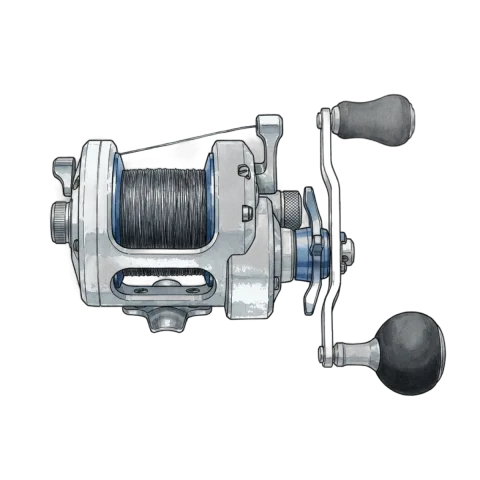
Reel
Jigging reel
A jigging reel is a compact, high-speed conventional for working metal jigs. A short retrieve picks up slack fast.
Sized for a typical fish
10 · 10 kg drag
- Spool
- Revolving
- Mount
- Over
- Drag
- Star
- Retrieve
- Manual
Line
Braided line
Braided fishing line is the thin, no-stretch main for long casts, jigging, and feeling every tick on the retrieve.
Sized for a typical fish
6 kg · 0.1 mm
- Visibility
- High
- Abrasion
- Low
- Stretch
- None
- Sink rate
- Floats
Leader
Fluorocarbon leader
A fluorocarbon leader is the clear, fast-sinking join between a visible main line and the lure or hook.
Sized for a typical fish
7 kg · 0.3 mm · 90 cm
- Visibility
- Very low
- Abrasion
- High
- Stretch
- Low
- Sink rate
- Fast
Spinning
Casting and retrieving lures with a spinning rod and reel.
60% Effectiveness

Rod
Spinning rod
A spinning rod is a fishing rod built to carry a spinning reel under the blank. You cast lures and light baits with it from shore or a boat.
Sized for a typical fish
light · 2.1 m
- Reel seat
- Spinning
- Form factor
- Multi-piece
- Action
- Fast
- Grip
- EVA

Reel
Spinning reel
A spinning reel hangs under the fishing rod and is the default reel for casting lures and light baits. Line peels off an open spool with a bail.
Sized for a typical fish
1000 · 3 kg drag · 185 g
- Spool
- Fixed
- Mount
- Under
- Drag
- Front
- Retrieve
- Manual
Line
Braided line
Braided fishing line is the thin, no-stretch main for long casts, jigging, and feeling every tick on the retrieve.
Sized for a typical fish
6 kg · 0.1 mm
- Visibility
- High
- Abrasion
- Low
- Stretch
- None
- Sink rate
- Floats
Leader
Fluorocarbon leader
A fluorocarbon leader is the clear, fast-sinking join between a visible main line and the lure or hook.
Sized for a typical fish
7 kg · 0.3 mm · 90 cm
- Visibility
- Very low
- Abrasion
- High
- Stretch
- Low
- Sink rate
- Fast
Bottom Fishing
Presenting bait or rigs on or near the lake or sea floor.
50% Effectiveness
Rod
Spinning rod
A spinning rod is a fishing rod built to carry a spinning reel under the blank. You cast lures and light baits with it from shore or a boat.
Sized for a typical fish
light · 2.1 m
- Reel seat
- Spinning
- Form factor
- Multi-piece
- Action
- Fast
- Grip
- EVA
Reel
Spinning reel
A spinning reel hangs under the fishing rod and is the default reel for casting lures and light baits. Line peels off an open spool with a bail.
Sized for a typical fish
1000 · 3 kg drag · 185 g
- Spool
- Fixed
- Mount
- Under
- Drag
- Front
- Retrieve
- Manual

Line
Monofilament line
Monofilament fishing line is the everyday main line: easy to knot, cheap to replace, and stretchy enough to forgive a hard strike.
Sized for a typical fish
2.5 kg · 0.16 mm
- Visibility
- Medium
- Abrasion
- Medium
- Stretch
- High
- Sink rate
- Slow
Leader
Fluorocarbon leader
A fluorocarbon leader is the clear, fast-sinking join between a visible main line and the lure or hook.
Sized for a typical fish
4 kg · 0.2 mm · 80 cm
- Visibility
- Very low
- Abrasion
- High
- Stretch
- Low
- Sink rate
- Fast

Hook
Circle hook
A circle hook turns in the mouth and usually finds the corner of the jaw. You do not strike hard — you come tight. It includes freshwater.
Sized for a typical fish
4
- Points
- 1
- Offset
- No
- Barbed
- Yes
- Gap
- Standard
Best lures and baits for Lake charr
Ranked lures and natural baits from every method, best first.
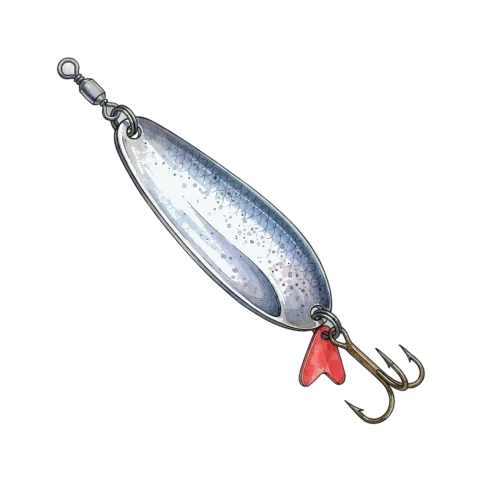
02
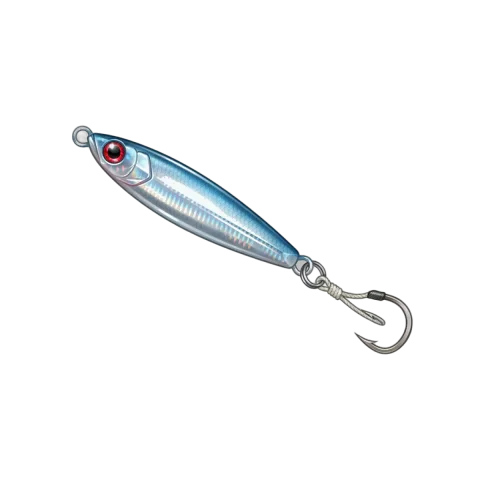
Metal jig
- Jigging
A long metal lure for speed-jigging the deep column.
03
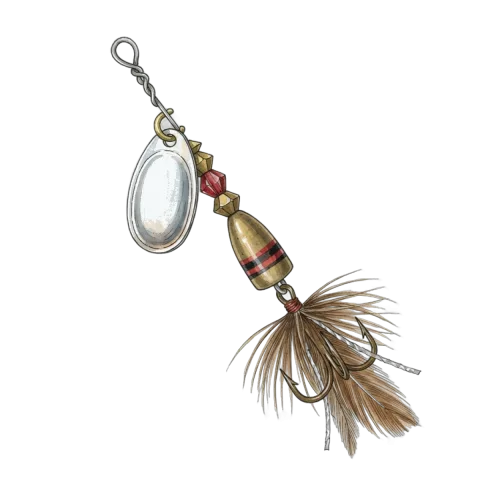
Inline spinner
- Spinning
An inline spinner with a blade that flashes on a straight retrieve.
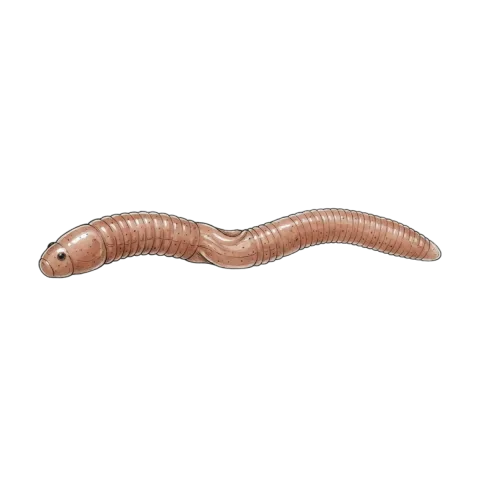
05
Worm
- Bottom Fishing
Rounded anterior end containing the mouth used for anchoring the bait on the hook.
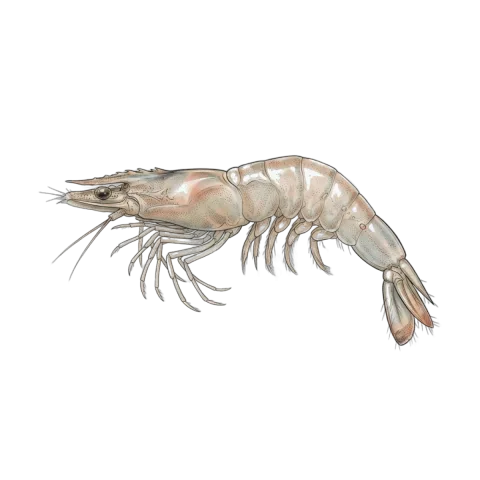
06
Shrimp
- Bottom Fishing
Translucent segmented carapace protects the body.
Where Lake charr spends the year — Non-migratory
Stays in the same waters year-round. Look for it on the same grounds rather than timing a run.
1 Eggs
Same water all year
Laid on the home grounds.
2 Juveniles
Same water all year
Grow up close by.
3 Adults
Same water all year
Keep to a small home range.
4 Spawners
Same water all year
Spawn on the same grounds, with only short moves.
Hover or tap a number to read each stage.
Diet and behavior of Lake charr
-
Diet
Carnivore -
Hunts
Dawn · Dusk
Where Lake charr lives
Lives near the bottom but swims in the water just above it. Cover the lower column, not only the mud.

Where this species lives
Lake charr photos for identification
Compare these photos with the catalog plate to identify the species.