How to catch Andalusian barbel
Luciobarbus sclateri (Günther, 1868)
About Andalusian barbel fishing
The Andalusian barbel is a native freshwater cyprinid fish characterised by a streamlined fusiform body, a stout caudal peduncle, and a distinctive lower lip structure. Growing to a maximum length of nearly fifty centimetres and a weight around one kilogram, adults typically display a sharp tonal contrast between a dark back and a pale belly. This benthopelagic species inhabits the middle and lower stretches of rivers across the Iberian Peninsula, favouring moderate currents and gravel or pebble substrates while avoiding cold torrential headwaters. Functioning as an opportunistic bottom browser, it feeds primarily on benthic invertebrates, insect larvae, and plant matter. It undertakes potamodromous migrations for reproduction, spawning during the early summer months, and represents a popular sporting target for river anglers seeking powerful runs in flowing waters.
-
Difficulty
Medium
-
Habitat
Freshwater
-
Season
Spring, Summer, Autumn

Caudal shape
Deeply forked caudal fin helps distinguish this species.
Barbels
Short fleshy barbels around the inferior mouth.
Lateral spots
Dark spots scattered along the flanks above the lateral line.
Andalusian barbel fishing facts
Characteristics
-
Typical size
49.5 cm FL -
Typical weight
0.2 kg (max 1 kg ) -
Longevity
18 years -
Body shape
Fusiform / Normal -
Vulnerability score
69.3
Best hours
-
Low
Dawn
First light
-
Peak
Morning
After sunrise
-
Low
Midday
High sun
-
Active
Afternoon
Late day
-
Peak
Dusk
Last light
-
Low
Night
After dark
When to fish for Andalusian barbel
How to catch Andalusian barbel
Tips for catching Andalusian barbel
Succeeding with this Iberian river dweller requires presenting baits right on the gravel bed where moderate currents sweep natural food items along. Target the heads and tails of pools, gravel runs, and deeper glides downstream of structural features where fish gather to feed. Heavy ledgering rigs combined with swimfeeders deliver scent effectively into the flow, while durable baits like hard pellets, cheese cubes, or clusters of worms stay secure against persistent nibblers. Approach cautiously and wear polarised sunglasses to locate fish holding near weed beds or current seams during daylight hours. Early morning and late afternoon sessions through the warmer months yield the most consistent action as fish move actively into shallower runs to forage.
Other names for Andalusian barbel
Local and alternate names anglers use for Andalusian barbel.
-
Andalusian barbel
Best equipment to catch Andalusian barbel
Compare fishing methods for Andalusian barbel — sized kit for each technique.
Note: Typical fish is 0.2 kg Our algorithm will suggest the best equipment for you based on this weight.
Bottom Fishing
Presenting bait or rigs on or near the lake or sea floor.
85% Effectiveness

Rod
Spinning rod
A spinning rod is a fishing rod built to carry a spinning reel under the blank. You cast lures and light baits with it from shore or a boat.
Sized for a typical fish
ultralight · 1.8 m
- Reel seat
- Spinning
- Form factor
- Multi-piece
- Action
- Fast
- Grip
- EVA

Reel
Spinning reel
A spinning reel hangs under the fishing rod and is the default reel for casting lures and light baits. Line peels off an open spool with a bail.
Sized for a typical fish
1000 · 3 kg drag · 185 g
- Spool
- Fixed
- Mount
- Under
- Drag
- Front
- Retrieve
- Manual

Line
Monofilament line
Monofilament fishing line is the everyday main line: easy to knot, cheap to replace, and stretchy enough to forgive a hard strike.
Sized for a typical fish
1.3 kg · 0.125 mm
- Visibility
- Medium
- Abrasion
- Medium
- Stretch
- High
- Sink rate
- Slow

Leader
Fluorocarbon leader
A fluorocarbon leader is the clear, fast-sinking join between a visible main line and the lure or hook.
Sized for a typical fish
4 kg · 0.2 mm · 80 cm
- Visibility
- Very low
- Abrasion
- High
- Stretch
- Low
- Sink rate
- Fast

Hook
Circle hook
A circle hook turns in the mouth and usually finds the corner of the jaw. You do not strike hard — you come tight. It includes freshwater.
Sized for a typical fish
4
- Points
- 1
- Offset
- No
- Barbed
- Yes
- Gap
- Standard
Feeder Fishing
Ledgering with a swimfeeder or method feeder and a quiver-tip rod.
80% Effectiveness
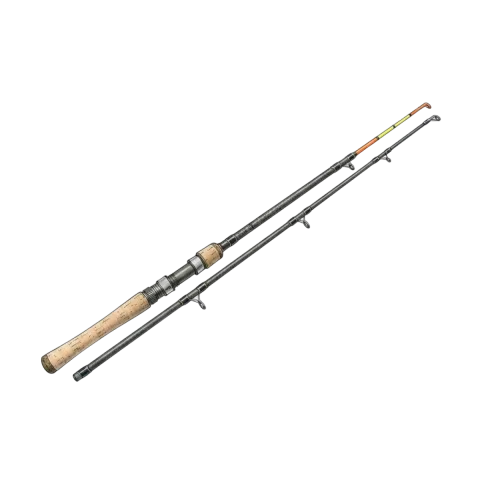
Rod
Feeder rod
A feeder rod is a long, quiver-tipped fishing rod for casting a feeder and watching the tip for bites.
Sized for a typical fish
medium · 3.3 m
- Reel seat
- Spinning
- Form factor
- Multi-piece
- Action
- Moderate
- Grip
- Cork
Reel
Spinning reel
A spinning reel hangs under the fishing rod and is the default reel for casting lures and light baits. Line peels off an open spool with a bail.
Sized for a typical fish
1000 · 3 kg drag · 185 g
- Spool
- Fixed
- Mount
- Under
- Drag
- Front
- Retrieve
- Manual
Line
Monofilament line
Monofilament fishing line is the everyday main line: easy to knot, cheap to replace, and stretchy enough to forgive a hard strike.
Sized for a typical fish
1.3 kg · 0.125 mm
- Visibility
- Medium
- Abrasion
- Medium
- Stretch
- High
- Sink rate
- Slow
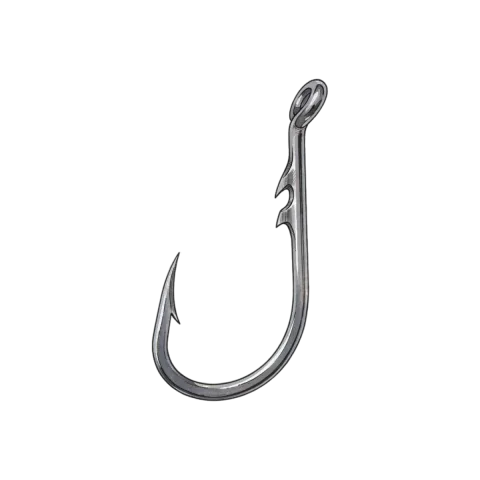
Hook
Baitholder hook
A baitholder hook has barbs on the shank to stop a worm or piece of bait sliding down. Classic float and feeder hook.
Sized for a typical fish
12
- Points
- 1
- Offset
- No
- Barbed
- Yes
- Gap
- Standard
Spinning
Casting and retrieving lures with a spinning rod and reel.
40% Effectiveness
Rod
Spinning rod
A spinning rod is a fishing rod built to carry a spinning reel under the blank. You cast lures and light baits with it from shore or a boat.
Sized for a typical fish
ultralight · 1.8 m
- Reel seat
- Spinning
- Form factor
- Multi-piece
- Action
- Fast
- Grip
- EVA
Reel
Spinning reel
A spinning reel hangs under the fishing rod and is the default reel for casting lures and light baits. Line peels off an open spool with a bail.
Sized for a typical fish
1000 · 3 kg drag · 185 g
- Spool
- Fixed
- Mount
- Under
- Drag
- Front
- Retrieve
- Manual

Line
Braided line
Braided fishing line is the thin, no-stretch main for long casts, jigging, and feeling every tick on the retrieve.
Sized for a typical fish
6 kg · 0.1 mm
- Visibility
- High
- Abrasion
- Low
- Stretch
- None
- Sink rate
- Floats
Leader
Fluorocarbon leader
A fluorocarbon leader is the clear, fast-sinking join between a visible main line and the lure or hook.
Sized for a typical fish
7 kg · 0.3 mm · 90 cm
- Visibility
- Very low
- Abrasion
- High
- Stretch
- Low
- Sink rate
- Fast
Best lures and baits for Andalusian barbel
Ranked lures and natural baits from every method, best first.
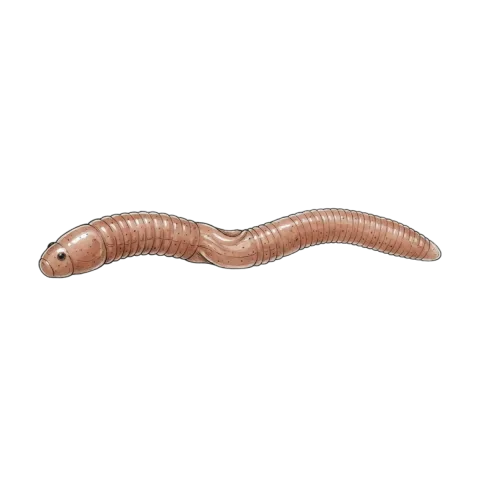
01
Worm
- Bottom Fishing
Rounded anterior end containing the mouth used for anchoring the bait on the hook.
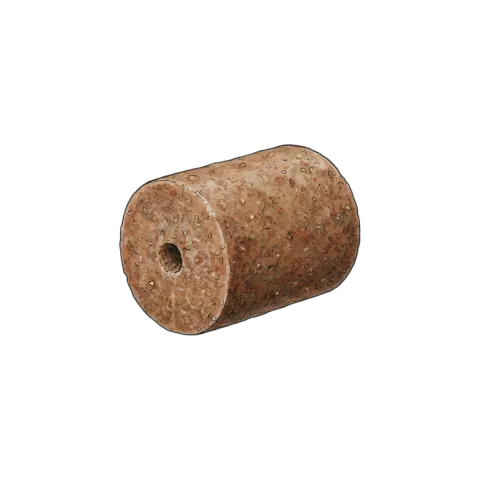
02
Pellet
- Bottom Fishing
Cylindrical compressed bait body designed to slowly break down and attract fish.
03
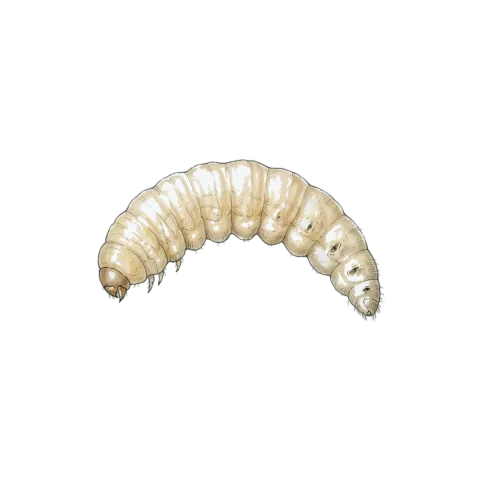
Maggot
- Feeder Fishing
Segmented white body provides enticing natural movement and scent.
04
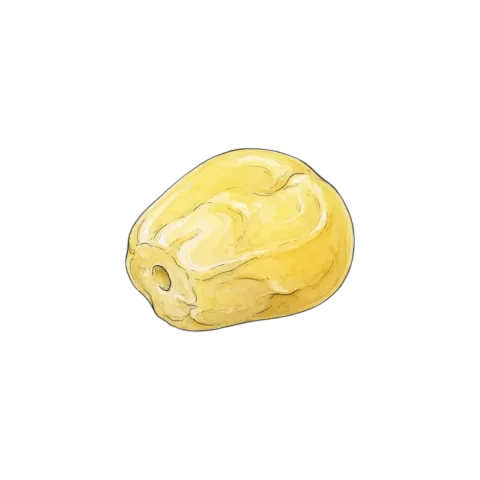
Corn
- Feeder Fishing
Plump yellow sweetcorn kernel used as effective freshwater fishing bait.
06
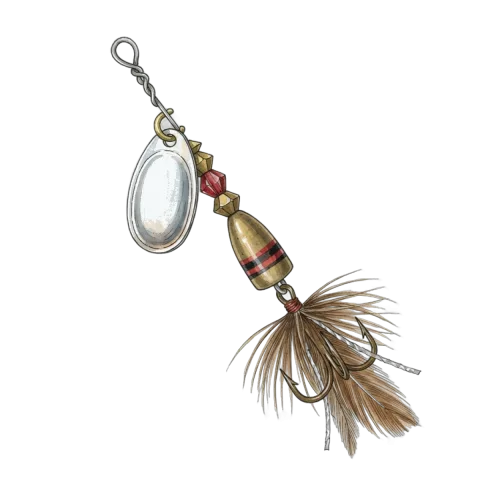
Inline spinner
- Spinning
An inline spinner with a blade that flashes on a straight retrieve.
07
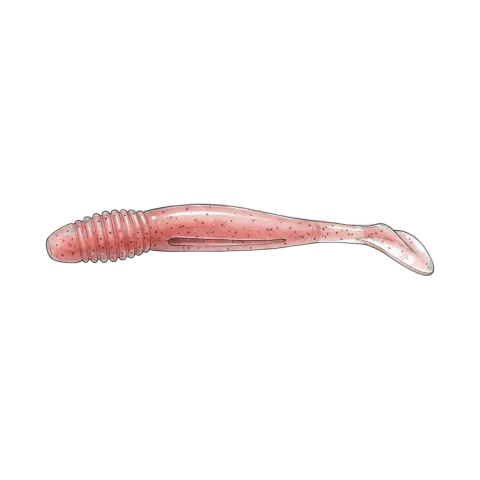
Soft worm
- Spinning
A long soft worm for Texas, wacky, and ned-style spinning.
How Andalusian barbel migrates — Potamodromous
Migrates within rivers and lakes only. Fish upstream runs and seasonal lake movements, not saltwater.
1 Eggs
Upstream
Laid on gravel or weed upstream or in flooded shallows.
2 Larvae
→ Main river or lake
Fry drift or swim down to slower water.
3 Adults
Main river or lake
Feed in the main river or lake.
4 Spawners
→ Upstream
Move upstream or into the shallows to spawn.
The whole cycle stays in fresh water.
Hover or tap a number to read each stage.
Diet and behavior of Andalusian barbel
-
Diet
Omnivore -
Hunts
Morning · Dusk
Where Andalusian barbel lives
Lives near the bottom but swims in the water just above it. Cover the lower column, not only the mud.

Where this species lives
Andalusian barbel photos for identification
Compare these photos with the catalog plate to identify the species.
Where to fish for Andalusian barbel
Mapped fishing spots where Andalusian barbel is recorded — open a pin for access and methods.


