How to catch Megaleporinus macrocephalus
Megaleporinus macrocephalus (Garavello & Britski, 1988)
About Megaleporinus macrocephalus fishing
The piauçu is an elongated freshwater fish belonging to the headstander family Anostomidae, native to South American river basins including the Paraná and Paraguay systems. Growing to substantial dimensions with a robust body and a large head, it typically inhabits flowing rivers, marginal lagoons, and densely vegetated floodplains. It is an omnivorous species with a low trophic level, feeding primarily on plant matter, fruits, seeds, and benthic invertebrates. Social and active during daylight hours, these fish form schools and undertake reproductive migrations into flooded areas, laying eggs within thick weed beds.
-
Difficulty
Medium
-
Average size
40 cm
-
Habitat
Freshwater
-
Season
Spring, Summer, Autumn, Winter

Lateral Stripe
A prominent dark midlateral stripe runs along the body from gill cover to tail.
Dark Saddle Blotches
Distinct dark vertical triangular blotches mark the upper sides along the back.
Adipose Fin
A small fleshy adipose fin is present on the back just before the tail.
Megaleporinus macrocephalus fishing facts
Characteristics
-
Typical size
40 cm (max 68.4 cm TL ) -
Typical weight
1.5 kg (max 5.3 kg ) -
Body shape
Elongated -
Vulnerability score
54.3
Best hours
-
Active
Dawn
First light
-
Peak
Morning
After sunrise
-
Active
Midday
High sun
-
Peak
Afternoon
Late day
-
Active
Dusk
Last light
-
Low
Night
After dark
When to fish for Megaleporinus macrocephalus
How to catch Megaleporinus macrocephalus
Tips for catching Megaleporinus macrocephalus
Anglers target this social daylight feeder using light to medium tackle equipped with sensitive tips to detect cautious bites. Presenting vegetable baits or small particles near submerged timber, rocky margins, or weed-choked river edges yields the best results. Standard float fishing allows precise depth control just above the substrate where these fish forage, while ledgering suits deeper pool corners. Early morning and late afternoon hours provide peak feeding windows during warmer months.
Best equipment to catch Megaleporinus macrocephalus
Compare fishing methods for Megaleporinus macrocephalus — sized kit for each technique.
Note: Typical fish is 1.5 kg Our algorithm will suggest the best equipment for you based on this weight.
Float Fishing
Suspending bait beneath a float at a controlled depth.
85% Effectiveness
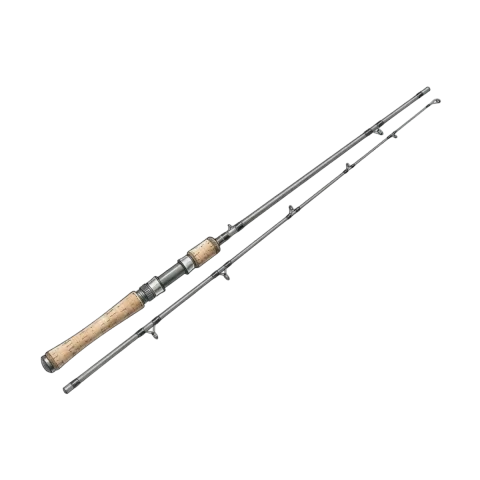
Rod
Float rod
A float rod is the all-round fishing rod for a float in rivers and still water, a step down in length from match.
Sized for a typical fish
medium · 4.2 m
- Reel seat
- Spinning
- Form factor
- Multi-piece
- Action
- Moderate
- Grip
- Cork

Reel
Spinning reel
A spinning reel hangs under the fishing rod and is the default reel for casting lures and light baits. Line peels off an open spool with a bail.
Sized for a typical fish
1000 · 3 kg drag · 185 g
- Spool
- Fixed
- Mount
- Under
- Drag
- Front
- Retrieve
- Manual

Line
Monofilament line
Monofilament fishing line is the everyday main line: easy to knot, cheap to replace, and stretchy enough to forgive a hard strike.
Sized for a typical fish
5.5 kg · 0.25 mm
- Visibility
- Medium
- Abrasion
- Medium
- Stretch
- High
- Sink rate
- Slow
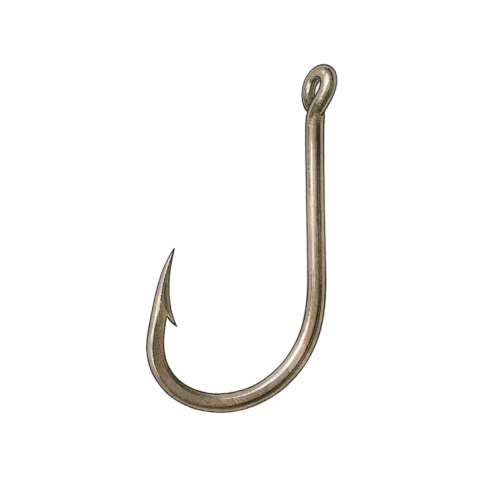
Hook
J-hook
A J-hook is the classic J-bend fishing hook for bait. You set it with a strike. Sizes are tokens such as 12 or 1/0.
Sized for a typical fish
4
- Points
- 1
- Offset
- No
- Barbed
- Yes
- Gap
- Standard
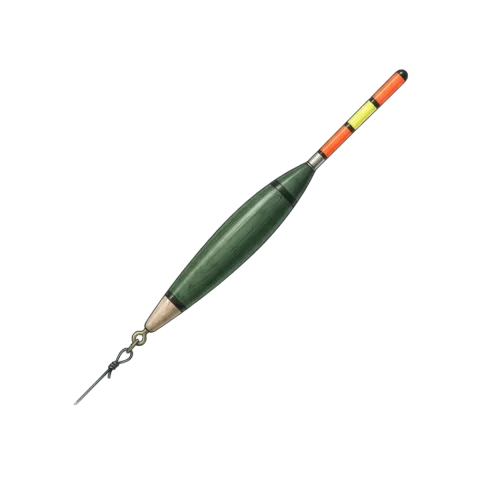
Float
Waggler
A waggler is a bottom-only attachment float for stillwaters and slow rivers. You shot it down and watch the antenna.
Sized for a typical fish
4 g
- Attachment
- Fixed
- Habitats
- Freshwater
- Methods
- Float Fishing
Bottom Fishing
Presenting bait or rigs on or near the lake or sea floor.
75% Effectiveness

Rod
Spinning rod
A spinning rod is a fishing rod built to carry a spinning reel under the blank. You cast lures and light baits with it from shore or a boat.
Sized for a typical fish
medium · 2.13 m
- Reel seat
- Spinning
- Form factor
- Multi-piece
- Action
- Fast
- Grip
- EVA
Reel
Spinning reel
A spinning reel hangs under the fishing rod and is the default reel for casting lures and light baits. Line peels off an open spool with a bail.
Sized for a typical fish
1000 · 3 kg drag · 185 g
- Spool
- Fixed
- Mount
- Under
- Drag
- Front
- Retrieve
- Manual
Line
Monofilament line
Monofilament fishing line is the everyday main line: easy to knot, cheap to replace, and stretchy enough to forgive a hard strike.
Sized for a typical fish
5.5 kg · 0.25 mm
- Visibility
- Medium
- Abrasion
- Medium
- Stretch
- High
- Sink rate
- Slow

Leader
Fluorocarbon leader
A fluorocarbon leader is the clear, fast-sinking join between a visible main line and the lure or hook.
Sized for a typical fish
5.5 kg · 0.25 mm · 80 cm
- Visibility
- Very low
- Abrasion
- High
- Stretch
- Low
- Sink rate
- Fast

Hook
Circle hook
A circle hook turns in the mouth and usually finds the corner of the jaw. You do not strike hard — you come tight. It includes freshwater.
Sized for a typical fish
2
- Points
- 1
- Offset
- No
- Barbed
- Yes
- Gap
- Standard
Best lures and baits for Megaleporinus macrocephalus
Ranked lures and natural baits from every method, best first.
01
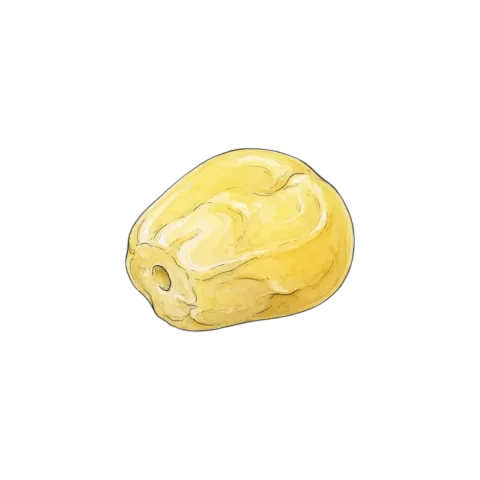
Corn
- Float Fishing
- Bottom Fishing
Plump yellow sweetcorn kernel used as effective freshwater fishing bait.
02
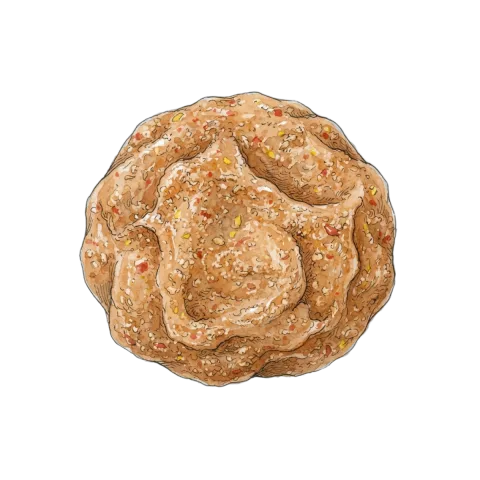
Dough bait
- Float Fishing
Molded round ball of prepared dough designed to stay on the hook.
How Megaleporinus macrocephalus migrates — Potamodromous
Migrates within rivers and lakes only. Fish upstream runs and seasonal lake movements, not saltwater.
1 Eggs
Upstream
Laid on gravel or weed upstream or in flooded shallows.
2 Larvae
→ Main river or lake
Fry drift or swim down to slower water.
3 Adults
Main river or lake
Feed in the main river or lake.
4 Spawners
→ Upstream
Move upstream or into the shallows to spawn.
The whole cycle stays in fresh water.
Hover or tap a number to read each stage.
Diet and behavior of Megaleporinus macrocephalus
-
Diet
Omnivore -
Hunts
Morning · Afternoon
Where Megaleporinus macrocephalus lives
Lives near the bottom but swims in the water just above it. Cover the lower column, not only the mud.

Where this species lives