How to catch Nile tilapia
Oreochromis niloticus (Linnaeus, 1758)
About Nile tilapia fishing
The nile tilapia is a large cichlid fish characterised by a deep fusiform body, terminal mouth, and distinct vertical stripes across its caudal fin. Growing up to a considerable size for its family, it inhabits shallow freshwater systems such as tropical rivers, lakes, canals, and slow-moving streams, while also showing tolerance for brackish environments. Primarily diurnal, it feeds by browsing on phytoplankton, benthic algae, detritus, and small aquatic organisms. It is a maternal mouthbrooder where males construct shallow nesting pits in margins. Widely established through aquaculture and introduction, it is valued by anglers for its strong fight and widespread availability.
-
Difficulty
Medium
-
Average size
35 cm
-
Habitat
Freshwater, Brackish
-
Season
Spring, Summer, Autumn
-
Also known as
Baringo tilapia, Cichlid, Edward tilapia, Mango fish, Mozambique tilapia, Nilotica

Caudal shape
More or less truncate tail fin shape characteristic of tilapia species.
Vertical bars
Distinct vertical bars are present along the body flanks.
Dorsal-fin marks
Distinct grey or black colored margin along the dorsal fin edge.
Nile tilapia fishing facts
Characteristics
-
Typical size
35 cm (max 60 cm SL ) -
Typical weight
0.8 kg (max 4.3 kg ) -
Depth
0–20 m -
Longevity
9 years -
Body shape
Fusiform / Normal -
Vulnerability score
30.5
Best hours
-
Low
Dawn
First light
-
Peak
Morning
After sunrise
-
Active
Midday
High sun
-
Peak
Afternoon
Late day
-
Low
Dusk
Last light
-
Low
Night
After dark
When to fish for Nile tilapia
How to catch Nile tilapia
Tips for catching Nile tilapia
Successful angling for nile tilapia requires fine tackle and careful presentation due to their sharp eyesight and cautious feeding habits. Locate them in shallow marginal waters, weed beds, and around spawning areas during warmer months. Float fishing and light feeder setups work exceptionally well when targeting them in margins. Soft vegetable baits such as bread crust, sweetcorn, and compressed pellets or small earthworms are effective choices to match their herbivorous and omnivorous diet. Pre-baiting a swim with groundbait helps draw fish in, and presenting baits just off the bottom yields the most consistent catches during daylight hours.
Other names for Nile tilapia
Local and alternate names anglers use for Nile tilapia.
-
Nile tilapia
-
Mozambique tilapia
-
Mango fish
-
Edward tilapia
-
Cichlid
-
Baringo tilapia
-
Tilapia
-
Nilotica
-
Suguta tilapia
-
Turkana tilapia
Best equipment to catch Nile tilapia
Compare fishing methods for Nile tilapia — sized kit for each technique.
Note: Typical fish is 0.8 kg Our algorithm will suggest the best equipment for you based on this weight.
Float Fishing
Suspending bait beneath a float at a controlled depth.
90% Effectiveness

Rod
Float rod
A float rod is the all-round fishing rod for a float in rivers and still water, a step down in length from match.
Sized for a typical fish
light · 3.6 m
- Reel seat
- Spinning
- Form factor
- Multi-piece
- Action
- Moderate
- Grip
- Cork

Reel
Spinning reel
A spinning reel hangs under the fishing rod and is the default reel for casting lures and light baits. Line peels off an open spool with a bail.
Sized for a typical fish
1000 · 3 kg drag · 185 g
- Spool
- Fixed
- Mount
- Under
- Drag
- Front
- Retrieve
- Manual

Line
Monofilament line
Monofilament fishing line is the everyday main line: easy to knot, cheap to replace, and stretchy enough to forgive a hard strike.
Sized for a typical fish
2.5 kg · 0.16 mm
- Visibility
- Medium
- Abrasion
- Medium
- Stretch
- High
- Sink rate
- Slow

Hook
J-hook
A J-hook is the classic J-bend fishing hook for bait. You set it with a strike. Sizes are tokens such as 12 or 1/0.
Sized for a typical fish
8
- Points
- 1
- Offset
- No
- Barbed
- Yes
- Gap
- Standard

Float
Waggler
A waggler is a bottom-only attachment float for stillwaters and slow rivers. You shot it down and watch the antenna.
Sized for a typical fish
4 g
- Attachment
- Fixed
- Habitats
- Freshwater
- Methods
- Float Fishing
Feeder Fishing
Ledgering with a swimfeeder or method feeder and a quiver-tip rod.
75% Effectiveness
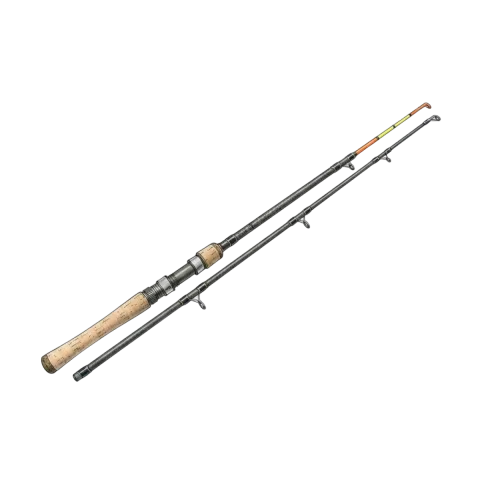
Rod
Feeder rod
A feeder rod is a long, quiver-tipped fishing rod for casting a feeder and watching the tip for bites.
Sized for a typical fish
medium · 3.3 m
- Reel seat
- Spinning
- Form factor
- Multi-piece
- Action
- Moderate
- Grip
- Cork
Reel
Spinning reel
A spinning reel hangs under the fishing rod and is the default reel for casting lures and light baits. Line peels off an open spool with a bail.
Sized for a typical fish
1000 · 3 kg drag · 185 g
- Spool
- Fixed
- Mount
- Under
- Drag
- Front
- Retrieve
- Manual
Line
Monofilament line
Monofilament fishing line is the everyday main line: easy to knot, cheap to replace, and stretchy enough to forgive a hard strike.
Sized for a typical fish
2.5 kg · 0.16 mm
- Visibility
- Medium
- Abrasion
- Medium
- Stretch
- High
- Sink rate
- Slow
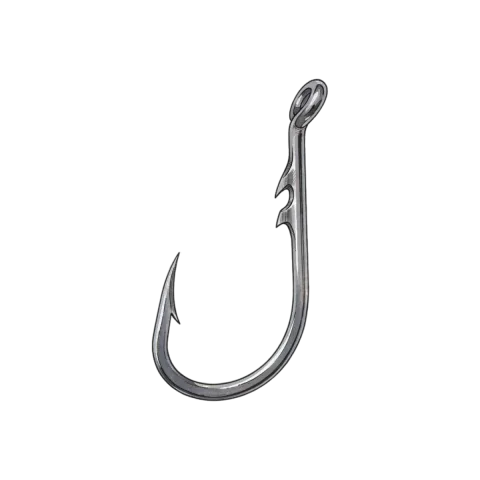
Hook
Baitholder hook
A baitholder hook has barbs on the shank to stop a worm or piece of bait sliding down. Classic float and feeder hook.
Sized for a typical fish
8
- Points
- 1
- Offset
- No
- Barbed
- Yes
- Gap
- Standard
Best lures and baits for Nile tilapia
Ranked lures and natural baits from every method, best first.
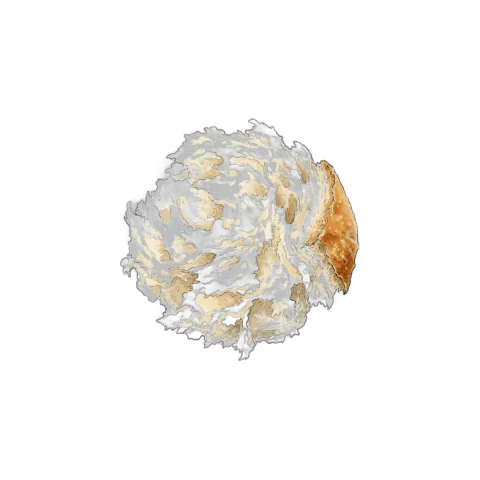
01
Bread
- Float Fishing
Soft inner bread compressed onto the hook for surface feeding.
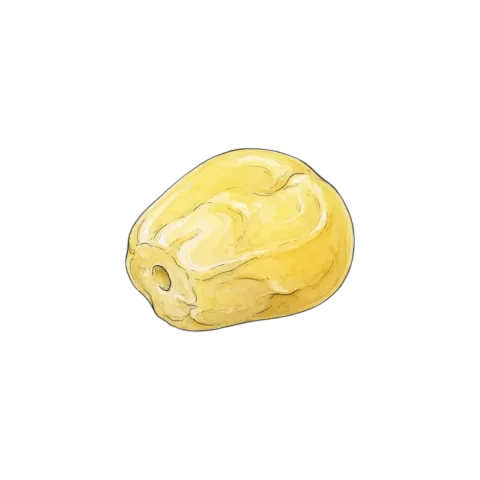
02
Corn
- Float Fishing
Plump yellow sweetcorn kernel used as effective freshwater fishing bait.
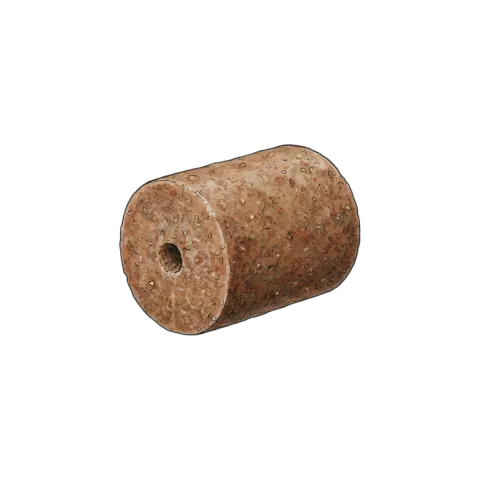
03
Pellet
- Float Fishing
Cylindrical compressed bait body designed to slowly break down and attract fish.
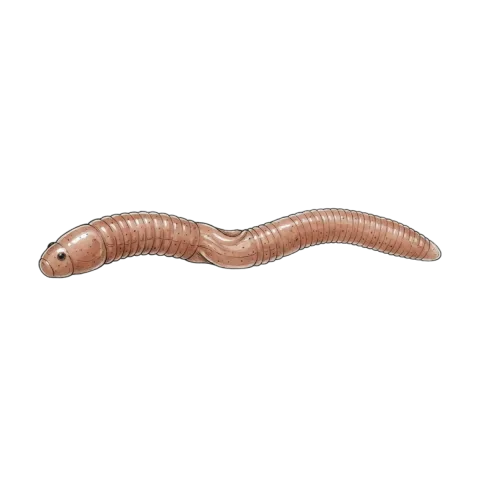
04
Worm
- Float Fishing
Rounded anterior end containing the mouth used for anchoring the bait on the hook.
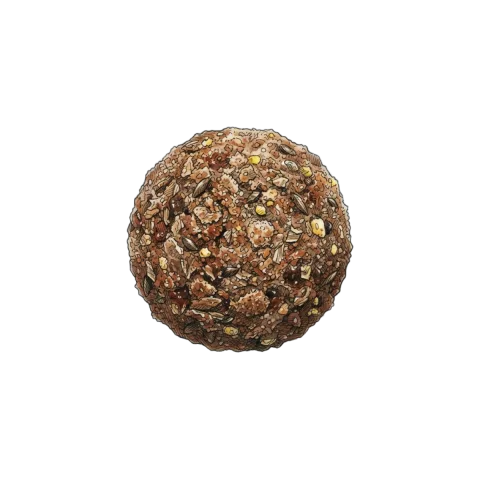
05
Groundbait
- Feeder Fishing
Compressed sphere of mixed feed designed to break down slowly on the bottom.
How Nile tilapia migrates — Potamodromous
Migrates within rivers and lakes only. Fish upstream runs and seasonal lake movements, not saltwater.
1 Eggs
Upstream
Laid on gravel or weed upstream or in flooded shallows.
2 Larvae
→ Main river or lake
Fry drift or swim down to slower water.
3 Adults
Main river or lake
Feed in the main river or lake.
4 Spawners
→ Upstream
Move upstream or into the shallows to spawn.
The whole cycle stays in fresh water.
Hover or tap a number to read each stage.
Diet and behavior of Nile tilapia
-
Diet
Herbivore -
Feeds by
Browses the bottom -
Hunts
Morning · Afternoon -
Main prey
Baitfish · Plankton
Prey and predators of Nile tilapia
Prey is what Nile tilapia eats. Predators are the animals that eat it.
That is how it feeds, and how it is hunted.
Prey
What it eats
Predators
What hunts it
Where Nile tilapia lives
Lives near the bottom but swims in the water just above it. Cover the lower column, not only the mud.
0–20 m

Where this species lives
Nile tilapia photos for identification
Compare these photos with the catalog plate to identify the species.
Where to fish for Nile tilapia
Mapped fishing spots where Nile tilapia is recorded — open a pin for access and methods.
