How to catch Redfinned bully
Gobiomorphus huttoni (Ogilby, 1894)
About Redfinned bully fishing
The redfinned bully is a small, elongated freshwater fish belonging to the family Eleotridae, native to the clear streams and rivers of New Zealand. Adults typically grow to between eight and ten centimetres in total length, reaching a documented maximum size of twelve centimetres. Males display striking red patterns on their fins and cheeks, contrasting with the more subdued brown markings of females. As an amphidromous species, it spends part of its early life cycle at sea before migrating upstream, possessing a remarkable ability to navigate strong currents and climb obstacles. It inhabits turbulent cobbled riffles and boulder-strewn pools, functioning primarily as a cryptic benthic creature that relies on camouflage for protection.
-
Difficulty
Medium
-
Average size
9 cm
-
Habitat
Freshwater, Brackish, Saltwater

Red fin margins
Bright reddish-orange bands along the outer edges of the dorsal and anal fins.
Mottled body pattern
Dark brown blotches and speckles cover the olive-brown body and head.
Subterminal mouth
Large, slightly angled mouth positioned slightly downward for benthic feeding.
Redfinned bully fishing facts
Characteristics
-
Typical size
9 cm (max 12 cm TL ) -
Typical weight
0.2 kg (max 0 kg ) -
Depth
6–50 m -
Body shape
Elongated -
Vulnerability score
24.2
Best hours
-
Active
Dawn
First light
-
Low
Morning
After sunrise
-
Low
Midday
High sun
-
Low
Afternoon
Late day
-
Active
Dusk
Last light
-
Peak
Night
After dark
When to fish for Redfinned bully
How to catch Redfinned bully
Tips for catching Redfinned bully
Target this benthic species in rocky freshwater streams and riffles by presenting small natural baits near the stony bottom where they hide beneath rocks. Since these fish are largely nocturnal and rely on cryptic camouflage to avoid detection, approach quiet runs and margins carefully during low light conditions or after dark. Use a light float setup with a sensitive tip to detect subtle takes in turbulent water flows.
Other names for Redfinned bully
Local and alternate names anglers use for Redfinned bully.
-
Redfinned bully
Best equipment to catch Redfinned bully
Compare fishing methods for Redfinned bully — sized kit for each technique.
Note: Typical fish is 0.2 kg Our algorithm will suggest the best equipment for you based on this weight.
Float Fishing
Suspending bait beneath a float at a controlled depth.
60% Effectiveness
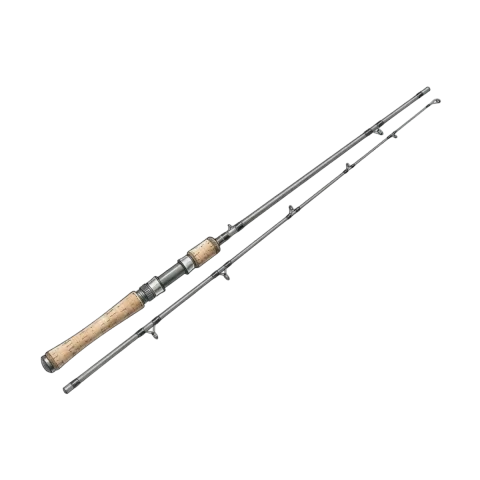
Rod
Float rod
A float rod is the all-round fishing rod for a float in rivers and still water, a step down in length from match.
Sized for a typical fish
light · 3.6 m
- Reel seat
- Spinning
- Form factor
- Multi-piece
- Action
- Moderate
- Grip
- Cork

Reel
Spinning reel
A spinning reel hangs under the fishing rod and is the default reel for casting lures and light baits. Line peels off an open spool with a bail.
Sized for a typical fish
1000 · 3 kg drag · 185 g
- Spool
- Fixed
- Mount
- Under
- Drag
- Front
- Retrieve
- Manual

Line
Monofilament line
Monofilament fishing line is the everyday main line: easy to knot, cheap to replace, and stretchy enough to forgive a hard strike.
Sized for a typical fish
1.3 kg · 0.125 mm
- Visibility
- Medium
- Abrasion
- Medium
- Stretch
- High
- Sink rate
- Slow
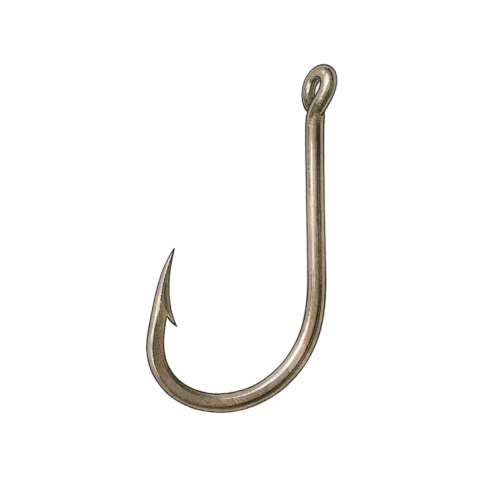
Hook
J-hook
A J-hook is the classic J-bend fishing hook for bait. You set it with a strike. Sizes are tokens such as 12 or 1/0.
Sized for a typical fish
12
- Points
- 1
- Offset
- No
- Barbed
- Yes
- Gap
- Standard
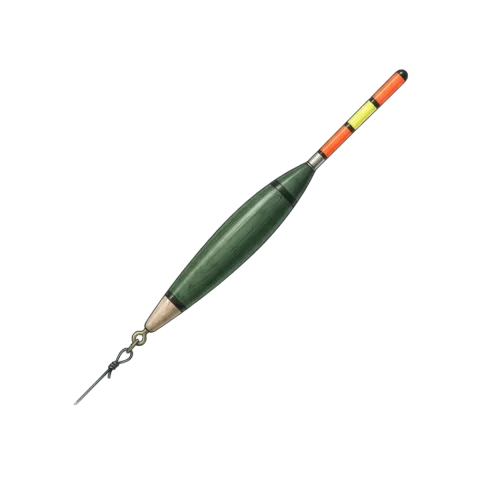
Float
Waggler
A waggler is a bottom-only attachment float for stillwaters and slow rivers. You shot it down and watch the antenna.
Sized for a typical fish
4 g
- Attachment
- Fixed
- Habitats
- Freshwater
- Methods
- Float Fishing
Best lures and baits for Redfinned bully
Ranked lures and natural baits from every method, best first.
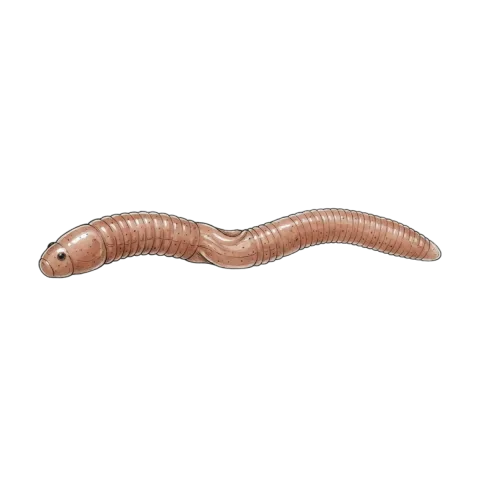
01
Worm
- Float Fishing
Rounded anterior end containing the mouth used for anchoring the bait on the hook.
How Redfinned bully migrates — Amphidromous
Moves between fresh and salt water during its life, but not specifically to spawn. Fish the estuary and the lower river.
1 Eggs
Sea
Spawned at sea or along the coast.
2 Larvae
→ Estuary
Drift inshore with the currents.
3 Juveniles
Fresh water
Move into estuaries, lagoons and fresh water to feed and grow.
4 Adults
→ Sea
Return to the sea to mature and spawn.
The crossing is for feeding and growth, not to spawn.
Hover or tap a number to read each stage.
Diet and behavior of Redfinned bully
-
Diet
Carnivore -
Hunts
Night
Where Redfinned bully lives
Lives on or just above the bottom. Work jigs, bait, and lures along the seabed.
6–50 m

River mouth
Where this species lives
Redfinned bully photos for identification
Compare these photos with the catalog plate to identify the species.