How to catch San Francisco piranha
Pygocentrus piraya (Cuvier, 1819)
About San Francisco piranha fishing
The San Francisco piranha belongs to the Serrasalmidae family and is recognised as the largest of all piranha species, displaying a deeply compressed, ovoid body shape with a striking orange to yellow belly and silver eyes. Endemic to the freshwater basins of the São Francisco River in Brazil, this pelagic predator inhabits warm tropical rivers and marginal lagoons where it finds cover among submerged roots and rocks. Operating as an aggressive omnivore, its diet ranges from small fish and aquatic invertebrates to seeds and plant material, using its powerful lower jaw and razor-sharp triangular teeth to slice prey with ease. Due to its formidable dentition and striking appearance, it is a notable species within its native range, though strictly regulated or prohibited in various regions outside its natural habitat.
-
Difficulty
Medium
-
Average size
30 cm
-
Habitat
Freshwater
-
Season
Spring, Summer, Autumn, Winter
-
Also known as
Blacktail piranha

Orange Belly
Bright orange-red coloration on the lower jaw and belly distinguishes this piranha species.
Adipose Fin
Small fleshy adipose fin present on the back just before the tail.
San Francisco piranha fishing facts
Characteristics
-
Typical size
30 cm (max 38 cm SL ) -
Typical weight
0.5 kg (max 3.2 kg ) -
Longevity
10 years -
Body shape
Short And / Or Deep -
Vulnerability score
30.5
Best hours
-
Active
Dawn
First light
-
Peak
Morning
After sunrise
-
Low
Midday
High sun
-
Peak
Afternoon
Late day
-
Active
Dusk
Last light
-
Low
Night
After dark
When to fish for San Francisco piranha
How to catch San Francisco piranha
Tips for catching San Francisco piranha
Targeting this robust tropical predator requires sturdy tackle, wire traces to withstand razor-sharp teeth, and careful handling due to its dangerous and aggressive nature when landed. Bottom fishing with natural baits like chunks of fresh fish or shrimp near submerged timber, roots, and rocky structures yields reliable results. Alternatively, casting shiny spoons or small minnow plugs with a spinning setup during daylight hours can provoke aggressive reaction strikes. Morning and late afternoon provide the most active windows for sport fishing, as these fish rely on sight to locate passing prey in warm river environments.
Other names for San Francisco piranha
Local and alternate names anglers use for San Francisco piranha.
-
San Francisco piranha
-
Blacktail piranha
Best equipment to catch San Francisco piranha
Compare fishing methods for San Francisco piranha — sized kit for each technique.
Note: Typical fish is 0.5 kg Our algorithm will suggest the best equipment for you based on this weight.
Bottom Fishing
Presenting bait or rigs on or near the lake or sea floor.
80% Effectiveness

Rod
Spinning rod
A spinning rod is a fishing rod built to carry a spinning reel under the blank. You cast lures and light baits with it from shore or a boat.
Sized for a typical fish
light · 2.1 m
- Reel seat
- Spinning
- Form factor
- Multi-piece
- Action
- Fast
- Grip
- EVA

Reel
Spinning reel
A spinning reel hangs under the fishing rod and is the default reel for casting lures and light baits. Line peels off an open spool with a bail.
Sized for a typical fish
1000 · 3 kg drag · 185 g
- Spool
- Fixed
- Mount
- Under
- Drag
- Front
- Retrieve
- Manual

Line
Monofilament line
Monofilament fishing line is the everyday main line: easy to knot, cheap to replace, and stretchy enough to forgive a hard strike.
Sized for a typical fish
2.5 kg · 0.16 mm
- Visibility
- Medium
- Abrasion
- Medium
- Stretch
- High
- Sink rate
- Slow

Leader
Fluorocarbon leader
A fluorocarbon leader is the clear, fast-sinking join between a visible main line and the lure or hook.
Sized for a typical fish
4 kg · 0.2 mm · 80 cm
- Visibility
- Very low
- Abrasion
- High
- Stretch
- Low
- Sink rate
- Fast

Hook
Circle hook
A circle hook turns in the mouth and usually finds the corner of the jaw. You do not strike hard — you come tight. It includes freshwater.
Sized for a typical fish
4
- Points
- 1
- Offset
- No
- Barbed
- Yes
- Gap
- Standard
Spinning
Casting and retrieving lures with a spinning rod and reel.
70% Effectiveness
Rod
Spinning rod
A spinning rod is a fishing rod built to carry a spinning reel under the blank. You cast lures and light baits with it from shore or a boat.
Sized for a typical fish
light · 2.1 m
- Reel seat
- Spinning
- Form factor
- Multi-piece
- Action
- Fast
- Grip
- EVA
Reel
Spinning reel
A spinning reel hangs under the fishing rod and is the default reel for casting lures and light baits. Line peels off an open spool with a bail.
Sized for a typical fish
1000 · 3 kg drag · 185 g
- Spool
- Fixed
- Mount
- Under
- Drag
- Front
- Retrieve
- Manual

Line
Braided line
Braided fishing line is the thin, no-stretch main for long casts, jigging, and feeling every tick on the retrieve.
Sized for a typical fish
6 kg · 0.1 mm
- Visibility
- High
- Abrasion
- Low
- Stretch
- None
- Sink rate
- Floats
Leader
Fluorocarbon leader
A fluorocarbon leader is the clear, fast-sinking join between a visible main line and the lure or hook.
Sized for a typical fish
7 kg · 0.3 mm · 90 cm
- Visibility
- Very low
- Abrasion
- High
- Stretch
- Low
- Sink rate
- Fast
Live Baiting
Fishing a live baitfish or live invertebrate as the primary presentation.
65% Effectiveness
Rod
Spinning rod
A spinning rod is a fishing rod built to carry a spinning reel under the blank. You cast lures and light baits with it from shore or a boat.
Sized for a typical fish
light · 2.1 m
- Reel seat
- Spinning
- Form factor
- Multi-piece
- Action
- Fast
- Grip
- EVA
Reel
Spinning reel
A spinning reel hangs under the fishing rod and is the default reel for casting lures and light baits. Line peels off an open spool with a bail.
Sized for a typical fish
1000 · 3 kg drag · 185 g
- Spool
- Fixed
- Mount
- Under
- Drag
- Front
- Retrieve
- Manual
Line
Monofilament line
Monofilament fishing line is the everyday main line: easy to knot, cheap to replace, and stretchy enough to forgive a hard strike.
Sized for a typical fish
2.5 kg · 0.16 mm
- Visibility
- Medium
- Abrasion
- Medium
- Stretch
- High
- Sink rate
- Slow
Leader
Fluorocarbon leader
A fluorocarbon leader is the clear, fast-sinking join between a visible main line and the lure or hook.
Sized for a typical fish
4 kg · 0.2 mm · 80 cm
- Visibility
- Very low
- Abrasion
- High
- Stretch
- Low
- Sink rate
- Fast
Hook
Circle hook
A circle hook turns in the mouth and usually finds the corner of the jaw. You do not strike hard — you come tight. It includes freshwater.
Sized for a typical fish
4
- Points
- 1
- Offset
- No
- Barbed
- Yes
- Gap
- Standard
Best lures and baits for San Francisco piranha
Ranked lures and natural baits from every method, best first.
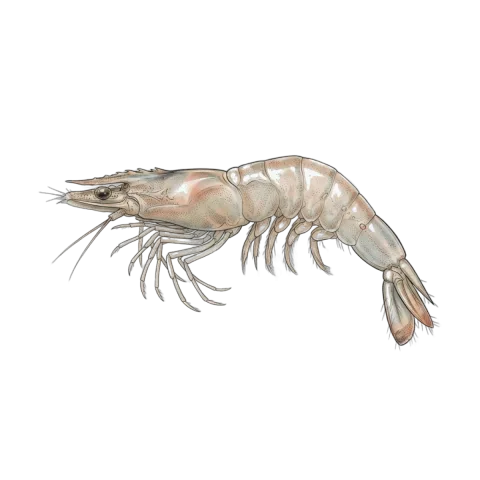
01
Shrimp
- Bottom Fishing
Translucent segmented carapace protects the body.
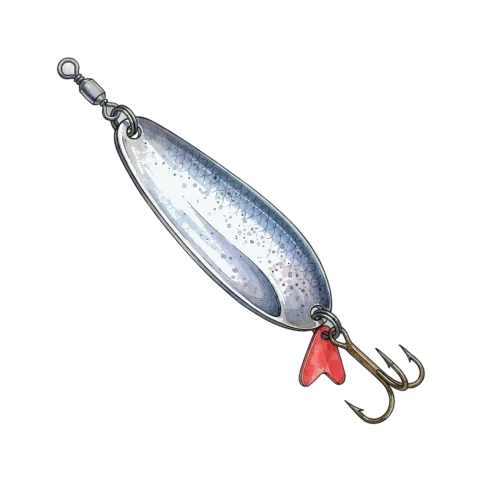
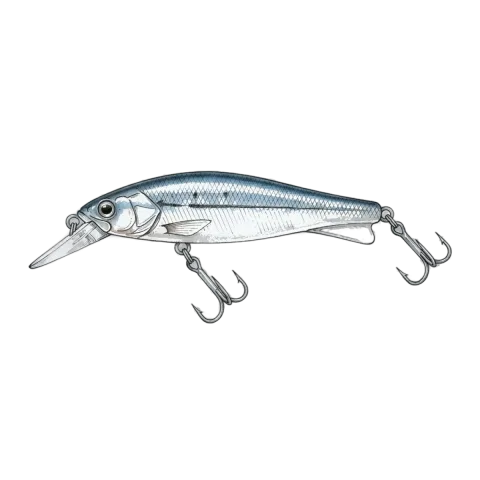
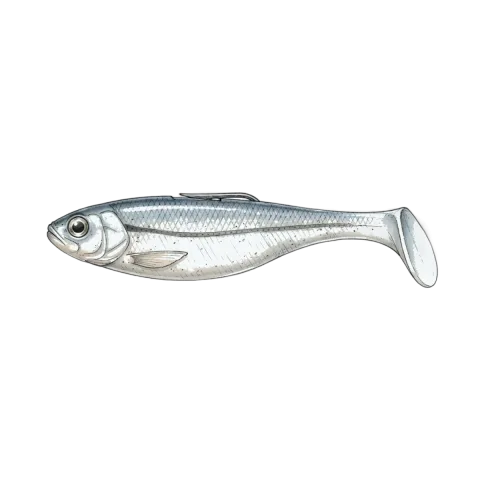
05
Live baitfish
- Live Baiting
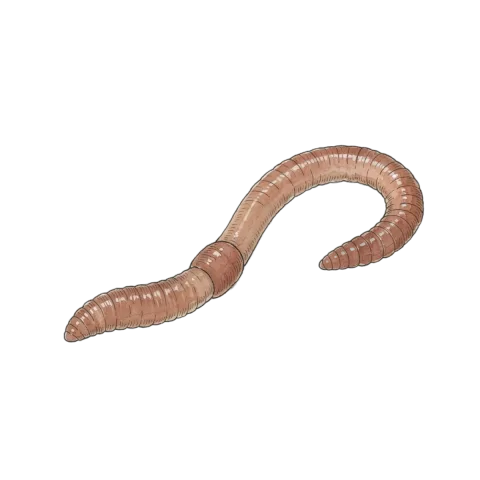
Elongated segmented worm body provides natural movement to attract fish.
Where San Francisco piranha spends the year — Non-migratory
Stays in the same waters year-round. Look for it on the same grounds rather than timing a run.
1 Eggs
Same water all year
Laid on the home grounds.
2 Juveniles
Same water all year
Grow up close by.
3 Adults
Same water all year
Keep to a small home range.
4 Spawners
Same water all year
Spawn on the same grounds, with only short moves.
Hover or tap a number to read each stage.
Diet and behavior of San Francisco piranha
-
Diet
Carnivore -
Hunts
Morning · Afternoon -
Main prey
Bottom prey
Prey and predators of San Francisco piranha
Prey is what San Francisco piranha eats. Predators are the animals that eat it.
That is how it feeds, and how it is hunted.
Prey
What it eats
Where San Francisco piranha lives
Open-water fish in the main water column, away from the bottom.

Where this species lives
San Francisco piranha photos for identification
Compare these photos with the catalog plate to identify the species.