How to catch Serrasalmus gouldingi
Serrasalmus gouldingi Fink & Machado-Allison, 1992
About Serrasalmus gouldingi fishing
The blue tiger piranha belongs to the family Serrasalmidae and features a short, deep rhomboid body with a robust head and large eyes. Native to the mineral-poor blackwater river systems of the Amazon and Orinoco basins, this benthopelagic species inhabits tannin-stained tropical waters where it forms groups or feeding colonies. Its diet is predominantly carnivorous, focusing on fish flesh and smaller aquatic organisms alongside minor frugivorous feeding. Anglers and scientists recognize it by the proximal black band on its caudal fin, vertically elongated stripes on its flanks, and the absence of a humeral blotch.
-
Difficulty
Medium
-
Average size
15 cm
-
Habitat
Freshwater
-
Season
Spring, Summer, Autumn, Winter

Proximal caudal band
Proximal black band on caudal fin identifies Serrasalmus gouldingi.
Vertical stripes
Vertically elongated stripes on the lateral body distinguish this species.
Humeral area
Absence of prominent vertical humeral blotch separates it from relatives.
Serrasalmus gouldingi fishing facts
Characteristics
-
Typical size
15 cm (max 27.9 cm SL ) -
Typical weight
0.2 kg (max 0.6 kg ) -
Body shape
Short And / Or Deep -
Vulnerability score
23.4
Best hours
-
Active
Dawn
First light
-
Peak
Morning
After sunrise
-
Low
Midday
High sun
-
Active
Afternoon
Late day
-
Peak
Dusk
Last light
-
Low
Night
After dark
When to fish for Serrasalmus gouldingi
How to catch Serrasalmus gouldingi
Tips for catching Serrasalmus gouldingi
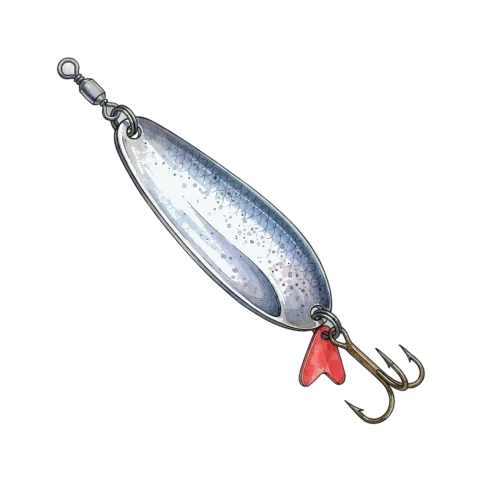
Target this predatory characin around submerged wood, snags, and quiet marginal shallows within tannin-stained blackwater habitats. Because these fish possess powerful jaws and specialized teeth tailored for slicing flesh, use heavy wire traces combined with chunks of oily fish or small shiny spoons to provoke strikes. Approach cautiously during daylight hours, focusing your efforts during the rising water phase when feeding intensity reaches its peak.
Best equipment to catch Serrasalmus gouldingi
Compare fishing methods for Serrasalmus gouldingi — sized kit for each technique.
Note: Typical fish is 0.2 kg Our algorithm will suggest the best equipment for you based on this weight.
Bottom Fishing
Presenting bait or rigs on or near the lake or sea floor.
80% Effectiveness

Rod
Spinning rod
A spinning rod is a fishing rod built to carry a spinning reel under the blank. You cast lures and light baits with it from shore or a boat.
Sized for a typical fish
ultralight · 1.8 m
- Reel seat
- Spinning
- Form factor
- Multi-piece
- Action
- Fast
- Grip
- EVA

Reel
Spinning reel
A spinning reel hangs under the fishing rod and is the default reel for casting lures and light baits. Line peels off an open spool with a bail.
Sized for a typical fish
1000 · 3 kg drag · 185 g
- Spool
- Fixed
- Mount
- Under
- Drag
- Front
- Retrieve
- Manual

Line
Monofilament line
Monofilament fishing line is the everyday main line: easy to knot, cheap to replace, and stretchy enough to forgive a hard strike.
Sized for a typical fish
1.3 kg · 0.125 mm
- Visibility
- Medium
- Abrasion
- Medium
- Stretch
- High
- Sink rate
- Slow

Leader
Fluorocarbon leader
A fluorocarbon leader is the clear, fast-sinking join between a visible main line and the lure or hook.
Sized for a typical fish
4 kg · 0.2 mm · 80 cm
- Visibility
- Very low
- Abrasion
- High
- Stretch
- Low
- Sink rate
- Fast

Hook
Circle hook
A circle hook turns in the mouth and usually finds the corner of the jaw. You do not strike hard — you come tight. It includes freshwater.
Sized for a typical fish
4
- Points
- 1
- Offset
- No
- Barbed
- Yes
- Gap
- Standard
Spinning
Casting and retrieving lures with a spinning rod and reel.
60% Effectiveness
Rod
Spinning rod
A spinning rod is a fishing rod built to carry a spinning reel under the blank. You cast lures and light baits with it from shore or a boat.
Sized for a typical fish
ultralight · 1.8 m
- Reel seat
- Spinning
- Form factor
- Multi-piece
- Action
- Fast
- Grip
- EVA
Reel
Spinning reel
A spinning reel hangs under the fishing rod and is the default reel for casting lures and light baits. Line peels off an open spool with a bail.
Sized for a typical fish
1000 · 3 kg drag · 185 g
- Spool
- Fixed
- Mount
- Under
- Drag
- Front
- Retrieve
- Manual

Line
Braided line
Braided fishing line is the thin, no-stretch main for long casts, jigging, and feeling every tick on the retrieve.
Sized for a typical fish
6 kg · 0.1 mm
- Visibility
- High
- Abrasion
- Low
- Stretch
- None
- Sink rate
- Floats
Leader
Fluorocarbon leader
A fluorocarbon leader is the clear, fast-sinking join between a visible main line and the lure or hook.
Sized for a typical fish
7 kg · 0.3 mm · 90 cm
- Visibility
- Very low
- Abrasion
- High
- Stretch
- Low
- Sink rate
- Fast
Best lures and baits for Serrasalmus gouldingi
Ranked lures and natural baits from every method, best first.
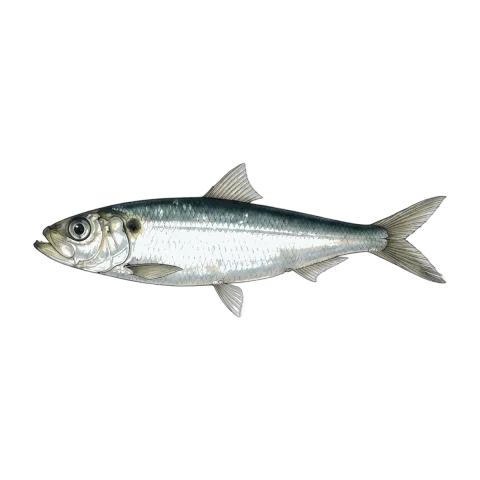
01
Sardine
- Bottom Fishing
Elongated silvery baitfish body releases strong scent trails.
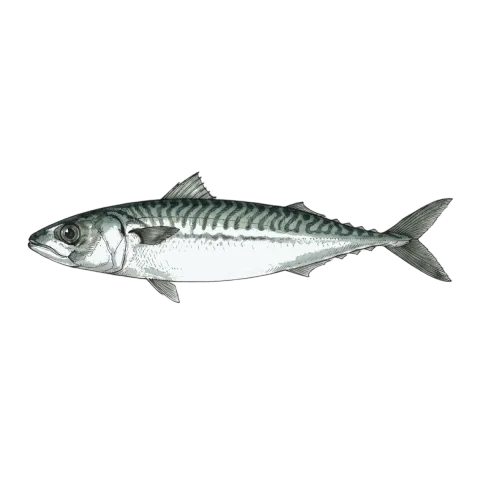
02
Mackerel
- Bottom Fishing
Distinctive wavy dorsal stripes provide high contrast and flash underwater.
How Serrasalmus gouldingi migrates — Potamodromous
Migrates within rivers and lakes only. Fish upstream runs and seasonal lake movements, not saltwater.
1 Eggs
Upstream
Laid on gravel or weed upstream or in flooded shallows.
2 Larvae
→ Main river or lake
Fry drift or swim down to slower water.
3 Adults
Main river or lake
Feed in the main river or lake.
4 Spawners
→ Upstream
Move upstream or into the shallows to spawn.
The whole cycle stays in fresh water.
Hover or tap a number to read each stage.
Diet and behavior of Serrasalmus gouldingi
-
Diet
Carnivore -
Hunts
Morning · Dusk
Where Serrasalmus gouldingi lives
Lives near the bottom but swims in the water just above it. Cover the lower column, not only the mud.

Where this species lives