How to catch Senegalese sole
Solea senegalensis Kaup, 1858
About Senegalese sole fishing
The Senegalese sole is a demersal flatfish belonging to the family Soleidae, characterized by an oval, flattened body with both eyes situated on the right side and a distinctive dark membrane on its pectoral fins. Growing up to 60 cm in standard length with a common size of 45 cm, it inhabits coastal marine waters, brackish lagoons, and estuaries down to depths of 100 metres over sandy or muddy seabeds. This benthic species feeds primarily on small invertebrates such as polychaete worms, bivalves, and small crustaceans. Spawning occurs during the warmer months, and the species supports both valuable commercial fisheries and recreational angling across its southern European and African range.
-
Difficulty
Medium
-
Average size
45 cm TL
-
Market value
Very high
-
Habitat
Saltwater
-
Season
Spring, Summer, Autumn

Caudal shape
More or less truncate caudal fin distinguishes this sole.
Pectoral fin spot
Prominent black patch on the pectoral fin distinguishes the species.
Caudal peduncle band
Dark vertical band encircling the caudal peduncle region.
Senegalese sole fishing facts
Characteristics
-
Typical size
45 cm TL (max 60 cm SL ) -
Typical weight
0.4 kg (max 2.2 kg ) -
Preferred temperature
13.6–21.6 °C -
Depth
12–100 m -
Longevity
16.7 years -
Body shape
Short And / Or Deep -
Commercial?
-
Vulnerability score
49.2
Best hours
-
Active
Dawn
First light
-
Low
Morning
After sunrise
-
Low
Midday
High sun
-
Low
Afternoon
Late day
-
Peak
Dusk
Last light
-
Peak
Night
After dark
When to fish for Senegalese sole
How to catch Senegalese sole
Tips for catching Senegalese sole
Anglers target this bottom-dwelling flatfish mainly from sandy beaches and sheltered coastal estuaries using light surfcasting gear equipped with sensitive quiver tips to detect subtle bites. Presentation requires fine tackle, long flowing hook traces, and small hooks baited with freshly dug marine worms or small pieces of shrimp. Because these flatfish are predominantly nocturnal and crepuscular feeders that hunker down in the sand during bright daylight, sessions fished through dusk, night, and early dawn across shallow coastal zones yield the best catches.
Other names for Senegalese sole
Local and alternate names anglers use for Senegalese sole.
-
Senegalese sole
Best equipment to catch Senegalese sole
Compare fishing methods for Senegalese sole — sized kit for each technique.
Note: Typical fish is 0.4 kg Our algorithm will suggest the best equipment for you based on this weight.
Surfcasting
Long-range bait or lure casting from an open beach or surf.
85% Effectiveness
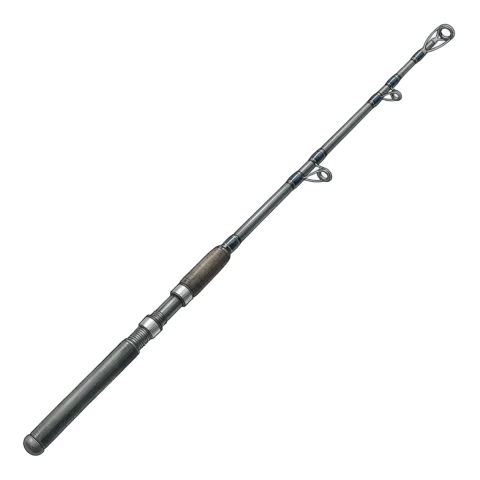
Rod
Surfcasting rod
A surfcasting rod is the long beach fishing rod for punching bait past the breakers. Length and a moderate-fast action load for distance.
Sized for a typical fish
medium-heavy · 3.6 m
- Reel seat
- Spinning
- Form factor
- Multi-piece
- Action
- Moderate-fast
- Grip
- EVA

Reel
Spinning reel
A spinning reel hangs under the fishing rod and is the default reel for casting lures and light baits. Line peels off an open spool with a bail.
Sized for a typical fish
1000 · 3 kg drag · 185 g
- Spool
- Fixed
- Mount
- Under
- Drag
- Front
- Retrieve
- Manual

Line
Braided line
Braided fishing line is the thin, no-stretch main for long casts, jigging, and feeling every tick on the retrieve.
Sized for a typical fish
6 kg · 0.1 mm
- Visibility
- High
- Abrasion
- Low
- Stretch
- None
- Sink rate
- Floats
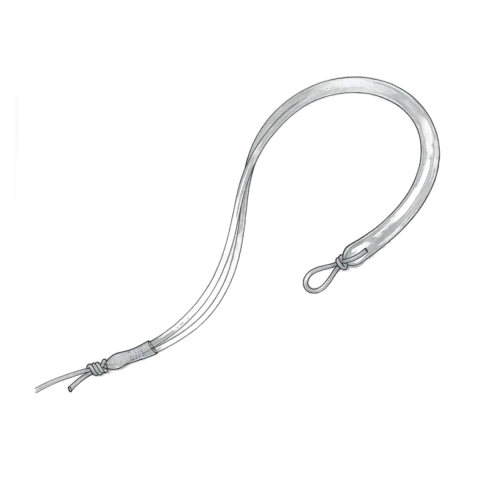
Leader
Shock leader
A shock leader is a thick mono or tapered section that takes the cast. Carp shock is heavy (around 0.65 to 0.75 mm), not thin fluorocarbon.
Sized for a typical fish
22.5 kg · 0.65 mm · 900 cm
- Visibility
- Medium
- Abrasion
- High
- Stretch
- High
- Sink rate
- Slow
Best lures and baits for Senegalese sole
Ranked lures and natural baits from every method, best first.
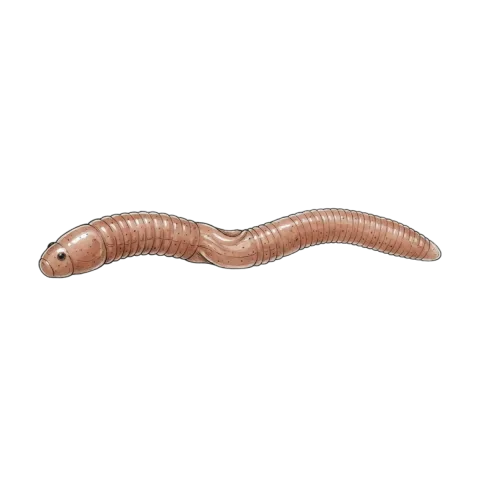
01
Worm
- Surfcasting
Rounded anterior end containing the mouth used for anchoring the bait on the hook.
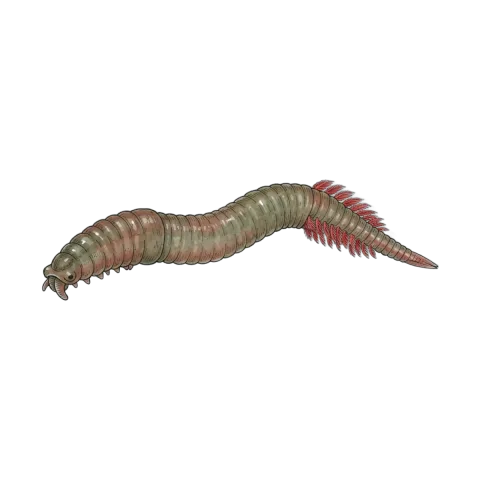
02
Lugworm
- Surfcasting
Fleshy, segmented body provides substantial scent and natural appeal for bottom fish.
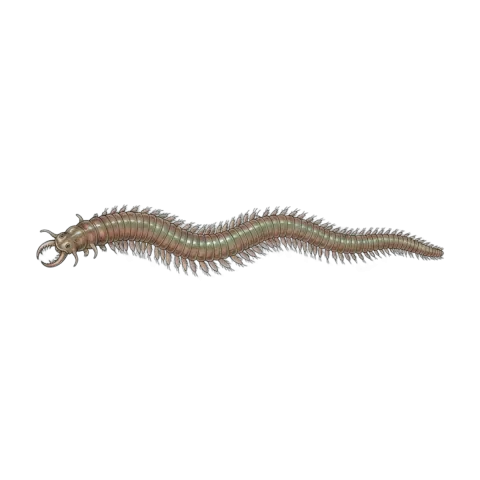
03
Sandworm
- Surfcasting
Distinct head region features prominent jaws used for live baiting presentations.
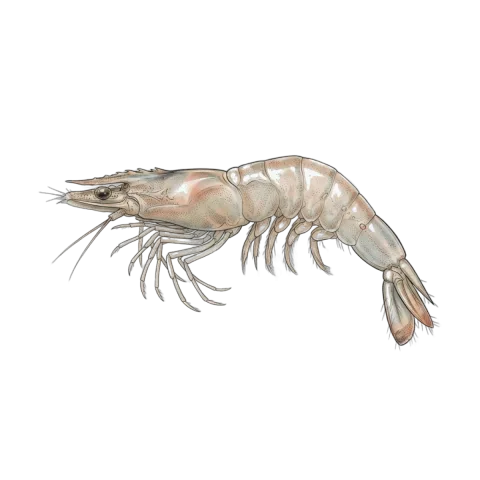
04
Shrimp
- Surfcasting
Translucent segmented carapace protects the body.
How Senegalese sole migrates — Inshore–offshore
Shifts between shallow inshore water and deeper offshore grounds with the season.
1 Warm months
Inshore
Stay close inshore through the warm months.
2 Cold months
Offshore
Move offshore into deeper water as it cools.
Hover or tap a number to read each stage.
Diet and behavior of Senegalese sole
-
Diet
Carnivore -
Feeds by
Hunts animals -
Hunts
Dusk · Night -
Feeds over
Soft bottom -
Main prey
Baitfish · Bottom prey
Prey and predators of Senegalese sole
Prey is what Senegalese sole eats. Predators are the animals that eat it.
That is how it feeds, and how it is hunted.
Prey
What it eats
Where Senegalese sole lives
Lives on or just above the bottom. Work jigs, bait, and lures along the seabed.
12–100 m

Where this species lives
Senegalese sole photos for identification
Compare these photos with the catalog plate to identify the species.