How to catch South European Nase
Protochondrostoma genei (Bonaparte, 1839)
About South European Nase fishing
The south european nase is a slender freshwater fish belonging to the family leuciscidae with a fusiform body shape and a typical length of around fifteen centimetres though individuals can reach up to thirty centimetres. It is easily distinguished by a broad dark midlateral stripe running from the head to the caudal base and red bases on the pectoral, pelvic, anal, and caudal fins. Native to northern italy and western slovenia, this species inhabits the middle reaches of piedmont rivers with moderate to swift currents and gravel substrates. It forms groups and feeds omnivorously, grazing primarily on epilithic algae and aquatic insects. During the spring months, populations undertake short spawning migrations into main tributaries to deposit adhesive eggs over fast-flowing gravel beds.
-
Difficulty
Medium
-
Average size
15 cm TL
-
Habitat
Freshwater
-
Season
Spring, Summer, Autumn

Midlateral Stripe
Broad dark midlateral stripe running from head to caudal base.
Arched Mouth
Distinctly arched mouth position characteristic of the species.
South European Nase fishing facts
Characteristics
-
Typical size
15 cm TL (max 30 cm TL ) -
Typical weight
0.2 kg (max 0.3 kg ) -
Body shape
Fusiform / Normal -
Vulnerability score
42.9
Best hours
-
Low
Dawn
First light
-
Peak
Morning
After sunrise
-
Active
Midday
High sun
-
Peak
Afternoon
Late day
-
Low
Dusk
Last light
-
Low
Night
After dark
When to fish for South European Nase
How to catch South European Nase
Tips for catching South European Nase
Target this slender river cyprinid in medium to fast flowing waters with gravel bottoms using light tackle and delicate presentations. Float fishing with a long bolognese rod allows precise control to drift small natural baits just above the riverbed. Use fine monofilament lines and small hooks baited with single maggots or small worms to tempt cautious biters. Feeder fishing is also effective in deeper main river stretches and tributaries during cooler months when fish congregate in groups. Keep presentations steady and watch the tip closely for subtle bites.
Other names for South European Nase
Local and alternate names anglers use for South European Nase.
-
South European Nase
Best equipment to catch South European Nase
Compare fishing methods for South European Nase — sized kit for each technique.
Note: Typical fish is 0.2 kg Our algorithm will suggest the best equipment for you based on this weight.
Float Fishing
Suspending bait beneath a float at a controlled depth.
85% Effectiveness
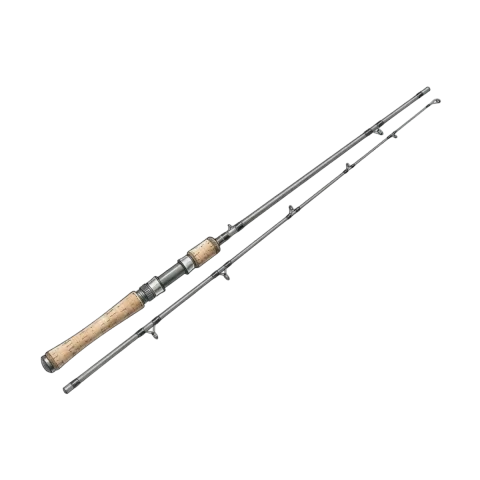
Rod
Float rod
A float rod is the all-round fishing rod for a float in rivers and still water, a step down in length from match.
Sized for a typical fish
light · 3.6 m
- Reel seat
- Spinning
- Form factor
- Multi-piece
- Action
- Moderate
- Grip
- Cork

Reel
Spinning reel
A spinning reel hangs under the fishing rod and is the default reel for casting lures and light baits. Line peels off an open spool with a bail.
Sized for a typical fish
1000 · 3 kg drag · 185 g
- Spool
- Fixed
- Mount
- Under
- Drag
- Front
- Retrieve
- Manual

Line
Monofilament line
Monofilament fishing line is the everyday main line: easy to knot, cheap to replace, and stretchy enough to forgive a hard strike.
Sized for a typical fish
1.3 kg · 0.125 mm
- Visibility
- Medium
- Abrasion
- Medium
- Stretch
- High
- Sink rate
- Slow
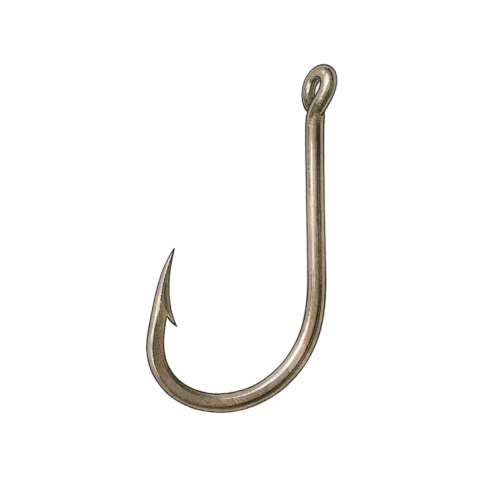
Hook
J-hook
A J-hook is the classic J-bend fishing hook for bait. You set it with a strike. Sizes are tokens such as 12 or 1/0.
Sized for a typical fish
12
- Points
- 1
- Offset
- No
- Barbed
- Yes
- Gap
- Standard
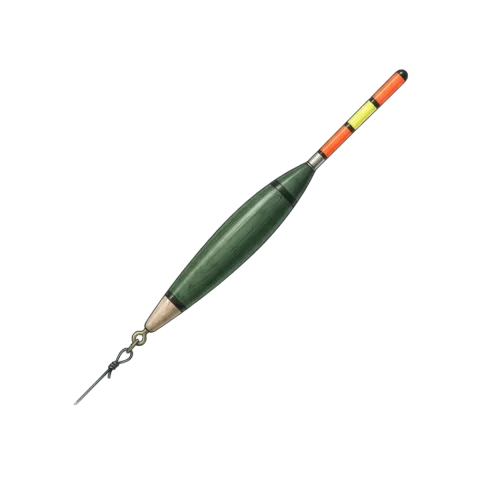
Float
Waggler
A waggler is a bottom-only attachment float for stillwaters and slow rivers. You shot it down and watch the antenna.
Sized for a typical fish
4 g
- Attachment
- Fixed
- Habitats
- Freshwater
- Methods
- Float Fishing
Feeder Fishing
Ledgering with a swimfeeder or method feeder and a quiver-tip rod.
70% Effectiveness
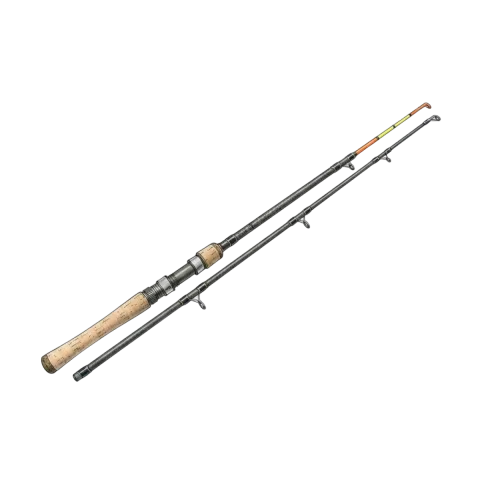
Rod
Feeder rod
A feeder rod is a long, quiver-tipped fishing rod for casting a feeder and watching the tip for bites.
Sized for a typical fish
medium · 3.3 m
- Reel seat
- Spinning
- Form factor
- Multi-piece
- Action
- Moderate
- Grip
- Cork
Reel
Spinning reel
A spinning reel hangs under the fishing rod and is the default reel for casting lures and light baits. Line peels off an open spool with a bail.
Sized for a typical fish
1000 · 3 kg drag · 185 g
- Spool
- Fixed
- Mount
- Under
- Drag
- Front
- Retrieve
- Manual
Line
Monofilament line
Monofilament fishing line is the everyday main line: easy to knot, cheap to replace, and stretchy enough to forgive a hard strike.
Sized for a typical fish
1.3 kg · 0.125 mm
- Visibility
- Medium
- Abrasion
- Medium
- Stretch
- High
- Sink rate
- Slow
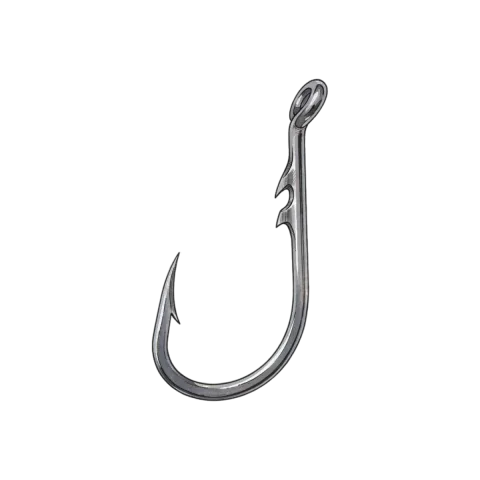
Hook
Baitholder hook
A baitholder hook has barbs on the shank to stop a worm or piece of bait sliding down. Classic float and feeder hook.
Sized for a typical fish
12
- Points
- 1
- Offset
- No
- Barbed
- Yes
- Gap
- Standard
Best lures and baits for South European Nase
Ranked lures and natural baits from every method, best first.
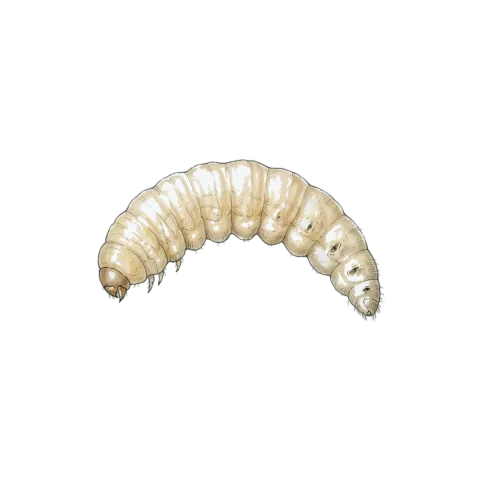
01
Maggot
- Float Fishing
- Feeder Fishing
Segmented white body provides enticing natural movement and scent.
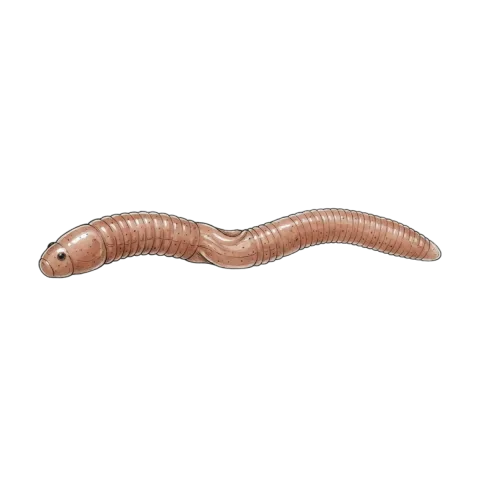
02
Worm
- Float Fishing
Rounded anterior end containing the mouth used for anchoring the bait on the hook.
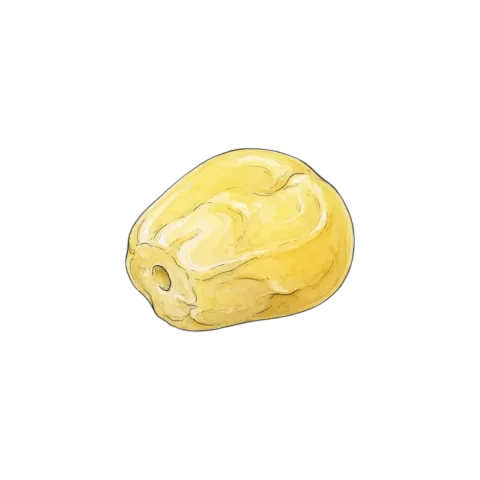
03
Corn
- Feeder Fishing
Plump yellow sweetcorn kernel used as effective freshwater fishing bait.
How South European Nase migrates — Potamodromous
Migrates within rivers and lakes only. Fish upstream runs and seasonal lake movements, not saltwater.
1 Eggs
Upstream
Laid on gravel or weed upstream or in flooded shallows.
2 Larvae
→ Main river or lake
Fry drift or swim down to slower water.
3 Adults
Main river or lake
Feed in the main river or lake.
4 Spawners
→ Upstream
Move upstream or into the shallows to spawn.
The whole cycle stays in fresh water.
Hover or tap a number to read each stage.
Diet and behavior of South European Nase
-
Diet
Omnivore -
Feeds by
Grazes plants -
Hunts
Morning · Afternoon
Prey and predators of South European Nase
Prey is what South European Nase eats. Predators are the animals that eat it.
That is how it feeds, and how it is hunted.
Prey
What it eats
Other prey
Where South European Nase lives
Lives near the bottom but swims in the water just above it. Cover the lower column, not only the mud.

Where this species lives
South European Nase photos for identification
Compare these photos with the catalog plate to identify the species.