How to catch Stone loach
Barbatula barbatula (Linnaeus, 1758)
About Stone loach fishing
The stone loach is a small benthic freshwater ray-finned fish belonging to the family Nemacheilidae, native to clear rivers and streams across Europe. It typically reaches a length of around 12 cm, with a maximum length of 21 cm and a weight up to 0.2 kg. The body is elongated and cylindrical, featuring three pairs of sensitive barbels around the mouth that assist in detecting invertebrate prey along the bottom. Its coloration is a mottled blend of brown, olive, and yellow, offering effective camouflage against gravel and sandy substrates. This species prefers well-oxygenated flowing waters and is recognized as a biological indicator of good water quality, as it is highly sensitive to heavy metal pollution and low oxygen levels. It feeds predominantly at night on bottom-dwelling invertebrates such as gammarids and insect larvae, and spawns over gravel or vegetation during the spring and early summer months.
-
Difficulty
Medium
-
Average size
12 cm SL
-
Habitat
Freshwater
-
Season
Spring, Summer, Autumn
-
Also known as
Bearded stone loach, European stone loach, Groundling, Siberian stone loach, Terek stone loach

Caudal shape
More or less truncate tail fin shape typical of stone loach.
Mouth position
Sub-terminal inferior mouth position with multiple barbels.
Spots
Numerous dark spots distributed across the body and fins.
Stone loach fishing facts
Characteristics
-
Typical size
12 cm SL (max 21 cm TL ) -
Typical weight
0.2 kg (max 0.2 kg ) -
Longevity
7 years -
Body shape
Fusiform / Normal -
Vulnerability score
36.8
Best hours
-
Active
Dawn
First light
-
Low
Morning
After sunrise
-
Low
Midday
High sun
-
Low
Afternoon
Late day
-
Active
Dusk
Last light
-
Peak
Night
After dark
When to fish for Stone loach
How to catch Stone loach
Tips for catching Stone loach
Target this small benthic species by presenting natural baits right on stony or gravel river beds where individuals hide during daylight hours. Since they emerge to forage actively after dark, late evening and night sessions yield the best results. Use ultralight tackle featuring fine lines, small hooks, and tiny sections of worm or bloodworm to match their natural invertebrate diet. Concentrate efforts in clean, well-oxygenated streams and shallow river margins with moderate current.
Other names for Stone loach
Local and alternate names anglers use for Stone loach.
-
Stone loach
-
Terek stone loach
-
Siberian stone loach
-
Groundling
-
European stone loach
-
Bearded stone loach
Best equipment to catch Stone loach
Compare fishing methods for Stone loach — sized kit for each technique.
Note: Typical fish is 0.2 kg Our algorithm will suggest the best equipment for you based on this weight.
Bottom Fishing
Presenting bait or rigs on or near the lake or sea floor.
40% Effectiveness

Rod
Spinning rod
A spinning rod is a fishing rod built to carry a spinning reel under the blank. You cast lures and light baits with it from shore or a boat.
Sized for a typical fish
ultralight · 1.8 m
- Reel seat
- Spinning
- Form factor
- Multi-piece
- Action
- Fast
- Grip
- EVA

Reel
Spinning reel
A spinning reel hangs under the fishing rod and is the default reel for casting lures and light baits. Line peels off an open spool with a bail.
Sized for a typical fish
1000 · 3 kg drag · 185 g
- Spool
- Fixed
- Mount
- Under
- Drag
- Front
- Retrieve
- Manual

Line
Monofilament line
Monofilament fishing line is the everyday main line: easy to knot, cheap to replace, and stretchy enough to forgive a hard strike.
Sized for a typical fish
1.3 kg · 0.125 mm
- Visibility
- Medium
- Abrasion
- Medium
- Stretch
- High
- Sink rate
- Slow

Leader
Fluorocarbon leader
A fluorocarbon leader is the clear, fast-sinking join between a visible main line and the lure or hook.
Sized for a typical fish
4 kg · 0.2 mm · 80 cm
- Visibility
- Very low
- Abrasion
- High
- Stretch
- Low
- Sink rate
- Fast

Hook
Circle hook
A circle hook turns in the mouth and usually finds the corner of the jaw. You do not strike hard — you come tight. It includes freshwater.
Sized for a typical fish
4
- Points
- 1
- Offset
- No
- Barbed
- Yes
- Gap
- Standard
Feeder Fishing
Ledgering with a swimfeeder or method feeder and a quiver-tip rod.
30% Effectiveness
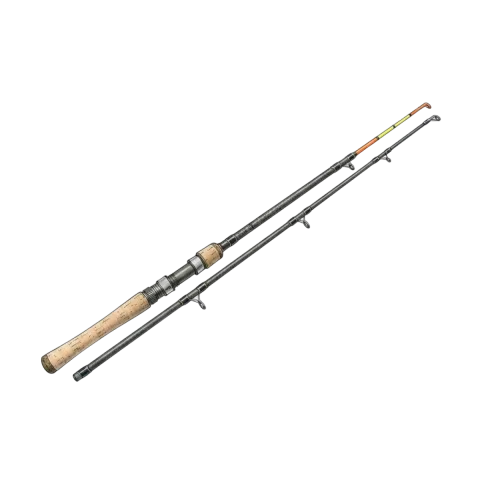
Rod
Feeder rod
A feeder rod is a long, quiver-tipped fishing rod for casting a feeder and watching the tip for bites.
Sized for a typical fish
medium · 3.3 m
- Reel seat
- Spinning
- Form factor
- Multi-piece
- Action
- Moderate
- Grip
- Cork
Reel
Spinning reel
A spinning reel hangs under the fishing rod and is the default reel for casting lures and light baits. Line peels off an open spool with a bail.
Sized for a typical fish
1000 · 3 kg drag · 185 g
- Spool
- Fixed
- Mount
- Under
- Drag
- Front
- Retrieve
- Manual
Line
Monofilament line
Monofilament fishing line is the everyday main line: easy to knot, cheap to replace, and stretchy enough to forgive a hard strike.
Sized for a typical fish
1.3 kg · 0.125 mm
- Visibility
- Medium
- Abrasion
- Medium
- Stretch
- High
- Sink rate
- Slow
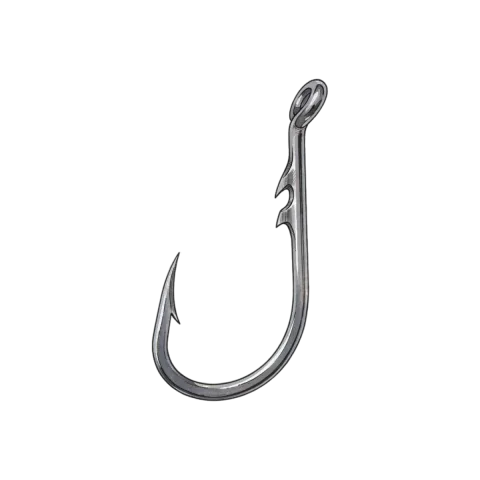
Hook
Baitholder hook
A baitholder hook has barbs on the shank to stop a worm or piece of bait sliding down. Classic float and feeder hook.
Sized for a typical fish
12
- Points
- 1
- Offset
- No
- Barbed
- Yes
- Gap
- Standard
Float Fishing
Suspending bait beneath a float at a controlled depth.
30% Effectiveness

Rod
Float rod
A float rod is the all-round fishing rod for a float in rivers and still water, a step down in length from match.
Sized for a typical fish
light · 3.6 m
- Reel seat
- Spinning
- Form factor
- Multi-piece
- Action
- Moderate
- Grip
- Cork
Reel
Spinning reel
A spinning reel hangs under the fishing rod and is the default reel for casting lures and light baits. Line peels off an open spool with a bail.
Sized for a typical fish
1000 · 3 kg drag · 185 g
- Spool
- Fixed
- Mount
- Under
- Drag
- Front
- Retrieve
- Manual
Line
Monofilament line
Monofilament fishing line is the everyday main line: easy to knot, cheap to replace, and stretchy enough to forgive a hard strike.
Sized for a typical fish
1.3 kg · 0.125 mm
- Visibility
- Medium
- Abrasion
- Medium
- Stretch
- High
- Sink rate
- Slow

Hook
J-hook
A J-hook is the classic J-bend fishing hook for bait. You set it with a strike. Sizes are tokens such as 12 or 1/0.
Sized for a typical fish
12
- Points
- 1
- Offset
- No
- Barbed
- Yes
- Gap
- Standard

Float
Waggler
A waggler is a bottom-only attachment float for stillwaters and slow rivers. You shot it down and watch the antenna.
Sized for a typical fish
4 g
- Attachment
- Fixed
- Habitats
- Freshwater
- Methods
- Float Fishing
Best lures and baits for Stone loach
Ranked lures and natural baits from every method, best first.
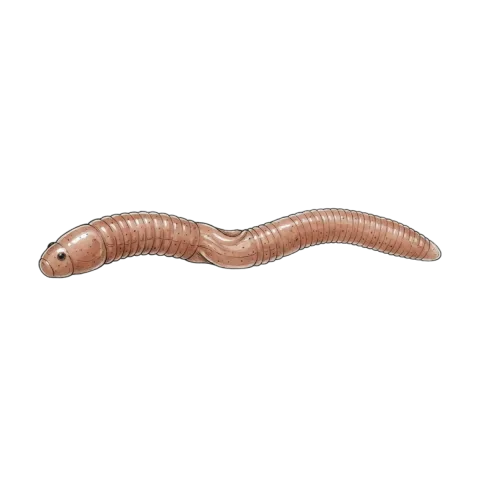
01
Worm
- Bottom Fishing
- Feeder Fishing
- Float Fishing
Rounded anterior end containing the mouth used for anchoring the bait on the hook.
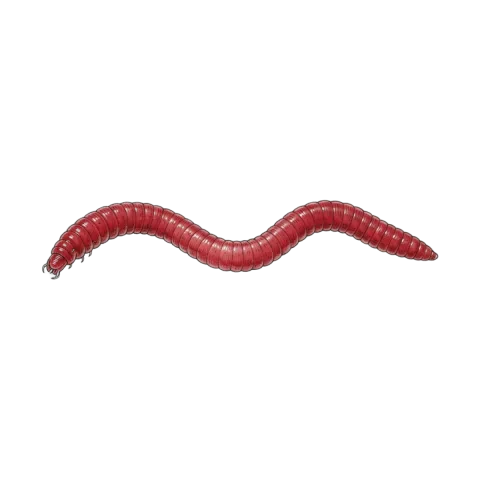
02
Bloodworm
- Bottom Fishing
- Float Fishing
Vibrant red coloration attracts panfish and coarse fish easily.
How Stone loach migrates — Potamodromous
Migrates within rivers and lakes only. Fish upstream runs and seasonal lake movements, not saltwater.
1 Eggs
Upstream
Laid on gravel or weed upstream or in flooded shallows.
2 Larvae
→ Main river or lake
Fry drift or swim down to slower water.
3 Adults
Main river or lake
Feed in the main river or lake.
4 Spawners
→ Upstream
Move upstream or into the shallows to spawn.
The whole cycle stays in fresh water.
Hover or tap a number to read each stage.
Diet and behavior of Stone loach
-
Diet
Omnivore -
Feeds by
Hunts animals -
Hunts
Night -
Used as bait
Yes
Prey and predators of Stone loach
Prey is what Stone loach eats. Predators are the animals that eat it.
That is how it feeds, and how it is hunted.
Predators
What hunts it
Where Stone loach lives
Lives on or just above the bottom. Work jigs, bait, and lures along the seabed.

Where this species lives
Stone loach photos for identification
Compare these photos with the catalog plate to identify the species.
Where to fish for Stone loach
Mapped fishing spots where Stone loach is recorded — open a pin for access and methods.
