How to catch Suckermouth catfish
Hypostomus plecostomus (Linnaeus, 1758)
About Suckermouth catfish fishing
The suckermouth catfish is an armored freshwater fish belonging to the family Loricariidae, easily recognized by the rows of bony scutes covering its elongated body and a specialized ventral mouth. Growing up to a maximum length of nearly twenty-five centimetres standard length, this benthic species features a flat belly and a sucker-like disc used to rasp algae, detritus, and small crustaceans from hard substrates. It inhabits quiet flowing tropical rivers, muddy swamps, and tide-influenced lower reaches, preferring warm waters between twenty-two and thirty degrees Celsius. While primarily valued for the aquarium trade as a bottom cleaner rather than as a food source, introduced populations have established themselves in various regions globally.
-
Difficulty
Medium
-
Average size
28 cm TL
-
Habitat
Freshwater, Brackish
-
Also known as
Janitor fish, Plecostomus, Sea hasar, Spotted pleco, Sucking catfish

Suckermouth
Ventral sucker mouth used for algae grazing and holding in swift currents.
Bony Scutes
Heavy interlocking dermal plates covering the body for armor protection.
Suckermouth catfish fishing facts
Characteristics
-
Typical size
28 cm TL (max 25 cm SL ) -
Typical weight
0.4 kg (max 0.2 kg ) -
Longevity
8 years -
Body shape
Elongated -
Vulnerability score
43.2
How to catch Suckermouth catfish
Tips for catching Suckermouth catfish
Target this armored bottom dweller in slow flowing tropical rivers and shallow marginal swamps by presenting baits directly on the mud substrate where it grazes. Since this species feeds primarily on plant matter detritus and small benthic organisms use fine ledgering rigs or light feeder setups equipped with soft dough baits or small pellets. Keep your terminal tackle discreet and wait patiently near quiet muddy margins or structure where these catfish use their sucker-like mouths to forage along the bottom.
Other names for Suckermouth catfish
Local and alternate names anglers use for Suckermouth catfish.
-
Sucking catfish
-
Suckermouth catfish
-
Spotted pleco
-
Sea hasar
-
Plecostomus
-
Janitor fish
Best equipment to catch Suckermouth catfish
Compare fishing methods for Suckermouth catfish — sized kit for each technique.
Note: Typical fish is 0.4 kg Our algorithm will suggest the best equipment for you based on this weight.
Bottom Fishing
Presenting bait or rigs on or near the lake or sea floor.
60% Effectiveness

Rod
Spinning rod
A spinning rod is a fishing rod built to carry a spinning reel under the blank. You cast lures and light baits with it from shore or a boat.
Sized for a typical fish
ultralight · 1.8 m
- Reel seat
- Spinning
- Form factor
- Multi-piece
- Action
- Fast
- Grip
- EVA

Reel
Spinning reel
A spinning reel hangs under the fishing rod and is the default reel for casting lures and light baits. Line peels off an open spool with a bail.
Sized for a typical fish
1000 · 3 kg drag · 185 g
- Spool
- Fixed
- Mount
- Under
- Drag
- Front
- Retrieve
- Manual

Line
Monofilament line
Monofilament fishing line is the everyday main line: easy to knot, cheap to replace, and stretchy enough to forgive a hard strike.
Sized for a typical fish
1.3 kg · 0.125 mm
- Visibility
- Medium
- Abrasion
- Medium
- Stretch
- High
- Sink rate
- Slow

Leader
Fluorocarbon leader
A fluorocarbon leader is the clear, fast-sinking join between a visible main line and the lure or hook.
Sized for a typical fish
4 kg · 0.2 mm · 80 cm
- Visibility
- Very low
- Abrasion
- High
- Stretch
- Low
- Sink rate
- Fast

Hook
Circle hook
A circle hook turns in the mouth and usually finds the corner of the jaw. You do not strike hard — you come tight. It includes freshwater.
Sized for a typical fish
4
- Points
- 1
- Offset
- No
- Barbed
- Yes
- Gap
- Standard
Feeder Fishing
Ledgering with a swimfeeder or method feeder and a quiver-tip rod.
50% Effectiveness
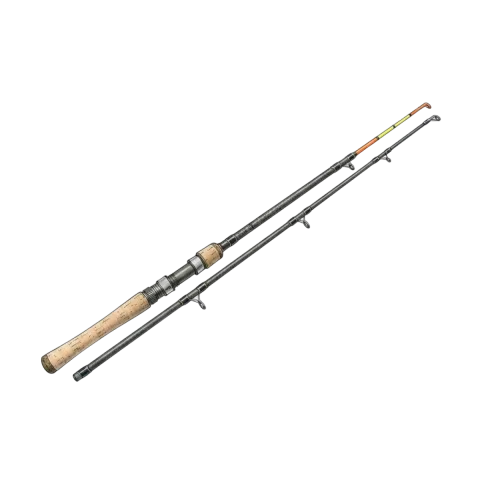
Rod
Feeder rod
A feeder rod is a long, quiver-tipped fishing rod for casting a feeder and watching the tip for bites.
Sized for a typical fish
medium · 3.3 m
- Reel seat
- Spinning
- Form factor
- Multi-piece
- Action
- Moderate
- Grip
- Cork
Reel
Spinning reel
A spinning reel hangs under the fishing rod and is the default reel for casting lures and light baits. Line peels off an open spool with a bail.
Sized for a typical fish
1000 · 3 kg drag · 185 g
- Spool
- Fixed
- Mount
- Under
- Drag
- Front
- Retrieve
- Manual
Line
Monofilament line
Monofilament fishing line is the everyday main line: easy to knot, cheap to replace, and stretchy enough to forgive a hard strike.
Sized for a typical fish
1.3 kg · 0.125 mm
- Visibility
- Medium
- Abrasion
- Medium
- Stretch
- High
- Sink rate
- Slow
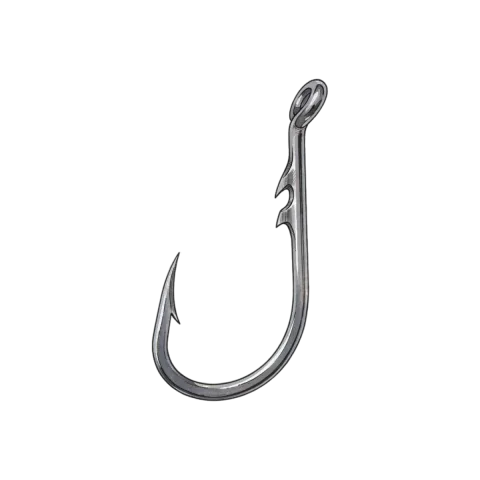
Hook
Baitholder hook
A baitholder hook has barbs on the shank to stop a worm or piece of bait sliding down. Classic float and feeder hook.
Sized for a typical fish
8
- Points
- 1
- Offset
- No
- Barbed
- Yes
- Gap
- Standard
Float Fishing
Suspending bait beneath a float at a controlled depth.
40% Effectiveness
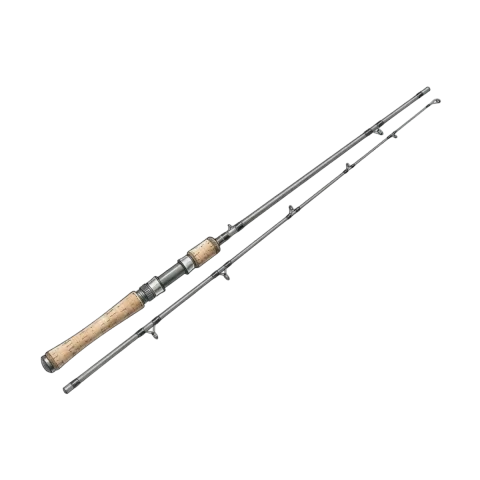
Rod
Float rod
A float rod is the all-round fishing rod for a float in rivers and still water, a step down in length from match.
Sized for a typical fish
light · 3.6 m
- Reel seat
- Spinning
- Form factor
- Multi-piece
- Action
- Moderate
- Grip
- Cork
Reel
Spinning reel
A spinning reel hangs under the fishing rod and is the default reel for casting lures and light baits. Line peels off an open spool with a bail.
Sized for a typical fish
1000 · 3 kg drag · 185 g
- Spool
- Fixed
- Mount
- Under
- Drag
- Front
- Retrieve
- Manual
Line
Monofilament line
Monofilament fishing line is the everyday main line: easy to knot, cheap to replace, and stretchy enough to forgive a hard strike.
Sized for a typical fish
1.3 kg · 0.125 mm
- Visibility
- Medium
- Abrasion
- Medium
- Stretch
- High
- Sink rate
- Slow
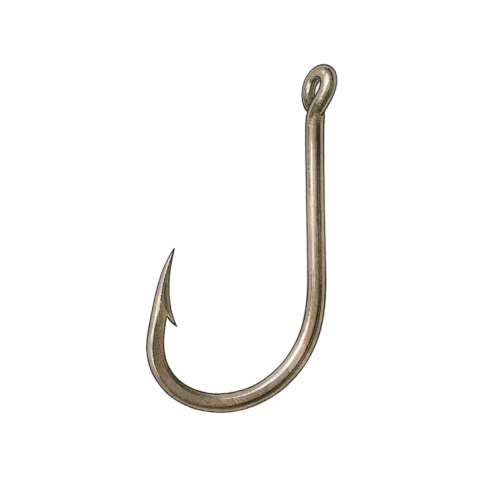
Hook
J-hook
A J-hook is the classic J-bend fishing hook for bait. You set it with a strike. Sizes are tokens such as 12 or 1/0.
Sized for a typical fish
8
- Points
- 1
- Offset
- No
- Barbed
- Yes
- Gap
- Standard
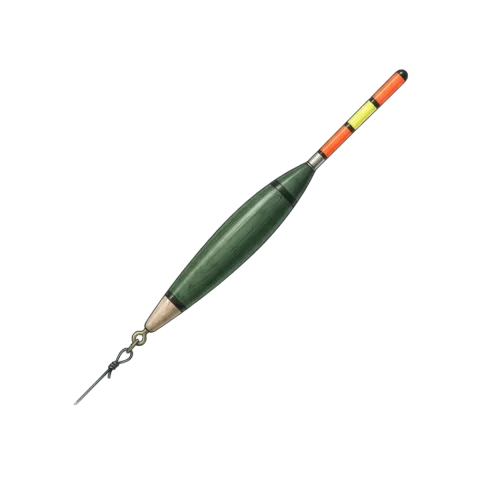
Float
Waggler
A waggler is a bottom-only attachment float for stillwaters and slow rivers. You shot it down and watch the antenna.
Sized for a typical fish
4 g
- Attachment
- Fixed
- Habitats
- Freshwater
- Methods
- Float Fishing
Best lures and baits for Suckermouth catfish
Ranked lures and natural baits from every method, best first.
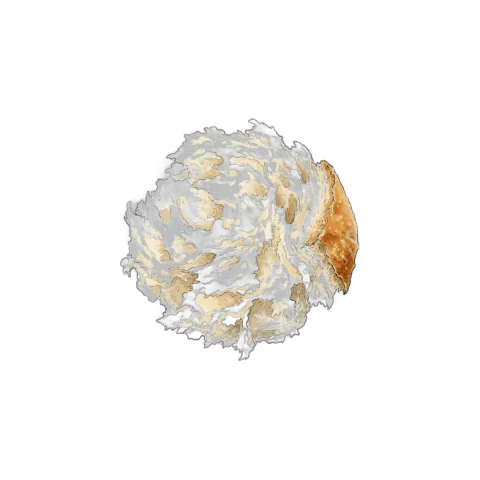
01
Bread
- Bottom Fishing
Soft inner bread compressed onto the hook for surface feeding.
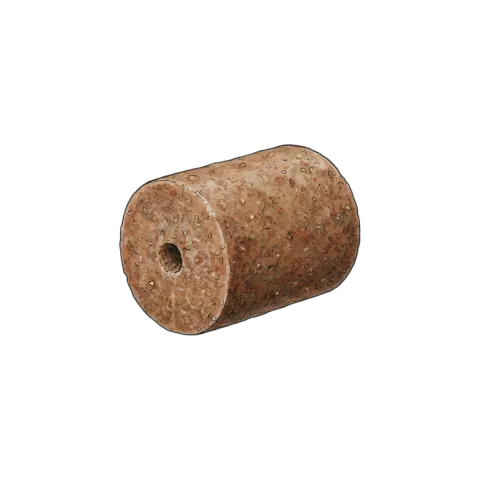
02
Pellet
- Feeder Fishing
Cylindrical compressed bait body designed to slowly break down and attract fish.
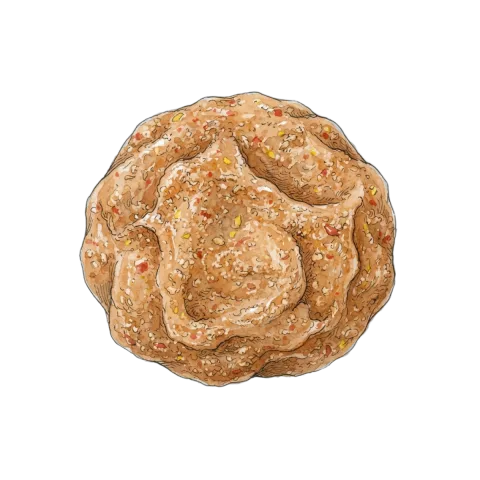
03
Dough bait
- Float Fishing
Molded round ball of prepared dough designed to stay on the hook.
Where Suckermouth catfish spends the year — Non-migratory
Stays in the same waters year-round. Look for it on the same grounds rather than timing a run.
1 Eggs
Same water all year
Laid on the home grounds.
2 Juveniles
Same water all year
Grow up close by.
3 Adults
Same water all year
Keep to a small home range.
4 Spawners
Same water all year
Spawn on the same grounds, with only short moves.
Hover or tap a number to read each stage.
Diet and behavior of Suckermouth catfish
-
Diet
Omnivore -
Feeds by
Mixed feeder -
Main prey
Detritus
Prey and predators of Suckermouth catfish
Prey is what Suckermouth catfish eats. Predators are the animals that eat it.
That is how it feeds, and how it is hunted.
Prey
What it eats
Where Suckermouth catfish lives
Lives on or just above the bottom. Work jigs, bait, and lures along the seabed.

Where this species lives
Suckermouth catfish photos for identification
Compare these photos with the catalog plate to identify the species.