How to catch Vairone
Telestes souffia (Risso, 1827)
About Vairone fishing
The vairone is a small stream-dwelling ray-finned fish belonging to the family Leuciscidae, recognized by its slender elongated body marked with a striking gold-orange lateral stripe bordered by dark lines. Growing up to twenty-five centimetres in length, this gregarious species typically inhabits clear, fast-flowing middle reaches of rivers and streams featuring pebble and gravel substrates. It moves in shoals, feeding primarily on benthic invertebrates and algae in well-oxygenated riffles and rapids. Spawning takes place during the spring months over shallow gravel beds in swift currents. Although historically underutilised by mainstream anglers due to its local conservation status and small size, it remains an integral component of clear European river ecosystems.
-
Difficulty
Medium
-
Average size
15 cm TL
-
Habitat
Freshwater
-
Season
Spring, Summer, Autumn
-
Also known as
Blageon, Telestes

Caudal shape
Forked caudal fin distinguishes this species from round-tailed minnows.
Pelvic-fin position
Abdominal pelvic fins positioned beneath the dorsal fin origin.
Midlateral stripe
Conspicuous dark midlateral stripe and adjacent yellow line uniquely identify the vairone.
Vairone fishing facts
Characteristics
-
Typical size
15 cm TL (max 25 cm TL ) -
Typical weight
0.2 kg (max 0.2 kg ) -
Body shape
Elongated -
Vulnerability score
37.3
Best hours
-
Low
Dawn
First light
-
Peak
Morning
After sunrise
-
Peak
Midday
High sun
-
Active
Afternoon
Late day
-
Low
Dusk
Last light
-
Low
Night
After dark
When to fish for Vairone
How to catch Vairone
Tips for catching Vairone
Targeting this swift-water dweller requires light tackle suited for fast, shallow rivers where the current runs strong over gravel and stone bottoms. Anglers achieve success by drifting natural baits or small wet flies through turbulent riffles and runs using a delicate presentation. Keep profiles small to match their invertebrate diet, and concentrate efforts during warm daylight hours when surface activity increases. Because populations are often locally protected or sensitive, catch-and-release practices are strongly encouraged.
Other names for Vairone
Local and alternate names anglers use for Vairone.
-
Telestes
-
Vairone
-
Blageon
Best equipment to catch Vairone
Compare fishing methods for Vairone — sized kit for each technique.
Note: Typical fish is 0.2 kg Our algorithm will suggest the best equipment for you based on this weight.
Float Fishing
Suspending bait beneath a float at a controlled depth.
75% Effectiveness
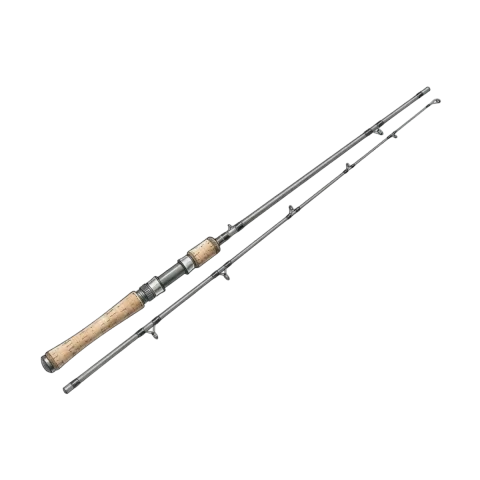
Rod
Float rod
A float rod is the all-round fishing rod for a float in rivers and still water, a step down in length from match.
Sized for a typical fish
light · 3.6 m
- Reel seat
- Spinning
- Form factor
- Multi-piece
- Action
- Moderate
- Grip
- Cork

Reel
Spinning reel
A spinning reel hangs under the fishing rod and is the default reel for casting lures and light baits. Line peels off an open spool with a bail.
Sized for a typical fish
1000 · 3 kg drag · 185 g
- Spool
- Fixed
- Mount
- Under
- Drag
- Front
- Retrieve
- Manual

Line
Monofilament line
Monofilament fishing line is the everyday main line: easy to knot, cheap to replace, and stretchy enough to forgive a hard strike.
Sized for a typical fish
1.3 kg · 0.125 mm
- Visibility
- Medium
- Abrasion
- Medium
- Stretch
- High
- Sink rate
- Slow
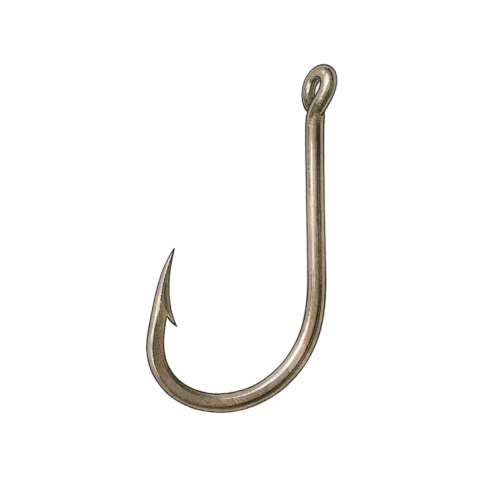
Hook
J-hook
A J-hook is the classic J-bend fishing hook for bait. You set it with a strike. Sizes are tokens such as 12 or 1/0.
Sized for a typical fish
12
- Points
- 1
- Offset
- No
- Barbed
- Yes
- Gap
- Standard
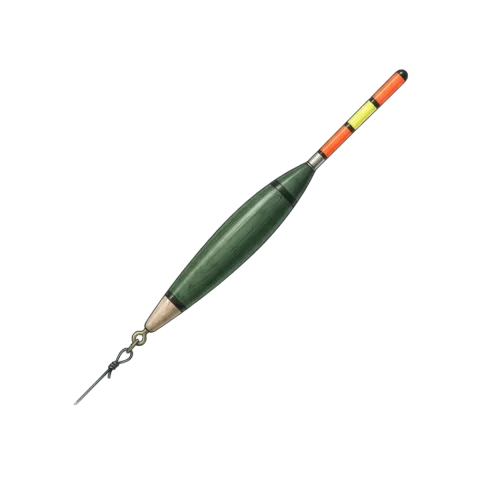
Float
Waggler
A waggler is a bottom-only attachment float for stillwaters and slow rivers. You shot it down and watch the antenna.
Sized for a typical fish
4 g
- Attachment
- Fixed
- Habitats
- Freshwater
- Methods
- Float Fishing
Best lures and baits for Vairone
Ranked lures and natural baits from every method, best first.
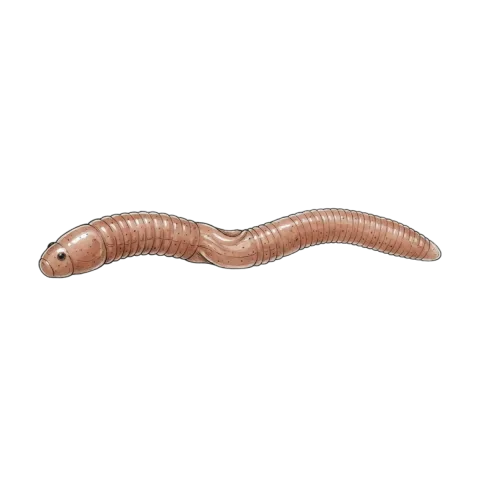
01
Worm
- Float Fishing
Rounded anterior end containing the mouth used for anchoring the bait on the hook.
02
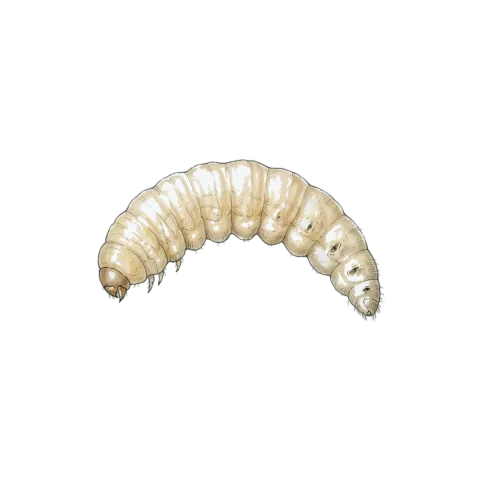
Maggot
- Float Fishing
Segmented white body provides enticing natural movement and scent.
03
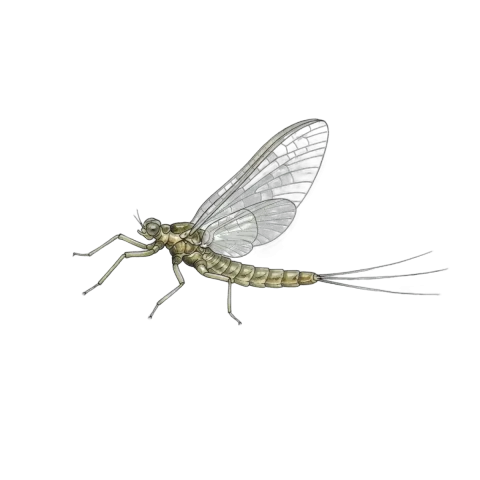
Insects
- Float Fishing
Translucent upright wings create surface disturbance that attracts rising freshwater fish.
How Vairone migrates — Potamodromous
Migrates within rivers and lakes only. Fish upstream runs and seasonal lake movements, not saltwater.
1 Eggs
Upstream
Laid on gravel or weed upstream or in flooded shallows.
2 Larvae
→ Main river or lake
Fry drift or swim down to slower water.
3 Adults
Main river or lake
Feed in the main river or lake.
4 Spawners
→ Upstream
Move upstream or into the shallows to spawn.
The whole cycle stays in fresh water.
Hover or tap a number to read each stage.
Diet and behavior of Vairone
-
Diet
Carnivore -
Feeds by
Hunts animals -
Hunts
Morning · Midday
Where Vairone lives
Lives near the bottom but swims in the water just above it. Cover the lower column, not only the mud.

Where this species lives
Vairone photos for identification
Compare these photos with the catalog plate to identify the species.