How to catch Vendace
Coregonus albula (Linnaeus, 1758)
About Vendace fishing
The vendace is a slim and streamlined freshwater and brackish water fish belonging to the family Salmonidae, featuring a distinctive adipose fin and a lower jaw that extends noticeably beyond the upper jaw. The back displays a bluish green or brownish tone complemented by silvery flanks and a clean white belly, growing typically to around twenty centimetres in length with a maximum potential size of forty eight centimetres. It inhabits open pelagic waters of deep, clear lakes as well as diluted coastal areas, operating primarily within cool temperature bounds and depths ranging down to twenty four metres. Schools of individuals feed selectively on planktonic crustaceans and microscopic aquatic organisms while migrating towards shallow gravel or sandy shores during the autumn spawning period. Though primarily targeted by commercial fisheries for its delicate roe and flesh, it forms an essential component of northern European aquatic ecosystems.
-
Difficulty
Medium
-
Average size
20 cm TL
-
Market value
Medium
-
Habitat
Freshwater, Brackish, Saltwater
-
Season
Spring, Summer, Autumn
-
Also known as
European cisco, White fish

Adipose fin
Small fleshy adipose fin characteristic of salmonids.
Superior mouth
Upward-pointing mouth indicates a pelagic feeding habit.
Vendace fishing facts
Characteristics
-
Typical size
20 cm TL (max 48 cm TL ) -
Typical weight
0.2 kg (max 1 kg ) -
Preferred temperature
2.1–4.5 °C -
Depth
6–24 m -
Longevity
10 years -
Body shape
Fusiform / Normal -
Commercial?
-
Vulnerability score
35.1
Best hours
-
Peak
Dawn
First light
-
Peak
Morning
After sunrise
-
Low
Midday
High sun
-
Low
Afternoon
Late day
-
Low
Dusk
Last light
-
Active
Night
After dark
When to fish for Vendace
How to catch Vendace
Tips for catching Vendace
Anglers targeting this delicate pelagic schooling fish focus their efforts on deep, cold northern lakes and clear glacial waters during calmer weather windows. Since these fish feed almost exclusively on microscopic zooplankton rather than larger fish or bottom dwellers, standard predatory lures prove ineffective, requiring subtle presentations instead. Use light tackle with fine lines, small floats, and tiny hooks baited with micro invertebrates or bloodworms suspended precisely at the depth where the pelagic schools are located via sonar. Calm mornings and evenings offer the best success when schools rise closer to midwater columns or near drop-offs. Ice fishing with small vertical jigs tipped with microscopic natural baits provides exceptional sport during frozen winter months.
Other names for Vendace
Local and alternate names anglers use for Vendace.
-
White fish
-
Vendace
-
European cisco
Best equipment to catch Vendace
Compare fishing methods for Vendace — sized kit for each technique.
Note: Typical fish is 0.2 kg Our algorithm will suggest the best equipment for you based on this weight.
Ice Fishing
Fishing through ice with short rods, jigs, or tip-ups.
70% Effectiveness
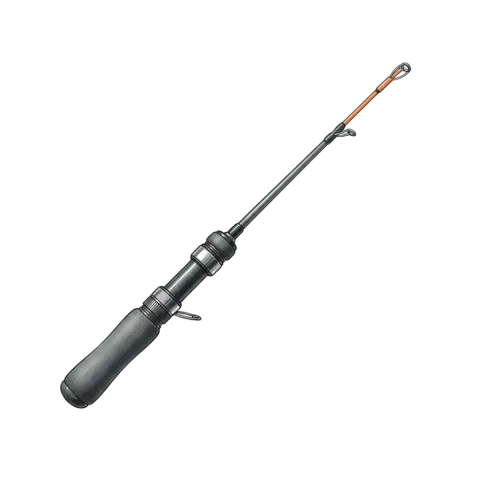
Rod
Ice fishing rod
An ice fishing rod is a short stick for fishing through a hole. Pair it with a small spinning or inline ice reel.
Sized for a typical fish
ultralight · 0.6 m
- Reel seat
- Spinning
- Form factor
- One-piece
- Action
- Fast
- Grip
- Foam
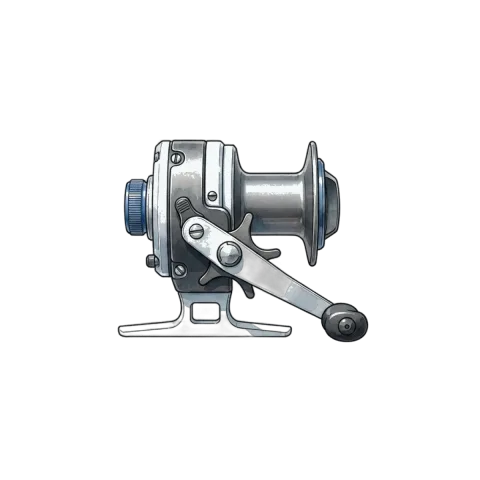
Reel
Ice fishing reel
An ice fishing reel is a small spinning or inline reel for fishing through a hole. Capacity is modest; the rod is short.
Sized for a typical fish
500 · 2 kg drag
- Spool
- Fixed
- Mount
- Under
- Drag
- Rear
- Retrieve
- Manual

Line
Monofilament line
Monofilament fishing line is the everyday main line: easy to knot, cheap to replace, and stretchy enough to forgive a hard strike.
Sized for a typical fish
1.3 kg · 0.125 mm
- Visibility
- Medium
- Abrasion
- Medium
- Stretch
- High
- Sink rate
- Slow
Float Fishing
Suspending bait beneath a float at a controlled depth.
60% Effectiveness
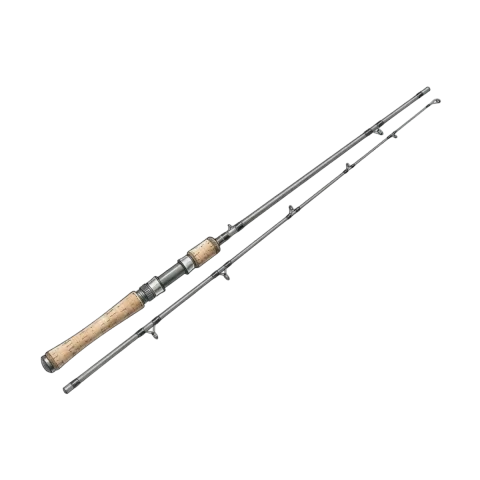
Rod
Float rod
A float rod is the all-round fishing rod for a float in rivers and still water, a step down in length from match.
Sized for a typical fish
light · 3.6 m
- Reel seat
- Spinning
- Form factor
- Multi-piece
- Action
- Moderate
- Grip
- Cork

Reel
Spinning reel
A spinning reel hangs under the fishing rod and is the default reel for casting lures and light baits. Line peels off an open spool with a bail.
Sized for a typical fish
1000 · 3 kg drag · 185 g
- Spool
- Fixed
- Mount
- Under
- Drag
- Front
- Retrieve
- Manual
Line
Monofilament line
Monofilament fishing line is the everyday main line: easy to knot, cheap to replace, and stretchy enough to forgive a hard strike.
Sized for a typical fish
1.3 kg · 0.125 mm
- Visibility
- Medium
- Abrasion
- Medium
- Stretch
- High
- Sink rate
- Slow
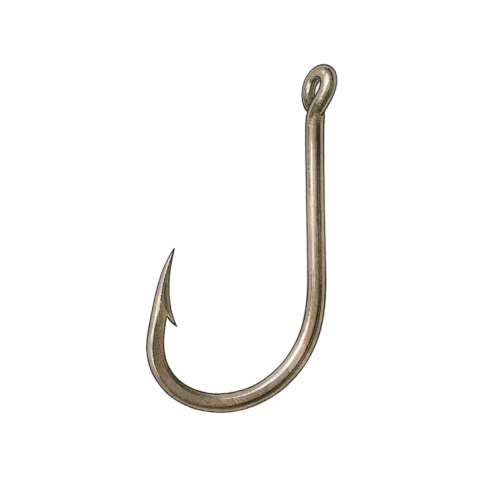
Hook
J-hook
A J-hook is the classic J-bend fishing hook for bait. You set it with a strike. Sizes are tokens such as 12 or 1/0.
Sized for a typical fish
12
- Points
- 1
- Offset
- No
- Barbed
- Yes
- Gap
- Standard
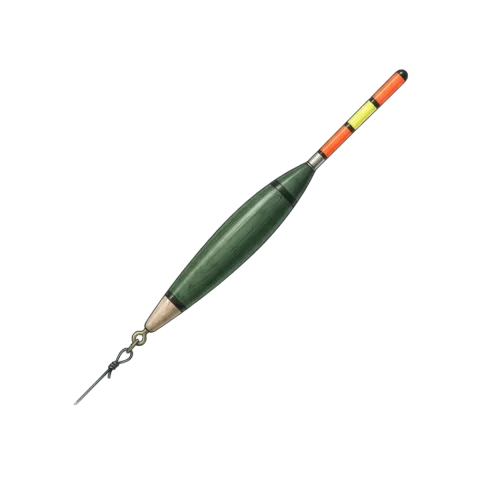
Float
Waggler
A waggler is a bottom-only attachment float for stillwaters and slow rivers. You shot it down and watch the antenna.
Sized for a typical fish
4 g
- Attachment
- Fixed
- Habitats
- Freshwater
- Methods
- Float Fishing
Best lures and baits for Vendace
Ranked lures and natural baits from every method, best first.
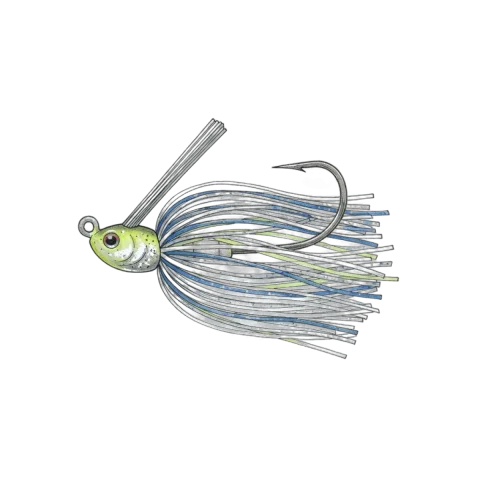
01
Casting jig
- Ice Fishing
A casting jig you hop, drag, and swim on the bottom.
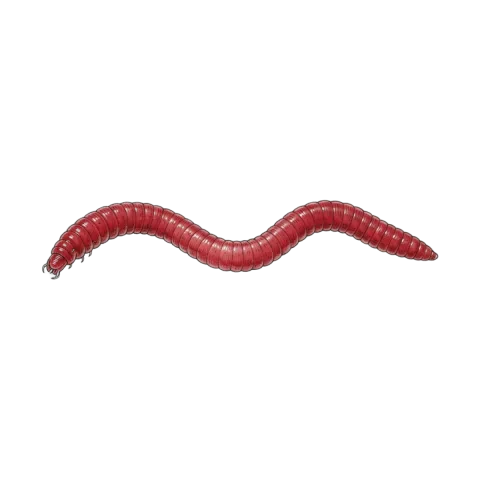
02
Bloodworm
- Ice Fishing
Vibrant red coloration attracts panfish and coarse fish easily.
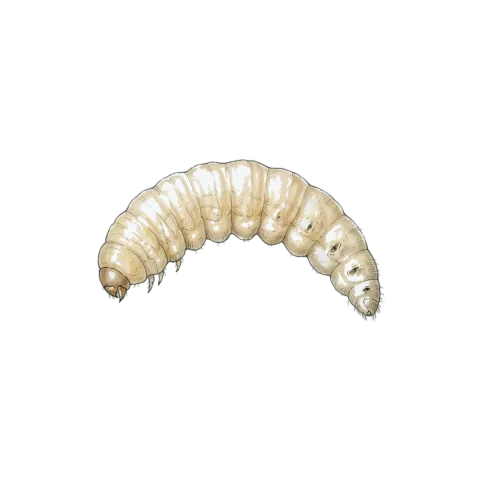
03
Maggot
- Float Fishing
Segmented white body provides enticing natural movement and scent.
How Vendace migrates — Anadromous
Grows at sea and swims into rivers to spawn. Target the run as fish leave the ocean and push upstream.
1 Eggs
Fresh water
Laid in fresh water, usually well up the river.
2 Juveniles
→ Sea
Grow in the river, then head downstream to the sea.
3 Adults
Sea
Feed and grow at sea.
4 Spawners
→ Fresh water
Run back up the river to spawn.
Some populations never go to sea and complete the cycle in rivers and lakes.
Hover or tap a number to read each stage.
Diet and behavior of Vendace
-
Diet
Carnivore -
Feeds by
Picks plankton -
Hunts
Dawn · Morning -
Main prey
Baitfish · Plankton
Prey and predators of Vendace
Prey is what Vendace eats. Predators are the animals that eat it.
That is how it feeds, and how it is hunted.
Prey
What it eats
Predators
What hunts it
Fish
Where Vendace lives
Lives near the bottom but swims in the water just above it. Cover the lower column, not only the mud.
6–24 m

River mouth
Where this species lives
Vendace photos for identification
Compare these photos with the catalog plate to identify the species.