How to catch Wels
Silurus glanis Linnaeus, 1758
About Wels fishing
The wels catfish belongs to the family Siluridae and features an elongated, scaleless body with a broad, flat head, a wide mouth equipped with multiple barbels, and a long anal fin. Colouration varies from dark green-black to olive-brown on the back with a pale yellowish belly. It inhabits deep lowland rivers, backwaters, and well-vegetated lakes, functioning primarily as a benthopelagic apex predator. This species thrives in warm freshwater habitats down to moderate depths, remaining largely inactive during daylight hours before hunting fish and aquatic vertebrates at night. Anglers across Europe highly prize it as a formidable sport fish capable of reaching exceptional proportions.
-
Difficulty
Medium
-
Average size
150 cm
-
Habitat
Freshwater, Brackish
-
Season
Spring, Summer, Autumn
-
Also known as
Danube catfish, European catfish, Sheatfish, Som catfish, Wels catfish

Caudal shape
Rounded or truncate caudal fin shape helps distinguish this catfish.
Mental barbels
Long maxillary and mental barbels are prominent sensory structures for catfish identification.
Extended anal fin
Extremely long anal fin almost touching the caudal fin identifies the species.
Wels fishing facts
Characteristics
-
Typical size
150 cm (max 273 cm TL ) -
Typical weight
25 kg (max 130 kg ) -
Depth
0–30 m -
Longevity
80 years -
Body shape
Elongated -
Vulnerability score
84.5
Best hours
-
Active
Dawn
First light
-
Low
Morning
After sunrise
-
Low
Midday
High sun
-
Low
Afternoon
Late day
-
Active
Dusk
Last light
-
Peak
Night
After dark
When to fish for Wels
How to catch Wels
Tips for catching Wels
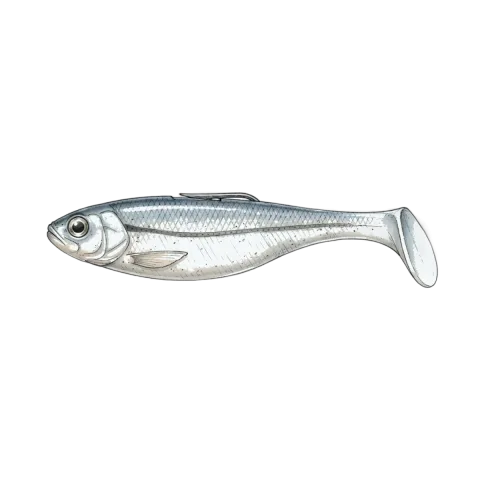
Succeeding with large freshwater predators requires targeting deep holes, submerged timber, and slack water margins where fish retreat during daylight hours. Heavy-duty tackle featuring robust braided lines, abrasion-resistant leaders, and strong terminal gear is essential to withstand powerful runs and heavy structure. Presentations relying on large bunches of earthworms, heavy bottom pellets, or live baits fished static on the bottom yield consistent results after dark. Alternatively, working large crankbaits or soft shads close to the river bed during low-light periods can provoke aggressive strikes from active hunters. Concentrating efforts through the warm summer months significantly increases the likelihood of connecting with a substantial specimen.
Other names for Wels
Local and alternate names anglers use for Wels.
-
Wels catfish
-
Wels
-
Som catfish
-
Sheatfish
-
European catfish
-
Danube catfish
Best equipment to catch Wels
Compare fishing methods for Wels — sized kit for each technique.
Note: Typical fish is 25 kg Our algorithm will suggest the best equipment for you based on this weight.
Bottom Fishing
Presenting bait or rigs on or near the lake or sea floor.
90% Effectiveness

Rod
Spinning rod
A spinning rod is a fishing rod built to carry a spinning reel under the blank. You cast lures and light baits with it from shore or a boat.
Sized for a typical fish
extra-heavy · 2.18 m
- Reel seat
- Spinning
- Form factor
- Multi-piece
- Action
- Fast
- Grip
- EVA

Reel
Spinning reel
A spinning reel hangs under the fishing rod and is the default reel for casting lures and light baits. Line peels off an open spool with a bail.
Sized for a typical fish
30000 · 30 kg drag · 1107 g
- Spool
- Fixed
- Mount
- Under
- Drag
- Front
- Retrieve
- Manual

Line
Monofilament line
Monofilament fishing line is the everyday main line: easy to knot, cheap to replace, and stretchy enough to forgive a hard strike.
Sized for a typical fish
91 kg · 1.4 mm
- Visibility
- Medium
- Abrasion
- Medium
- Stretch
- High
- Sink rate
- Slow

Leader
Fluorocarbon leader
A fluorocarbon leader is the clear, fast-sinking join between a visible main line and the lure or hook.
Sized for a typical fish
136.1 kg · 1.885 mm · 180 cm
- Visibility
- Very low
- Abrasion
- High
- Stretch
- Low
- Sink rate
- Fast

Hook
Circle hook
A circle hook turns in the mouth and usually finds the corner of the jaw. You do not strike hard — you come tight. It includes freshwater.
Sized for a typical fish
6/0
- Points
- 1
- Offset
- No
- Barbed
- Yes
- Gap
- Standard
Live Baiting
Fishing a live baitfish or live invertebrate as the primary presentation.
85% Effectiveness
Rod
Spinning rod
A spinning rod is a fishing rod built to carry a spinning reel under the blank. You cast lures and light baits with it from shore or a boat.
Sized for a typical fish
extra-heavy · 2.18 m
- Reel seat
- Spinning
- Form factor
- Multi-piece
- Action
- Fast
- Grip
- EVA
Reel
Spinning reel
A spinning reel hangs under the fishing rod and is the default reel for casting lures and light baits. Line peels off an open spool with a bail.
Sized for a typical fish
30000 · 30 kg drag · 1107 g
- Spool
- Fixed
- Mount
- Under
- Drag
- Front
- Retrieve
- Manual
Line
Monofilament line
Monofilament fishing line is the everyday main line: easy to knot, cheap to replace, and stretchy enough to forgive a hard strike.
Sized for a typical fish
91 kg · 1.4 mm
- Visibility
- Medium
- Abrasion
- Medium
- Stretch
- High
- Sink rate
- Slow
Leader
Fluorocarbon leader
A fluorocarbon leader is the clear, fast-sinking join between a visible main line and the lure or hook.
Sized for a typical fish
136.1 kg · 1.885 mm · 180 cm
- Visibility
- Very low
- Abrasion
- High
- Stretch
- Low
- Sink rate
- Fast
Hook
Circle hook
A circle hook turns in the mouth and usually finds the corner of the jaw. You do not strike hard — you come tight. It includes freshwater.
Sized for a typical fish
6/0
- Points
- 1
- Offset
- No
- Barbed
- Yes
- Gap
- Standard
Spinning
Casting and retrieving lures with a spinning rod and reel.
75% Effectiveness
Rod
Spinning rod
A spinning rod is a fishing rod built to carry a spinning reel under the blank. You cast lures and light baits with it from shore or a boat.
Sized for a typical fish
extra-heavy · 2.18 m
- Reel seat
- Spinning
- Form factor
- Multi-piece
- Action
- Fast
- Grip
- EVA
Reel
Spinning reel
A spinning reel hangs under the fishing rod and is the default reel for casting lures and light baits. Line peels off an open spool with a bail.
Sized for a typical fish
20000 · 30 kg drag · 997 g
- Spool
- Fixed
- Mount
- Under
- Drag
- Front
- Retrieve
- Manual
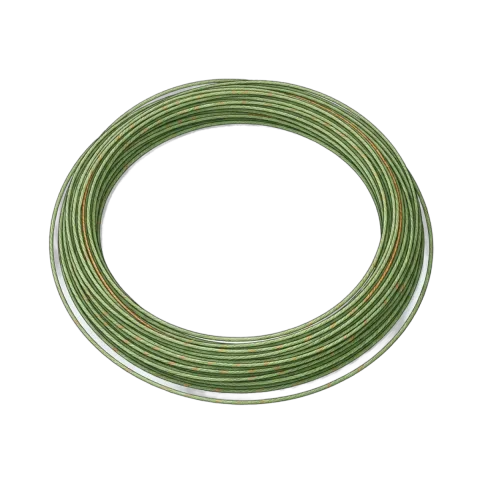
Line
Braided line
Braided fishing line is the thin, no-stretch main for long casts, jigging, and feeling every tick on the retrieve.
Sized for a typical fish
90 kg · 0.76 mm
- Visibility
- High
- Abrasion
- Low
- Stretch
- None
- Sink rate
- Floats
Leader
Fluorocarbon leader
A fluorocarbon leader is the clear, fast-sinking join between a visible main line and the lure or hook.
Sized for a typical fish
136.1 kg · 1.885 mm · 180 cm
- Visibility
- Very low
- Abrasion
- High
- Stretch
- Low
- Sink rate
- Fast
Trolling
Drawing lures or baits behind a moving boat.
60% Effectiveness
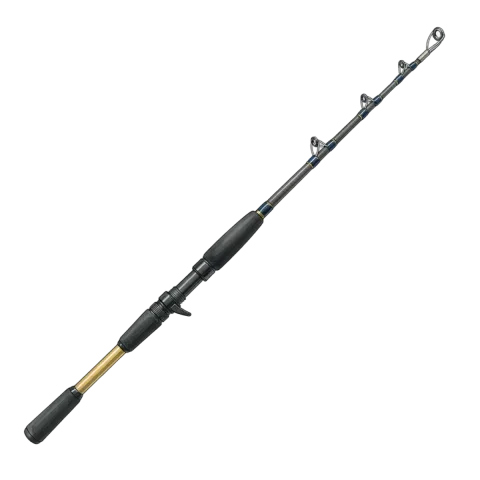
Rod
Trolling rod
A trolling rod is built to sit in a holder and pull a lure or bait at speed. Moderate action so the rod, not the reel, plays the fish.
Sized for a typical fish
extra-heavy · 2.29 m
- Reel seat
- Casting
- Form factor
- One-piece
- Action
- Moderate
- Grip
- EVA
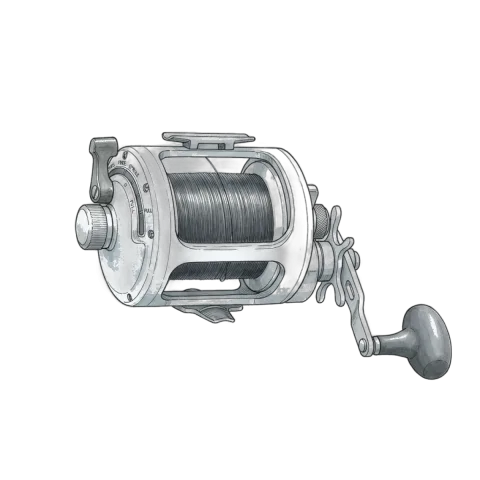
Reel
Trolling reel
A trolling reel is the dedicated lever-drag fishing reel for pulling lures behind a boat, often in a holder all day.
Sized for a typical fish
50 · 30 kg drag
- Spool
- Revolving
- Mount
- Over
- Drag
- Lever
- Retrieve
- Manual
Line
Braided line
Braided fishing line is the thin, no-stretch main for long casts, jigging, and feeling every tick on the retrieve.
Sized for a typical fish
90 kg · 0.76 mm
- Visibility
- High
- Abrasion
- Low
- Stretch
- None
- Sink rate
- Floats
Leader
Fluorocarbon leader
A fluorocarbon leader is the clear, fast-sinking join between a visible main line and the lure or hook.
Sized for a typical fish
136.1 kg · 1.885 mm · 180 cm
- Visibility
- Very low
- Abrasion
- High
- Stretch
- Low
- Sink rate
- Fast
Best lures and baits for Wels
Ranked lures and natural baits from every method, best first.
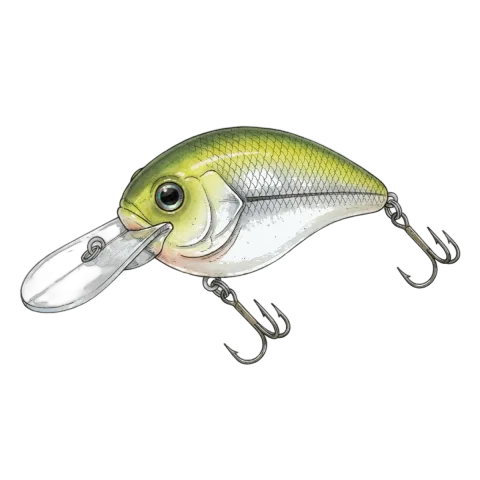
01
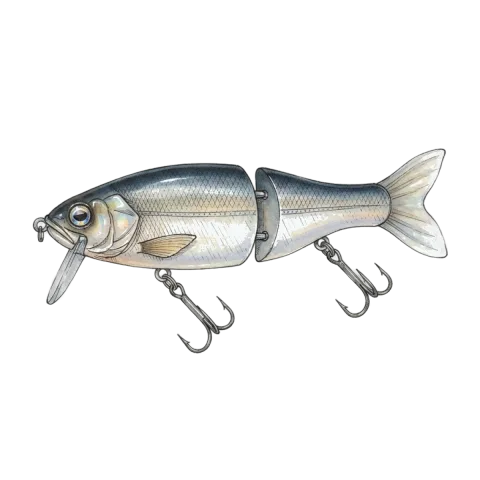
Crankbait
- Spinning
- Trolling
A diving hard bait that covers water and bumps cover.
02
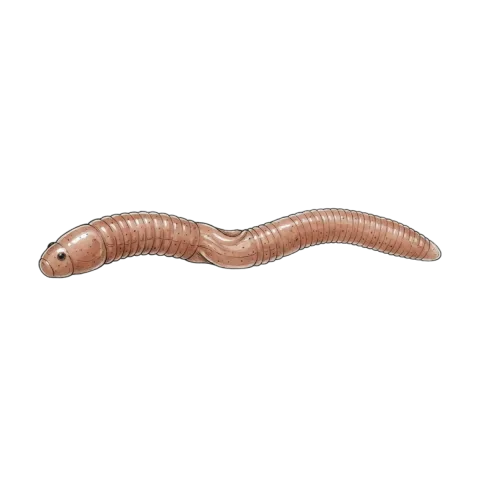
Worm
- Bottom Fishing
Rounded anterior end containing the mouth used for anchoring the bait on the hook.
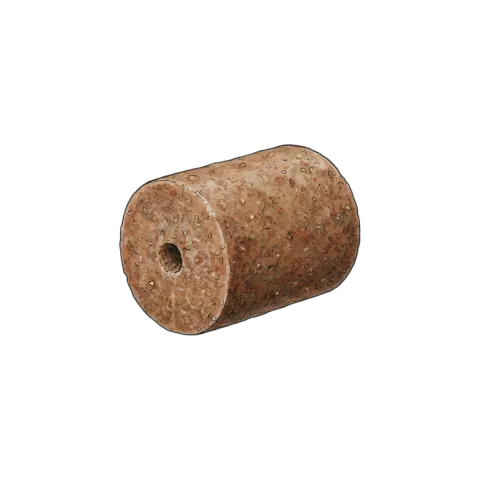
03
Pellet
- Bottom Fishing
Cylindrical compressed bait body designed to slowly break down and attract fish.
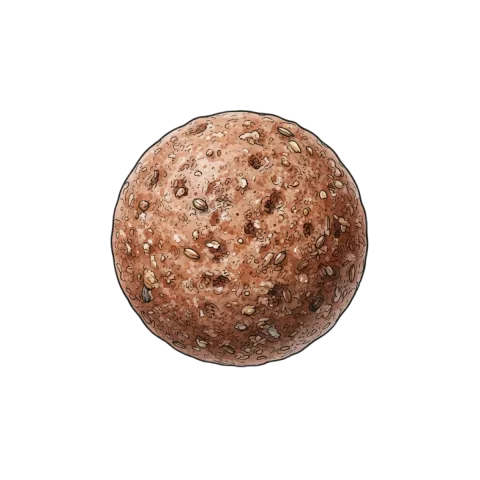
04
Boilie
- Bottom Fishing
Spherical bait shape prevents small nuisance fish from easily eating it.
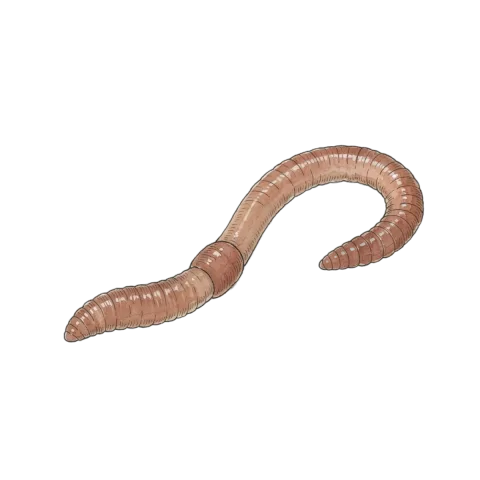
05
Live baitfish
- Live Baiting
Elongated segmented worm body provides natural movement to attract fish.
Where Wels spends the year — Non-migratory
Stays in the same waters year-round. Look for it on the same grounds rather than timing a run.
1 Eggs
Same water all year
Laid on the home grounds.
2 Juveniles
Same water all year
Grow up close by.
3 Adults
Same water all year
Keep to a small home range.
4 Spawners
Same water all year
Spawn on the same grounds, with only short moves.
Hover or tap a number to read each stage.
Diet and behavior of Wels
-
Diet
Top predator -
Feeds by
Hunts animals -
Hunts
Night -
Main prey
Baitfish
Prey and predators of Wels
Prey is what Wels eats. Predators are the animals that eat it.
That is how it feeds, and how it is hunted.
Prey
What it eats
Predators
What hunts it
Fish
Where Wels lives
Lives near the bottom but swims in the water just above it. Cover the lower column, not only the mud.
0–30 m

Where this species lives
Wels photos for identification
Compare these photos with the catalog plate to identify the species.
Where to fish for Wels
Mapped fishing spots where Wels is recorded — open a pin for access and methods.


