How to catch Arrow barracuda
Sphyraena novaehollandiae Günther, 1860
About Arrow barracuda fishing
The Australian barracuda belongs to the barracuda family Sphyraenidae, featuring a remarkably slender, elongated body, a conical snout, and a protruding lower jaw armed with sharp, fang-like teeth. Its back displays a greenish tone that transitions to silvery flanks and a pale belly, complemented by greenish-yellow fins. Growing up to a metre in total length, this pelagic-neritic predator inhabits coastal marine waters down to fifty metres. It prefers cool inshore areas, frequently congregating in large shoals over seagrass beds, sandy patches, and reef margins. As an opportunistic ambush and pursuit hunter, it feeds on small schooling fish, squids, and crustaceans. Highly mobile and migratory, it draws strong interest from recreational anglers seeking an aggressive sport fish.
-
Difficulty
Medium
-
Average size
60 cm
-
Market value
Medium
-
Habitat
Saltwater
-
Season
Spring, Autumn, Winter
-
Also known as
Australian barracuda, Australian sea pike, Pike, Sea pike, Seapike, Shortfin barracuda

Short snout
Comparatively short snout length helps distinguish this barracuda species.
Unmarked body
Lateral body surface without distinct stripes and bands.
Yellowish-gray caudal fin
The yellowish-gray tail fin distinguishes it from similar species.
Arrow barracuda fishing facts
Characteristics
-
Typical size
60 cm (max 100 cm TL ) -
Typical weight
1 kg (max 3.4 kg ) -
Preferred temperature
15–25.4 °C -
Depth
0–50 m -
Longevity
20 years -
Body shape
Elongated -
Commercial?
-
Vulnerability score
55.9
Best hours
-
Peak
Dawn
First light
-
Active
Morning
After sunrise
-
Low
Midday
High sun
-
Low
Afternoon
Late day
-
Peak
Dusk
Last light
-
Active
Night
After dark
When to fish for Arrow barracuda
How to catch Arrow barracuda
Tips for catching Arrow barracuda
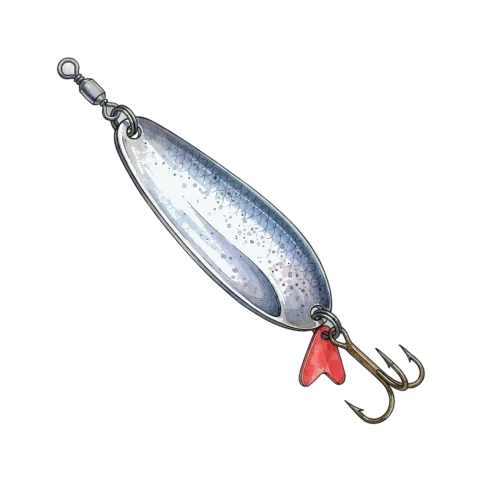
Anglers target this slender inshore predator by working shallow bays, estuary mouths, jetties, and weed beds where schooling baitfish congregate. Because these fish often lurk within or just above seagrass fronds during daylight and move toward the surface or edges during evening hours, matching the light conditions is essential for success. Casting sleek metal spoons, slim minnow plugs, or soft plastics with an erratic retrieve triggers aggressive strikes from roaming packs. Alternatively, suspending natural fish strips or small whole baits beneath a sliding float near weed edges works effectively when fish hold deeper or refuse artificial presentations. Care must be taken when handling captured specimens due to their exceptionally sharp teeth and delicate jaw structures.
Other names for Arrow barracuda
Local and alternate names anglers use for Arrow barracuda.
-
Short-fin pike
-
Short-finned pike
-
Arrow barracuda
-
Shortfin pike
-
Snook
-
Striped barracuda
-
Pike
-
Short-finned sea-pike
-
Australian barracuda
-
Australian sea pike
-
Short-finned sea pike
-
Short-finned seapike
-
Sea pike
-
Short-finned seaspike
-
Seapike
-
Shortfin barracuda
-
Yellowtail
Best equipment to catch Arrow barracuda
Compare fishing methods for Arrow barracuda — sized kit for each technique.
Note: Typical fish is 1 kg Our algorithm will suggest the best equipment for you based on this weight.
Spinning
Casting and retrieving lures with a spinning rod and reel.
85% Effectiveness

Rod
Spinning rod
A spinning rod is a fishing rod built to carry a spinning reel under the blank. You cast lures and light baits with it from shore or a boat.
Sized for a typical fish
light · 2.1 m
- Reel seat
- Spinning
- Form factor
- Multi-piece
- Action
- Fast
- Grip
- EVA

Reel
Spinning reel
A spinning reel hangs under the fishing rod and is the default reel for casting lures and light baits. Line peels off an open spool with a bail.
Sized for a typical fish
1000 · 3 kg drag · 185 g
- Spool
- Fixed
- Mount
- Under
- Drag
- Front
- Retrieve
- Manual

Line
Braided line
Braided fishing line is the thin, no-stretch main for long casts, jigging, and feeling every tick on the retrieve.
Sized for a typical fish
6 kg · 0.1 mm
- Visibility
- High
- Abrasion
- Low
- Stretch
- None
- Sink rate
- Floats

Leader
Fluorocarbon leader
A fluorocarbon leader is the clear, fast-sinking join between a visible main line and the lure or hook.
Sized for a typical fish
7 kg · 0.3 mm · 90 cm
- Visibility
- Very low
- Abrasion
- High
- Stretch
- Low
- Sink rate
- Fast
Float Fishing
Suspending bait beneath a float at a controlled depth.
75% Effectiveness
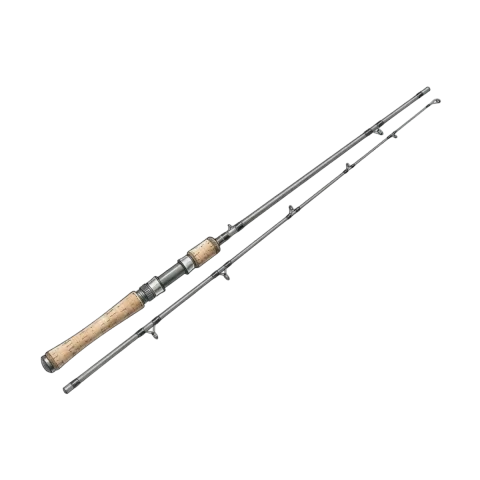
Rod
Float rod
A float rod is the all-round fishing rod for a float in rivers and still water, a step down in length from match.
Sized for a typical fish
light · 3.6 m
- Reel seat
- Spinning
- Form factor
- Multi-piece
- Action
- Moderate
- Grip
- Cork
Reel
Spinning reel
A spinning reel hangs under the fishing rod and is the default reel for casting lures and light baits. Line peels off an open spool with a bail.
Sized for a typical fish
1000 · 3 kg drag · 185 g
- Spool
- Fixed
- Mount
- Under
- Drag
- Front
- Retrieve
- Manual

Line
Monofilament line
Monofilament fishing line is the everyday main line: easy to knot, cheap to replace, and stretchy enough to forgive a hard strike.
Sized for a typical fish
3.6 kg · 0.2 mm
- Visibility
- Medium
- Abrasion
- Medium
- Stretch
- High
- Sink rate
- Slow
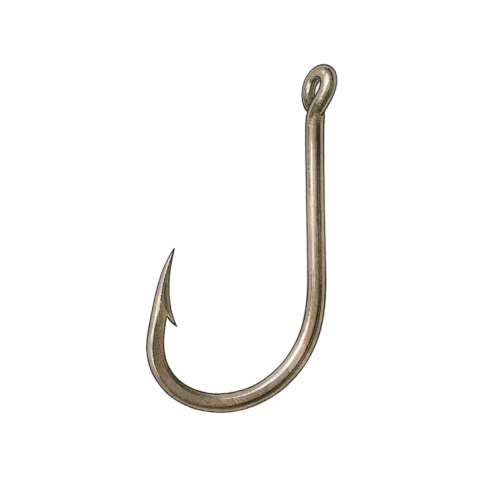
Hook
J-hook
A J-hook is the classic J-bend fishing hook for bait. You set it with a strike. Sizes are tokens such as 12 or 1/0.
Sized for a typical fish
8
- Points
- 1
- Offset
- No
- Barbed
- Yes
- Gap
- Standard
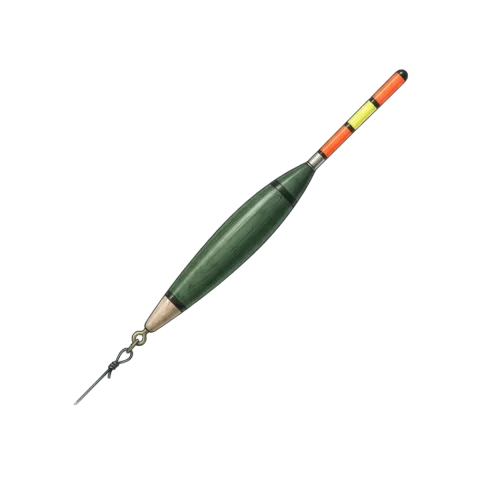
Float
Waggler
A waggler is a bottom-only attachment float for stillwaters and slow rivers. You shot it down and watch the antenna.
Sized for a typical fish
4 g
- Attachment
- Fixed
- Habitats
- Freshwater
- Methods
- Float Fishing
Best lures and baits for Arrow barracuda
Ranked lures and natural baits from every method, best first.
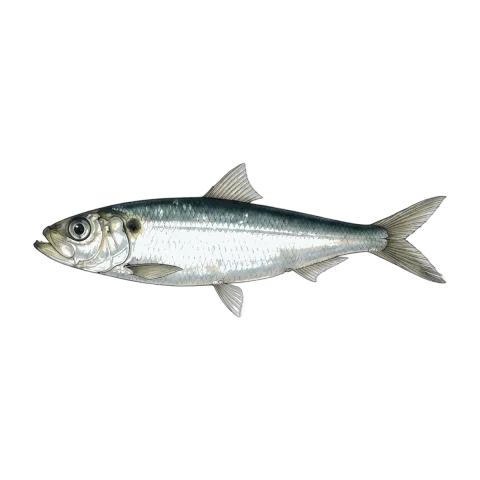
01
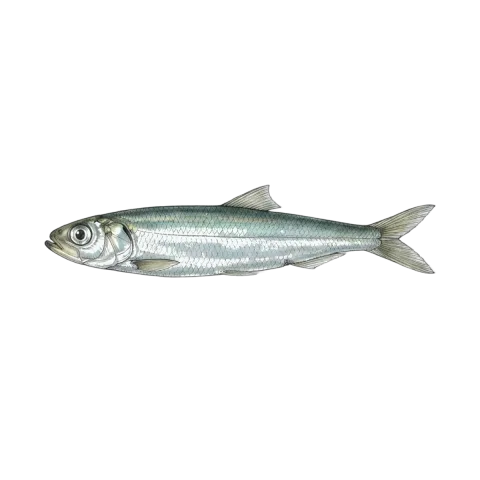
Sardine
- Spinning
- Float Fishing
Elongated silvery baitfish body releases strong scent trails.
02
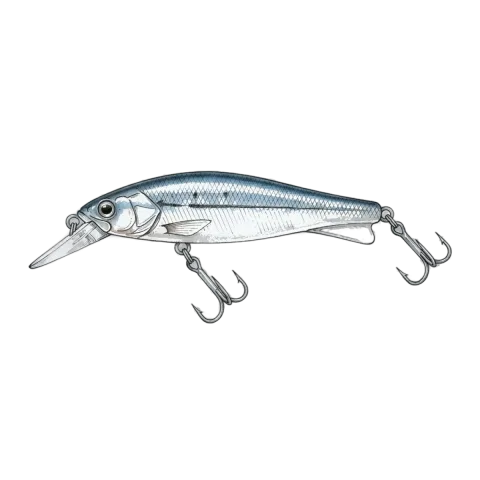
Anchovy
- Spinning
- Float Fishing
Elongated fish profile attractive for trolling and drift fishing.
04
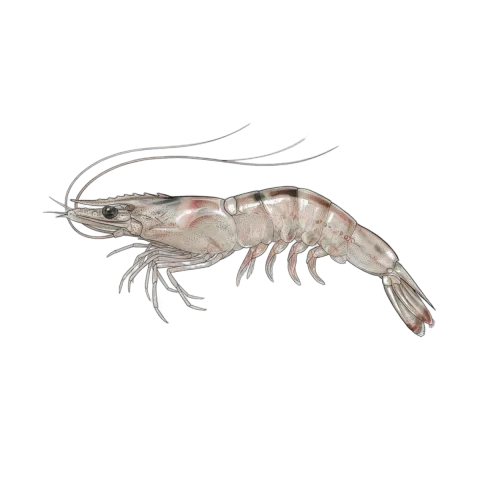
Prawn
- Spinning
Powerful fan-shaped tail propels the prawn backward when escaping predatory fish.
05
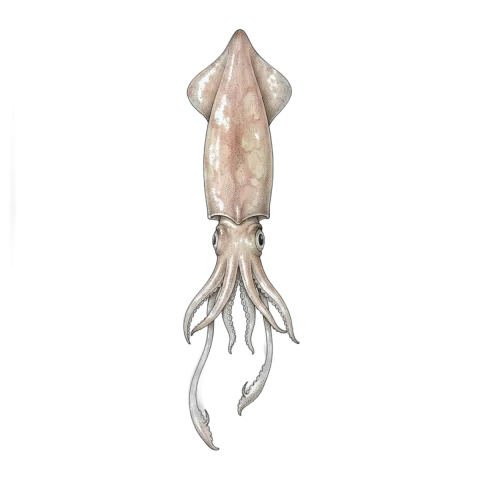
Squid
- Spinning
Elongated muscular body holds internal organs and secretes scent in the water.
07
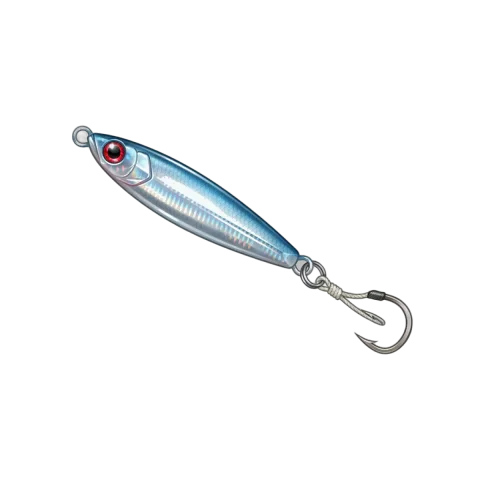
Metal jig
- Spinning
A long metal lure for speed-jigging the deep column.
08
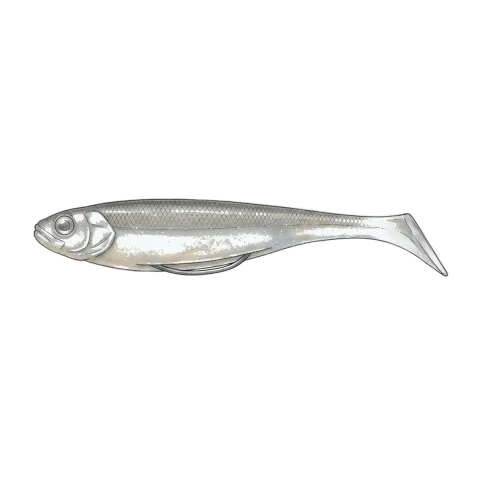
Soft jerkbait
- Spinning
A soft baitfish you twitch and kill like a jerkbait.
How Arrow barracuda migrates — Inshore–offshore
Shifts between shallow inshore water and deeper offshore grounds with the season.
1 Warm months
Inshore
Stay close inshore through the warm months.
2 Cold months
Offshore
Move offshore into deeper water as it cools.
Hover or tap a number to read each stage.
Diet and behavior of Arrow barracuda
-
Diet
Top predator -
Feeds by
Hunts animals -
Hunts
Dawn · Dusk -
Feeds over
Seagrass -
Main prey
Baitfish
Prey and predators of Arrow barracuda
Prey is what Arrow barracuda eats. Predators are the animals that eat it.
That is how it feeds, and how it is hunted.
Prey
What it eats
Baitfish
Where Arrow barracuda lives
Pelagic over the continental shelf — coastal open water, not the deep ocean.
0–50 m

Where this species lives
Arrow barracuda photos for identification
Compare these photos with the catalog plate to identify the species.