How to catch Axillary wrasse
Symphodus mediterraneus (Linnaeus, 1758)
About Axillary wrasse fishing
The axillary wrasse is a vibrant marine fish belonging to the family Labridae, easily recognised by its fusiform body and striking coloration that varies between males and females. Typically reaching a common length of twelve centimetres with a maximum standard length of eighteen centimetres, this demersal species inhabits shallow coastal saltwaters down to fifty metres. It is found predominantly among dense eelgrass beds and rocky reefs across the Mediterranean Sea and parts of the eastern Atlantic. Operating primarily as a diurnal hunter, it feeds heavily on benthic invertebrates including molluscs, gastropods, bivalves, and sea urchins. Although harvested in small-scale subsistence fisheries, it is increasingly valued by light tackle anglers for its spirited fight and stunning appearance.
-
Difficulty
Medium
-
Average size
12 cm SL
-
Market value
Very high
-
Habitat
Saltwater
-
Season
Spring, Summer, Autumn

Opercular spot
Distinct black spot on the upper operculum edge identifies this wrasse.
Peduncle spot
Dark spot on the caudal peduncle helps distinguish this species.
Blue cheek stripes
Bright blue horizontal facial stripes mark the head pattern.
Axillary wrasse fishing facts
Characteristics
-
Typical size
12 cm SL (max 18 cm SL ) -
Typical weight
0.2 kg (max 0.1 kg ) -
Preferred temperature
16.2–21 °C -
Depth
1–50 m -
Longevity
8 years -
Body shape
Fusiform / Normal -
Commercial?
-
Vulnerability score
22.5
Best hours
-
Low
Dawn
First light
-
Peak
Morning
After sunrise
-
Active
Midday
High sun
-
Peak
Afternoon
Late day
-
Low
Dusk
Last light
-
Low
Night
After dark
When to fish for Axillary wrasse
How to catch Axillary wrasse
Tips for catching Axillary wrasse
To target axillary wrasse successfully, focus your efforts around shallow rocky structures and seagrass beds where these fish forage for small bottom-dwelling prey. Light tackle setups such as light rock fishing rods paired with fine lines yield the best presentation when legering or float fishing close to the seabed. Equip your terminal tackle with small natural offerings like marine worms or tiny pieces of shrimp, ensuring the bait stays right on the substrate to mimic their natural diet of molluscs and crustaceans. Calm daylight hours, particularly through the warm spring and summer months, offer peak activity levels when these colourful wrasse actively feed among the weeds.
Other names for Axillary wrasse
Local and alternate names anglers use for Axillary wrasse.
-
Axillary wrasse
Best equipment to catch Axillary wrasse
Compare fishing methods for Axillary wrasse — sized kit for each technique.
Note: Typical fish is 0.2 kg Our algorithm will suggest the best equipment for you based on this weight.
Bottom Fishing
Presenting bait or rigs on or near the lake or sea floor.
85% Effectiveness

Rod
Spinning rod
A spinning rod is a fishing rod built to carry a spinning reel under the blank. You cast lures and light baits with it from shore or a boat.
Sized for a typical fish
ultralight · 1.8 m
- Reel seat
- Spinning
- Form factor
- Multi-piece
- Action
- Fast
- Grip
- EVA

Reel
Spinning reel
A spinning reel hangs under the fishing rod and is the default reel for casting lures and light baits. Line peels off an open spool with a bail.
Sized for a typical fish
1000 · 3 kg drag · 185 g
- Spool
- Fixed
- Mount
- Under
- Drag
- Front
- Retrieve
- Manual

Line
Monofilament line
Monofilament fishing line is the everyday main line: easy to knot, cheap to replace, and stretchy enough to forgive a hard strike.
Sized for a typical fish
1.3 kg · 0.125 mm
- Visibility
- Medium
- Abrasion
- Medium
- Stretch
- High
- Sink rate
- Slow

Leader
Fluorocarbon leader
A fluorocarbon leader is the clear, fast-sinking join between a visible main line and the lure or hook.
Sized for a typical fish
4 kg · 0.2 mm · 80 cm
- Visibility
- Very low
- Abrasion
- High
- Stretch
- Low
- Sink rate
- Fast

Hook
Circle hook
A circle hook turns in the mouth and usually finds the corner of the jaw. You do not strike hard — you come tight. It includes freshwater.
Sized for a typical fish
4
- Points
- 1
- Offset
- No
- Barbed
- Yes
- Gap
- Standard
Float Fishing
Suspending bait beneath a float at a controlled depth.
70% Effectiveness
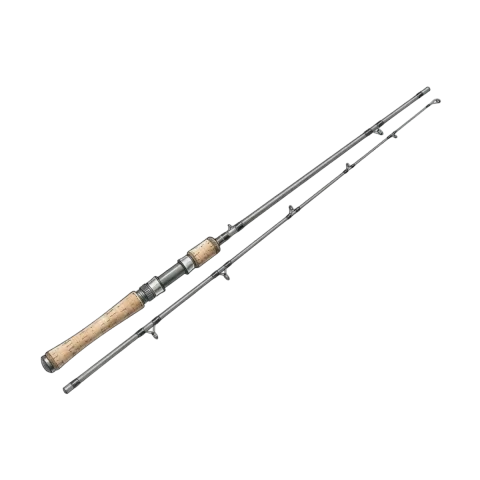
Rod
Float rod
A float rod is the all-round fishing rod for a float in rivers and still water, a step down in length from match.
Sized for a typical fish
light · 3.6 m
- Reel seat
- Spinning
- Form factor
- Multi-piece
- Action
- Moderate
- Grip
- Cork
Reel
Spinning reel
A spinning reel hangs under the fishing rod and is the default reel for casting lures and light baits. Line peels off an open spool with a bail.
Sized for a typical fish
1000 · 3 kg drag · 185 g
- Spool
- Fixed
- Mount
- Under
- Drag
- Front
- Retrieve
- Manual
Line
Monofilament line
Monofilament fishing line is the everyday main line: easy to knot, cheap to replace, and stretchy enough to forgive a hard strike.
Sized for a typical fish
1.3 kg · 0.125 mm
- Visibility
- Medium
- Abrasion
- Medium
- Stretch
- High
- Sink rate
- Slow
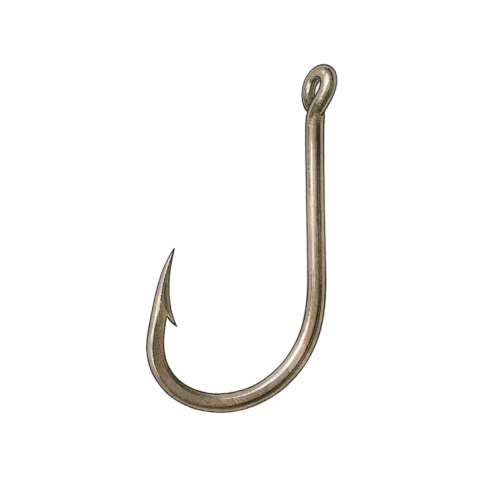
Hook
J-hook
A J-hook is the classic J-bend fishing hook for bait. You set it with a strike. Sizes are tokens such as 12 or 1/0.
Sized for a typical fish
12
- Points
- 1
- Offset
- No
- Barbed
- Yes
- Gap
- Standard
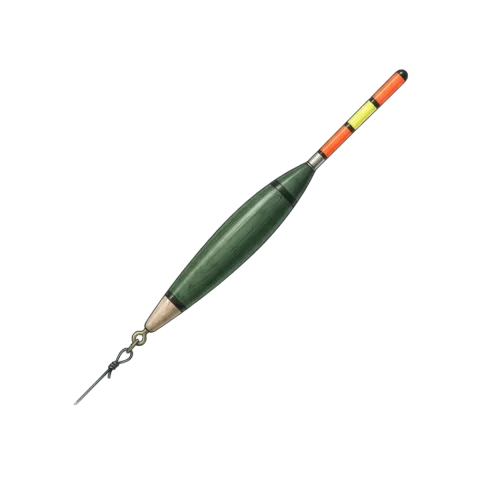
Float
Waggler
A waggler is a bottom-only attachment float for stillwaters and slow rivers. You shot it down and watch the antenna.
Sized for a typical fish
4 g
- Attachment
- Fixed
- Habitats
- Freshwater
- Methods
- Float Fishing
Spinning
Casting and retrieving lures with a spinning rod and reel.
40% Effectiveness
Rod
Spinning rod
A spinning rod is a fishing rod built to carry a spinning reel under the blank. You cast lures and light baits with it from shore or a boat.
Sized for a typical fish
ultralight · 1.8 m
- Reel seat
- Spinning
- Form factor
- Multi-piece
- Action
- Fast
- Grip
- EVA
Reel
Spinning reel
A spinning reel hangs under the fishing rod and is the default reel for casting lures and light baits. Line peels off an open spool with a bail.
Sized for a typical fish
1000 · 3 kg drag · 185 g
- Spool
- Fixed
- Mount
- Under
- Drag
- Front
- Retrieve
- Manual

Line
Braided line
Braided fishing line is the thin, no-stretch main for long casts, jigging, and feeling every tick on the retrieve.
Sized for a typical fish
6 kg · 0.1 mm
- Visibility
- High
- Abrasion
- Low
- Stretch
- None
- Sink rate
- Floats
Leader
Fluorocarbon leader
A fluorocarbon leader is the clear, fast-sinking join between a visible main line and the lure or hook.
Sized for a typical fish
7 kg · 0.3 mm · 90 cm
- Visibility
- Very low
- Abrasion
- High
- Stretch
- Low
- Sink rate
- Fast
Best lures and baits for Axillary wrasse
Ranked lures and natural baits from every method, best first.
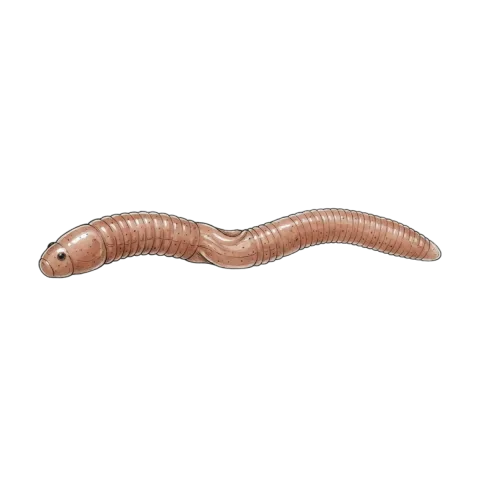
01
Worm
- Bottom Fishing
- Float Fishing
Rounded anterior end containing the mouth used for anchoring the bait on the hook.
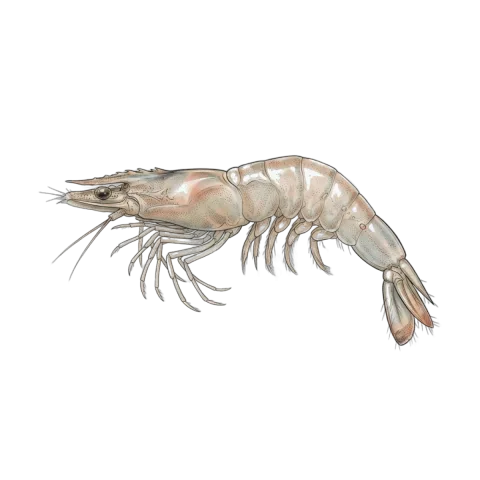
02
Shrimp
- Bottom Fishing
Translucent segmented carapace protects the body.
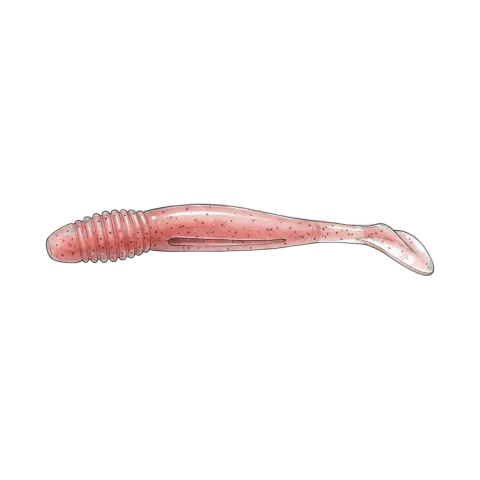
03
Soft worm
- Spinning
A long soft worm for Texas, wacky, and ned-style spinning.
Where Axillary wrasse spends the year — Non-migratory
Stays in the same waters year-round. Look for it on the same grounds rather than timing a run.
1 Eggs
Same water all year
Laid on the home grounds.
2 Juveniles
Same water all year
Grow up close by.
3 Adults
Same water all year
Keep to a small home range.
4 Spawners
Same water all year
Spawn on the same grounds, with only short moves.
Hover or tap a number to read each stage.
Diet and behavior of Axillary wrasse
-
Diet
Carnivore -
Feeds by
Hunts animals -
Hunts
Morning · Afternoon -
Feeds over
Seagrass
Prey and predators of Axillary wrasse
Prey is what Axillary wrasse eats. Predators are the animals that eat it.
That is how it feeds, and how it is hunted.
Prey
What it eats
Other prey
Predators
What hunts it
Fish
Where Axillary wrasse lives
Lives on or just above the bottom. Work jigs, bait, and lures along the seabed.
1–50 m

Where this species lives
Axillary wrasse photos for identification
Compare these photos with the catalog plate to identify the species.