How to catch European plaice
Pleuronectes platessa Linnaeus, 1758
About European plaice fishing
The European plaice is a prominent marine flatfish belonging to the family Pleuronectidae, easily distinguished by its oval, compressed body and smooth skin featuring a dark brownish-green background peppered with striking, irregularly placed orange spots. Both eyes reside on the right side of the head, complemented by a small terminal mouth and a characteristic bony ridge behind the eyes. Growing up to a maximum length of one hundred centimetres and reaching an ultimate weight of seven kilograms, this demersal species inhabits coastal waters down to two hundred metres over soft sandy and muddy bottoms. As an oceanodromous fish, adults generally reside in deeper offshore zones while juveniles nursery in shallow intertidal estuaries and bathing beaches, burying themselves by day and actively foraging at night for thin-shelled molluscs and polychaetes.
-
Difficulty
Medium
-
Average size
40 cm TL
-
Market value
Medium
-
Habitat
Brackish, Saltwater
-
Season
Spring, Summer, Autumn
-
Also known as
Flatfish, Fluke, Hen fish, Plaice, Plaice-fluke

Orange spots
Distinct orange spots scattered across the body distinguish this flatfish species.
Flatfish body
Asymmetrical flatfish body with both eyes on one side identifies the plaice.
European plaice fishing facts
Characteristics
-
Typical size
40 cm TL (max 100 cm SL ) -
Typical weight
0.6 kg (max 7 kg ) -
Preferred temperature
6.8–12.4 °C -
Depth
0–200 m -
Longevity
50 years -
Body shape
Short And / Or Deep -
Commercial?
-
Vulnerability score
71.1
Best hours
-
Active
Dawn
First light
-
Low
Morning
After sunrise
-
Low
Midday
High sun
-
Low
Afternoon
Late day
-
Peak
Dusk
Last light
-
Peak
Night
After dark
When to fish for European plaice
How to catch European plaice
Tips for catching European plaice
Targeting European plaice successfully requires presenting bottom rigs equipped with natural baits onto sandy or mixed fine-sediment bottoms where these flatfish lie buried during daylight hours. Since they hunt primarily by scent and motion during low-light periods or at night, employing sliding ledger rigs baited with fresh lugworms, sandworms, or strips of razor shell proves highly effective. Surfcasting from shallow sandy beaches during rising tides often brings rewarding sport as the fish move into the very shallows to feed on exposed macrofauna. Keep your tackle sensitive with light ledger tips to detect the subtle taps characteristic of a flatfish picking up a bait, and allow the fish a brief moment to take the hook before striking.
Other names for European plaice
Local and alternate names anglers use for European plaice.
-
European plaice
-
Plaice-fluke
-
Plaice
-
Hen fish
-
Fluke
-
Flatfish
Best equipment to catch European plaice
Compare fishing methods for European plaice — sized kit for each technique.
Note: Typical fish is 0.6 kg Our algorithm will suggest the best equipment for you based on this weight.
Bottom Fishing
Presenting bait or rigs on or near the lake or sea floor.
90% Effectiveness

Rod
Spinning rod
A spinning rod is a fishing rod built to carry a spinning reel under the blank. You cast lures and light baits with it from shore or a boat.
Sized for a typical fish
light · 2.1 m
- Reel seat
- Spinning
- Form factor
- Multi-piece
- Action
- Fast
- Grip
- EVA

Reel
Spinning reel
A spinning reel hangs under the fishing rod and is the default reel for casting lures and light baits. Line peels off an open spool with a bail.
Sized for a typical fish
1000 · 3 kg drag · 185 g
- Spool
- Fixed
- Mount
- Under
- Drag
- Front
- Retrieve
- Manual

Line
Monofilament line
Monofilament fishing line is the everyday main line: easy to knot, cheap to replace, and stretchy enough to forgive a hard strike.
Sized for a typical fish
2.5 kg · 0.16 mm
- Visibility
- Medium
- Abrasion
- Medium
- Stretch
- High
- Sink rate
- Slow

Leader
Fluorocarbon leader
A fluorocarbon leader is the clear, fast-sinking join between a visible main line and the lure or hook.
Sized for a typical fish
4 kg · 0.2 mm · 80 cm
- Visibility
- Very low
- Abrasion
- High
- Stretch
- Low
- Sink rate
- Fast

Hook
Circle hook
A circle hook turns in the mouth and usually finds the corner of the jaw. You do not strike hard — you come tight. It includes freshwater.
Sized for a typical fish
4
- Points
- 1
- Offset
- No
- Barbed
- Yes
- Gap
- Standard
Surfcasting
Long-range bait or lure casting from an open beach or surf.
85% Effectiveness
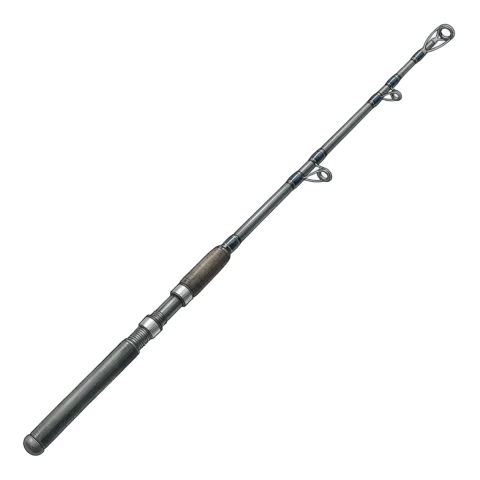
Rod
Surfcasting rod
A surfcasting rod is the long beach fishing rod for punching bait past the breakers. Length and a moderate-fast action load for distance.
Sized for a typical fish
medium-heavy · 3.6 m
- Reel seat
- Spinning
- Form factor
- Multi-piece
- Action
- Moderate-fast
- Grip
- EVA
Reel
Spinning reel
A spinning reel hangs under the fishing rod and is the default reel for casting lures and light baits. Line peels off an open spool with a bail.
Sized for a typical fish
1000 · 3 kg drag · 185 g
- Spool
- Fixed
- Mount
- Under
- Drag
- Front
- Retrieve
- Manual

Line
Braided line
Braided fishing line is the thin, no-stretch main for long casts, jigging, and feeling every tick on the retrieve.
Sized for a typical fish
6 kg · 0.1 mm
- Visibility
- High
- Abrasion
- Low
- Stretch
- None
- Sink rate
- Floats
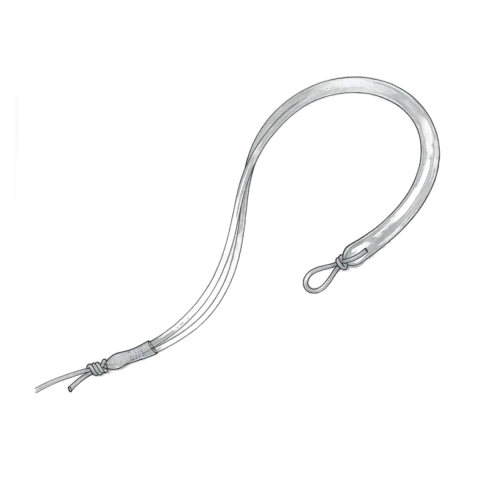
Leader
Shock leader
A shock leader is a thick mono or tapered section that takes the cast. Carp shock is heavy (around 0.65 to 0.75 mm), not thin fluorocarbon.
Sized for a typical fish
22.5 kg · 0.65 mm · 900 cm
- Visibility
- Medium
- Abrasion
- High
- Stretch
- High
- Sink rate
- Slow
Drift Fishing
Presenting bait or lures from a boat moving with wind or current, not under trolling speed.
70% Effectiveness
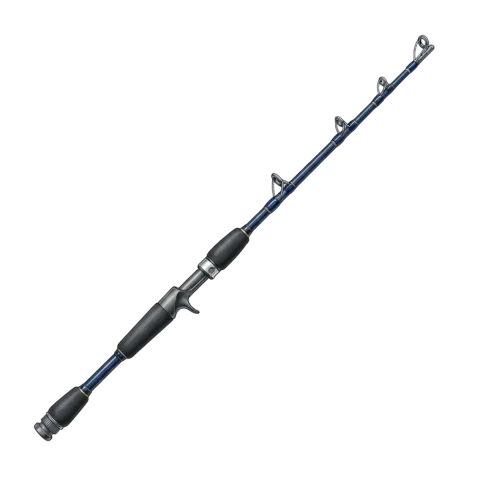
Rod
Boat rod
A boat rod is the short, stout fishing rod for work under the hull: bottom fishing, trolling, drift, and live bait in fresh or salt.
Sized for a typical fish
light · 1.68 m
- Reel seat
- Casting
- Form factor
- One-piece
- Action
- Moderate-fast
- Grip
- EVA
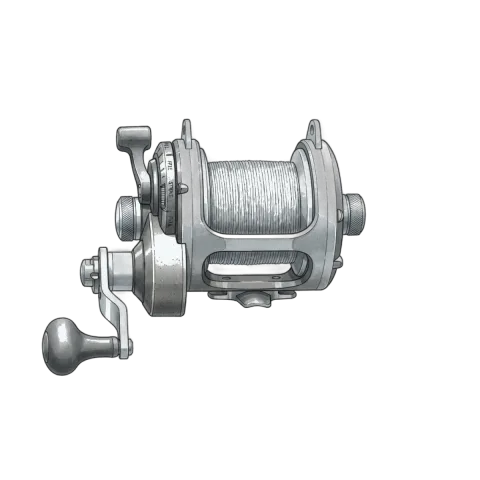
Reel
Conventional reel
A conventional reel is the lever-drag boat fishing reel for trolling and bottom fishing.
Sized for a typical fish
10 · 4 kg drag
- Spool
- Revolving
- Mount
- Over
- Drag
- Lever
- Retrieve
- Manual
Line
Braided line
Braided fishing line is the thin, no-stretch main for long casts, jigging, and feeling every tick on the retrieve.
Sized for a typical fish
6 kg · 0.1 mm
- Visibility
- High
- Abrasion
- Low
- Stretch
- None
- Sink rate
- Floats
Hook
Circle hook
A circle hook turns in the mouth and usually finds the corner of the jaw. You do not strike hard — you come tight. It includes freshwater.
Sized for a typical fish
4
- Points
- 1
- Offset
- No
- Barbed
- Yes
- Gap
- Standard
Best lures and baits for European plaice
Ranked lures and natural baits from every method, best first.
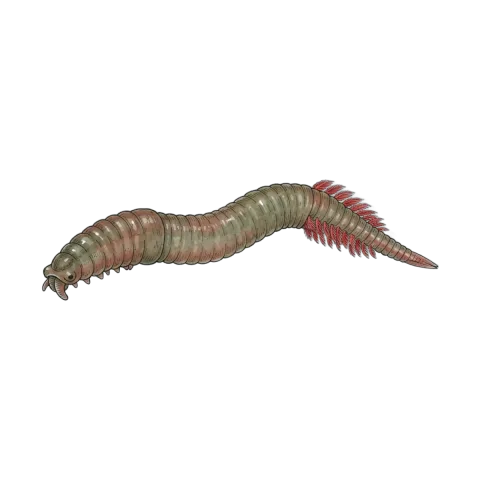
01
Lugworm
- Bottom Fishing
- Surfcasting
- Drift Fishing
Fleshy, segmented body provides substantial scent and natural appeal for bottom fish.
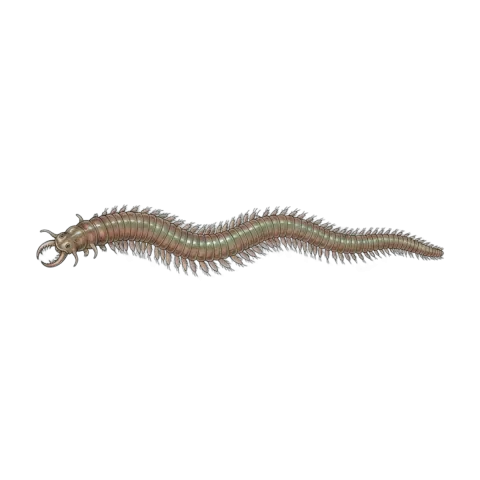
02
Sandworm
- Bottom Fishing
Distinct head region features prominent jaws used for live baiting presentations.
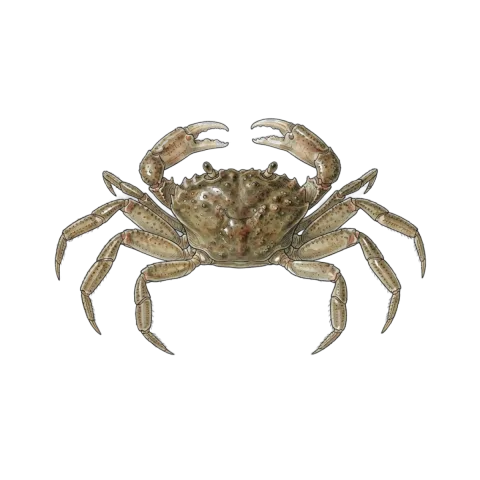
03
Crab
- Bottom Fishing
Hard upper shell protects the crab and anchors its vital organs.
How European plaice migrates — Oceanodromous
Migrates within the sea between spawning, nursery and feeding grounds, and never enters fresh water. Follow its seasonal shifts along the coast and offshore.
1 Eggs
Spawning grounds
Laid on the spawning grounds.
2 Larvae
→ Nursery grounds
Drift with the currents to the nursery grounds.
3 Juveniles
Nursery grounds
Grow up in sheltered nursery waters.
4 Adults
Feeding grounds
Range widely over the feeding grounds.
5 Spawners
→ Spawning grounds
Return to the spawning grounds each season.
It stays in the sea and never runs up into fresh water.
Hover or tap a number to read each stage.
Diet and behavior of European plaice
-
Diet
Carnivore -
Feeds by
Hunts animals -
Hunts
Dusk · Night -
Feeds over
Soft bottom · Intertidal -
Main prey
Baitfish
Prey and predators of European plaice
Prey is what European plaice eats. Predators are the animals that eat it.
That is how it feeds, and how it is hunted.
Prey
What it eats
Predators
What hunts it
Where European plaice lives
Lives on or just above the bottom. Work jigs, bait, and lures along the seabed.
0–200 m · usually 10–50 m

Estuary
Where this species lives
European plaice photos for identification
Compare these photos with the catalog plate to identify the species.
Where to fish for European plaice
Mapped fishing spots where European plaice is recorded — open a pin for access and methods.


