How to catch Flathead grey mullet
Mugil cephalus Linnaeus, 1758
About Flathead grey mullet fishing
The flathead grey mullet is a robust, torpedo-shaped fish belonging to the family Mugilidae, easily recognised by its broad, flattened head and distinct adipose eyelid covering part of the eye. Its back displays an olive-green shade, transitioning to bright silvery sides marked with faint horizontal stripes and a white belly. Growing up to one hundred centimetres in maximum length, this euryhaline species thrives across marine, brackish, and freshwater environments, frequently inhabiting shallow coastal waters, estuaries, lagoons, and river mouths over sand or mud bottoms. They are primarily diurnal schooling fish that feed on detritus, microalgae, and benthic organisms, undertaking seasonal migrations offshore to spawn. Anglers highly regard them as a formidable sporting challenge due to their cautious feeding behaviour and strong stamina when hooked.
-
Difficulty
Medium
-
Average size
50 cm SL
-
Market value
Very high
-
Habitat
Freshwater, Brackish, Saltwater
-
Season
Spring, Summer, Autumn
-
Also known as
Black mullet, Black true mullet, Bright mullet, Bully, Bully mullet, Callifaver mullet

Horizontal stripes
Distinct horizontal dark stripes run along the scale rows on the flanks.
Terminal mouth
Terminal mouth position helps distinguish this species from inferior-mouthed mullet relatives.
Forked caudal fin
Moderately forked caudal fin shape assists in identifying this schooling coastal fish.
Flathead grey mullet fishing facts
Characteristics
-
Typical size
50 cm SL (max 100 cm SL ) -
Typical weight
1.2 kg (max 9.1 kg ) -
Preferred temperature
11.3–27.9 °C -
Depth
43 m -
Longevity
16 years -
Body shape
Fusiform / Normal -
Commercial?
-
Vulnerability score
42.8
Best hours
-
Low
Dawn
First light
-
Peak
Morning
After sunrise
-
Active
Midday
High sun
-
Peak
Afternoon
Late day
-
Low
Dusk
Last light
-
Low
Night
After dark
When to fish for Flathead grey mullet
How to catch Flathead grey mullet
Tips for catching Flathead grey mullet
Succeeding with wary grey mullet requires extreme stealth, light tackle, and meticulous presentation, as these fish often ignore traditional offerings. Anglers should use fine fluorocarbon lines, small sharp hooks, and delicate float or feeder setups. Regular berleying with bread mash or groundbait is essential to stimulate confidence and draw schools into a feeding frenzy. Presenting soft bread flake or small marine worms directly over the baited area usually produces the best results. Target harbours, estuaries, and sheltered coastal structure during daylight hours, paying close attention to rising tides when fish move inshore to browse.
Other names for Flathead grey mullet
Local and alternate names anglers use for Flathead grey mullet.
-
Common mullet
-
Common grey mullet
-
Flathead grey mullet
-
Callifaver mullet
-
Bully mullet
-
Bully
-
Bright mullet
-
Black true mullet
-
Sea mullet
-
Sand mullet
-
Striped mullet
-
Grey mullet
-
Mullet
-
Longaram mullet
-
Mangrove mullet
-
Hardgut mullet
-
Poddy mullet
-
Stripped mullet
Best equipment to catch Flathead grey mullet
Compare fishing methods for Flathead grey mullet — sized kit for each technique.
Note: Typical fish is 1.2 kg Our algorithm will suggest the best equipment for you based on this weight.
Float Fishing
Suspending bait beneath a float at a controlled depth.
90% Effectiveness

Rod
Float rod
A float rod is the all-round fishing rod for a float in rivers and still water, a step down in length from match.
Sized for a typical fish
light · 3.6 m
- Reel seat
- Spinning
- Form factor
- Multi-piece
- Action
- Moderate
- Grip
- Cork

Reel
Spinning reel
A spinning reel hangs under the fishing rod and is the default reel for casting lures and light baits. Line peels off an open spool with a bail.
Sized for a typical fish
1000 · 3 kg drag · 185 g
- Spool
- Fixed
- Mount
- Under
- Drag
- Front
- Retrieve
- Manual

Line
Monofilament line
Monofilament fishing line is the everyday main line: easy to knot, cheap to replace, and stretchy enough to forgive a hard strike.
Sized for a typical fish
3.6 kg · 0.2 mm
- Visibility
- Medium
- Abrasion
- Medium
- Stretch
- High
- Sink rate
- Slow

Hook
J-hook
A J-hook is the classic J-bend fishing hook for bait. You set it with a strike. Sizes are tokens such as 12 or 1/0.
Sized for a typical fish
4
- Points
- 1
- Offset
- No
- Barbed
- Yes
- Gap
- Standard

Float
Waggler
A waggler is a bottom-only attachment float for stillwaters and slow rivers. You shot it down and watch the antenna.
Sized for a typical fish
4 g
- Attachment
- Fixed
- Habitats
- Freshwater
- Methods
- Float Fishing
Bottom Fishing
Presenting bait or rigs on or near the lake or sea floor.
70% Effectiveness

Rod
Spinning rod
A spinning rod is a fishing rod built to carry a spinning reel under the blank. You cast lures and light baits with it from shore or a boat.
Sized for a typical fish
medium-light · 2.13 m
- Reel seat
- Spinning
- Form factor
- Multi-piece
- Action
- Fast
- Grip
- EVA
Reel
Spinning reel
A spinning reel hangs under the fishing rod and is the default reel for casting lures and light baits. Line peels off an open spool with a bail.
Sized for a typical fish
1000 · 3 kg drag · 185 g
- Spool
- Fixed
- Mount
- Under
- Drag
- Front
- Retrieve
- Manual
Line
Monofilament line
Monofilament fishing line is the everyday main line: easy to knot, cheap to replace, and stretchy enough to forgive a hard strike.
Sized for a typical fish
3.6 kg · 0.2 mm
- Visibility
- Medium
- Abrasion
- Medium
- Stretch
- High
- Sink rate
- Slow

Leader
Fluorocarbon leader
A fluorocarbon leader is the clear, fast-sinking join between a visible main line and the lure or hook.
Sized for a typical fish
4 kg · 0.2 mm · 80 cm
- Visibility
- Very low
- Abrasion
- High
- Stretch
- Low
- Sink rate
- Fast

Hook
Circle hook
A circle hook turns in the mouth and usually finds the corner of the jaw. You do not strike hard — you come tight. It includes freshwater.
Sized for a typical fish
2
- Points
- 1
- Offset
- No
- Barbed
- Yes
- Gap
- Standard
Feeder Fishing
Ledgering with a swimfeeder or method feeder and a quiver-tip rod.
60% Effectiveness
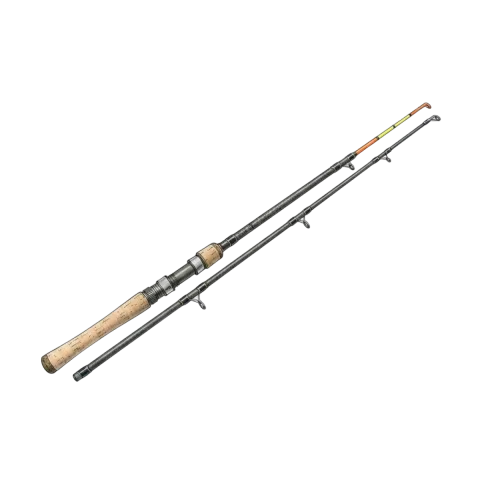
Rod
Feeder rod
A feeder rod is a long, quiver-tipped fishing rod for casting a feeder and watching the tip for bites.
Sized for a typical fish
medium · 3.3 m
- Reel seat
- Spinning
- Form factor
- Multi-piece
- Action
- Moderate
- Grip
- Cork
Reel
Spinning reel
A spinning reel hangs under the fishing rod and is the default reel for casting lures and light baits. Line peels off an open spool with a bail.
Sized for a typical fish
1000 · 3 kg drag · 185 g
- Spool
- Fixed
- Mount
- Under
- Drag
- Front
- Retrieve
- Manual
Line
Monofilament line
Monofilament fishing line is the everyday main line: easy to knot, cheap to replace, and stretchy enough to forgive a hard strike.
Sized for a typical fish
3.6 kg · 0.2 mm
- Visibility
- Medium
- Abrasion
- Medium
- Stretch
- High
- Sink rate
- Slow
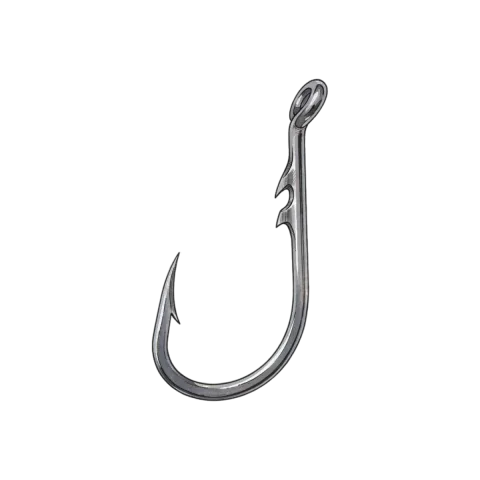
Hook
Baitholder hook
A baitholder hook has barbs on the shank to stop a worm or piece of bait sliding down. Classic float and feeder hook.
Sized for a typical fish
4
- Points
- 1
- Offset
- No
- Barbed
- Yes
- Gap
- Standard
Spinning
Casting and retrieving lures with a spinning rod and reel.
40% Effectiveness
Rod
Spinning rod
A spinning rod is a fishing rod built to carry a spinning reel under the blank. You cast lures and light baits with it from shore or a boat.
Sized for a typical fish
light · 2.1 m
- Reel seat
- Spinning
- Form factor
- Multi-piece
- Action
- Fast
- Grip
- EVA
Reel
Spinning reel
A spinning reel hangs under the fishing rod and is the default reel for casting lures and light baits. Line peels off an open spool with a bail.
Sized for a typical fish
1000 · 3 kg drag · 185 g
- Spool
- Fixed
- Mount
- Under
- Drag
- Front
- Retrieve
- Manual

Line
Braided line
Braided fishing line is the thin, no-stretch main for long casts, jigging, and feeling every tick on the retrieve.
Sized for a typical fish
6 kg · 0.1 mm
- Visibility
- High
- Abrasion
- Low
- Stretch
- None
- Sink rate
- Floats
Leader
Fluorocarbon leader
A fluorocarbon leader is the clear, fast-sinking join between a visible main line and the lure or hook.
Sized for a typical fish
7 kg · 0.3 mm · 90 cm
- Visibility
- Very low
- Abrasion
- High
- Stretch
- Low
- Sink rate
- Fast
Best lures and baits for Flathead grey mullet
Ranked lures and natural baits from every method, best first.
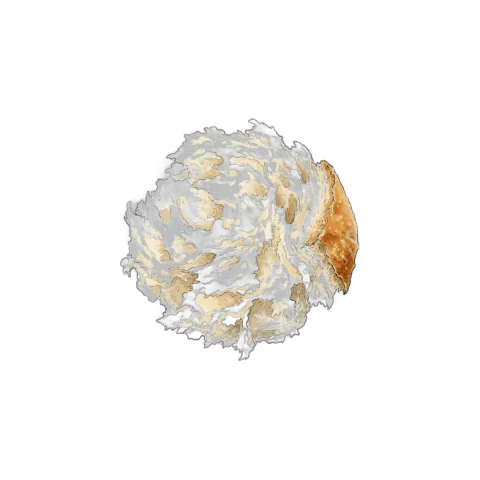
01
Bread
- Float Fishing
Soft inner bread compressed onto the hook for surface feeding.
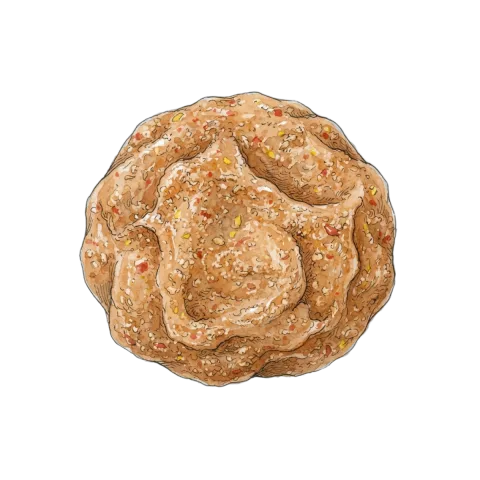
02
Dough bait
- Float Fishing
Molded round ball of prepared dough designed to stay on the hook.
03
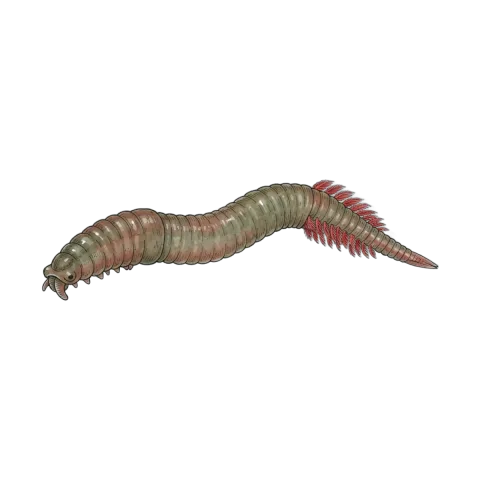
Lugworm
- Bottom Fishing
Fleshy, segmented body provides substantial scent and natural appeal for bottom fish.
04
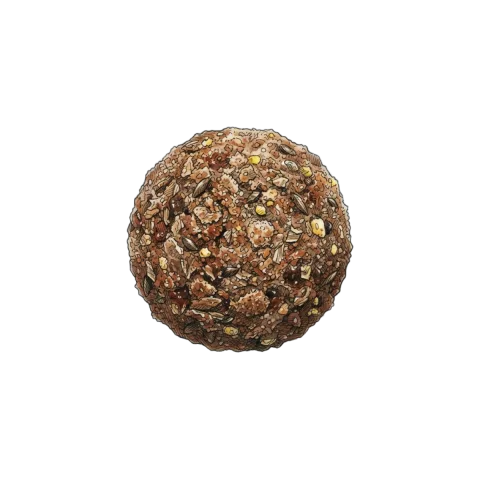
Groundbait
- Feeder Fishing
Compressed sphere of mixed feed designed to break down slowly on the bottom.
05
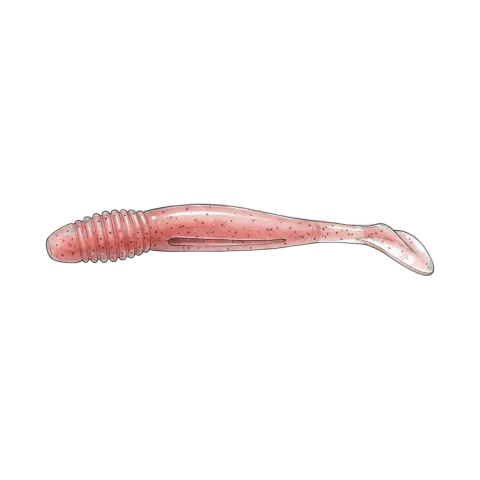
Soft worm
- Spinning
A long soft worm for Texas, wacky, and ned-style spinning.
How Flathead grey mullet migrates — Catadromous
Grows in fresh or brackish water and migrates to the sea to spawn. Estuaries and lower rivers fire when adults drop downstream.
1 Eggs
Sea
Spawned out at sea.
2 Larvae
→ Estuary
Drift with the currents towards the coast.
3 Juveniles
→ Fresh water
Enter estuaries, and many move on into fresh water.
4 Adults
Fresh water
Feed and grow in rivers, lakes and estuaries, often for years.
5 Spawners
→ Sea
Head downstream and out to sea to spawn.
Many only reach estuaries and the lower river; eels travel far inland.
Hover or tap a number to read each stage.
Diet and behavior of Flathead grey mullet
-
Diet
Omnivore -
Feeds by
Mixed feeder -
Hunts
Morning · Afternoon -
Feeds over
Soft bottom · Hard bottom · Intertidal · Coral reefs · Mangroves -
Main prey
Baitfish · Plankton -
Used as bait
Yes
Prey and predators of Flathead grey mullet
Prey is what Flathead grey mullet eats. Predators are the animals that eat it.
That is how it feeds, and how it is hunted.
Prey
What it eats
Predators
What hunts it
Where Flathead grey mullet lives
Lives near the bottom but swims in the water just above it. Cover the lower column, not only the mud.

River mouth
Where this species lives
Flathead grey mullet photos for identification
Compare these photos with the catalog plate to identify the species.
Where to fish for Flathead grey mullet
Mapped fishing spots where Flathead grey mullet is recorded — open a pin for access and methods.


