How to catch Giant kahawai
Arripis xylabion Paulin, 1993
About Giant kahawai fishing
Arripis xylabion, commonly known as the northern kahawai or giant kahawai, is a marine ray-finned fish belonging to the family Arripidae. It features a streamlined, elongate body with a deep bluish-green to deep-blue upper surface marked by irregular dark grey spots, shading to silvery white below, and possesses a remarkably long caudal fin exceeding the length of its head. Distributed across the southwestern Pacific Ocean around northern New Zealand, Lord Howe Island, Norfolk Island, and the Kermadec Islands, this pelagic species inhabits coastal waters over the continental shelf. It operates as an active, schooling carnivore that feeds extensively on small baitfish and crustaceans, making it a powerful and highly sought-after sport fish for recreational anglers.
-
Difficulty
Medium
-
Habitat
Saltwater
-
Season
Spring, Summer, Autumn, Winter
-
Also known as
Northern kahawai

Forked caudal fin
Deeply forked tail fin aids fast swimming in coastal waters.
Terminal mouth
Terminal mouth position indicates midwater feeding habits.
Convex forehead
Clearly convex forehead profile distinguishes this northern species.
Thoracic pelvics
Thoracic pelvic fins inserted right below pectoral base.
Giant kahawai fishing facts
Characteristics
-
Typical size
85 cm SL -
Typical weight
1.5 kg (max 6.1 kg ) -
Body shape
Fusiform / Normal -
Vulnerability score
53.2
Best hours
-
Peak
Dawn
First light
-
Active
Morning
After sunrise
-
Low
Midday
High sun
-
Active
Afternoon
Late day
-
Peak
Dusk
Last light
-
Low
Night
After dark
When to fish for Giant kahawai
How to catch Giant kahawai
Tips for catching Giant kahawai
Target northern kahawai by locating active surface schools crashing into small baitfish around rocky headlands, river mouths, and coastal wash zones where currents concentrate food. Early morning and late afternoon offer the prime windows for surface action, as these visual predators aggressively hunt when light levels drop. Cast metal spoons, weighted spinners, or streamers rapidly just beneath the surface to imitate fleeing baitfish, ensuring your retrieve matches the size of local forage. When fish are holding deeper or ignoring fast presentations, switch to a weighted soft bait or float-fished pillie strips presented near structured currents.
Other names for Giant kahawai
Local and alternate names anglers use for Giant kahawai.
-
Giant kahawai
-
Northern kahawai
Best equipment to catch Giant kahawai
Compare fishing methods for Giant kahawai — sized kit for each technique.
Note: Typical fish is 1.5 kg Our algorithm will suggest the best equipment for you based on this weight.
Spinning
Casting and retrieving lures with a spinning rod and reel.
90% Effectiveness

Rod
Spinning rod
A spinning rod is a fishing rod built to carry a spinning reel under the blank. You cast lures and light baits with it from shore or a boat.
Sized for a typical fish
medium · 2.13 m
- Reel seat
- Spinning
- Form factor
- Multi-piece
- Action
- Fast
- Grip
- EVA

Reel
Spinning reel
A spinning reel hangs under the fishing rod and is the default reel for casting lures and light baits. Line peels off an open spool with a bail.
Sized for a typical fish
1000 · 3 kg drag · 185 g
- Spool
- Fixed
- Mount
- Under
- Drag
- Front
- Retrieve
- Manual

Line
Braided line
Braided fishing line is the thin, no-stretch main for long casts, jigging, and feeling every tick on the retrieve.
Sized for a typical fish
6 kg · 0.1 mm
- Visibility
- High
- Abrasion
- Low
- Stretch
- None
- Sink rate
- Floats

Leader
Fluorocarbon leader
A fluorocarbon leader is the clear, fast-sinking join between a visible main line and the lure or hook.
Sized for a typical fish
7 kg · 0.3 mm · 90 cm
- Visibility
- Very low
- Abrasion
- High
- Stretch
- Low
- Sink rate
- Fast
Fly Fishing
Presenting artificial flies with a fly rod and weighted line.
80% Effectiveness
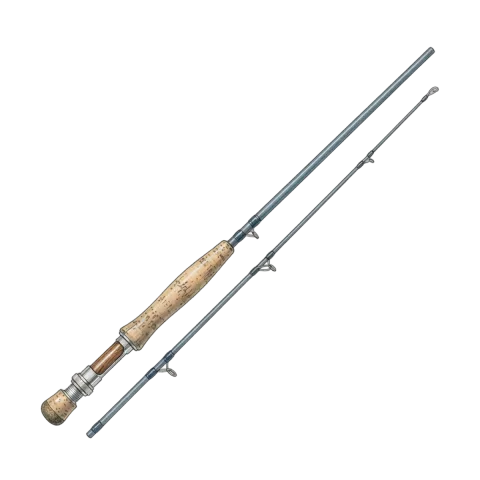
Rod
Fly rod
A fly rod is a fishing rod sized by line weight, with a fly reel seat. The fly line, not a heavy lure, loads the blank.
Sized for a typical fish
2.74 m · 5wt
- Reel seat
- Fly
- Form factor
- Multi-piece
- Action
- Moderate-fast
- Grip
- Cork
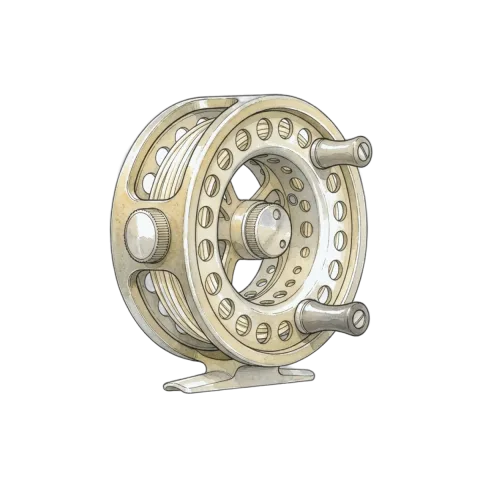
Reel
Fly reel
A fly reel is a large-arbor drum that stores backing and fly line. Drag is a disc; the reel does not cast the fly.
Sized for a typical fish
4 kg drag · 5wt
- Spool
- Drum
- Mount
- Under
- Drag
- Disc
- Retrieve
- Manual
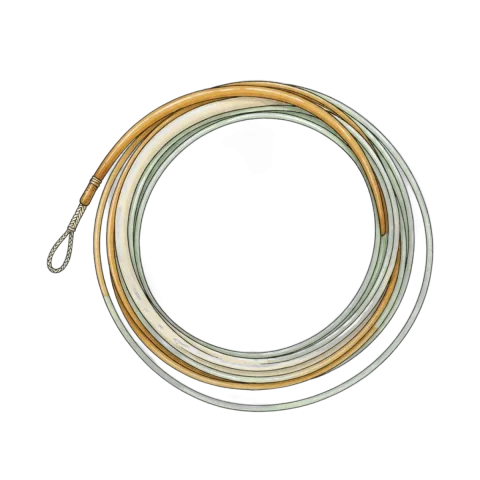
Line
Fly line
Fly line is the weighted shooting line that carries a near-weightless fly. Match it by weight class to the fly rod, not by kilo rating.
Sized for a typical fish
5wt
- Visibility
- Medium
- Abrasion
- Medium
- Stretch
- Low
- Sink rate
- Slow
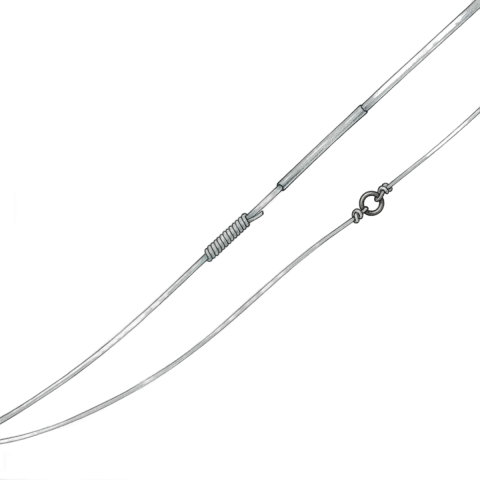
Leader
Tippet
Tippet is the fine, replaceable end of a fly leader, sized in X so you can match the fly and the fish.
Sized for a typical fish
2.8 kg · 0.18 mm · 80 cm · 4X
- Visibility
- Medium
- Abrasion
- Medium
- Stretch
- Medium
- Sink rate
- Slow
Trolling
Drawing lures or baits behind a moving boat.
75% Effectiveness
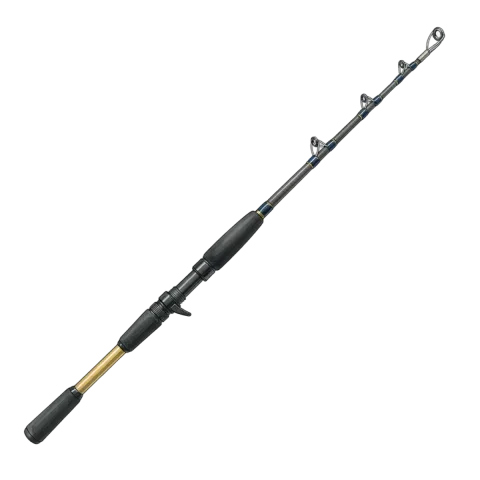
Rod
Trolling rod
A trolling rod is built to sit in a holder and pull a lure or bait at speed. Moderate action so the rod, not the reel, plays the fish.
Sized for a typical fish
medium · 1.83 m
- Reel seat
- Casting
- Form factor
- One-piece
- Action
- Moderate
- Grip
- EVA
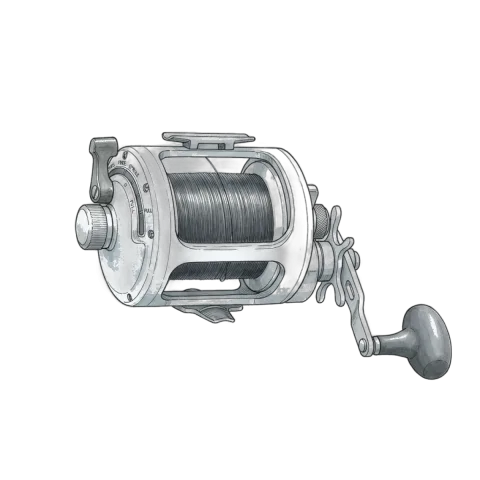
Reel
Trolling reel
A trolling reel is the dedicated lever-drag fishing reel for pulling lures behind a boat, often in a holder all day.
Sized for a typical fish
20 · 15 kg drag
- Spool
- Revolving
- Mount
- Over
- Drag
- Lever
- Retrieve
- Manual
Line
Braided line
Braided fishing line is the thin, no-stretch main for long casts, jigging, and feeling every tick on the retrieve.
Sized for a typical fish
6 kg · 0.1 mm
- Visibility
- High
- Abrasion
- Low
- Stretch
- None
- Sink rate
- Floats
Leader
Fluorocarbon leader
A fluorocarbon leader is the clear, fast-sinking join between a visible main line and the lure or hook.
Sized for a typical fish
7 kg · 0.3 mm · 90 cm
- Visibility
- Very low
- Abrasion
- High
- Stretch
- Low
- Sink rate
- Fast
Bottom Fishing
Presenting bait or rigs on or near the lake or sea floor.
60% Effectiveness
Rod
Spinning rod
A spinning rod is a fishing rod built to carry a spinning reel under the blank. You cast lures and light baits with it from shore or a boat.
Sized for a typical fish
medium · 2.13 m
- Reel seat
- Spinning
- Form factor
- Multi-piece
- Action
- Fast
- Grip
- EVA
Reel
Spinning reel
A spinning reel hangs under the fishing rod and is the default reel for casting lures and light baits. Line peels off an open spool with a bail.
Sized for a typical fish
1000 · 3 kg drag · 185 g
- Spool
- Fixed
- Mount
- Under
- Drag
- Front
- Retrieve
- Manual

Line
Monofilament line
Monofilament fishing line is the everyday main line: easy to knot, cheap to replace, and stretchy enough to forgive a hard strike.
Sized for a typical fish
5.5 kg · 0.25 mm
- Visibility
- Medium
- Abrasion
- Medium
- Stretch
- High
- Sink rate
- Slow
Leader
Fluorocarbon leader
A fluorocarbon leader is the clear, fast-sinking join between a visible main line and the lure or hook.
Sized for a typical fish
5.5 kg · 0.25 mm · 80 cm
- Visibility
- Very low
- Abrasion
- High
- Stretch
- Low
- Sink rate
- Fast

Hook
Circle hook
A circle hook turns in the mouth and usually finds the corner of the jaw. You do not strike hard — you come tight. It includes freshwater.
Sized for a typical fish
2
- Points
- 1
- Offset
- No
- Barbed
- Yes
- Gap
- Standard
Float Fishing
Suspending bait beneath a float at a controlled depth.
50% Effectiveness
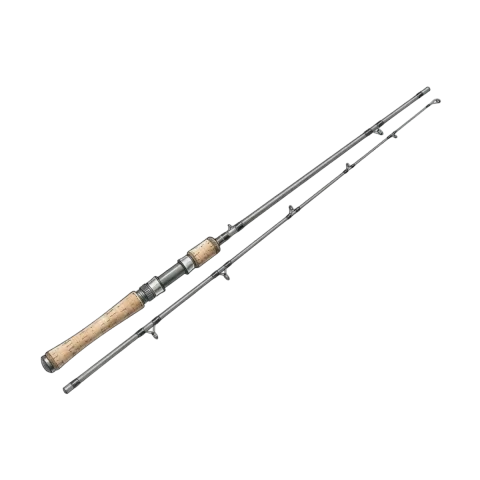
Rod
Float rod
A float rod is the all-round fishing rod for a float in rivers and still water, a step down in length from match.
Sized for a typical fish
medium · 4.2 m
- Reel seat
- Spinning
- Form factor
- Multi-piece
- Action
- Moderate
- Grip
- Cork
Reel
Spinning reel
A spinning reel hangs under the fishing rod and is the default reel for casting lures and light baits. Line peels off an open spool with a bail.
Sized for a typical fish
1000 · 3 kg drag · 185 g
- Spool
- Fixed
- Mount
- Under
- Drag
- Front
- Retrieve
- Manual
Line
Monofilament line
Monofilament fishing line is the everyday main line: easy to knot, cheap to replace, and stretchy enough to forgive a hard strike.
Sized for a typical fish
5.5 kg · 0.25 mm
- Visibility
- Medium
- Abrasion
- Medium
- Stretch
- High
- Sink rate
- Slow
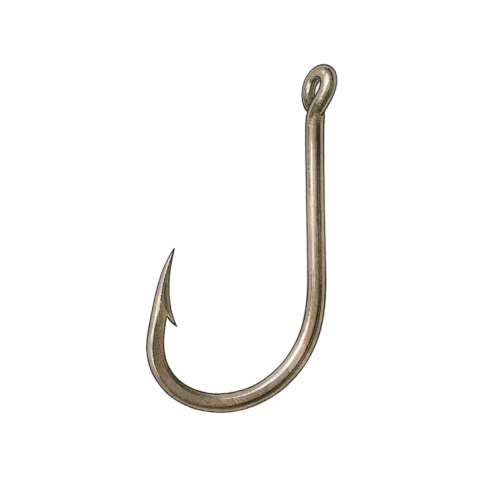
Hook
J-hook
A J-hook is the classic J-bend fishing hook for bait. You set it with a strike. Sizes are tokens such as 12 or 1/0.
Sized for a typical fish
4
- Points
- 1
- Offset
- No
- Barbed
- Yes
- Gap
- Standard
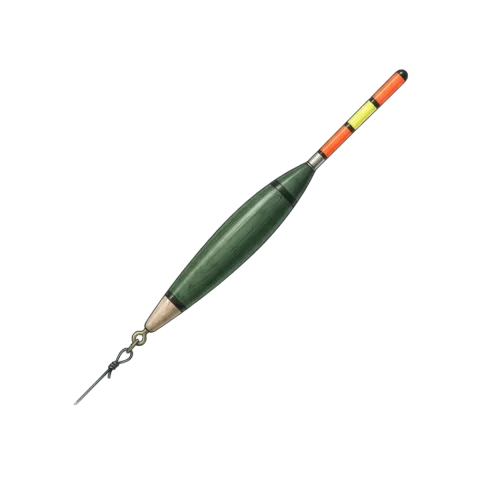
Float
Waggler
A waggler is a bottom-only attachment float for stillwaters and slow rivers. You shot it down and watch the antenna.
Sized for a typical fish
4 g
- Attachment
- Fixed
- Habitats
- Freshwater
- Methods
- Float Fishing
Best lures and baits for Giant kahawai
Ranked lures and natural baits from every method, best first.
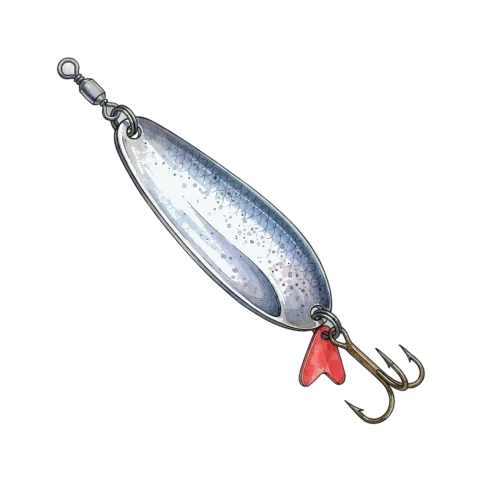
01
Spoon
- Spinning
- Trolling
A metal flutter bait for spinning, trolling, and ice.
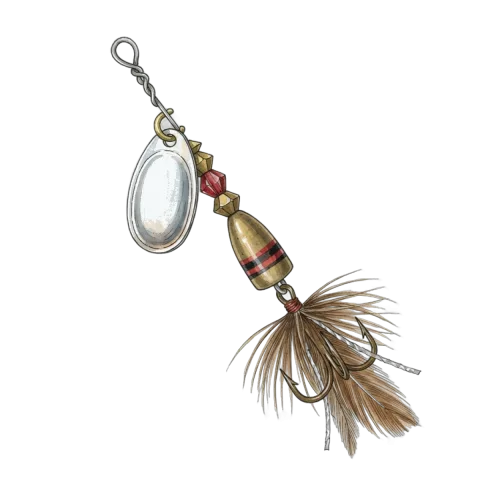
02
Inline spinner
- Spinning
An inline spinner with a blade that flashes on a straight retrieve.
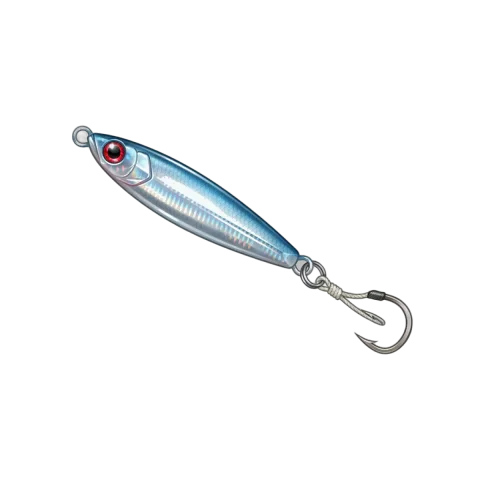
03
Metal jig
- Spinning
A long metal lure for speed-jigging the deep column.
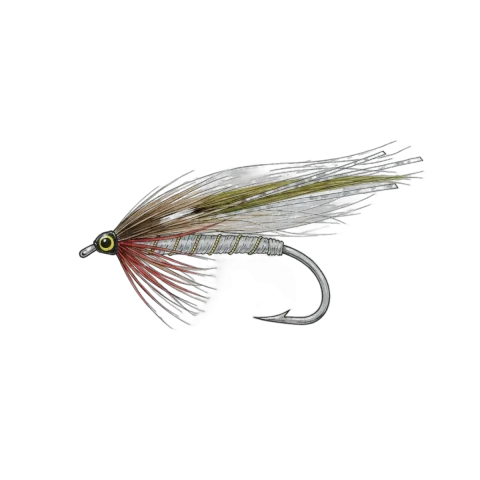
05
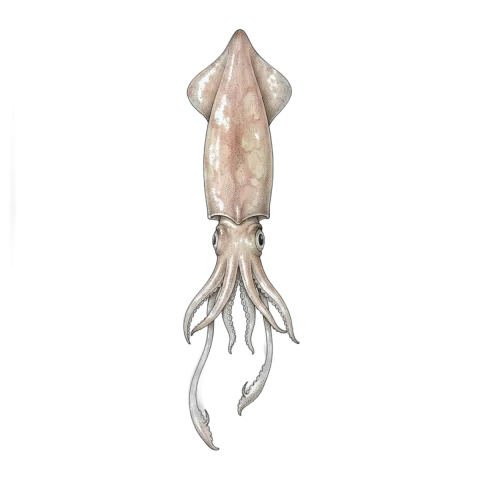
Squid
- Bottom Fishing
Elongated muscular body holds internal organs and secretes scent in the water.
06
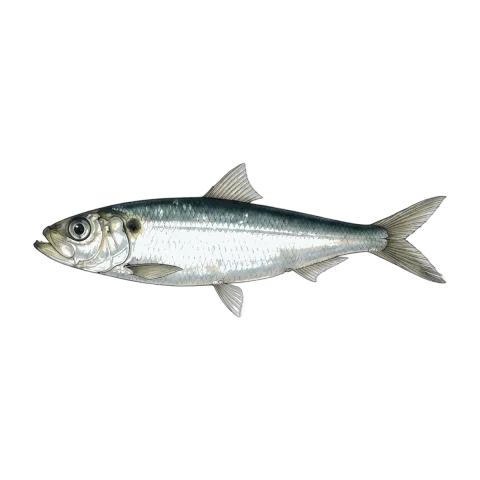
Sardine
- Float Fishing
Elongated silvery baitfish body releases strong scent trails.
How Giant kahawai migrates — Inshore–offshore
Shifts between shallow inshore water and deeper offshore grounds with the season.
1 Warm months
Inshore
Stay close inshore through the warm months.
2 Cold months
Offshore
Move offshore into deeper water as it cools.
Hover or tap a number to read each stage.
Diet and behavior of Giant kahawai
-
Diet
Top predator -
Hunts
Dawn · Dusk
Where Giant kahawai lives
Pelagic over the continental shelf — coastal open water, not the deep ocean.

Where this species lives
Giant kahawai photos for identification
Compare these photos with the catalog plate to identify the species.
Where to fish for Giant kahawai
Mapped fishing spots where Giant kahawai is recorded — open a pin for access and methods.
