How to catch Giant kokopu
Galaxias argenteus (Gmelin, 1789)
About Giant kokopu fishing
The giant kokopu is a remarkable freshwater fish belonging to the galaxiid family, easily recognized by its robust, cylindrical body devoid of scales and covered in thick, protective mucous skin. Displaying a deep olive-brown hue adorned with distinctive pale yellow spots and crescents, it holds the title of the largest galaxiid species. It typically inhabits low-gradient, slow-flowing streams, wetlands, and shaded coastal lagoons where ample underwater cover exists. This amphidromous species exhibits primarily nocturnal behaviour, lurking near submerged logs and undercut banks to ambush passing aquatic invertebrates, freshwater crayfish, and small fish. Due to restricted habitats and environmental pressures, it is classified as vulnerable and remains a species of significant conservation focus.
-
Difficulty
Medium
-
Average size
35 cm
-
Habitat
Freshwater, Brackish, Saltwater
-
Season
Spring, Autumn, Winter
-
Also known as
Maori trout, Whitebait

Crescentic body markings
Distinctive chains of dark crescents and bars identify this giant galaxias species.
Adipose fin
Small fleshy adipose fin present on the dorsal peduncle before the tail.
Giant kokopu fishing facts
Characteristics
-
Typical size
35 cm (max 40 cm NG ) -
Typical weight
0.2 kg (max 0.8 kg ) -
Longevity
24 years -
Body shape
Fusiform / Normal -
Vulnerability score
24.2
Best hours
-
Active
Dawn
First light
-
Low
Morning
After sunrise
-
Low
Midday
High sun
-
Low
Afternoon
Late day
-
Peak
Dusk
Last light
-
Peak
Night
After dark
When to fish for Giant kokopu
How to catch Giant kokopu
Tips for catching Giant kokopu
Targeting this secretive nocturnal predator requires a delicate approach focusing on slow waters, deep pools, and heavy marginal cover such as submerged branches or undercut earthy banks. Success relies on presenting natural baits like earthworms or large aquatic insects beneath a sensitive float, drifting them naturally close to the river bed where these fish wait in ambush. When using artificial presentations, small soft lures or weighted streamers drifted quietly into dark pocket water can trigger strikes during low-light conditions at dawn or dusk. Because populations are sensitive and conservation status is precarious, practising catch and release with minimal handling is strongly encouraged.
Other names for Giant kokopu
Local and alternate names anglers use for Giant kokopu.
-
Whitebait
-
Maori trout
-
Giant kokopu
Best equipment to catch Giant kokopu
Compare fishing methods for Giant kokopu — sized kit for each technique.
Note: Typical fish is 0.2 kg Our algorithm will suggest the best equipment for you based on this weight.
Float Fishing
Suspending bait beneath a float at a controlled depth.
70% Effectiveness
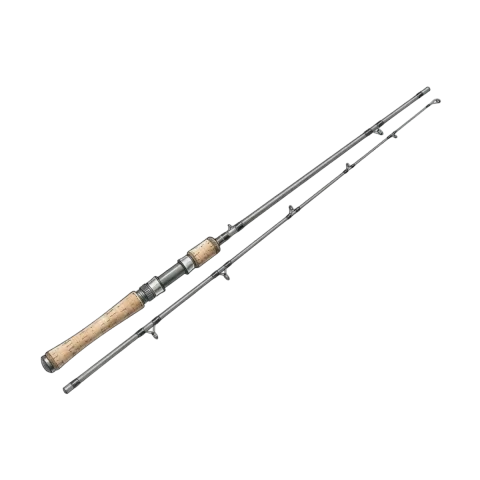
Rod
Float rod
A float rod is the all-round fishing rod for a float in rivers and still water, a step down in length from match.
Sized for a typical fish
light · 3.6 m
- Reel seat
- Spinning
- Form factor
- Multi-piece
- Action
- Moderate
- Grip
- Cork

Reel
Spinning reel
A spinning reel hangs under the fishing rod and is the default reel for casting lures and light baits. Line peels off an open spool with a bail.
Sized for a typical fish
1000 · 3 kg drag · 185 g
- Spool
- Fixed
- Mount
- Under
- Drag
- Front
- Retrieve
- Manual

Line
Monofilament line
Monofilament fishing line is the everyday main line: easy to knot, cheap to replace, and stretchy enough to forgive a hard strike.
Sized for a typical fish
1.3 kg · 0.125 mm
- Visibility
- Medium
- Abrasion
- Medium
- Stretch
- High
- Sink rate
- Slow
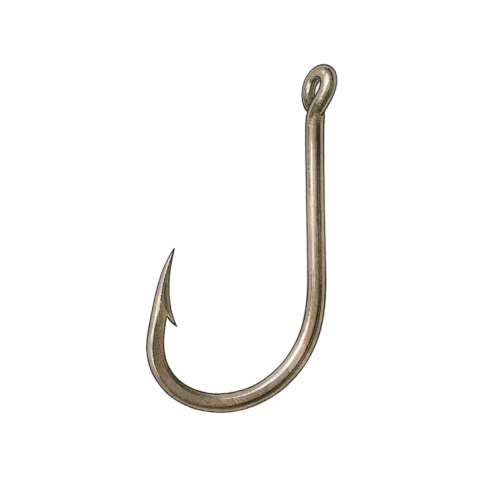
Hook
J-hook
A J-hook is the classic J-bend fishing hook for bait. You set it with a strike. Sizes are tokens such as 12 or 1/0.
Sized for a typical fish
12
- Points
- 1
- Offset
- No
- Barbed
- Yes
- Gap
- Standard
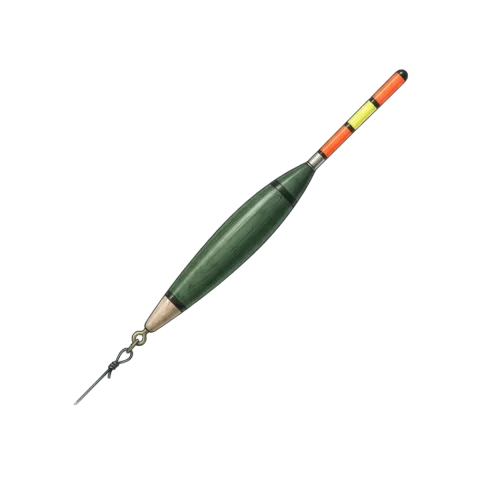
Float
Waggler
A waggler is a bottom-only attachment float for stillwaters and slow rivers. You shot it down and watch the antenna.
Sized for a typical fish
4 g
- Attachment
- Fixed
- Habitats
- Freshwater
- Methods
- Float Fishing
Spinning
Casting and retrieving lures with a spinning rod and reel.
50% Effectiveness

Rod
Spinning rod
A spinning rod is a fishing rod built to carry a spinning reel under the blank. You cast lures and light baits with it from shore or a boat.
Sized for a typical fish
ultralight · 1.8 m
- Reel seat
- Spinning
- Form factor
- Multi-piece
- Action
- Fast
- Grip
- EVA
Reel
Spinning reel
A spinning reel hangs under the fishing rod and is the default reel for casting lures and light baits. Line peels off an open spool with a bail.
Sized for a typical fish
1000 · 3 kg drag · 185 g
- Spool
- Fixed
- Mount
- Under
- Drag
- Front
- Retrieve
- Manual

Line
Braided line
Braided fishing line is the thin, no-stretch main for long casts, jigging, and feeling every tick on the retrieve.
Sized for a typical fish
6 kg · 0.1 mm
- Visibility
- High
- Abrasion
- Low
- Stretch
- None
- Sink rate
- Floats

Leader
Fluorocarbon leader
A fluorocarbon leader is the clear, fast-sinking join between a visible main line and the lure or hook.
Sized for a typical fish
7 kg · 0.3 mm · 90 cm
- Visibility
- Very low
- Abrasion
- High
- Stretch
- Low
- Sink rate
- Fast
Fly Fishing
Presenting artificial flies with a fly rod and weighted line.
40% Effectiveness
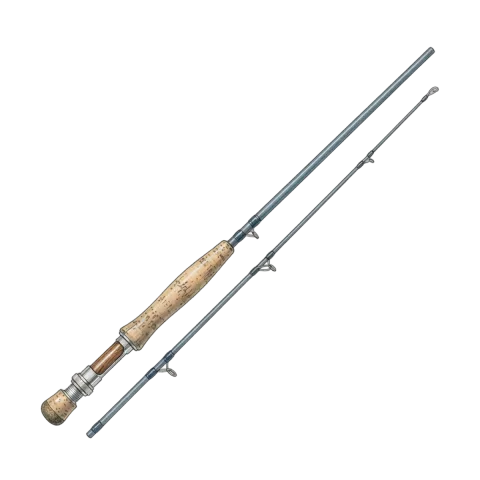
Rod
Fly rod
A fly rod is a fishing rod sized by line weight, with a fly reel seat. The fly line, not a heavy lure, loads the blank.
Sized for a typical fish
2.44 m · 3wt
- Reel seat
- Fly
- Form factor
- Multi-piece
- Action
- Moderate-fast
- Grip
- Cork
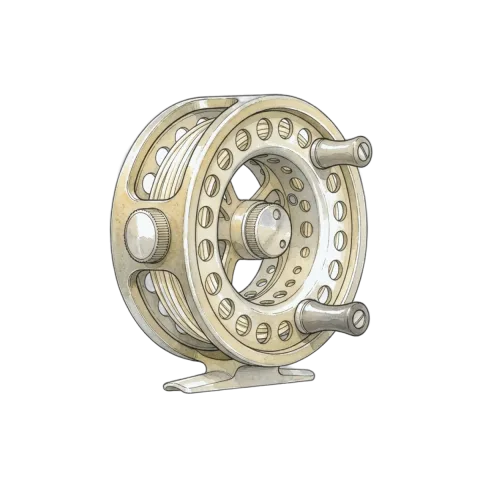
Reel
Fly reel
A fly reel is a large-arbor drum that stores backing and fly line. Drag is a disc; the reel does not cast the fly.
Sized for a typical fish
2 kg drag · 3wt
- Spool
- Drum
- Mount
- Under
- Drag
- Disc
- Retrieve
- Manual
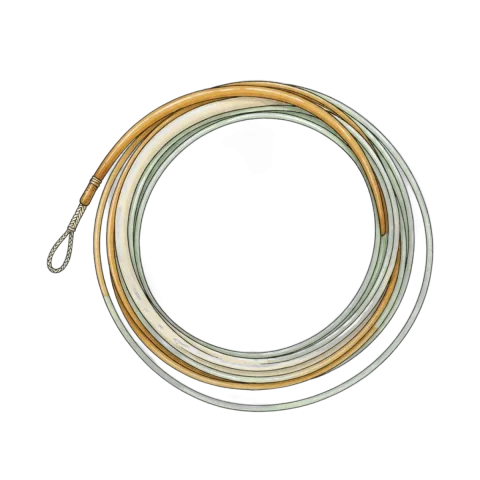
Line
Fly line
Fly line is the weighted shooting line that carries a near-weightless fly. Match it by weight class to the fly rod, not by kilo rating.
Sized for a typical fish
3wt
- Visibility
- Medium
- Abrasion
- Medium
- Stretch
- Low
- Sink rate
- Slow
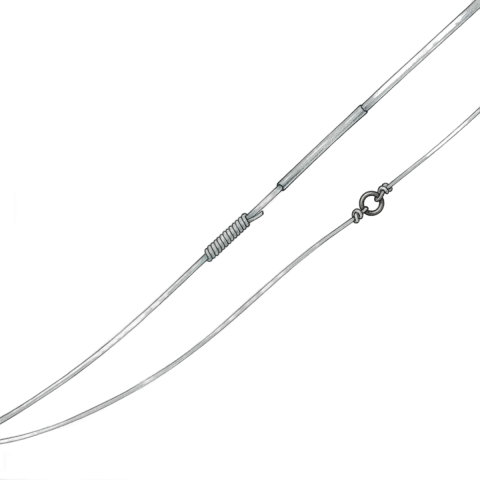
Leader
Tippet
Tippet is the fine, replaceable end of a fly leader, sized in X so you can match the fly and the fish.
Sized for a typical fish
1.6 kg · 0.13 mm · 75 cm · 6X
- Visibility
- Medium
- Abrasion
- Medium
- Stretch
- Medium
- Sink rate
- Slow
Best lures and baits for Giant kokopu
Ranked lures and natural baits from every method, best first.
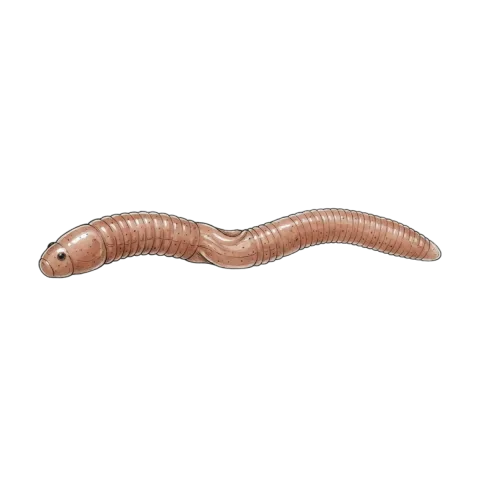
01
Worm
- Float Fishing
Rounded anterior end containing the mouth used for anchoring the bait on the hook.
02
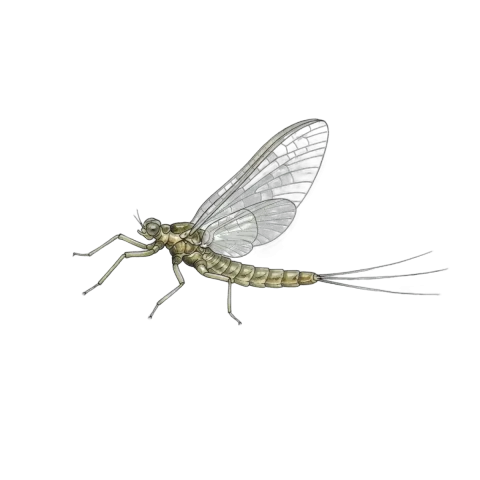
Insects
- Float Fishing
Translucent upright wings create surface disturbance that attracts rising freshwater fish.
03
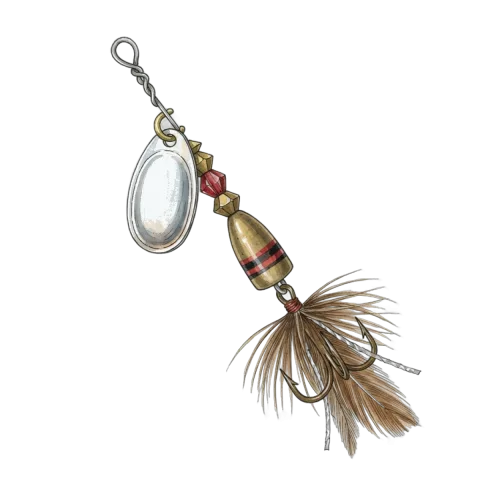
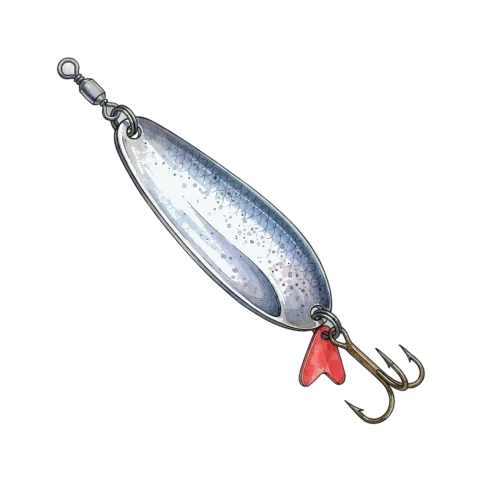
Inline spinner
- Spinning
An inline spinner with a blade that flashes on a straight retrieve.
How Giant kokopu migrates — Amphidromous
Moves between fresh and salt water during its life, but not specifically to spawn. Fish the estuary and the lower river.
1 Eggs
Sea
Spawned at sea or along the coast.
2 Larvae
→ Estuary
Drift inshore with the currents.
3 Juveniles
Fresh water
Move into estuaries, lagoons and fresh water to feed and grow.
4 Adults
→ Sea
Return to the sea to mature and spawn.
The crossing is for feeding and growth, not to spawn.
Hover or tap a number to read each stage.
Diet and behavior of Giant kokopu
-
Diet
Carnivore -
Hunts
Dusk · Night
Where Giant kokopu lives
Lives on or just above the bottom. Work jigs, bait, and lures along the seabed.

River mouth
Where this species lives
Giant kokopu photos for identification
Compare these photos with the catalog plate to identify the species.